
Do You Need Mahjong Racks with Pushers?
Last updated: Nov 23, 2026
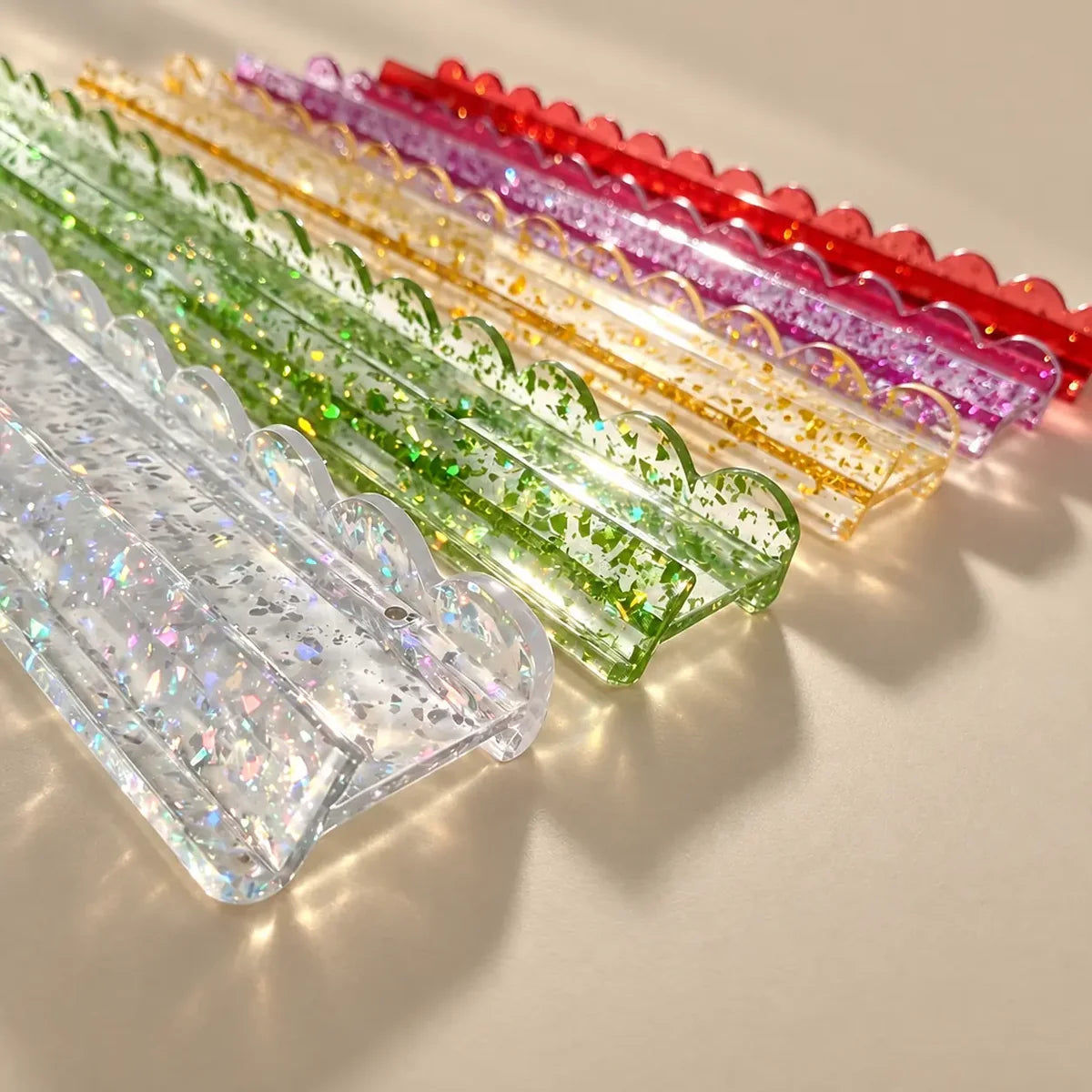
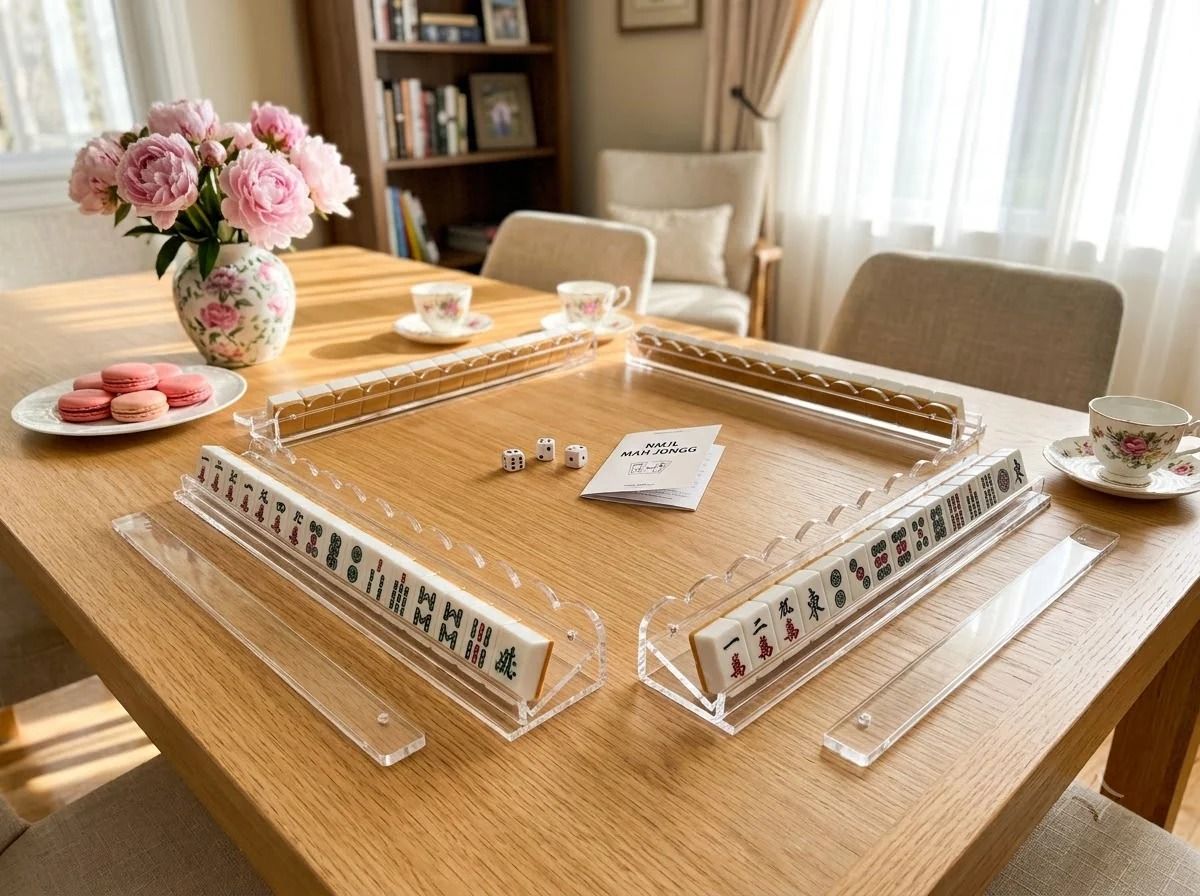
Racks with pushers are optional equipment that hold your tiles in an organized, tilted row so you can see all 13 at once without fumbling on the table. You don't need them to play American mahjong—tiles can sit flat in front of you—but they prevent accidents (dropped tiles, accidentally exposing your hand), speed up play, and reduce hand fatigue during long games. A pusher is a small wooden stick that helps you advance a tile toward the center wall when you're discarding, keeping the wall neat. Most weekly players use them because they eliminate table clutter and keep games moving. They're especially valuable if you're hosting regular games, playing with mixed skill levels, or playing with engraved sets where you want tiles organized beautifully. You can buy racks and pushers as a pair or separately; explore our rack collection to find designs that match your table style. 🎁 See our most-loved mahjong sets & accessories →
Do beginners really need racks?
No—beginners playing casually at home don't strictly need them. You can play your first dozen games with tiles flat on the table in front of you. However, racks teach good habits: keeping your hand hidden, organizing tiles by suit and number, and staying alert. If you're learning, a pair of racks accelerates your comfort and confidence because you spend less mental energy managing the physical layout and more energy reading the card.

What exactly does a pusher do?
A pusher is a thin rod (usually 7–10 inches) that sits in your hand during the discard phase. When you've chosen which tile to discard, you place it on the table at the near edge of the center wall, then use the pusher to advance it gently toward the center so it sits flush with the other discards. This keeps all discards neatly stacked in one organized row—no gaps, no sliding tiles—and makes it far easier for other players to see which tiles have been played and read the progression of the game. Without a pusher, players often nudge tiles by hand, creating messier walls and occasional disputes about whether a tile is "in" the wall or still available. A good pusher is smooth, doesn't scratch acrylic tiles, and has a slight grip so it doesn't slip during play.
How do racks and pushers prevent table mistakes?
When tiles are upright in a rack, you can count them, see suits and numbers clearly, and confirm your hand without leaning over or tilting the table. This prevents three common errors: accidentally showing tiles to opponents, miscounting your hand (which can invalidate a win), and knocking tiles over during excited moments. Pushers eliminate the fumbling-to-discard phase where players dig through tiles, grab the wrong one, or draw attention by hesitating. Together, racks and pushers create a professional flow that keeps everyone focused on the card, the wall, and the game strategy—not on tile management. Many hosts report that games move 15–20% faster with organized racks because there's no pause to untangle a mess or wait for someone to remember which tile they meant to discard.
Which players benefit most from racks and pushers?
Player type | Why they help | Priority ---|---|--- Weekly hosts (4+ games/month) | Fast setup, cleaner table, guest confidence | High Mixed-skill groups | Beginners focus on play; advanced players set the standard | High Competitive/tournament training | Simulates official table conditions; builds speed | High Solo learners/couples | Faster games = more hands, more learning | Medium Casual one-off players | Nice to have; not essential | Low
If you host regularly, racks and pushers are an investment in your table's reputation and your games' pace. If you play once monthly at a friend's house, you're fine borrowing or playing without them.
What's the difference between rack styles?
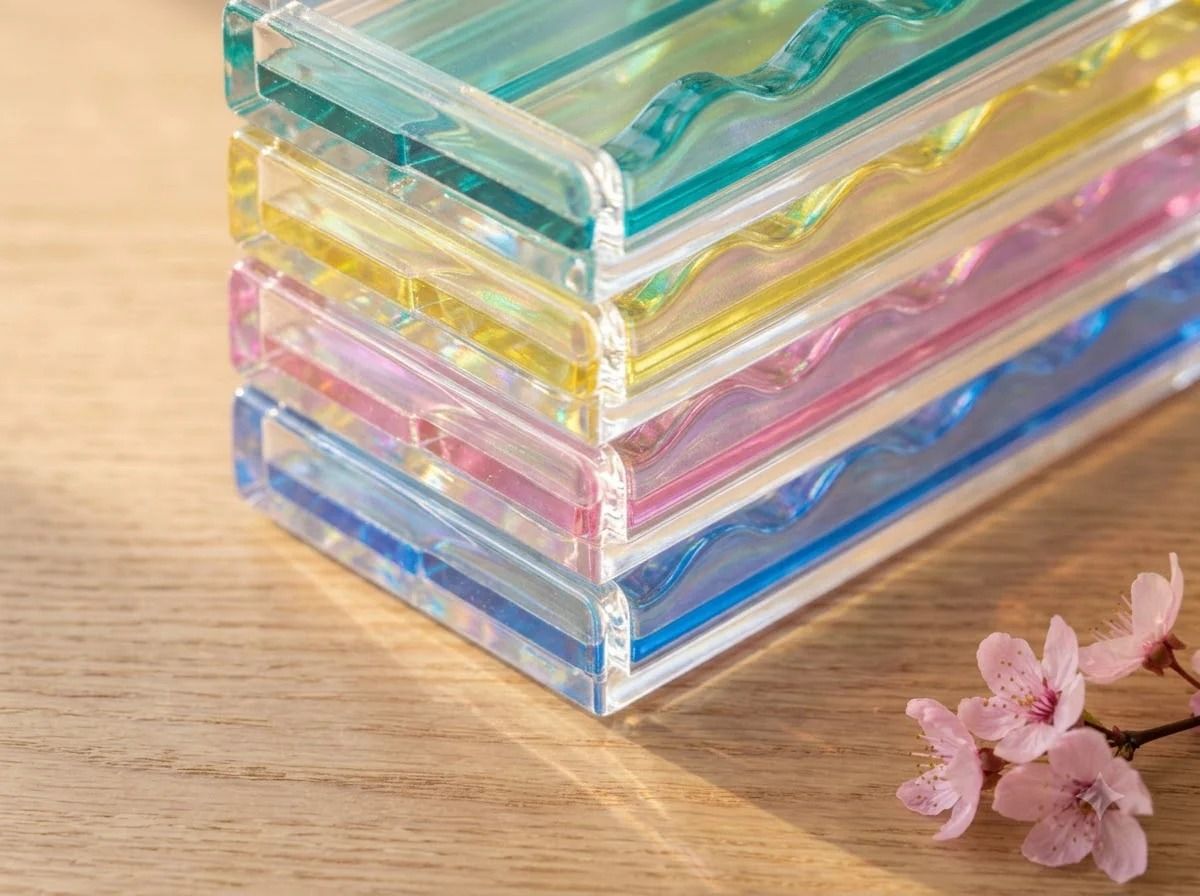
Racks come in several designs: bamboo (traditional, lightweight, warm look), acrylic (matches modern tile sets, durable), wood with brass or metal accents (heirloom appeal), and plastic (affordable, cheerful colors). Pushers match—bamboo racks pair with bamboo pushers, acrylic with acrylic. The functional difference is minimal; the choice is aesthetic and durability. Bamboo can warp in humid climates and needs occasional oiling; acrylic is weather-resistant and pairs beautifully with our best-selling acrylic tile sets. If your tiles are engraved acrylic, matching acrylic racks create a cohesive, professional look. If you're mixing tile styles or prefer a rustic feel, bamboo works everywhere. Check the weight (heavier racks stay in place better) and the angle—most racks tilt at 40–50 degrees, which is ideal; too steep and tiles slide, too flat and you can't see them.
What's the true cost of not using racks?
Without racks, you lose:
Speed: games run 10–20 minutes longer per round because players manage loose tiles.
Accuracy: miscounts and accidental reveals happen more often, creating disputes or invalid wins.
Comfort: holding 13 tiles in your hand for two hours causes hand fatigue and RSI risk.
Table presence: loose tiles scatter, create clutter, and make your game look disorganized to guests.
Longevity: handling tiles directly (especially acrylic) transfers skin oils and dirt; racks and pushers keep hands off the playing surface.
The payoff: a good pair of racks and pushers costs a fraction of your tiles and lasts decades. It's a one-time buy that elevates every game you'll ever host.
How to choose between having one set of racks or two sets
One set of racks (one rack + one pusher per player) is the minimum for four players. Two complete sets let you have racks ready during setup and a backup pair during storage or travel. If you host in multiple homes (yours and a friend's), or you're hosting 6+ players across two tables, two sets makes sense. For a single weekly game at your house, one set is sufficient—just make sure it's the right height and depth for your tiles. If you're buying engraved acrylic sets as gifts for multiple people, pairing racks with those gifts ensures they start with the full equipment.
🀄 Shop best-selling mahjong sets →
What to check before you buy
Tile fit: Measure your tile height and width (acrylic tiles are typically 18mm × 24mm or similar; bamboo tiles vary slightly). Confirm the rack accommodates at least 14 tiles comfortably—you'll hold 13, plus one to move during discards.
Pusher length: A pusher should reach the center of your playing surface without overstretching. Test on your table if possible.
Material match: Acrylic racks suit acrylic tiles; bamboo racks suit traditional bamboo tiles. Mixed sets work, but cohesion matters for aesthetics and resale.
Stability: Place the empty rack on the table and gently press—it shouldn't slide or rock. Rubber feet are a plus.
Storage: Confirm the racks disassemble or nest flat for a mahjong travel bag or storage case.
Most racks are one-size-fits-most because American mahjong tiles are standardized. If you have unusually large or small tiles, verify compatibility with the seller before ordering.
Racks and pushers in group play: etiquette and expectations
In formal tournaments or weekly clubs, racks and pushers are standard—some clubs even provide them. In casual home games, they're expected among serious players and a nice surprise for guests who haven't played before. If you're hosting, having racks ready shows you take the game seriously and respect your guests' experience. If you're a guest, ask if racks are provided; most hosts keep them out. If you're learning at a club or class, ask the instructor whether racks are included or if you should bring your own—most clubs teach with racks from the start.
✨ Find your Mahstead set — free US shipping →
FAQ
Can I use racks without pushers, or pushers without racks?
Yes to both. Many players use racks alone and manage discards by hand—it works, just slower. Some players skip racks but always use pushers to keep the discard wall neat. Racks + pushers together create the fastest, cleanest setup; either alone is a compromise.
Do racks work with all tile sizes?
American mahjong tiles are standardized, so standard racks fit all acrylic and bamboo American sets. If you have oversized or travel-miniature tiles, check the rack's dimensions first. Mahstead's racks are designed for standard-sized tiles; contact us if you're unsure.
How do I keep bamboo racks from warping?
Store them flat in a dry place away from direct sun and humidity. Wipe occasionally with a slightly damp cloth; don't soak them. Acrylic racks don't warp and are easier for humid climates or damp playing areas.
Should I buy racks when I buy my tile set, or wait?
If you're a beginner, hold off and borrow racks for your first few games. Once you've played regularly and feel the speed and comfort difference, buy them—you'll know exactly what you want. If you're gifting a set to someone who plays seriously, include racks and pushers; it's a professional touch.
Are there rules in American mahjong about using racks and pushers?
No—American mahjong rules don't require them. Tournaments may provide them or assume players bring their own, but there's no penalty for playing without them. Use them for your own comfort and your table's flow.
Do racks take up a lot of table space?
A typical 1-player rack is 3–4 inches deep and sits at the edge of your play area, parallel to the wall. Four racks occupy roughly 12–16 inches of radial space around a round table—minimal. They actually save space because loose tiles scatter more than organized tiles in racks do.


View More
View More
View More
