
Singapore Mahjong vs Filipino Mahjong: Key Differences
Last updated: Nov 23, 2026
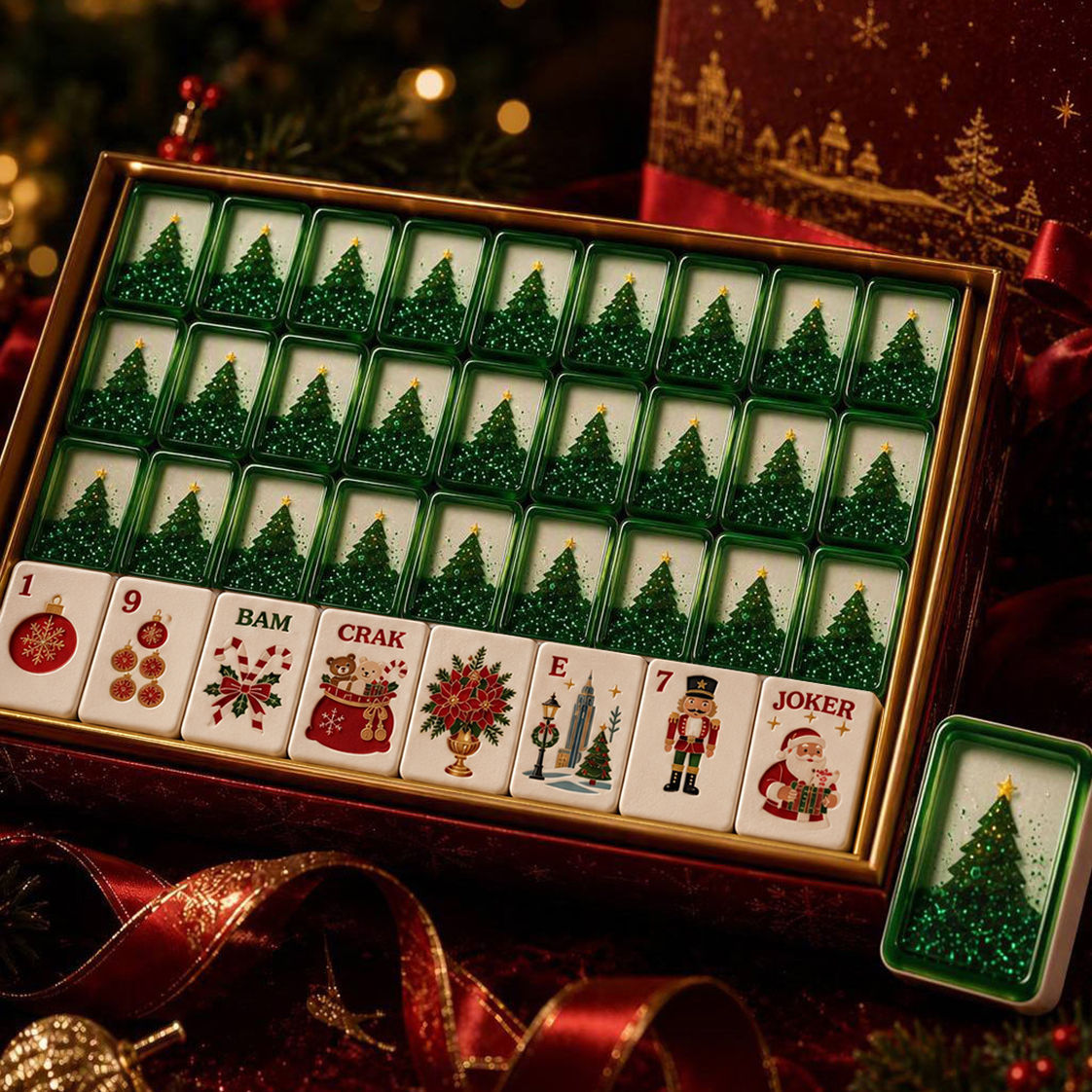
Singapore mahjong and Filipino mahjong are separate Asian variants, each with its own tile inventory, hand patterns, and scoring logic. Singapore mahjong uses 136 tiles (four suits: Bamboo, Character, Dot, and Honour) with hands built from sequences (chows) and sets (pungs and kongs); sequences can be called and exposed openly, unlike American mahjong. Filipino mahjong, played mainly in the Philippines, typically uses 144 tiles and emphasizes patterns similar to Chinese mahjong but with local rule variations—again, sequences are allowed and valued. Neither game uses the 152-tile American setup or the National Mah Jongg League hand card. If you play American mahjong weekly, switching to either variant means learning an entirely different tile set, new hand combinations, and fresh scoring tables. Our community focuses on American mahjong, so we recommend exploring the best-selling mahjong sets designed for that tradition—but understanding these cousins enriches your respect for the game's global reach. 🀄 Shop best-selling mahjong sets →
How does Singapore mahjong differ from American mahjong?
Singapore mahjong (also called Cantonese or Hong Kong mahjong played in Singapore) allows chows—sequences like 3-4-5 Bamboo—to be called and melded openly. American mahjong forbids chows entirely; you can only expose pungs (three identical tiles), kongs (four), quints (five), and sextets (six). Singapore players work from no printed hand card; instead, they memorize traditional patterns. American players consult the current year's National Mah Jongg League card to verify a legal winning hand. The tile set is different too: Singapore uses 136 tiles in a four-suit system, whereas American mahjong is built on 152 tiles. Scoring systems diverge radically—Singapore awards points based on tile combinations and sets, while American scoring is point-per-point under league tables. If you've only played American, a Singapore game will feel like learning mahjong anew.

Can you play Filipino mahjong with an American tile set?
No. Filipino mahjong typically uses 144 tiles (a Chinese-derived inventory) and patterns that don't align with American tile groupings or hand card layouts. The 152-tile American set includes extra dragons, winds, and jokers placed to support the league's hand patterns; a 144-tile set lacks these overages, and the dragon and wind distributions differ. Additionally, Filipino rules often incorporate sequences and open melds more liberally than American rules allow, which means a winning hand in Filipino mahjong may not validate on an American hand card, and vice versa. Trying to play Filipino mahjong with an American acrylic set would create constant rule friction and scoring confusion. If you're keen on Filipino play, source a 144-tile Chinese-style set from a specialist; if you're building an American library, our engraved American mahjong sets are designed to match league standards.
What's the core scoring difference between these variants?
Singapore mahjong awards points through multipliers based on tile combinations: a pung of terminals or honours, a kong of simples, a hand of all pungs, a hand with no sequences—each carries a point value that multiplies during settlement. Filipino mahjong uses similar logic but often with region-specific adjustments; some groups play "all pungs," "all chows," and "mixed" patterns familiar to Chinese mahjong, with base points and doubles. American mahjong, by contrast, assigns a fixed point value to each hand listed on the annual card—for example, a "5 Dot" hand may be worth 30 points, a "8 Crack" hand 40 points—regardless of how you made it. No multipliers, no negotiation. A winning hand in American pays exactly what the card says, every game, every season. This predictability is why American mahjong is easier to learn and standardize across clubs.
Do Singapore and Filipino mahjong use jokers?
Both variants can include jokers (wild tiles) as house rules, but they are not standard equipment the way they are in American mahjong. American mahjong always uses eight jokers as part of the official 152-tile deck; they're central to hand creation and strategy. Singapore and Filipino games sometimes add jokers for variety, especially in casual play, but traditional play in those regions does not assume jokers at all. If you're switching between American and Asian variants, clarify the joker rule at the table before dealing—it will affect which hands are possible and how fast the game moves. Our best-selling mahjong sets come with American-standard jokers included; if you're exploring Asian variants, you'll need to verify your tile source includes (or excludes) wilds as your home game requires.
🎁 See our most-loved mahjong sets & accessories →
Which variant is easiest to learn: American, Singapore, or Filipino?
American mahjong is often easier for newcomers because the hand card removes memorization: you look up combinations, verify they're legal, and move forward. No need to internalize hundreds of patterns. Singapore and Filipino mahjong demand deeper pattern memory and rule flexibility—you must know traditional hand shapes (all pungs, mixed one suit, etc.) and understand how to weight sequences and sets in scoring. However, American mahjong's learning curve isn't shallow; the Charleston tile-passing ritual, joker placement rules, and hand-card navigation take several weeks to master. Choose American if you want clear, printed rules and steady play. Choose Singapore or Filipino if you have a mentor in your community and enjoy pattern-focused, memory-heavy strategy. Most North American players gravitate to American mahjong because it's self-contained: a set, a card, a rulebook, and you're ready. Our mahjong for beginners guide walks through American fundamentals step-by-step.

Comparison: American, Singapore, and Filipino at a Glance
Aspect | American | Singapore | Filipino |
Tile count | 152 (+ spares) | 136 | 144 |
Sequences allowed | No | Yes | Yes |
Scoring method | Fixed card values | Pattern multipliers | Pattern multipliers + local rules |
Hand reference | Annual league card | Memorized patterns | Memorized patterns |
Jokers standard | 8 per deck | Optional | Optional |
Playing difficulty | Moderate | High | High |
Club availability (North America) | Very common | Regional | Rare |
What to check before you buy for a variant you're learning
Verify tile count & suit system: Confirm your source sells 136 or 144 tiles (not 152) if you're buying for Singapore or Filipino play—and check that dragon/wind distribution matches the variant's rules.
Ask about house rules: Before investing, ask your mentor or local club which rules (jokers, scoring adjustments, meld timing) they use—variants have regional drift.
Test with your group: Borrow a set first if possible; play a few hands to ensure the tile weight, size, and markings work for your table.
Keep the American set separate: If you play American mahjong in one group and Asian variants in another, don't mix sets—scoring and tile counts will conflict.
✨ Find your Mahstead set — free US shipping →
Why American mahjong dominates North America
American mahjong's structured hand card, fixed scoring, and no-chow rule create consistency across hundreds of clubs nationwide. The National Mah Jongg League publishes one card per year, so every game follows the same legal hands. This standardization attracts casual players, retirement communities, and new learners. Singapore and Filipino variants, by contrast, rely on oral tradition and house variation—no single governing body, no universal card. That decentralization preserves authenticity but makes cross-group play difficult. If you're in North America and want to join a regular game, American mahjong offers the clearest on-ramp: find a local club (often at community centers, libraries, or synagogues), learn the card, and play the same hands as thousands of others. For American-standard sets and guidance, explore our collection of engraved American mahjong sets—each one comes with a mat, rack, and carry case options to support your weekly game.
Which variant should you choose for your game night?
If you're hosting Americans who play once or twice a month, American mahjong is the obvious fit: one card, one set, predictable rules, minimal dispute. If you have ties to Singapore or the Philippines and want to preserve family tradition, invest time in learning that variant; the patterns and scoring reflect centuries of regional play and carry cultural meaning. If you're adventurous and love learning, sample both—rent or borrow a set, invite a mentor, and expand your mahjong literacy. Most players, though, pick one variant and stick with it because switching requires new tiles, new rules, and new muscle memory. Our mahjong racks with pushers and mats are built for American play, so if that's your choice, we have you covered with sets and accessories designed for 152-tile precision.

FAQ
Can I use a Singapore or Filipino tile set to play American mahjong?
No. American mahjong requires exactly 152 tiles with specific dragon and wind distributions; a 136- or 144-tile set will be missing critical tiles and jokers, making legal hands impossible to form. Always match the tile set to the variant's rules.
Do Singapore players use a hand card like American players do?
No. Singapore players memorize traditional patterns (all pungs, mixed one suit, etc.) and don't consult a printed card. American players carry the current year's league card to verify every hand. This is a fundamental difference in how players learn and validate wins.
Is Filipino mahjong the same as Chinese mahjong?
Filipino mahjong is derived from Chinese rules but often includes local variations in scoring, meld timing, and pattern names. It's a cousin, not a copy—similar bones, different dialects. Always clarify house rules with your Filipino group.
Which variant is fastest to play?
American mahjong tends to be faster because the hand card eliminates negotiation about whether a hand is legal; you look it up, count points, and move on. Singapore and Filipino games involve more discussion of pattern valuation and scoring math, slowing the pace.
If I learn American mahjong, can I switch to Singapore mahjong later?
Yes, but expect significant relearning. You'll need a new tile set (136 tiles), new pattern memory (sequences are legal now), and a new scoring framework. The fundamentals—drawing, discarding, melds—carry over, but strategy and hand logic are entirely fresh. Most players specialize in one variant.


View More
View More
View More
