
Do You Need Mahjong Pushers? A Player's Honest Guide
Last updated: Nov 23, 2026
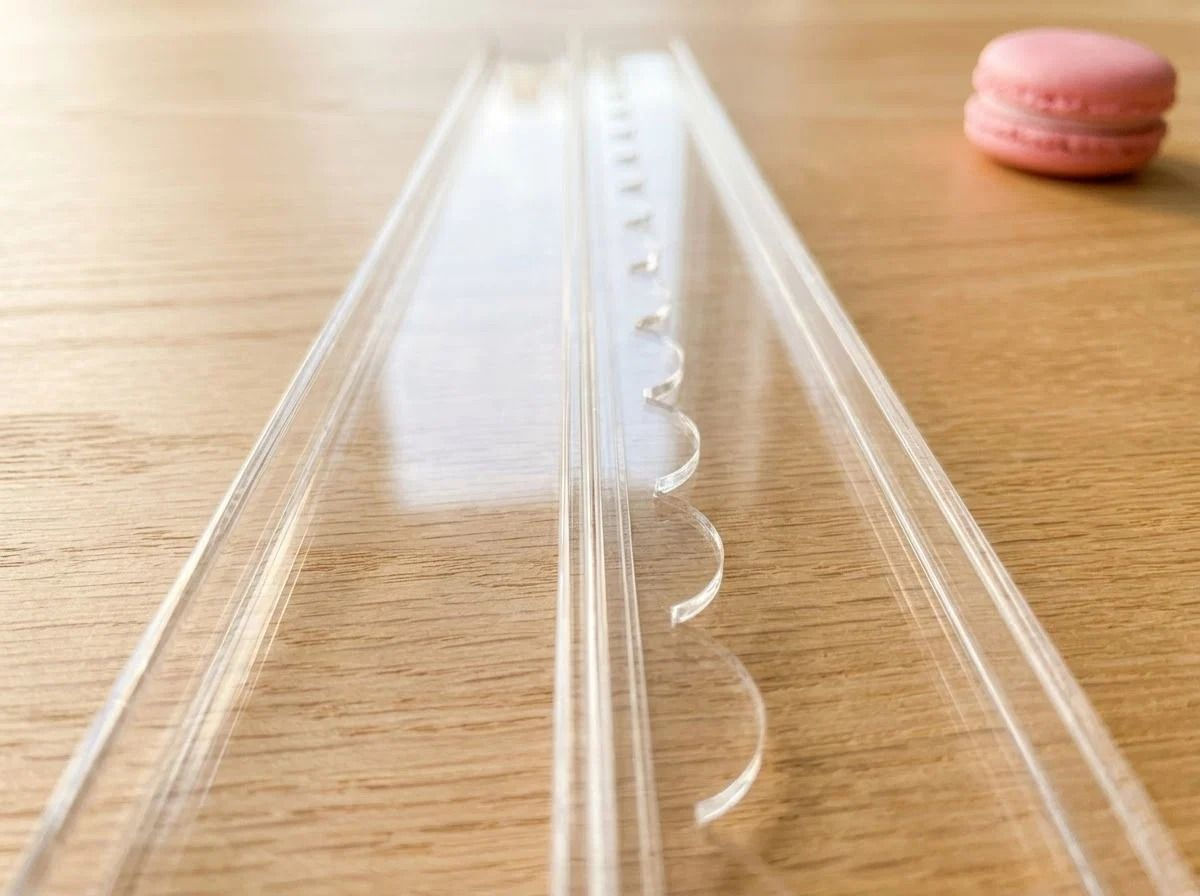
Mahjong pushers are small handheld tools (usually one per player) that help you nudge and organize tiles on your rack without dropping or fumbling them. They're not required—thousands of players manage perfectly with bare fingers—but they solve three real problems: they let you slide tiles smoothly while keeping your hands above the table, they prevent accidental tile exposure when you're building your hand, and they reduce the risk of tile damage over years of play. In American mahjong, pushers come paired with racks: the rack holds your 13 tiles at an angle so opponents can't see them, and the pusher lets you manipulate those tiles cleanly. They're most useful in weekly games where speed and confidence matter, and least necessary in casual or teaching settings.
What does a mahjong pusher actually do?
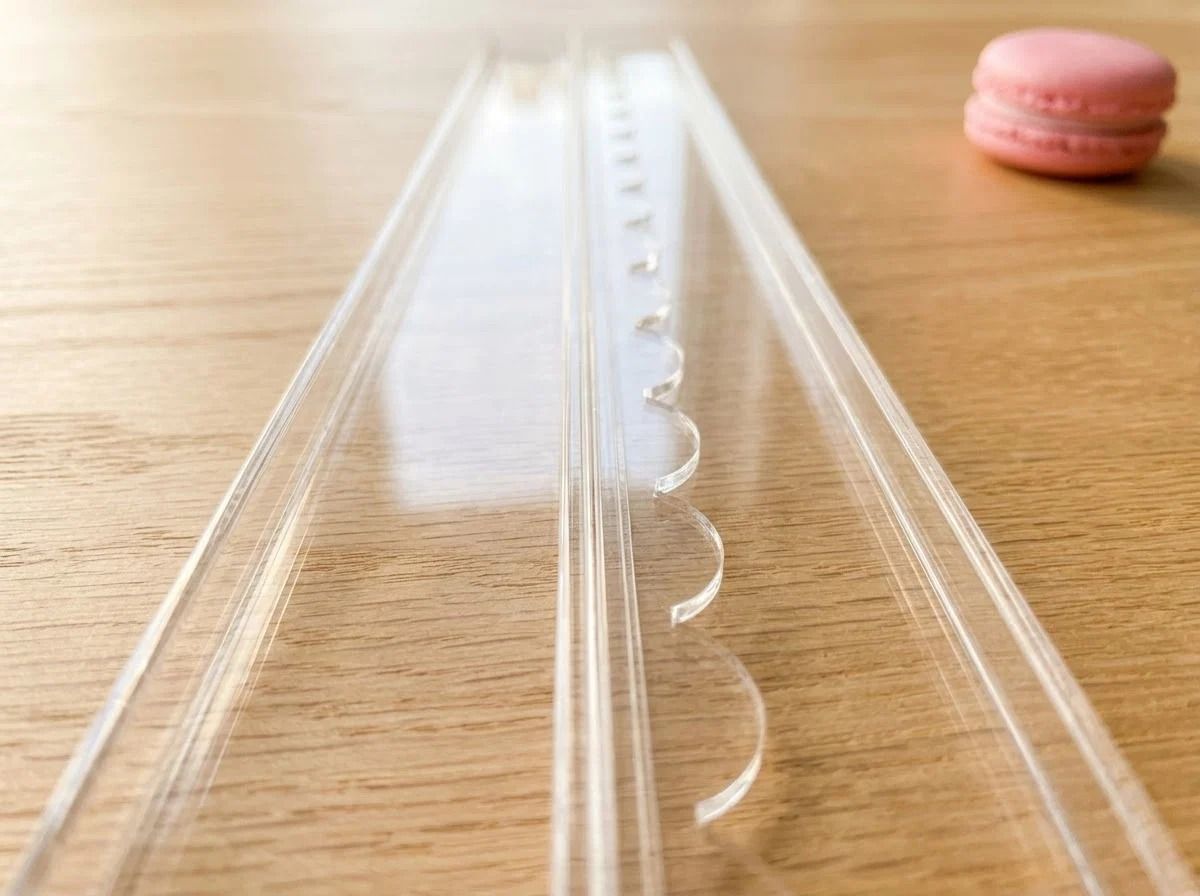
A pusher is a flat or slightly curved tool you hold like a chopstick or small wand. You use it to nudge tiles sideways on your rack, rotate them to read numbers, and organize your hand without reaching over the rack's rim and exposing tiles to other players' view. Instead of pinching and lifting tiles—which can damage the glaze or cause them to slip—you slide the pusher underneath or alongside a tile and push it into position. The best pushers have a gentle curve at the working end so they catch and move the tile without scratching it.
Do you actually need pushers to play American mahjong?
No. You can play full competitive American mahjong with just a mat and tiles, organizing your hand by hand alone. Many casual players and beginners skip pushers entirely. However, if you're playing in a weekly game with older players or competitive-minded groups, your opponents may expect you to have one—not because it's a rule, but because everyone expects the game to move at a certain pace and with certain etiquette. A pusher signals that you understand table customs and respect the flow of play. If you're teaching a new player or hosting a family game, you won't need pushers at all.
When do pushers matter most—and when don't they?
Pushers matter most in three situations: (1) weekly competitive or semi-competitive play, where players expect a crisp, professional-looking table; (2) long games or tournament-style sessions, where hand fatigue is real and you want to minimize repeated reaching and tile handling; (3) older or arthritic players, for whom pinching tiny tiles becomes painful after an hour. They matter least in (1) casual family games, (2) teaching sessions where players are still learning tile names and hands, (3) very short games (one or two rounds), and (4) any setting where players sit close to the center and freely handle tiles. The decision often comes down to group culture: ask your table what they use.
Pushers vs. bare-hand tile management—a side-by-side comparison
Scenario | Pushers + Rack | Bare Hands Only | Best Choice |
Weekly 4-person league | Fast, clean, hides tiles | Slower, visible to opponents | Pushers + rack |
Teaching newcomers | Adds cost; complicates setup | Simple, hands-on, immediate | Bare hands |
Tournament play | Professional standard | Risk of tile exposure | Pushers + rack |
Family casual game | Overkill; takes storage | Perfectly fine; fun | Bare hands |
Solo practice (hand reading) | Helps build muscle memory | Works fine | Either |
Long 3+ hour sessions | Reduces hand fatigue | Tiring after 2 hours | Pushers + rack |
Player age 70+ | Gentler on joints | Painful gripping | Pushers + rack |
🀄 Shop best-selling mahjong sets →

What's the best way to use a pusher without looking clumsy?
Hold the pusher lightly between your thumb and first two fingers, like a chopstick or pencil—not like a dagger. Keep your wrist relaxed and your elbow low. When you want to move a tile, slide the pusher under the tile's edge and push gently toward the position you want; don't stab or flick. For reading a tile you're not sure about, rotate it in place with a small push rather than lifting it. The most common mistake beginners make is gripping the pusher too hard or moving too fast, which looks jerky and can accidentally knock tiles off the rack. Smooth, deliberate movements (taking maybe 2–3 seconds per tile adjustment) look competent and keep the game flowing without drama. Practice once or twice before your first game so your hands don't betray your inexperience.
How do pushers fit into your overall rack setup?
A mahjong rack with a pusher is a two-part system. The rack itself is a tilted wooden or acrylic frame that holds your 13 tiles in a fanned arrangement so you can see them and your opponents cannot. The pusher is the matching handheld tool. Most racks are designed to rest in front of you or cradled in your lap, and most pushers are stored either in a small slot on the rack itself or laid on the table beside it. When you're managing your hand during play, you keep both hands near the rack and use the pusher to adjust tiles without reaching across the table or leaning in (which looks suspicious and slows the game). The entire setup—rack, pusher, tiles, and mat—should feel like one cohesive workstation. If your rack feels unstable or your pusher is too short or too long, the whole experience feels awkward; quality matters here because you're using these tools several times per hand, for hours.
🎁 See our most-loved mahjong sets & accessories →
Pushers and tile care: does using one actually protect your tiles?
Yes, but only partially. A pusher reduces the wear from repeated pinching and lifting—you're handling each tile less aggressively. It also minimizes the tiny scratches and chips that come from nails or fingers dragging across the glaze. However, a pusher doesn't protect tiles from spilled drinks, dropped racks, or years of UV exposure. The real benefit is comfort and precision: you develop fewer hand cramps, you move tiles with less stress, and over a decade of weekly play, tiles managed with a pusher tend to show less cosmetic wear. If you're investing in a handmade or engraved set from the best-selling collection, a pusher is a small gesture toward preserving that investment—though it's not a substitute for a good storage bag or mat.
What should you check before you buy a rack-and-pusher set?
Material & durability: Wood racks are traditional and warm but require care (no direct sun, no excessive moisture). Acrylic racks are more durable, lighter, and often easier to clean. Check that the pusher matches in material.
Pusher length & weight: A pusher that's too short makes you lean uncomfortably; too long and it's awkward to control. Look for reviews or try one at a friend's table first if possible.
Rack stability: Does it rest flat on your lap or the table? Does it tilt at the right angle (usually 15–20 degrees)?
Storage & portability: Can the pusher tuck into a slot on the rack, or does it need a separate bag? If you're traveling or hosting multiple games per week, compact design matters.
Compatibility with your tiles: Make sure the rack slot width matches your tile thickness (most American mahjong tiles are standard acrylic or bakelite; measurement is rarely an issue, but asking before buying saves returns).
Your table size: If you play on a small folding table, a large wooden rack might crowd the space. If you play on a dining table with a mat, full-size racks are usually fine.
✨ Find your Mahstead set — free US shipping →

FAQ
Can I use a toothpick or chopstick instead of a real mahjong pusher?
Technically yes—they have the same basic function—but a proper pusher is slightly wider and has a gentler curve, so it catches tiles without slipping. A chopstick works in a pinch, but after a few games your hand gets tired because the grip is thinner and less ergonomic.
Do pushers work with all mahjong set sizes and tile thicknesses?
Almost all American mahjong tiles are the same standard size, so a pusher designed for American sets works with every major brand. Check that your rack matches your tile thickness, but pushers are universal. They do not work well with miniature travel sets or oversized novelty tiles.
If I'm learning to play, should I skip the pusher to learn "proper" technique?
No. Learning with bare hands is fine for the first week or two, but switching to a pusher later causes muscle-memory confusion. If you plan to join a weekly game, learn with a pusher from the start so you're comfortable and confident when you play with your group.
Does a pusher make it harder to count tiles or verify my hand?
Not at all—most serious players use a pusher for exactly that reason. You can rotate and read tiles faster with a pusher because you're not fumbling or picking them up. It makes verification smoother, not slower.
What's the difference between a pusher that comes with a rack and a separate pusher I buy later?
A paired pusher and rack are usually designed to match in material, length, and weight, so they feel balanced together. A separately bought pusher might be too long, too short, or a different wood tone, creating a mismatched look and feel. Buying a rack-and-pusher set as a unit ensures coherence and saves you a return.
Do competitive or tournament players always use pushers?
Not always, but most do. Some very experienced players manage impressive hand speed with bare fingers alone. However, tournament etiquette and mat setups almost always include a pusher as part of the standard equipment, so you're expected to have one if you're playing in an organized event.


View More
View More
View More
