
Catalin vs Wooden Mahjong Tiles: Which to Buy in 2026
Last updated: Nov 23, 2026
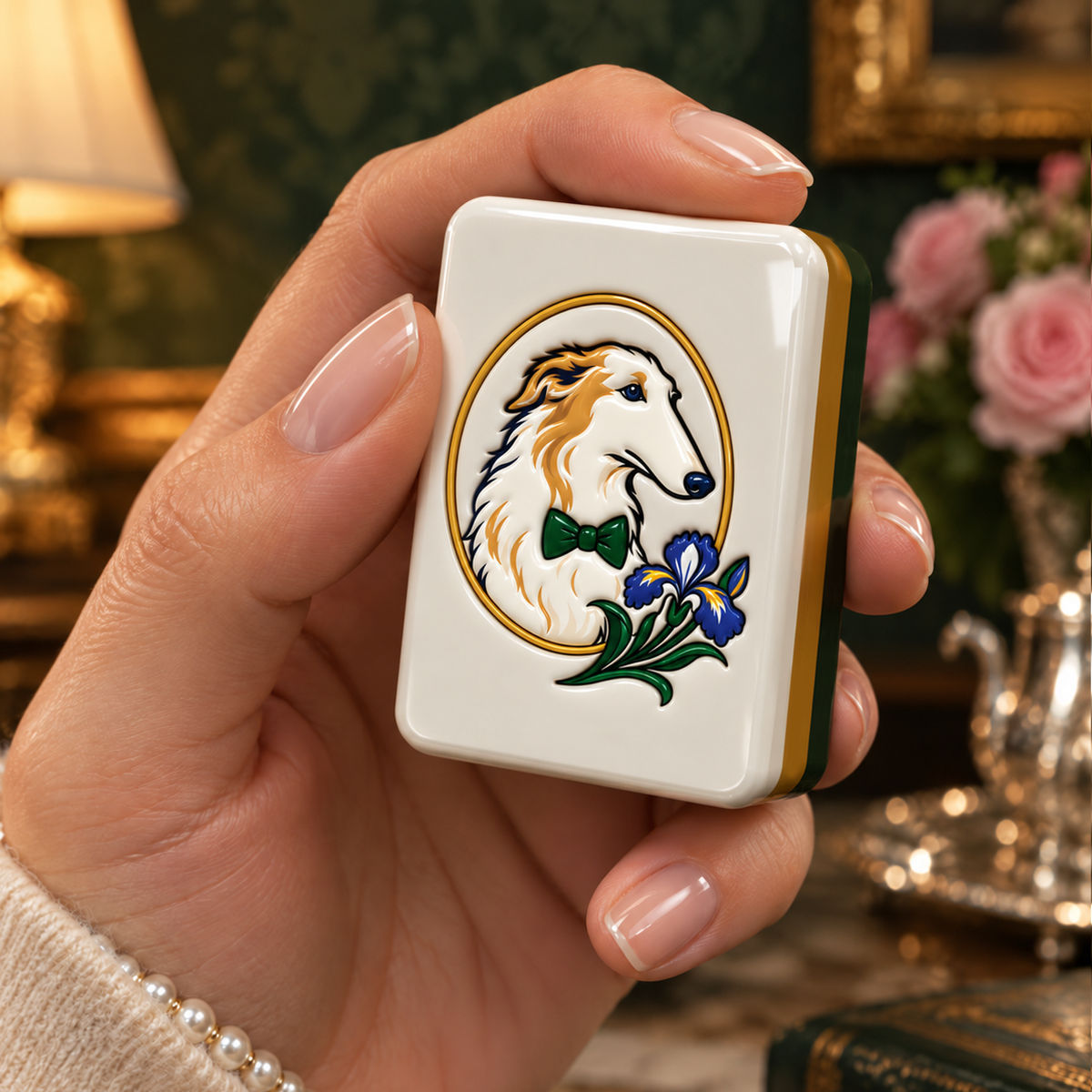
Catalin acrylic tiles (modern American standard, often called "acrylic" or "bakelite-style") and traditional wooden tiles each serve different players. Catalin tiles are lightweight, durable, colorfast, stack evenly, and cost significantly less; wooden tiles feel heavier, develop patina over decades, sound richer when discarding, and command higher prices. American mahjong sets sold today are predominantly catalin—we carry engraved acrylic American mahjong sets as our core offering because they suit weekly game hosts and traveling players. Wooden tiles suit collectors and players valuing tactile tradition and don't mind investment cost and transport weight. Neither is objectively "better"; it depends on game frequency, budget, storage space, and whether you prize consistency or character. Most serious American players own one or both.
What exactly is catalin vs wooden tile material?
Catalin tiles are cast from acrylic resin (a phenolic compound originally marketed as "catalin") and are injection- or cast-molded in high volume. They're lightweight (roughly one-third the weight of wood), crisp-edged, and resist moisture and UV fade. Wooden tiles—typically made from bamboo, rosewood, or other hardwoods—are individually cut, hand-painted or silk-screened, and sealed with oil or lacquer. Catalin is modern; wooden is rooted in 20th-century Chinese and Hong Kong manufacture. Each material is genuine; neither is a "fake."

Why do weight and handling feel so different?
Catalin tiles weigh ~2–3 grams each; wooden tiles ~4–6 grams. Over a full game (152 tiles handled, stacked, discarded), that cumulative heaviness changes hand fatigue, wall stability, and the acoustic feedback of the discard. Wooden tiles stack higher without tipping and settle more firmly in racks; catalin tiles require careful wall geometry but let you set up faster because they slide into place. If you host multiple games per week or play for 3+ hours, hand fatigue matters—catalin wins there. If you value the ritual weight and the satisfying thwack of a wooden discard, wooden tiles deliver.
🀄 Shop best-selling mahjong sets →
How do they differ in durability and lifespan?
Catalin tiles chip if dropped on hard surfaces (particularly corners) but resist moisture, fading, and surface scratching from normal shuffling. A full set played weekly lasts 15–25 years with careful storage. Wooden tiles crack if exposed to extreme humidity swings or direct heat; they're vulnerable to water damage and mildew if stored in damp spaces. Well-maintained wooden tiles can outlast their owners, developing a rich patina that collectors treasure. If your game table sits outdoors, near a window, or in a humid room (bathrooms, basements), catalin is safer. If your game room is climate-controlled and you're willing to inspect and oil your set annually, wooden tiles age beautifully.

What's the real cost comparison?
Our best-selling mahjong sets in catalin range broadly depending on tile weight, design detail, and customization; see current price on the product page. Wooden tiles typically cost 2–4× more per set than comparable catalin sets, reflecting hand finishing and material scarcity. A recreational player hosting weekly games gets enormous value from catalin. A collector acquiring a third or fourth set for aesthetic or regional variety might justify wooden. Budget-conscious groups (clubs, community centers, beginners) should default to catalin unless donors underwrite cost.
🎁 See our most-loved mahjong sets & accessories →
Attribute | Catalin Acrylic | Wooden |
Weight per tile | 2–3g | 4–6g |
Chip resistance | Good (chipped corners repairable) | Poor (cracks irreversible) |
Moisture resistance | Excellent | Fair (swelling, mildew risk) |
Fade resistance | Excellent (UV stable) | Good (oils can darken over time) |
Sound on discard | Bright, crisp | Deep, resonant |
Cost (relative) | Base $$ | $$$$–$$$$$$ |
Setup speed | Fast | Medium |
Stack stability | Requires care | Naturally stable |
Typical lifespan | 15–25 years | 30+ years if climate-controlled |
Which should you actually buy?
Buy catalin if: you host weekly or monthly games, travel with your set, play outdoors or in variable climates, need to replace chips or a lost tile affordably, or are new to the game and want to experiment without heavy investment. Catalin tiles engraved with custom designs or initials let you personalize without breaking the bank.
Buy wooden if: you play in a stable, climate-controlled room, plan to hand the set to your children or donate it to a club, value the sensory and aesthetic experience of the game over practicality, or collect regional variants (Hong Kong wooden sets differ visibly from American catalin). Wooden tiles can be a heirloom.
Buy both if: you're a serious player and want catalin for travel or casual games and wooden for home tournaments or display.
What to check before you buy
Confirm tile count. American mahjong requires exactly 152 playing tiles (108 suit tiles, 16 winds, 12 dragons, 8 flowers) plus 8 jokers; spare tiles beyond that are never played. Our 160-tile sets include spare jokers and blanks.
Verify suit symbols and wind/dragon clarity. Catalin sets should have sharp, non-fading paint; wooden sets should show hand-painted or screened characters that are centered and legible.
Test a few tiles. If ordering online, confirm the seller's return window in case a tile arrives chipped or the character paint is smudged.
Check rack and mat compatibility. Heavier wooden tiles need sturdier racks with pushers; lighter catalin works with any standard rack. Verify dimensions match your mat.
Plan storage. Wooden sets require a climate-controlled closet or cabinet; catalin can live on a shelf, though sealed bags keep dust off both.
Confirm your NMJL card year. Tile material does not affect hand validity—only the current-year card matters. Catalin and wooden tiles play the same hands.
✨ Find your Mahstead set — free US shipping →
A final practical word: we see dozens of new players every year choose catalin sets for their first game and never regret it. The tile material almost never stops a game or ruins a hand; the skill and joy at the table do. If budget is open and you're not sure, ask your regular group what they use. Most established game circles have a mix, and playing with the group's preferred material beats starting alone with the "perfect" set.

FAQ
Can I mix catalin and wooden tiles in one game?
No. The weight difference affects wall height, hand balance, and scoring accountability. Always use a single set per game; mixing corrupts the game's mechanics.
Do wooden tiles ever splinter or crack mid-game?
Rarely, but yes—especially if handled roughly or stored in a fluctuating humidity environment. Catalin tiles chip rather than crack, which is safer. Well-sealed wooden tiles are stable in stable rooms.
Which material is better for traveling?
Catalin. Lighter weight, moisture-resistant, and a chipped corner doesn't ruin a trip. Wooden tiles risk warping in luggage, especially if the plane cabin is pressurized and dry then humid.
Do beginners need to worry about tile material?
No. How to play American mahjong works identically with either. Choose based on budget and storage, not game complexity.
How do I restore or repair damaged tiles?
Catalin tiles with small chips can be filed smooth or glued; professional restoration exists but costs more than replacing one tile. Wooden tiles crack irreversibly and must be professionally refinished (expensive) or replaced as a set to maintain aesthetic consistency.
Is one material louder when shuffling or discarding?
Wooden tiles produce a deeper, richer sound; catalin tiles sound brighter and crisper. Some players find wooden noise more satisfying; others find it distracting. Preference is personal.


View More
View More
View More
