
Mahjong Travel Bag Care Guide: Protect Your Set
Last updated: Nov 23, 2026
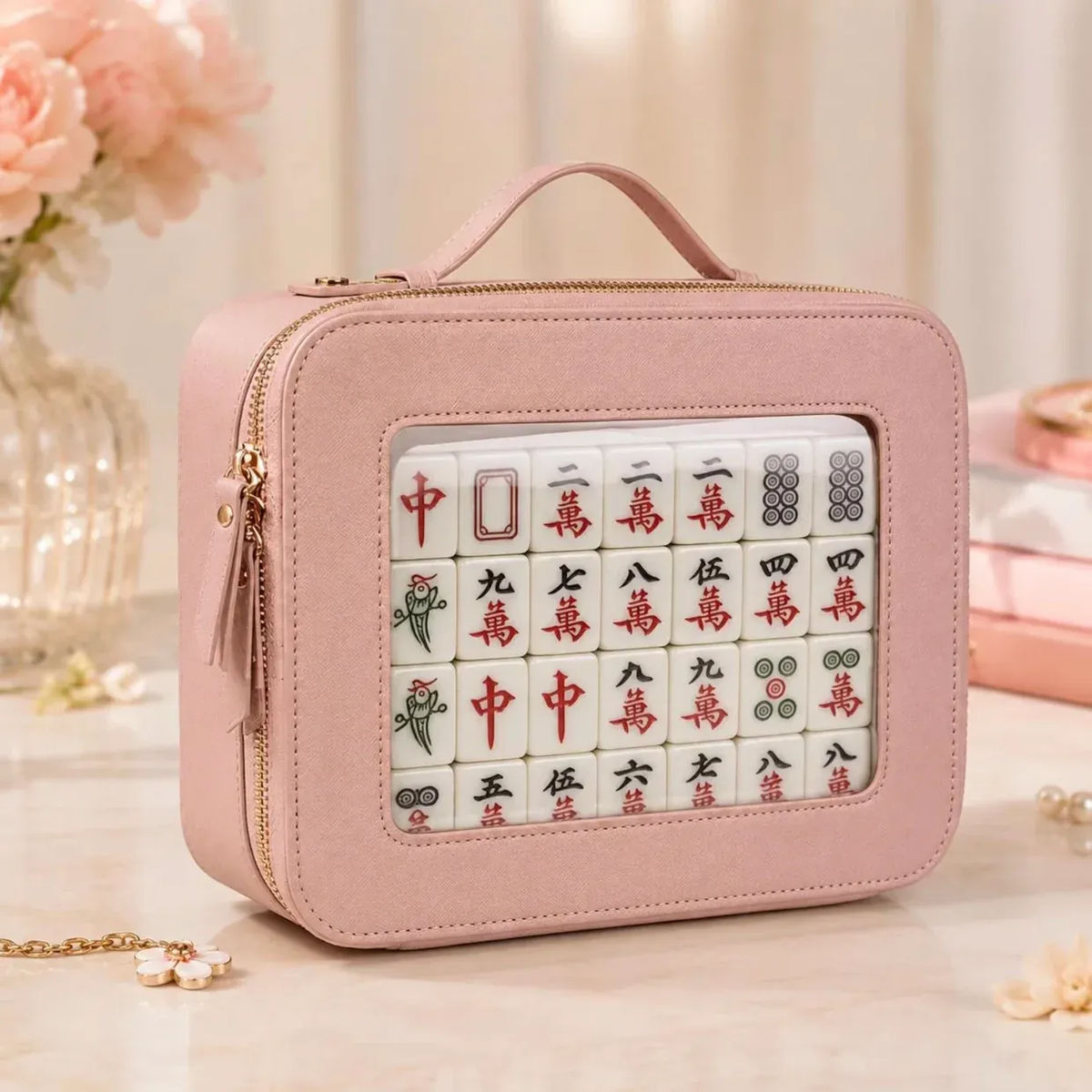
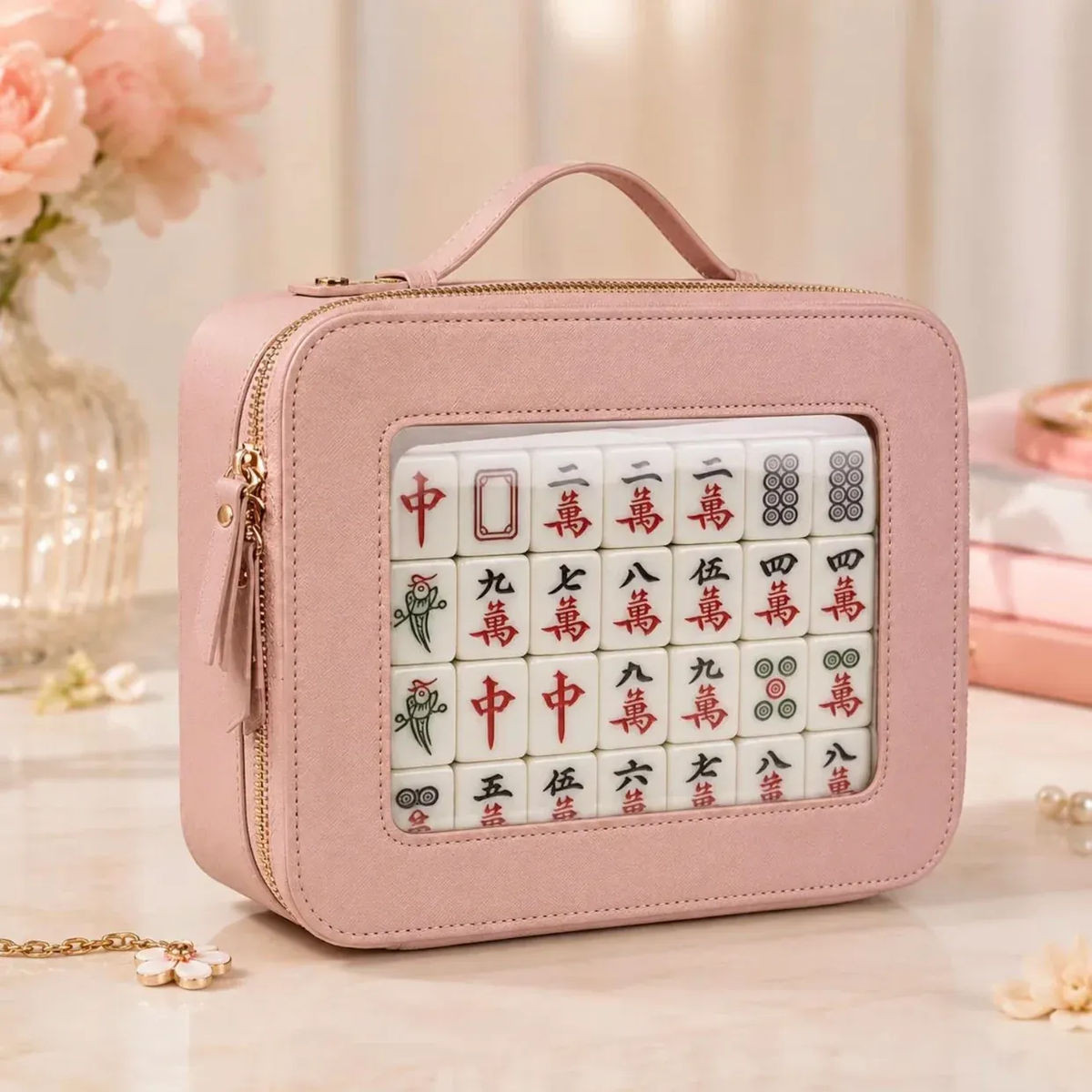
A mahjong travel bag keeps your 160-tile set, mat, racks, and accessories safe during transport and storage. The best bags use rigid cases or thick padding to protect tiles from cracking and acrylic from yellowing. Clean your tiles quarterly with a soft, dry cloth—never use water or solvents on acrylic. Store bags in a cool, dry place away from direct sunlight; humidity can warp wooden racks and fade tile engravings. Check zippers monthly and replace worn seals to prevent dust entry. From a practical standpoint, investing in a dedicated mahjong travel bag saves repair costs and keeps your set game-ready for years. 🀄 Shop best-selling mahjong sets →
What damage do travel bags actually prevent?
Travel bags guard tiles against four main threats: impact fractures, UV fading, moisture absorption, and dust accumulation. Acrylic tiles crack easily if dropped or bumped in transit; padded or rigid-walled bags absorb shock and prevent splits along the tile face. Direct sunlight yellows acrylic and fades engravings—a sealed bag blocks UV rays. Humidity warps wooden racks and corrodes metal pushers; a well-sealed bag maintains airflow without allowing moisture buildup. Dust clogs tile surfaces and makes shuffling harder. The best travel bags combine rigid exterior protection with soft interior padding, ventilation slots, and waterproof zippers to defend against all four risks simultaneously.
How often should you clean tiles inside a travel bag?
Clean tiles every three to four months if you play weekly, or before packing for travel. Remove all tiles from the bag and wipe each one individually with a microfiber cloth—dry only, no liquids. Pay extra attention to the backs and edges where dust collects. Wipe down the interior of the bag with a dry cloth, especially corners and zipper tracks. Never machine-wash acrylic tiles or soak them; water seeps into the drilled joker holes and causes swelling or discoloration over time. If a tile has stuck-on residue, use a barely damp (not wet) cloth followed immediately by a dry one, then let the tile air-dry for 24 hours before returning it to the bag.
What's the right way to store a packed bag long-term?
Store your packed travel bag in a cool, dry place—ideally between 50–75°F and below 60% humidity. Avoid basements (dampness), attics (heat fluctuations), and windowsills (UV exposure). Keep the bag upright or laid flat, never stood on end, so tile weight doesn't stress the bottom seam. Leave zippers slightly open or use small vent stickers to allow gentle air circulation without inviting dust. Every six months, open the bag, inspect tiles for moisture or mold, and reseal. If you live in a humid climate, place a small silica gel packet inside the bag—replace it annually. Never store the bag in a car trunk for extended periods; temperature swings warp acrylic and degrade zippers.
How do you repair a damaged travel bag or replace worn parts?
Issue | Quick Fix | When to Replace | Long-Term Prevention |
Zipper sticks | Clean track with dry brush; apply silicone lubricant | Zipper pulls off or teeth won't close | Avoid overstuffing; open/close gently |
Exterior scuff | Polish with microfiber cloth; wipe dry | Cracks or deep gouges | Use padded storage; don't drag |
Interior padding separates | Reglue with fabric adhesive; let dry 24 hrs | Padding crumbles or mold appears | Check humidity; add silica packets |
Seams fray | Seal cut edges with clear fabric glue | Seam splits along edges | Don't force contents; leave room to breathe |
For structural damage—cracked handles, torn zippers, or seam failures—it's usually cheaper and safer to replace the entire bag than to repair it, since a compromised bag will fail again under travel stress.
What bag features matter most for mahjong sets?
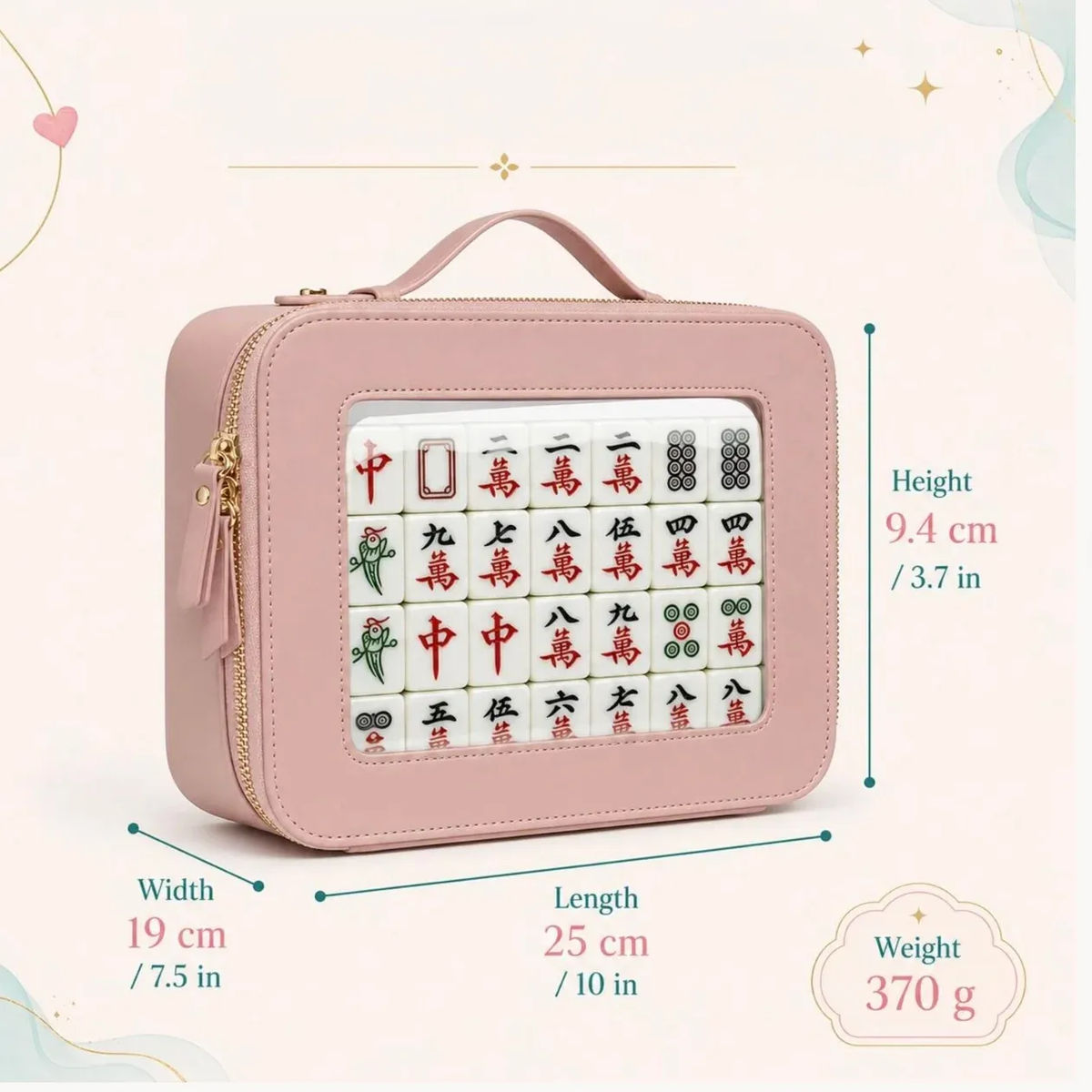
Look for bags with these five features in order of importance: (1) rigid exterior or heavy padding to absorb impact; (2) waterproof or water-resistant zippers with sealed seams; (3) interior organization pockets to separate tiles from mats and racks so they don't rub together; (4) ventilation or breathable lining to prevent condensation; (5) carry handles and shoulder strap for comfortable transport. Size matters—your bag should fit a 160-tile set, one mat, two racks, and dice with room to spare; a cramped bag forces you to overstuff, which stresses zippers and damages corners. Weight capacity should exceed the actual load by 20% (a full set with mat weighs roughly 10–12 pounds). Check that interior dimensions are at least 15" × 10" × 6" to hold a standard mat rolled loosely. Test zippers before buying: they should glide smoothly without catching or binding.
🎁 See our most-loved mahjong sets & accessories →

How does humidity affect tiles and what's the warning sign?
Humidity above 65% degrades acrylic slowly but steadily. The first warning sign is a white haze or frost-like film on the tile surface—this is moisture condensation, not dirt, and signals the bag's seal is failing. Next comes warping: tiles feel slightly flexible instead of rigid, or they stick together when stacked. Engravings fade as the acrylic absorbs moisture and loses translucency. Wooden racks swell and jam; metal pushers spot-rust. If you notice any haze, remove all contents immediately, dry each tile individually, and replace the silica packets in the bag. Inspect zippers and seams for damage; humidity escapes through weak points. In very humid climates (85%+ humidity), store the bag in an air-conditioned closet or use a dedicated desiccant box designed for games and collectibles.
What checklist should you use before a trip?
Before packing your bag for travel:
Wipe all tiles with a dry microfiber cloth.
Confirm zippers open and close smoothly; test all compartments.
Check for missing tiles or cracked jokers (replace immediately).
Roll the mat loosely—don't fold—to prevent creases.
Place racks with pushers in a separate padded pocket.
Add fresh silica gel packets if traveling to a humid climate.
Place the heaviest items (tile racks) at the bag bottom.
Leave 1–2 inches of space at the top so the zipper closes without straining.
Weigh the packed bag; if it exceeds 15 pounds, remove non-essential items.
Snap a photo of the contents in case of theft or loss.
Before unpacking at your destination:
Let the bag sit closed for 15 minutes—if condensation appears on the inside, wipe it dry before opening.
Unpack tiles onto a dry surface, never directly onto damp furniture.
Inspect for damage before your first game.
Repack the bag only after all tiles are completely dry.
How do seasonal changes affect storage?
Winter heating indoors drops humidity dramatically (sometimes below 40%), which can cause acrylic to become brittle. Summer heat and moisture spike humidity; bags stored near AC vents experience rapid temperature swings. Spring and fall are stable. The safest approach: maintain consistent 50–60% humidity year-round using a small hygrometer (cheap, battery-powered) in the storage closet. In winter, slightly increase bag ventilation to prevent drying. In summer, seal the bag tighter and add silica packets. Avoid storing bags near heating vents, radiators, or refrigerator exhausts. If you travel seasonally, inspect your bag at the start of each season—look for discoloration, odors, or tile surface changes that indicate moisture exposure.
✨ Find your Mahstead set — free US shipping →
What to check before you buy a mahjong travel bag
Material: Rigid exterior (plastic or hard case) or at least 3/8" foam padding. Thin nylon alone won't protect tiles.
Waterproofing: Zippers labeled "waterproof" or "water-resistant"; sealed seams at corners.
Interior size: Measure your mat rolled (roughly 16" × 3"), and confirm the bag accommodates it plus tiles and racks without crowding.
Zipper quality: YKK or equivalent brand; test before checkout.
Ventilation: Small mesh panels or breathable lining to allow airflow without trapping dust.
Carry options: Both handles and a shoulder strap for flexibility.
Warranty or return policy: Understand coverage if zippers fail or seams split within the first season.
Weight: Empty bag should weigh under 3 pounds so the total (with set) stays manageable for repeated travel.
Explore our collection of mahjong bags and travel cases to find a design and size that fits your play style—whether you host weekly games or travel to tournaments. Pair it with mahjong mats and racks with pushers to build a complete, portable game kit.
FAQ
Can I wash acrylic mahjong tiles with soap and water?
No. Water enters the joker drill holes and causes swelling, discoloration, and permanent warping. Use only a dry microfiber cloth or barely damp cloth followed by immediate air-drying.
How do I know if my travel bag's zipper is waterproof?
Look for zippers labeled "waterproof" or "water-resistant" and sealed seam allowances around the zipper track. Test by running it slowly—it should feel smooth and slightly stiff, not loose or grinding.
What humidity level is safe for storing a mahjong set?
Aim for 50–60% relative humidity. Above 65%, acrylic begins to absorb moisture and develop a frosted haze. Below 40%, tiles become brittle. Use a cheap hygrometer to monitor your storage closet.
How often do I need to replace silica gel packets in a travel bag?
Replace or reactivate silica packets annually, or every six months if you live in a very humid climate. They stop absorbing moisture once saturated; dried-out packets look pale or fully colored, depending on the type.
Can I store my mahjong bag in a car trunk during winter?
No. Car trunks experience extreme temperature swings (freezing at night, warm during the day), which warp acrylic and stress zippers. Store your bag indoors at a stable temperature.
What's the best way to prevent tile engravings from fading?
Keep the bag sealed and stored away from direct sunlight. UV rays fade engraved paint over time. If you use your set frequently, consider storing it in a dark closet between plays.
Should I pack my tiles loosely or tightly in the bag?
Pack with care—tight enough that tiles don't slide around, but loose enough that you don't crush the box seams when closing the zipper. Overstuffing stresses hardware and damages tile corners.


View More
View More
View More
