
Do You Need a Mahjong Tote? When and What to Buy
Last updated: Nov 23, 2026
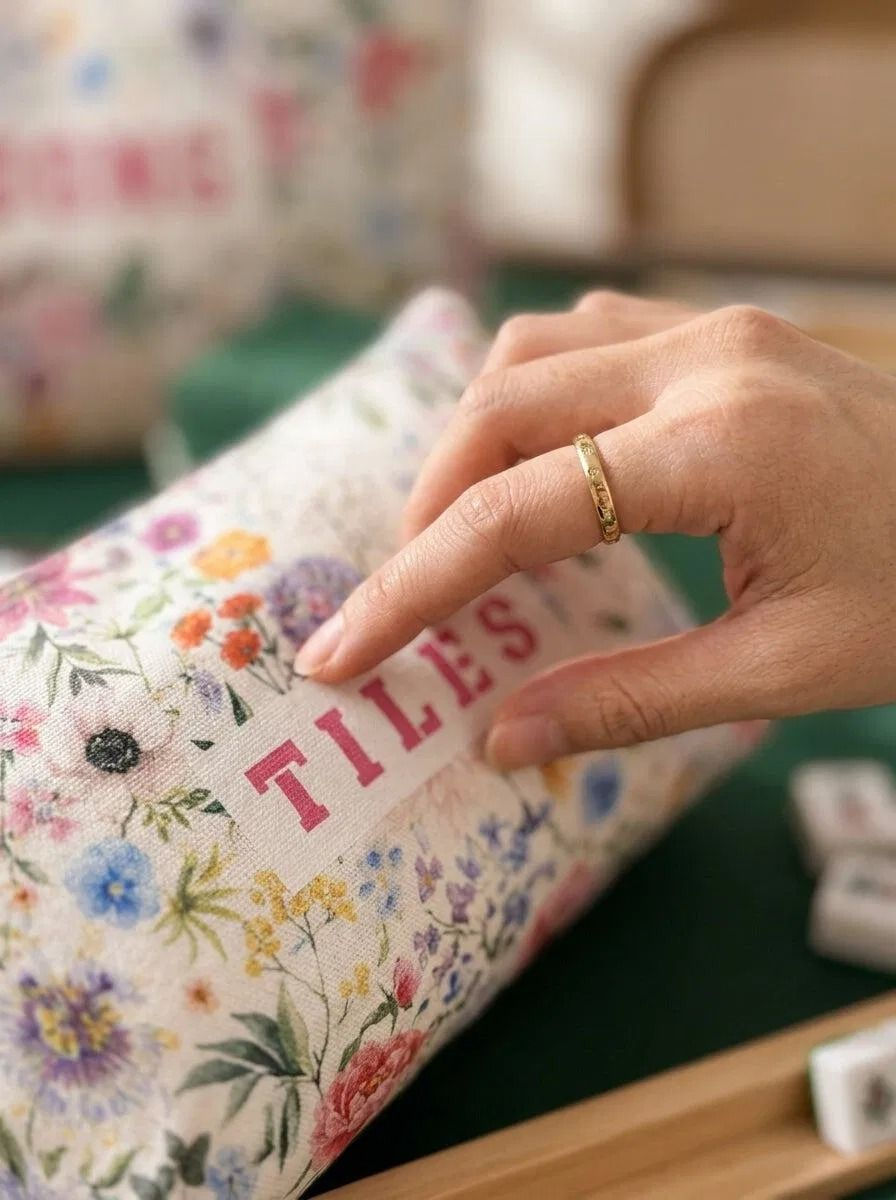
A mahjong tote is a padded or structured bag designed to hold a 160-tile set, mats, racks, and dice together. You need one if you travel to games weekly, host at different venues, or want to protect tiles from dust and damage during storage. Totes range from simple canvas carriers to insulated designs with compartments; soft bags work for casual players, while structured cases suit frequent travelers. The main cost factor is size and padding quality. We recommend one if you're playing outside your home or storing tiles long-term; casual home-only players may skip it. Mahstead offers travel bags and cases in multiple styles to fit different sets and lifestyles.
A mahjong tote isn't mandatory, but it protects your tiles during travel and makes hosting easier. You need one if you travel to games weekly, host at different venues, or want to protect tiles from dust and damage during storage. Totes range from simple canvas carriers to insulated designs with compartments; soft bags work for casual players, while structured cases suit frequent travelers. The main cost factor is size and padding quality. We recommend one if you're playing outside your home or storing tiles long-term; casual home-only players may skip it. Mahstead offers travel bags and cases in multiple styles to fit different sets and lifestyles.
Do I actually need a tote, or is it optional?
It depends on your playing pattern. If you host one standing game in your home and never move your set, no—a shelf or cabinet works fine. If you rotate hosts, travel monthly, or store tiles in a garage or closet where humidity and dust accumulate, a tote prevents tile warping, fading, and loose pieces. A good bag also protects your best-selling mahjong sets from accidental drops and keeps jokers from scattering during transport.
🀄 Shop travel bags and cases →

What size bag do I need for a 160-tile set?
A 160-tile American mahjong set with all four pushers, one mat, dice, and the season card requires roughly 12 × 9 × 5 inches of packed space. Most Mahstead travel bags accommodate a full set plus a rolled mat and accessories inside one main compartment. If you plan to carry two sets, a mah-jongg mat, and a rack system, measure the exact dimensions of your set's box first—some bags list interior dimensions so you can verify fit before ordering. Soft totes compress slightly; rigid cases do not. Choose rigid if you stack other items on top during travel; soft if you want lightweight portability.
What's the difference between a soft bag and a hard case?
Soft bags (canvas, nylon, padded fabric) weigh less, fold flat for storage, and cost less—ideal for monthly players. Hard cases (acrylic-lined, molded plastic, or foam-padded) protect against crushing if your car trunk fills or a bag tips over; they're worth it if you transport a set weekly or store valuable engraved tiles. Soft bags breathe better, reducing mold risk in humid climates; hard cases seal dust out completely. For games in one or two regular homes, soft works. For tournament play, frequent venue changes, or cross-country transport, hard is safer.
Bag Type | Best For | Weight | Storage | Durability |
Soft padded | Casual home rotations | Light | Compact | 2–3 years |
Canvas tote | Lightweight players | Light | Flat | 3–4 years |
Rigid case | Weekly travel | Heavier | Upright only | 5+ years |
Insulated/thermal | Humidity-prone climates | Medium | Compact | 3–4 years |
Should I get a tote with separate compartments or one big pocket?
Separate compartments keep tiles, dice, rack, and mat organized and prevent tile chipping from rubbing. A single-pocket design costs less and works if you store each item in its original box before bagging. We recommend compartments if you pack and unpack multiple times per week; a single pocket if you transport a complete assembled set once monthly. Some players prefer one big pocket to fit an unboxed mat rolled lengthwise, which saves space. Check the interior layout on the product page before ordering.
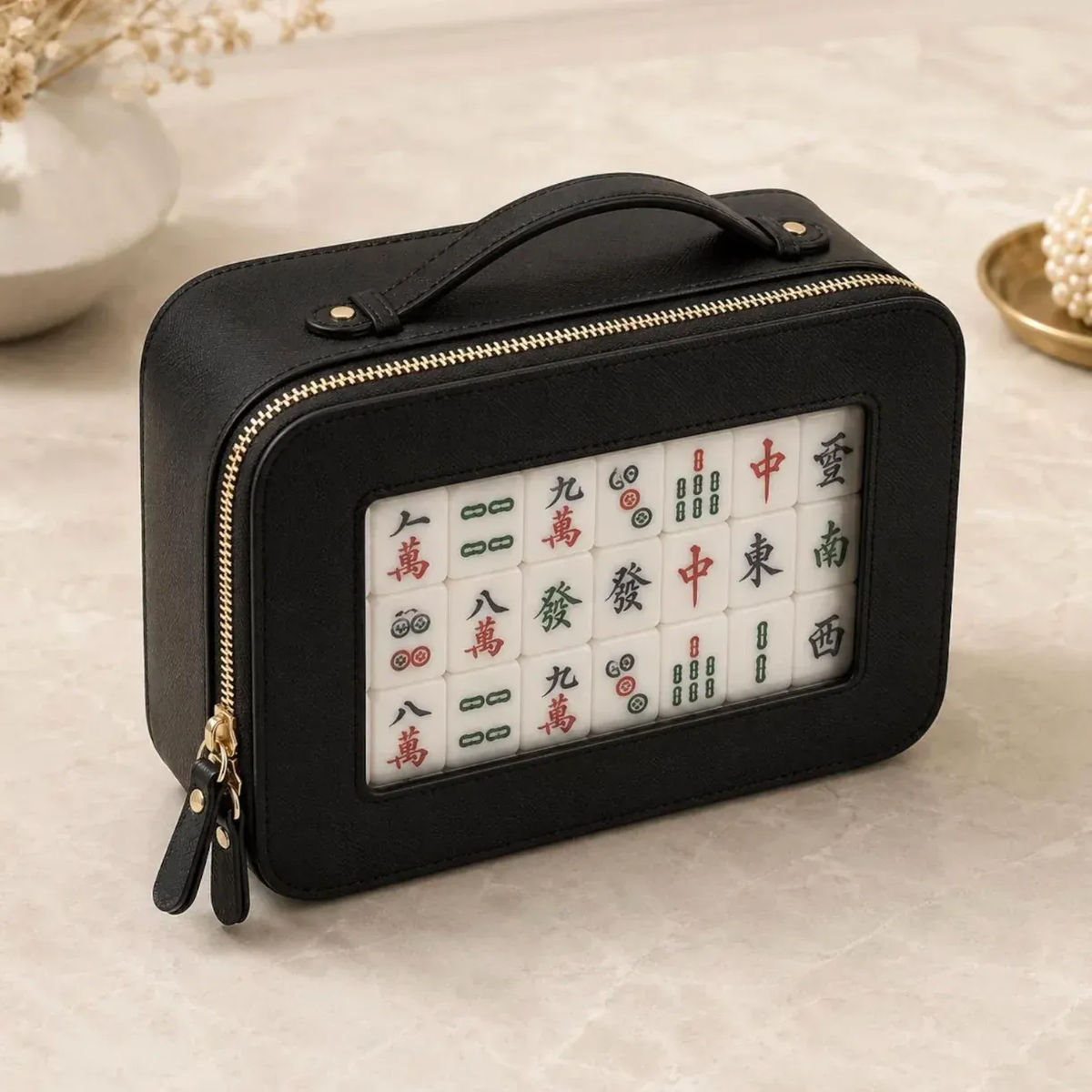
Should I choose a tote or a case based on my climate?
Humidity and temperature swings warp acrylic tiles and weaken wood racks. If you live in a hot, humid region or play in air-conditioned homes during summer, an insulated or sealed case reduces condensation on tiles during transport. Soft bags in humid climates need air circulation between plays—never leave a sealed soft bag in a car overnight. Dry climates need less protection; a simple canvas tote works year-round. Store any set at room temperature (65–75°F) and moderate humidity (40–50%) whenever possible.
✨ Find your travel bag — free US shipping →
What should I pack inside the tote to avoid damage?
Pack the 160-tile set in its original box first, or wrap tiles in a silk or microfiber cloth if reboxing. Place the mat rolled lengthwise along the bag edge to prevent creasing. Lay the rack and pushers flat in a zippered pouch or small rigid container to stop them sliding. Toss in the dice and current season's card in a separate slot. Never overstuff—air pockets cushion movement during travel. Before your first trip, weight the bag and carry it 10 minutes to check for uncomfortable spots or strain.
A simple decision checklist
Do you travel to games? → Soft bag or case (yes/no)
How often per month? → If ≤2 times, soft; if ≥3 times, consider rigid
Do you own an expensive engraved set? → Rigid case (yes/no)
Is your climate humid year-round? → Sealed or insulated bag (yes/no)
Do you rotate hosts monthly? → Yes → invest in a tote; No → shelf storage fine
Is floor or trunk space tight? → Soft compresses; rigid stands upright (choose based on your storage)
What to check before you buy
Measure your set's packed dimensions and compare to the bag's interior. Confirm the bag fits through your car door or airline carry-on. Check if the strap adjusts or has padding for shoulder comfort—heavy sets strain thin straps. Ensure zippers glide smoothly on the sample or read reviews for any jamming reports. If you own engraved American mahjong sets, choose a bag with padding or compartments to prevent tile-on-tile scratching.
🎁 Explore Mahstead bags and cases →
Many players combine a tote with a mahjong mat and rack with pushers to create a complete portable game kit. Others pair a soft bag with a rigid tile box for maximum protection. The right choice depends on how often you move your set and how much protection your tiles need. If you're unsure, start with a soft padded tote—it's affordable, works for 90% of players, and you can always upgrade to a case later if you find yourself traveling weekly.

FAQ
Can I fit a mat inside the tote, or do I carry it separately?
Most Mahstead travel bags fit a rolled mat lengthwise along the edge. Rolling (don't fold) prevents permanent creases. Carry a mat separately only if your bag is already full or if it's extra-large and thick.
Do I need a tote if I only play at home?
No. A shelf, cabinet, or closet works fine if your set never leaves the house. A tote only matters if you transport tiles or want long-term dust protection in storage.
How do I prevent tiles from shifting inside the bag during car travel?
Pack the 160-tile set in its original box or wrap it snugly in cloth. Place it in the bag's center, wedge the mat and rack around it, and use a strap or divider to minimize movement.
Is a soft bag or hard case better for flying?
A hard case is safer; it survives baggage handling. A soft bag works if you carry it on as a personal item and keep it with you.
What's the lifespan of a mahjong tote?
Soft bags last 2–4 years with weekly use before seams fray or fabric thins. Hard cases last 5+ years if hinges and latches stay tight. Proper storage (cool, dry place) extends lifespan in both cases.
Can I wash a canvas mahjong tote?
Hand wash in cool water with mild soap; air dry fully before storing. Machine washing weakens seams and padding. Check the care tag first.


View More
View More
View More
