
Do You Need a Mahjong Table? A Player's Honest Guide
Last updated: Nov 23, 2026
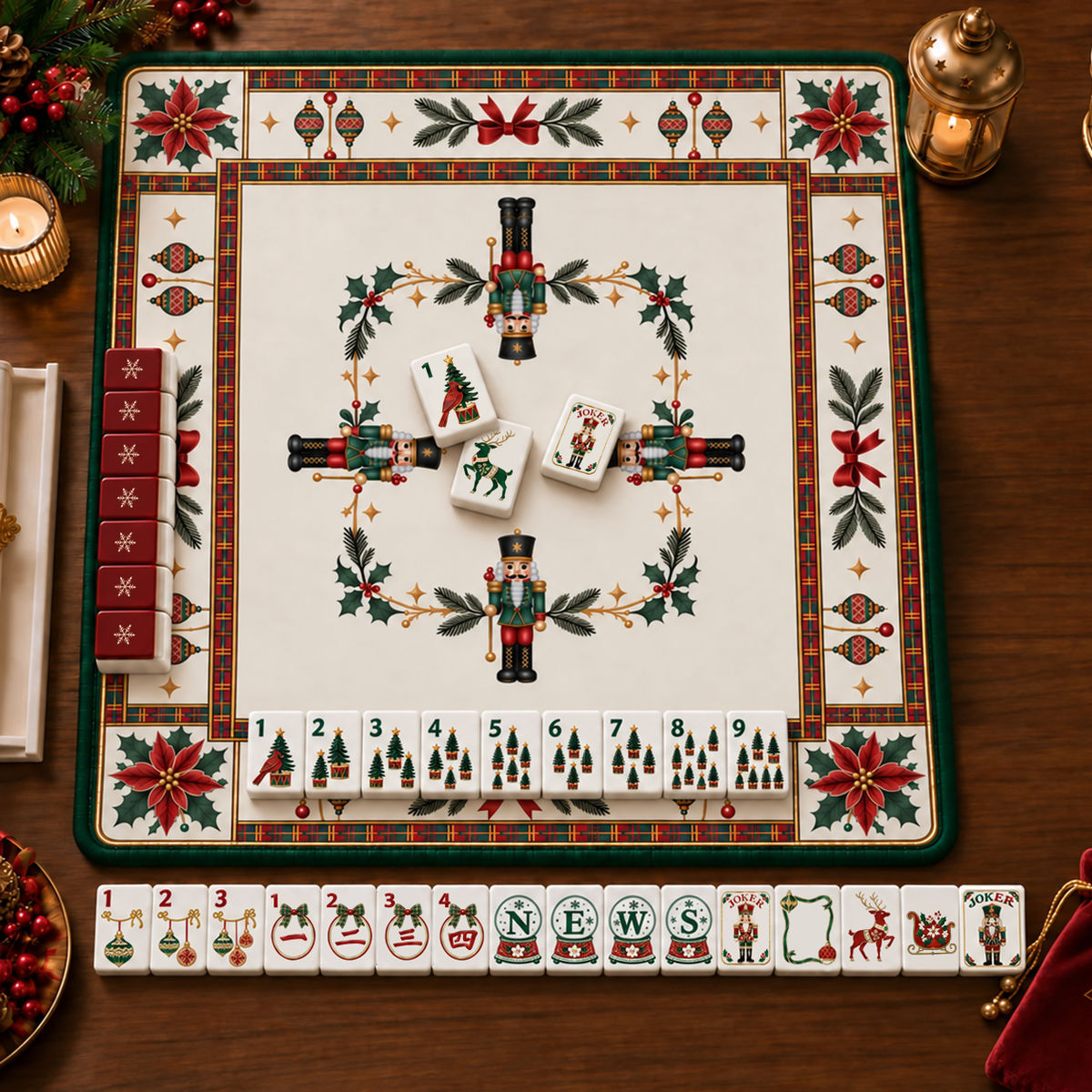
A dedicated mahjong table or mat isn't essential—many of us play on dining tables with a mat on top—but it matters if you host weekly games or have joint issues. A mahjong mat solves three real problems: it protects your furniture, gives tiles a soft landing so they don't scatter, and makes shuffling faster because the nap grabs tiles evenly. A permanent table costs more and takes up space year-round. Most players start with a mat, then upgrade to a table cover or dedicated surface only if they play twice a week or more. Mahstead sells felt mats in standard sizes (large enough for four players plus racks) that roll up and store flat—ideal if you have limited space.
What problem does a mat actually solve?
Bare tables and mahjong don't mix. Tiles slide, bounce, and end up on the floor after the first wall crash. A mat with nap (raised texture) stops that. The felt slows tiles so they land near where you threw them, not three feet away. Your hands also stay quieter—your neighbors downstairs won't hear the clatter at 8 p.m. on a Thursday. If you shuffle on a dining table without protection, the wood gets dinged and stained from spilled drinks. After three months of weekly games, an unprotected table looks like a bar top. A mat also gives you consistent tile feel every time you play; different surfaces create muscle-memory confusion when you travel to other games.
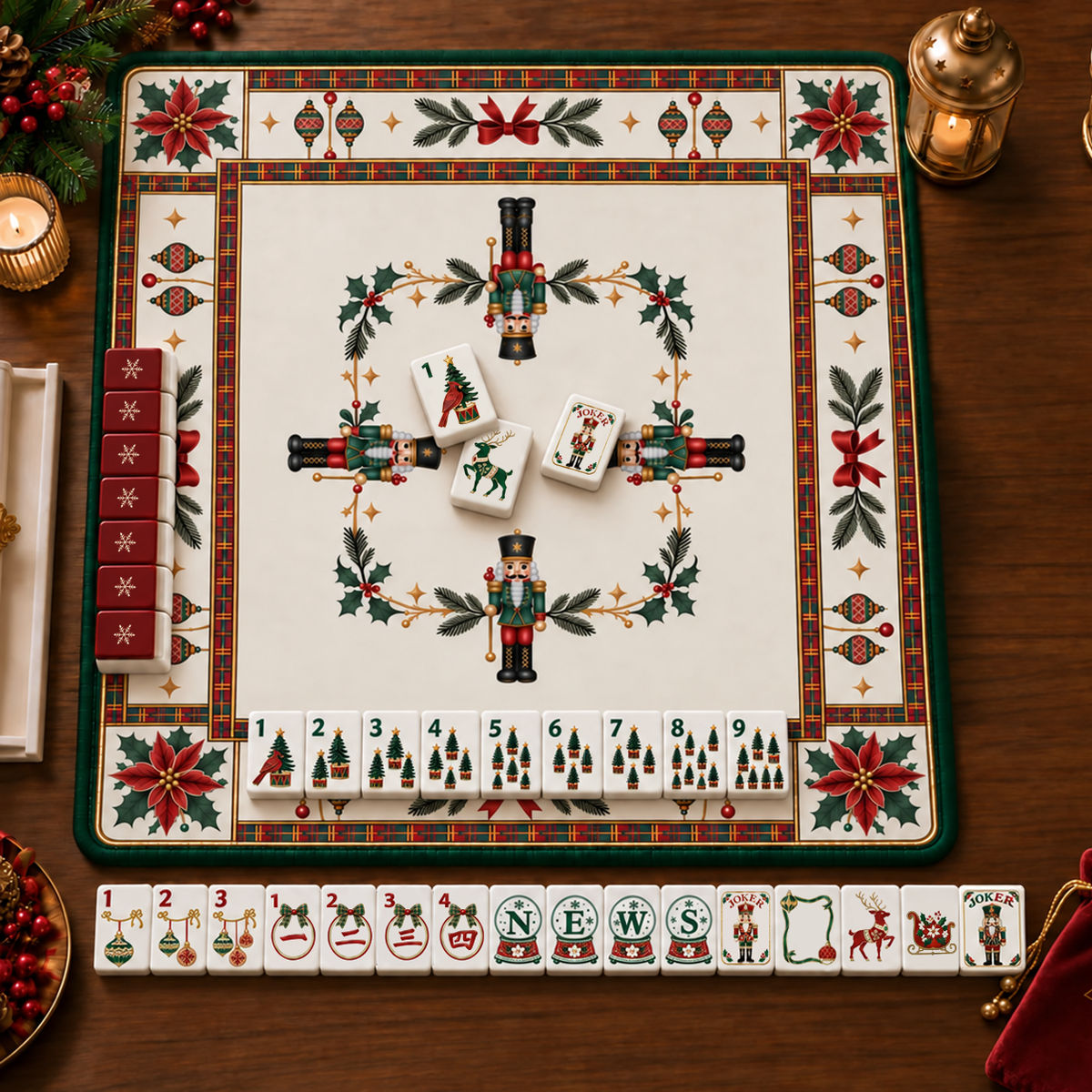
Mat, cover, or permanent table—which do you actually need?
Setup | Best for | Space required | Setup time | Durability |
Mat only | Casual play, 1–2 times/month | Closet shelf | 2 minutes | 3–5 years |
Table cover | Weekly games, owned table | Under bed or hang | 5 minutes | 4–7 years |
Dedicated table | Daily or tournament prep | Permanent corner | Already up | 10+ years |
Most of us in weekly games use a mat rolled and stored after each session. If you own your table (not renting), a fitted cover protects the whole surface and doesn't shift during play. A dedicated mahjong table makes sense only if you have the budget, dedicated space, and play at least three times a week. Tournament players and serious collectors often own one—the weight and stability are unmatched. For everyone else, a quality mat gives you 90% of the benefit at a fraction of the cost and hassle.
How do you know if you're ready to buy?
Ask yourself three honest questions. First: Am I hosting games at least twice a month? If you play alone or travel to other homes, a mat might sit unused. Second: Do I have storage space? A mat rolls into a cylinder about 18 inches long and takes up a closet shelf. A table cover needs a drawer or to hang in a closet. A table needs a corner of the room. Third: Can I afford to replace it in 3–7 years? Felt wears, edges fray, and naps flatten over time. If you're stretching the budget, start with a mat and upgrade later.
The honest answer: if you play weekly in your home, a mat is non-negotiable. It pays for itself in peace of mind (no furniture damage), speed (faster shuffles), and comfort (less noise, better tile landing). If you play monthly or less, or you always play elsewhere, skip it for now.
🎁 See our most-loved mahjong sets & accessories →
What size and thickness should you choose?
Standard mahjong mats measure roughly 72 inches × 72 inches when laid flat—enough for four players sitting on all sides, plus room for racks with pushers and a discard pile in the center. Some players use smaller mats (48×48 inches) for tighter spaces or three-player games, but you'll feel crowded if anyone has wide racks. Thickness ranges from thin (1/8 inch) to thick (1/4 inch); thicker mats muffle tile noise better and last longer because the nap has more depth to wear down. They're also heavier, so they don't shift when you shuffle hard. Thin mats are lighter and easier to roll, but they wear faster and don't protect your table as well if tiles are dropped on the edges. We recommend medium thickness (around 3/16 inch) as the sweet spot—firm feel, good durability, easy to store.
Check the mat's edge finish before you buy. Sealed or bound edges last longer than raw edges, which fray after a season. Mahstead's mahjong mats collection includes felt options in neutral colors (black, green, blue) that hide tile dust and don't distract during play.
What mistakes do new mat owners make?
Rolling and storage: Don't fold a mat like a towel—it creases permanently and never flattens. Roll it nap-side out (felt facing outward), and it'll stay supple for years. Store it in a cool, dry place; humidity and heat make the base backing sticky.
Cleaning: Vacuum gently or brush with a soft clothes brush to lift dust. Never soak it or use harsh cleaners; they degrade the felt and backing. A damp cloth for spills is fine.
Table surface underneath: If your mat sits on a glass or slippery table, it'll slide when you shuffle. Put a non-slip grip mat underneath, or it'll be maddening. We've all had a mat slip mid-wall.
Worn nap: After 2–3 years of weekly play, the felt flattens and tiles start sliding again. That's the sign to replace it. A worn mat doesn't grip anymore, and you've gotten your money's worth anyway.
Not measuring first: Buy a tape measure and check your table dimensions before ordering. A mat that's too small leaves tile stacks on bare wood. A mat that's too large will bunch at the corners.
✨ Find your Mahstead set — free US shipping →
Should you pair a mat with racks and other gear?
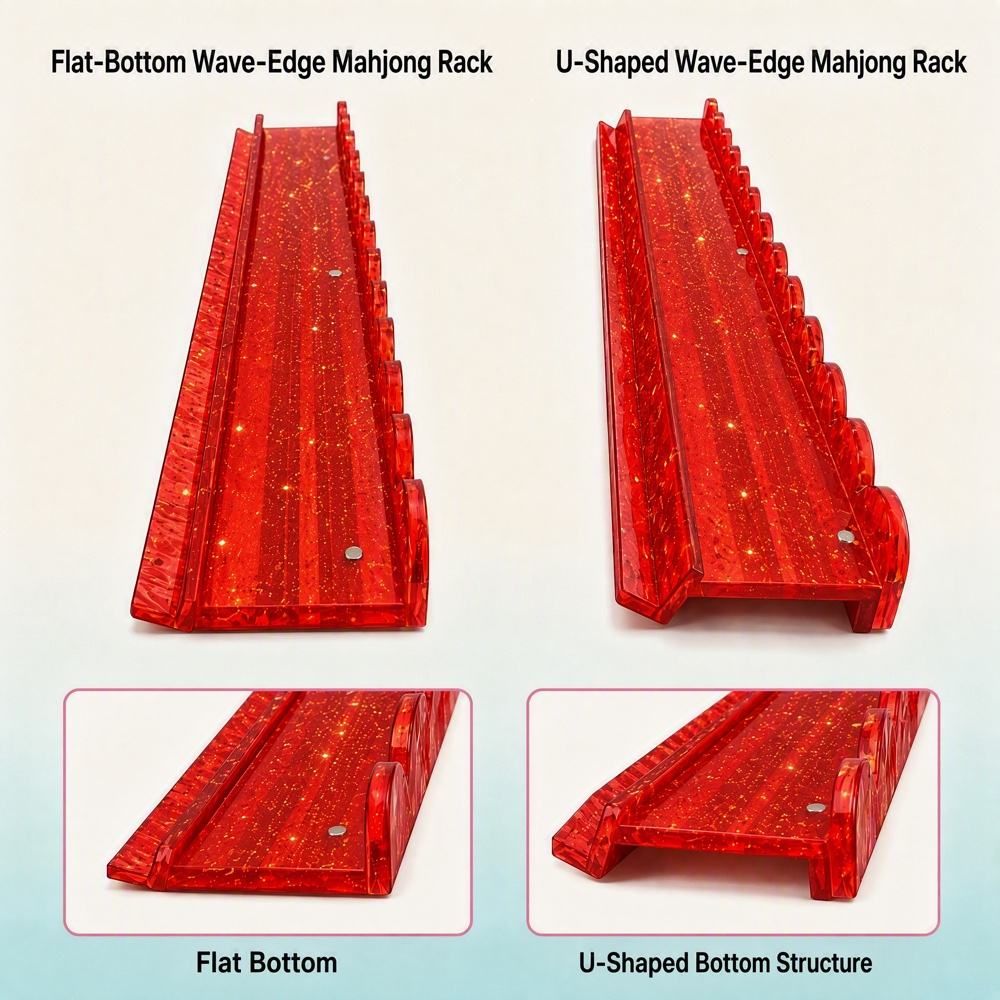
Yes, and here's why. A mat without racks with pushers means your hands get tired holding tiles all game, and your wrist angles invite injury. Racks let you rest tiles upright and angle them for easy picking—that's where real comfort lives. Pair a mat with a set of four racks (one per player), and you've built a complete setup. Add a mahjong bag or case so you can carry your tiles, mat, and racks together—no scattered pieces, no forgotten jokers on game night. If you want a finished look and you host games in a living room, consider a mat with a custom design or your family name engraved on the border. Mahstead offers engraved American mahjong sets with matching mats, so your whole setup feels cohesive.
The real pro move: test a mat at a friend's house before you commit. Borrow one for a game night. You'll know within 15 minutes if the thickness and felt texture feel right for your hands and playing style.
🀄 Shop best-selling mahjong sets →
What to check before you buy
Measure your table (length × width in inches). Confirm the mat will fit with at least 2 inches of margin on all sides.
Check nap direction (felt should feel smooth when you run your hand one way, slightly rough the other). Test it so tiles behave as you expect.
Verify edge finish. Sealed or bound edges prevent fraying; raw edges need repair after a season or two.
Feel the thickness. Ask the seller if samples are available. Medium thickness (roughly 3/16 inch) is the industry standard for weekly play.
Ask about grip on your table type (glass, wood, laminate). Some mats slide on certain surfaces; you may need a non-slip base.
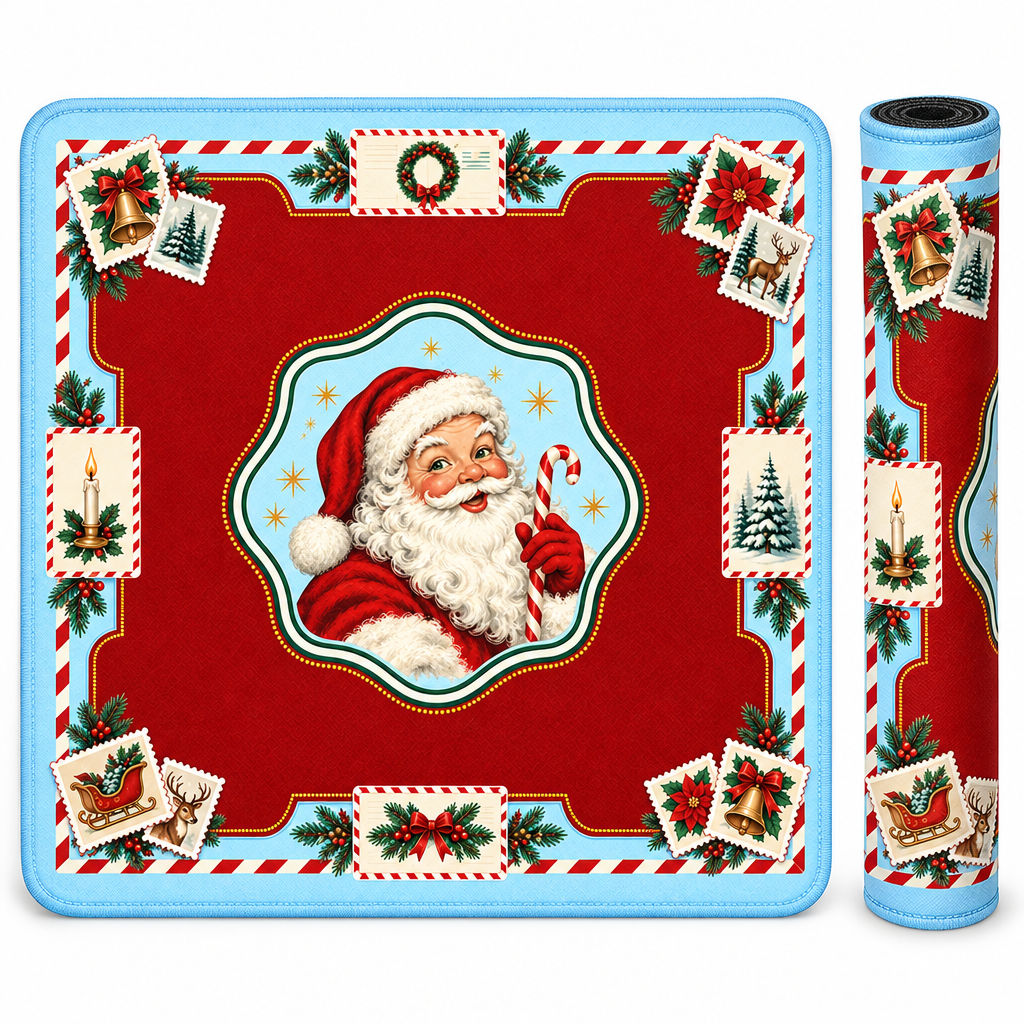
Plan storage space. A rolled mat is roughly 18 inches long and 8 inches in diameter. Make sure you have a closet shelf or under-bed space.
Know the return or warranty policy (if any). Some retailers offer a 30-day trial; others don't. Mahstead provides detailed product descriptions so you know what you're getting before checkout.
FAQ
Do I need a mahjong table if I only play once a month?
No. A mat is overkill if you play monthly. Protect your table with a cheap tablecloth or an old blanket, and invest in a mat only when you host twice a month or more. Storage and cost aren't worth it for occasional games.
Can I use a yoga mat or a cutting board as a substitute?
Not really. Yoga mats are too soft and squishy; tiles sink and don't slide properly. Cutting boards are too small and hard. A felt mahjong mat has the exact nap texture and firmness that 80 years of mahjong engineering perfected. Substitutes feel wrong and wear out faster.
How long does a mahjong mat last?
With weekly play, a mat lasts 3–5 years before the nap flattens and tiles start sliding again. Tournament and daily players see wear in 2–3 years. Light users (once or twice a month) can expect 5–7 years. A damp, dark closet extends life; a hot, sunny room shortens it.
Should I buy a mat or a dedicated table?
Buy a mat first. A dedicated table is a luxury; a mat is a necessity for weekly play. Once you've played weekly for a year and know you'll stick with it, then consider a table if you have the budget and space. Most players never upgrade.
What's the difference between a mahjong mat and a table cover?
A mat is loose and portable; you roll it up after each game. A cover is fitted to a specific table and stays on (some are removable, others permanent). Mats work on any table. Covers are slower to deploy but offer more protection and a polished look if you host often.
Can I wash or dry-clean a mahjong mat?
No. Dry cleaning ruins the backing. Vacuum gently or brush with a soft clothes brush. For spills, dab with a damp cloth and air-dry. Never soak or machine-wash.


View More
View More
View More
