
How to Store Mini Mahjong Sets: Space-Smart Tips
Last updated: Nov 23, 2026
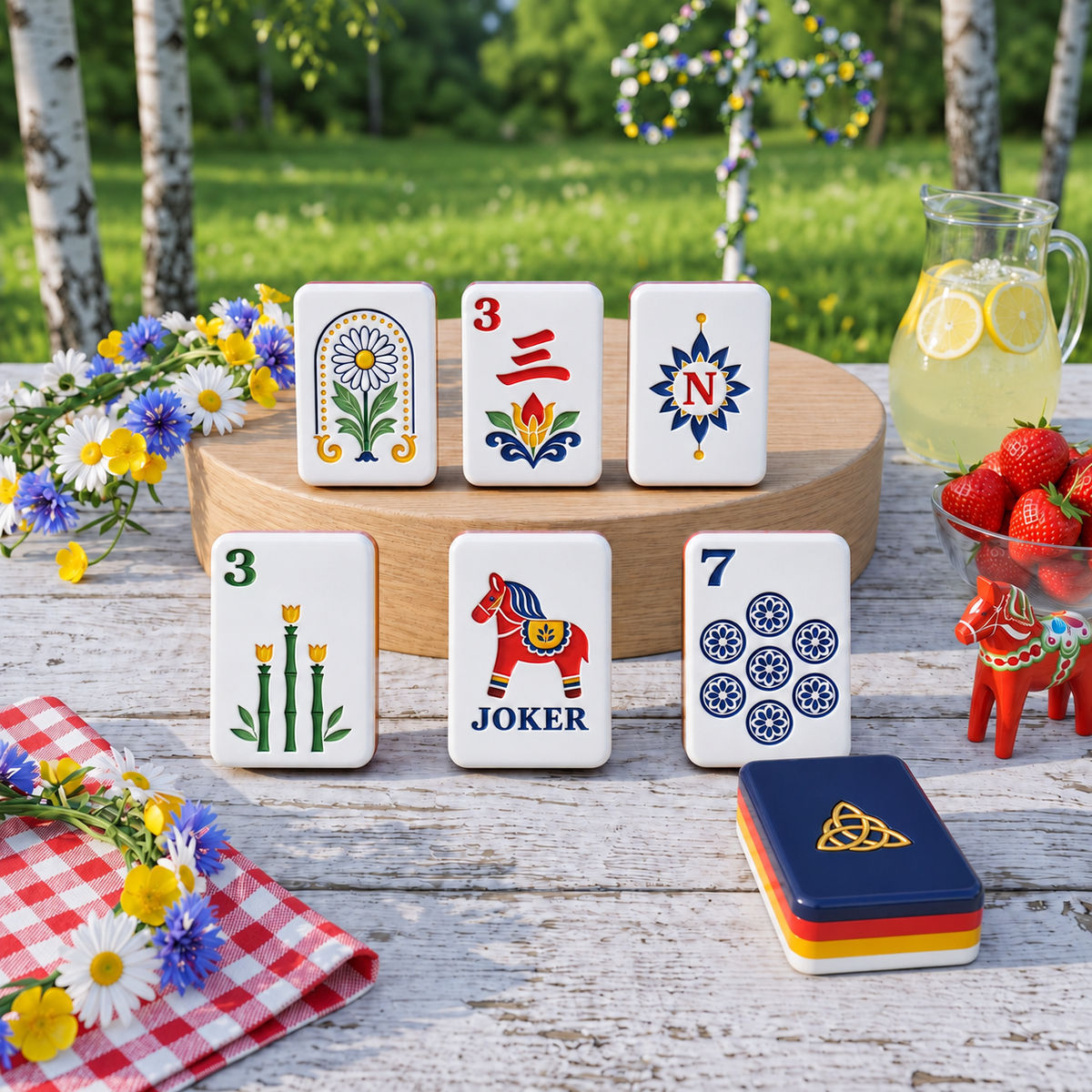
Mini mahjong sets store best in their original cases or rigid boxes kept in cool, dry closets away from direct sunlight and humidity. Place tiles flat or standing upright in compartments so they don't shift; add silica gel packets if your climate is damp. Keep dice, pushers, and mats in separate pouches or drawers so nothing gets lost. Store the set on a shelf or in a cabinet rather than stacked, since acrylic tiles can scratch or crack under weight. Check on your set every few months—especially in humid climates or near bathrooms—to catch any warping or moisture early. Mahstead's travel cases and bags are designed with compartments that double as home storage, letting you keep everything organized and ready to play.
Mini mahjong sets take up less room than full-size tiles, but they still need thoughtful storage to prevent damage. Place tiles flat or standing upright in compartments so they don't shift; add silica gel packets if your climate is damp. Keep dice, pushers, and mats in separate pouches or drawers so nothing gets lost. Store the set on a shelf or in a cabinet rather than stacked, since acrylic tiles can scratch or crack under weight. Check on your set every few months—especially in humid climates or near bathrooms—to catch any warping or moisture early. Mahstead's travel bags and cases are designed with compartments that double as home storage, letting you keep everything organized and ready to play.
Why does humidity ruin mini mahjong tiles?
Acrylic tiles are stable in moderate conditions, but prolonged moisture causes warping and discoloration—especially where jokers meet the frame or where stickers are glued. Damp air also promotes mildew on fabric mats and discolors bamboo-look tiles. Store mini sets in areas with 30–50% relative humidity; avoid basements, attics, and windowsills. A simple silica gel packet or small desiccant box in your case keeps moisture in check for months.

What's the best container for a mini set?
Your original set case is your first choice—it's sized to fit and protect each tile. If you've lost it, a rigid plastic utility box with compartments works well; soft bags alone invite crushing and tile chips. Divided craft boxes, fishing-tackle organizers, or small decorator boxes also work if you pad the interior with foam sheets. Hard cases beat cardboard every time because they won't collapse if something sits on the shelf above. Label your container so you don't confuse mini and full sets during quick storage.
Should you store tiles standing or lying flat?
Flat is safest for acrylic tiles—it distributes weight evenly and prevents stress on the corners where cracks start. If you use a tall, narrow organizer, stand tiles upright in single-layer slots; never stack them two-deep. Separators and foam dividers keep tiles from rubbing and scratching. For mats, roll them gently or fold them once and store flat on a shelf; never leave them creased in a drawer for months, as the crease can become permanent. Dice and pushers go in a small cloth pouch so they don't rattle around.
Storage Method | Best For | Pros | Cons |
Original set case | Any mini set | Fitted, labeled, portable | Bulky if you own multiple sets |
Compartmented plastic box | Collections, travel | Adjustable dividers, stackable | Requires padding and labeling |
Decorative wooden box | Display and storage | Looks nice on a shelf | Less protection; check moisture |
Fishing-tackle organizer | Frequent players | Many small slots, easy access | Overkill for one set; takes up space |
Soft cloth bag alone | Short-term only | Compact, portable | Tiles crack easily if bumped |
How often should you check stored mini sets?
Inspect your set every 3–6 months, especially if you live in a humid climate or near the coast. Look for tile discoloration, warping at the edges, or a musty smell—all signs of moisture. Check that the case latch still closes tightly and that no tiles have shifted and cracked inside. In very humid regions (Gulf Coast, Pacific Northwest), monthly checks prevent surprise damage. Rotate silica packets when they turn color, and open the case briefly to let air circulate.

What room temperature and location work best?
Store mini sets in cool rooms (65–75°F) away from radiators, heating vents, and AC outlets that create temperature swings. Bedside tables and bedroom closets are ideal; kitchens and bathrooms are worst because steam and condensation gather there. Avoid direct sunlight—it fades decorative engravings and can warp acrylic over time. A hall closet or linen cabinet is perfect. If you live in a cold climate, don't store sets in unheated garages or sheds; freezing and thawing cycles cause cracking.
🀄 Shop best-selling mahjong sets →
What should you do if your mini set gets damp or moldy?
Act quickly. Remove the case from the damp area and open it fully in a warm, dry room (not direct sunlight). Wipe each tile with a soft, dry cloth and stand them upright with space between them to air-dry for 24–48 hours. Place several silica packets around the tiles. Do not use a hair dryer—heat can warp acrylic. Once dry, store in a sealed case with fresh silica packets. If mildew has already grown on cloth mats, air-dry them outdoors in shade and sunlight, then seal in a case with desiccant before storing. For long-term storage, consider a small dry bag with a built-in humidity indicator.
Comparing storage solutions: a quick checklist
Before you buy or organize:
Measure your mini set (most fit in a box 8–10 inches wide)
Count your tiles, mats, and accessories to see what volume you need
Check your climate (humid or dry) to decide on desiccant
Choose a permanent storage location away from water, heat, and light
Pick a container that closes fully—open shelves expose tiles to dust and air swings
Label everything if you own more than one set
Test the fit with a few tiles before filling the entire case
Our pick: For versatile storage that travels too, our travel bags and cases feature divided compartments and handles that let you move sets safely between rooms or to game nights without re-packing.
Mini sets also benefit from the same care as full-size ones—just with tighter space management. If you're building a collection of multiple mini sets or mixing mini tiles with accessories like mats and racks, invest in a labeled storage cart or shallow shelving unit so you can see everything at a glance. Many home organizers find that a small rolling cart with drawers works brilliantly for sets they play weekly; sets they play monthly can live in a closet case.
For players who want engraved mini sets—custom tiles with names, dates, or jokes etched in—storage is even more important because you've invested in something irreplaceable. Keep engraved sets in their cases indoors year-round and check them quarterly.
✨ Find your Mahstead set — free US shipping →
What to check before you buy a storage container
Seal: Does the lid close tight to keep moisture and dust out?
Fit: Will your mini tiles, mat, and dice all fit without crushing?
Dividers: Are compartments adjustable or padded so tiles don't rattle?
Portability: Can you carry it comfortably if you take your set to a friend's house?
Durability: Is the material plastic, wood, or fabric—and will it last years of use?
Labeling: Can you write on it or add a sticker to identify the contents?
Most players at our tables use either their original case or a small hard plastic organizer, and both work beautifully. The key is consistency—pick one container and keep it in the same dry, cool spot. That way, you always know where your set is and you avoid the scramble to find tiles before game night.
Browse our best-selling mahjong sets and accessories to find the right case or bag for your mini set, and we ship free across the US.
🎁 See our most-loved mahjong sets & accessories →

FAQ
Can I store a mini mahjong set in a plastic bag?
Not long-term. Plastic bags trap moisture, allow tiles to shift and crack, and offer no protection if something falls on the shelf. Use a rigid case with compartments or at least a cloth pouch inside a hard box.
How long can a mini mahjong set sit in storage before I need to check it?
In dry climates, 6 months is fine. In humid areas (coastal regions, tropical climates), check every 3 months for signs of warping or discoloration. If you store it near a bathroom or in a basement, inspect every 2 months.
Will silica gel packets turn my tiles sticky?
No. Silica packets absorb moisture from the air inside the case, not from the tiles themselves. When the packet turns from blue (or clear) to pink, it's saturated; replace it with a fresh one. They cost very little and last months.
Should I remove my mat from the storage case if I'm storing the set long-term?
It's fine to leave it in the case if the case is dry. However, if the mat is damp or crumpled, remove it, lay it flat or roll it loosely, and store it separately in a cool, dry drawer. This prevents mildew and creasing.
Can I store a mini mahjong set near a window or in a glass display case?
Avoid direct sunlight—it fades engravings and can warp acrylic tiles over time. A closed glass cabinet in an interior room is okay as long as the room stays cool and dry. Never leave it in a hot, sunny window.
What's the difference between storing a mini set and a full-size set?
Mini sets need the same climate control but take up much less space, so they fit easily in a closet, shelf, or drawer. Full sets require larger cases; many players use dedicated storage bins or furniture. The humidity and temperature rules are identical.
Should I separate my tiles by suit when storing a mini set?
Only if it helps you organize. Most players keep the set as-is in its original case. If you like to sort by color or type (winds, dragons, numbers), use small fabric pouches or divided boxes within your case so nothing gets lost or mixed with other sets.


View More
View More
View More
