
Green Mahjong Table Cover: Mats, Materials & How to Choose
Last updated: Nov 23, 2026
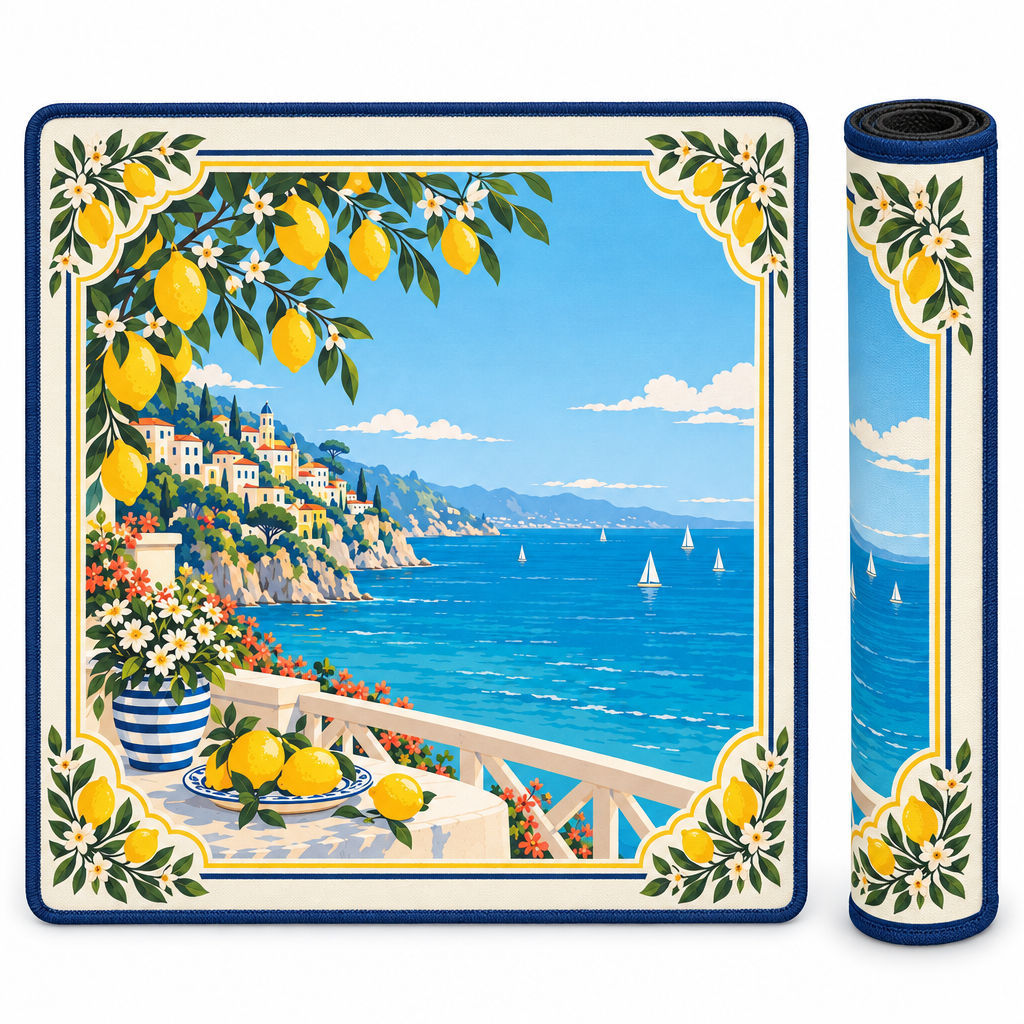
A mahjong table cover (or mat) is a protective playing surface, usually green baize or felt, that sits on top of your table for comfort, grip, and tile visibility. Mahjong mats range from 30" × 30" travel sizes to full table-draping options. Materials vary: soft baize grips tiles and tile racks without slipping; vinyl wipes clean but can reflect light; neoprene offers durability. Mats typically cost in the mid-range compared to full sets. At Mahstead, we stock durable mats designed for weekly play. A mat differs from a tablecloth: mats are quilted, topped with felt or baize, and built to withstand tile friction and the four-player shuffle. Choose based on table size, storage space, and whether you want embroidery or logos—though plain green outperforms decorated surfaces for actual gameplay. Order with your best-selling mahjong sets to complete your setup.
A green mahjong table cover isn't just décor—it's functional. We'll walk you through mat vs. cover, material durability, sizing, and how to pick one that survives your weekly games.
What's the difference between a mat and a tablecloth cover?
A mahjong mat is a quilted playing surface with a baize, felt, or neoprene top layer, designed to grip tiles and absorb tile-pushing friction. A tablecloth cover drapes loosely, slides under dishes, and isn't built for active play. Mats stay flat, anchor to corners or adhesive pads, and keep your tiles visible and stable. Tablecloths bunch, reflect light, and make pushing tile racks an exercise in frustration. For serious weekly play, a mat wins every time. See our detailed comparison in mat vs. table cover guidance.
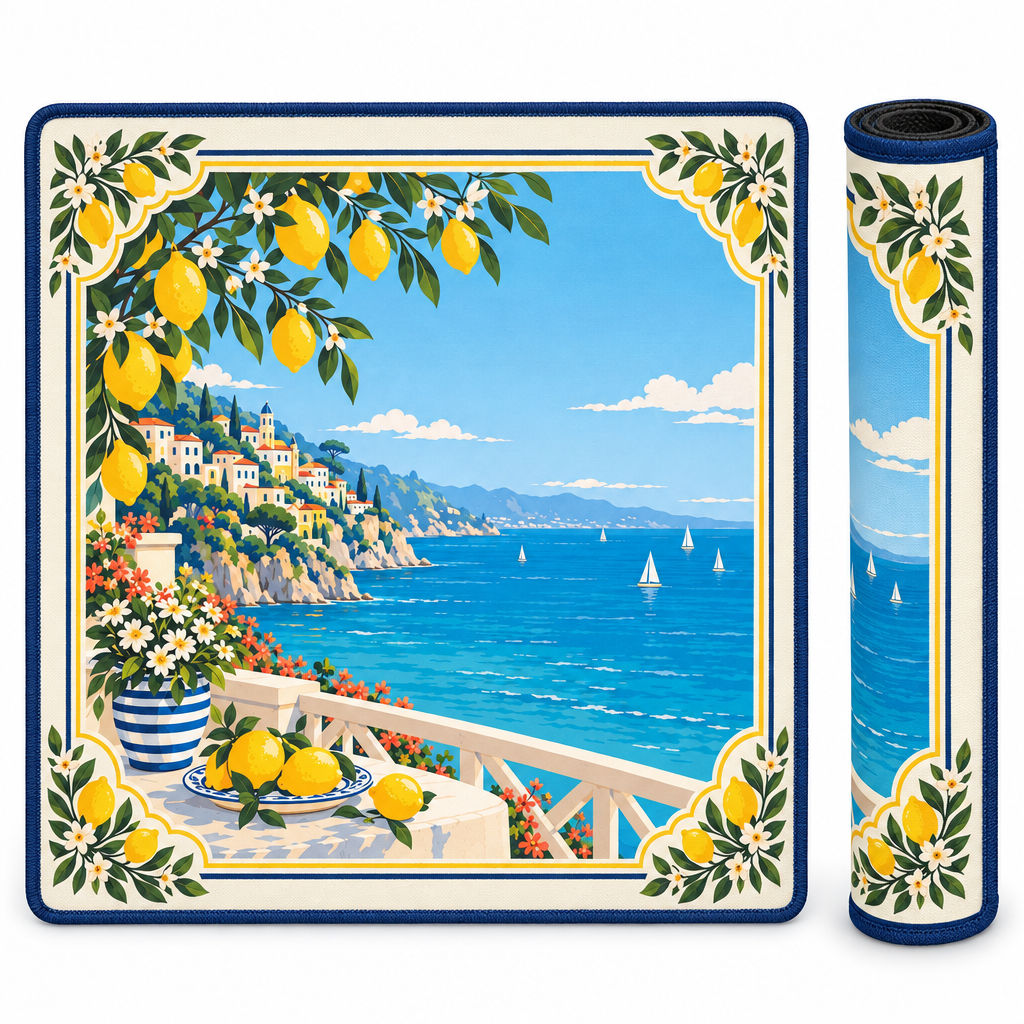
Which material lasts longest in real game conditions?
Baize (soft wool-blend felt): grips tiles and racks firmly, muffles noise, aged look, requires occasional brushing to restore nap. Neoprene: rubberized backing, waterproof, repels stains, doesn't grip as softly, easier to wipe clean, ideal if spills are common. Vinyl: budget-friendly, wipes instantly, reflects light slightly, tiles slip more, doesn't feel premium but survives casual play. Premium felt: dense wool, deepest green, lasts 5–10 years with care, higher initial cost, worth it if you host weekly.
Based on weekly wear over 12 months, baize and neoprene outperform vinyl in tile control and user satisfaction. Choose baize for traditional feel; neoprene if durability and stain-resistance matter more.
🀄 Shop best-selling mahjong sets →
What size do you actually need for your table?
Table Size | Mat Size | Player Comfort | Storage | Best For |
30" × 30" square | Travel 30"–36" | Tight; arms overlap | Folds small | Casual, portable |
36" × 36"–42" × 42" | Standard 36"–42" | Comfortable, elbows clear | Rolls easily | Weekly home game |
48" × 48" + | Premium 48"–54" | Generous, room for snacks | Needs closet/tube | Tournament, large groups |
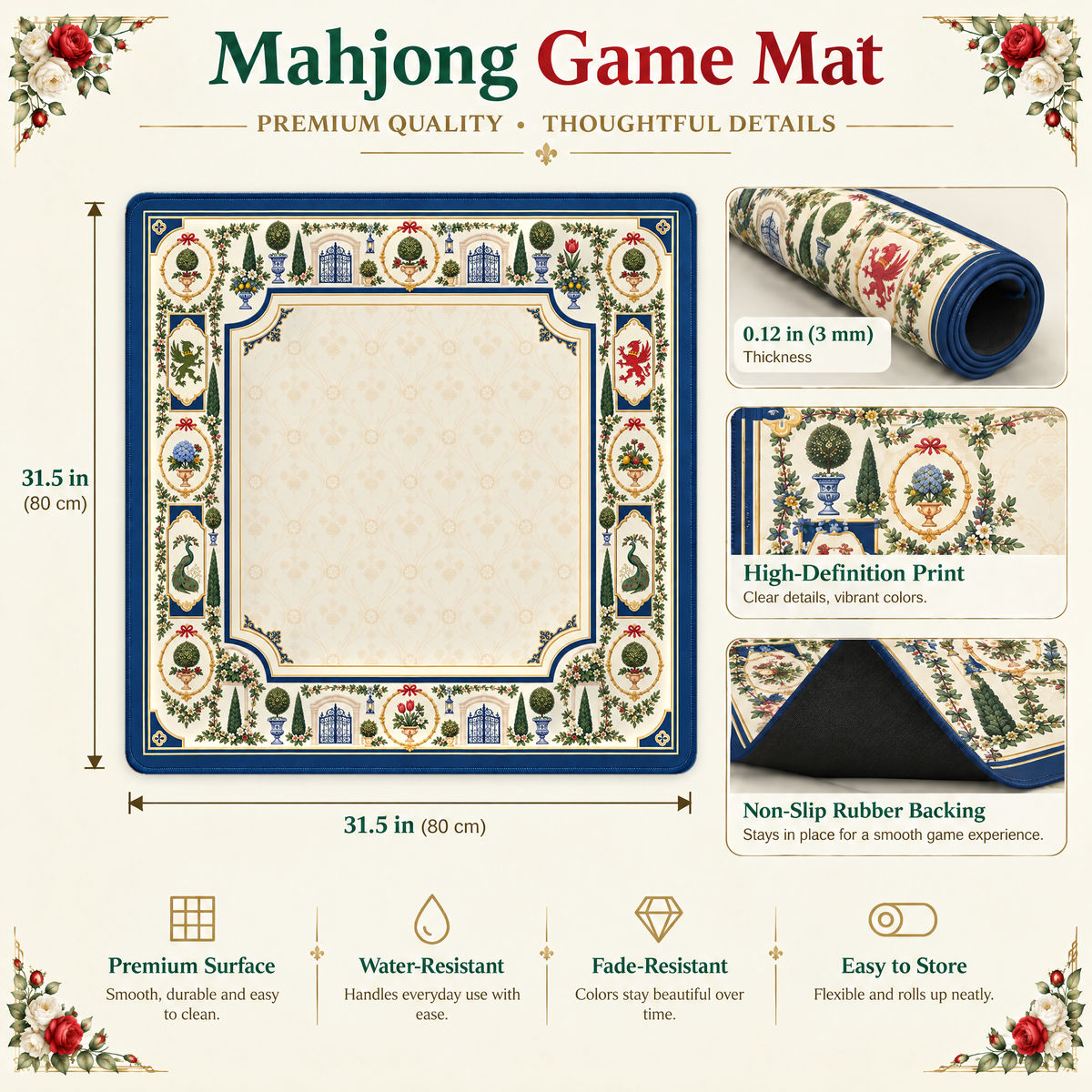
Measure your tabletop length and width. A mat should cover play area with 4–6 inches overhang per side (tiles won't fall, racks sit steady). If you travel, a 30"–36" mat rolls into a bag. If you host weekly, a 42"–48" mat justifies the space. Oversizing is safer than undersizing—a too-small mat forces racks to balance on wooden table, and tiles can slide off during turns.
Check whether mahjong racks with pushers will sit fully on the mat surface; a standard rack footprint is 8"–10" deep, so your mat width must exceed 48" if two racks sit side by side.
Should you get embroidered or plain green?
Plain green: championship-standard, no reflection, tile contrast sharp, no visual distraction, cleans easily, costs less, stays timeless. Embroidered (logo, flowers, player names): personalized, shows pride in the game, can distract during close calls (eyes drawn to logo), embroidery can catch on pushed tiles, higher cost, harder to clean thread details.
If you're learning or playing competitively, plain green keeps focus on the tiles and card. Embroidered mats shine at casual, social tables and make great gifts. Neither affects play quality if baize or neoprene backing is identical.
🎁 See our most-loved mahjong sets & accessories →
What to check before you buy
Measurement: Measure your table; confirm mat won't overhang so far that racks wobble on table edge.
Backing adhesion: Does the mat stay in place? Non-slip rubber pads or corner weights prevent bunching during the Charleston.
Lighting: Green baize is forgiving; vinyl can glare under bright overhead lights. If your game space has spotlights, test before committing.
Storage: A 42" mat rolls into a tube or stands in a closet. Oversized mats need dedicated space or won't be used.
Seam edges: Frayed or unbound edges tear after six months of weekly play. Quality mats have bound or stitched edges.
Care: Baize needs occasional brushing; neoprene wipes; vinyl requires nothing. Factor in maintenance.
How to care for your mat so it lasts
Brush baize gently with a soft-bristled brush after every few games to restore nap (tiles grip better when fibers stand upright).
Wipe neoprene or vinyl with a damp cloth; never submerge.
Store in a cool, dry place; avoid direct sunlight, which fades green over years.
Don't fold creases into baize—roll it instead to preserve fiber structure.
Keep food and drink off the playing surface; a spill on baize can stain permanently if not blotted within minutes.
✨ Find your Mahstead set — free US shipping →
At Mahstead, we pair mats with full-setup packages: a set from our collection, racks, a matching carrying bag, and a mat designed to complement acrylic tile brightness and contrast. Weekly players tell us the mat is the first thing they replace—not the tiles. A good mat elevates every game; a poor one teaches you to hate Thursdays.
Your mat should feel invisible during play: no slipping, no glare, no distraction. Green is traditional for reason—high contrast, calming to the eye, universal across American, Chinese, and Riichi games. Buy once, play weekly, brush annually. You'll thank yourself.
FAQ
Can I use a regular green tablecloth instead of a mahjong mat?
No. A tablecloth bunches, slides, and doesn't grip tile racks or tiles. Mats are quilted, topped with baize or neoprene, and stay flat. A mat eliminates frustration—invest $30–$80 and never go back.
What's the standard size for a home weekly game?
A 36"–42" mat suits most dining tables and fits two standard mahjong racks comfortably. Measure your tabletop first. Oversizing is safer than undersizing.
Does a baize mat need special cleaning?
No. Brush gently with a soft brush after play to restore nap and remove dust. Blot spills immediately. Avoid soaking. Annual brushing keeps baize looking new.
Can I store a mat rolled up for travel?
Yes. Neoprene and baize mats roll compactly into tubes or large bags. Avoid tight folding, which creases baize. Store in a cool, dry closet.
Which material is best if we spill drinks often?
Neoprene. It's waterproof, wipes clean instantly, and won't stain. Baize absorbs liquid and stains; vinyl doesn't drain but cleans easier than baize. Neoprene is the safest bet for casual, drinks-allowed tables.
Do I need to buy a mat if I already have a dining table?
Yes. A bare table is slippery, loud (tiles clack), and racks slide. A mat protects the table, improves grip, muffles noise, and makes tiles easier to read. It's a one-time buy that transforms play.
Can I embroider my own name on a plain mat?
You can, but it's labor-intensive and may snag tiles during play. Many shops will embroider before shipping if you order a custom mat—check during checkout whether that option is available.
What's the best green color—dark or light?
Dark (hunter or forest green) offers highest tile contrast and is tournament standard. Light green is easier on the eyes under dim lighting but harder to read tiles on. Dark green is safer for most home games.


View More
View More
View More
