
Cute Mahjong Table: How to Pick Mats & Covers
Last updated: Nov 23, 2026
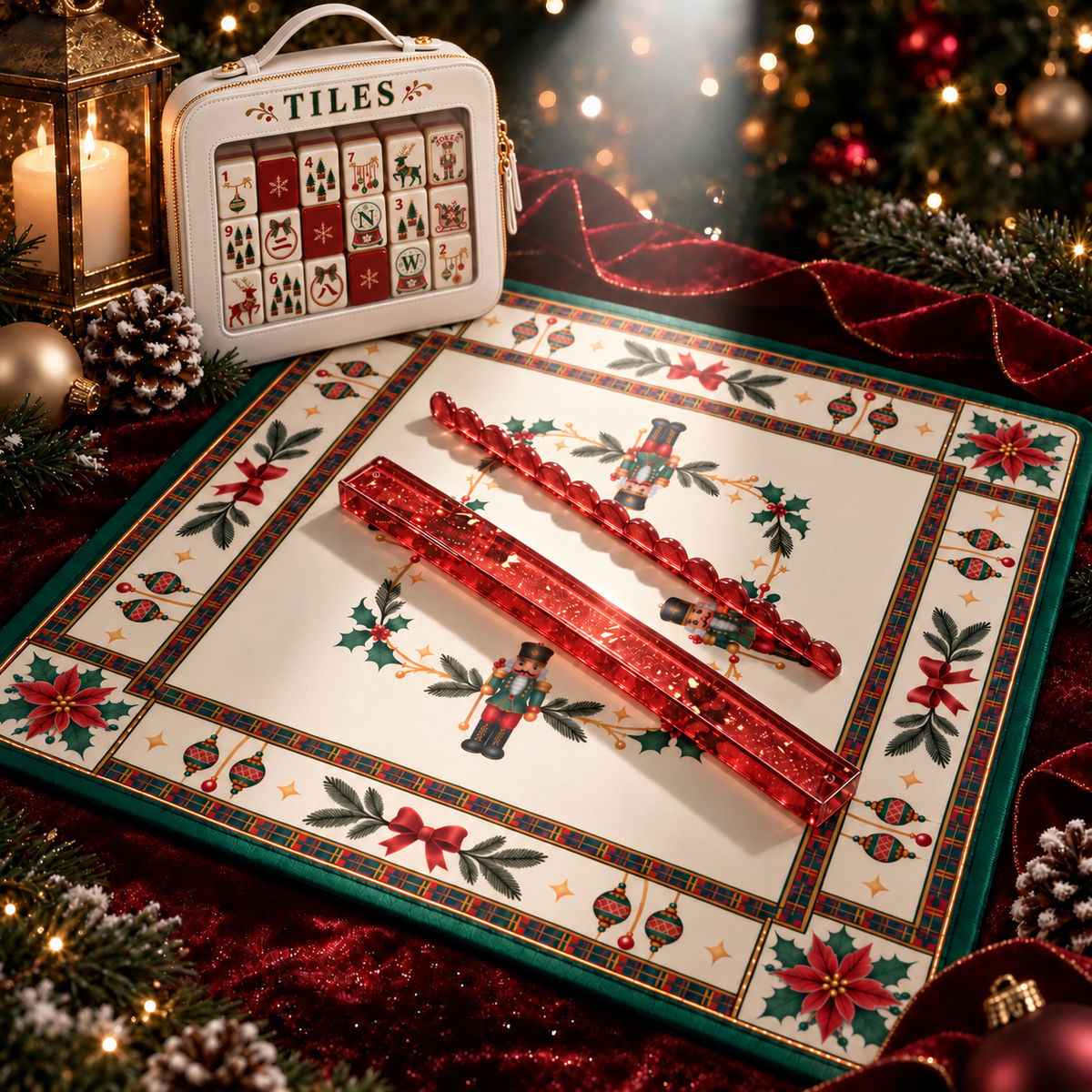
A cute mahjong table isn't about the furniture—it's about what goes on it. A mahjong mat is a padded, felt or rubber surface sized for four players, usually 27–36 inches square, that protects your tiles and table while letting you see your hand clearly. Some players use table covers instead, which drape over an existing table. Mats come in solid colors, plaids, or with printed designs (bamboo, chrysanthemum, humor). A quality mat costs less than a full set replacement and lasts years if stored flat. Avoid thin vinyl—it slides on polished wood and tears easily. The mat you choose depends on your table size, whether you want style or pure function, and how often you travel with your game.
A cute mahjong table starts with the right mat or cover. We break down how to choose one that matches your space, protects your tiles, and keeps the vibe light.
What makes a mahjong mat cute, not just practical?
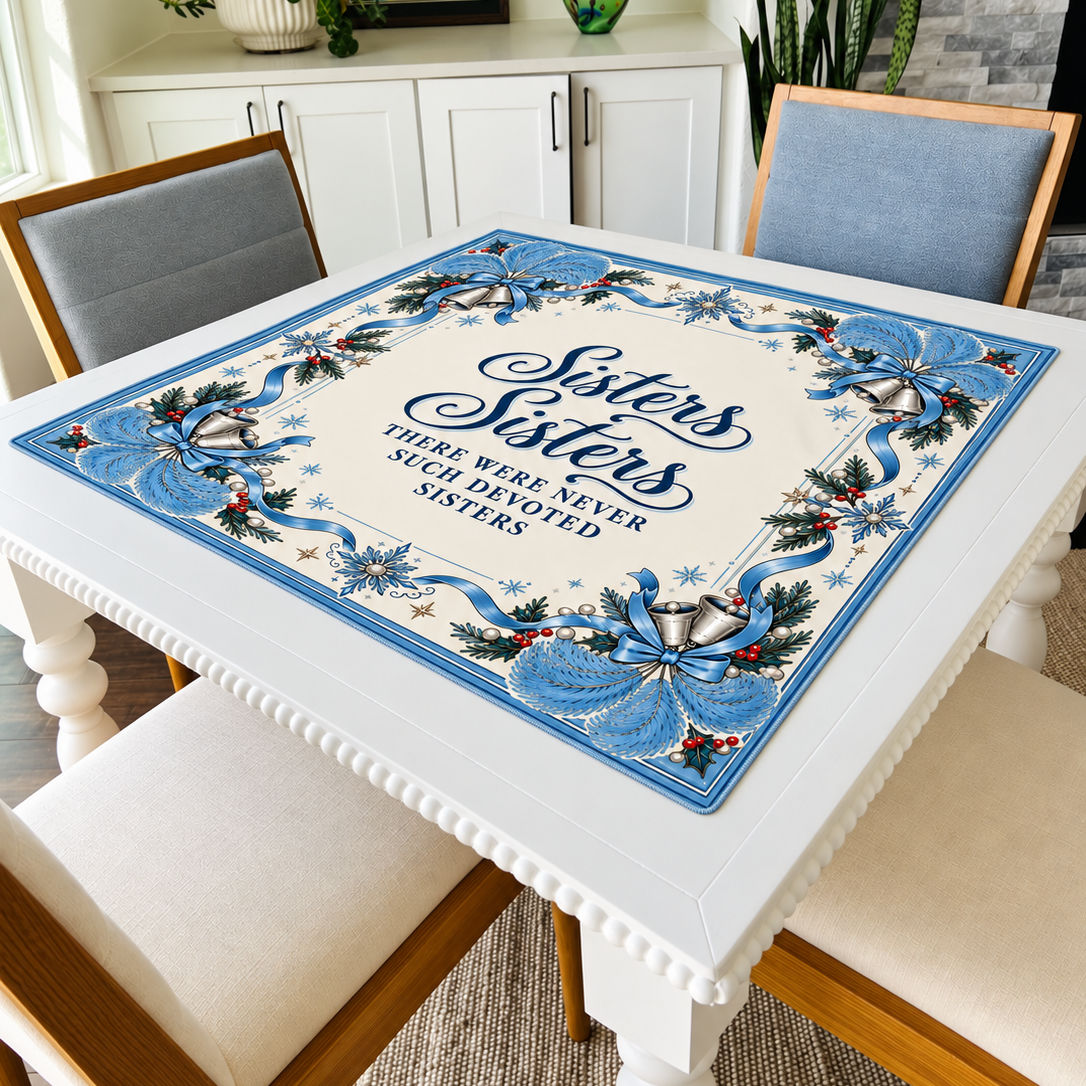
Cute is personal. For some of us, cute means a tasteful plaid or solid jewel tone that looks like part of the furniture even when the game's over. For others, it's a playful design—bamboo shoots, flowers, or a witty saying printed on the felt. The key: a mat that invites people to the table and keeps your tiles safe. Avoid neon or thin plastic; they cheapen the whole experience and peel or wrinkle fast. A well-made mat in a color or pattern you actually enjoy means you'll leave it out proudly between games, not shove it in a closet. That's when a table becomes part of your home's vibe, not a chore to set up and hide.
🀄 Shop best-selling mahjong sets →
How do I choose between a mat and a table cover?
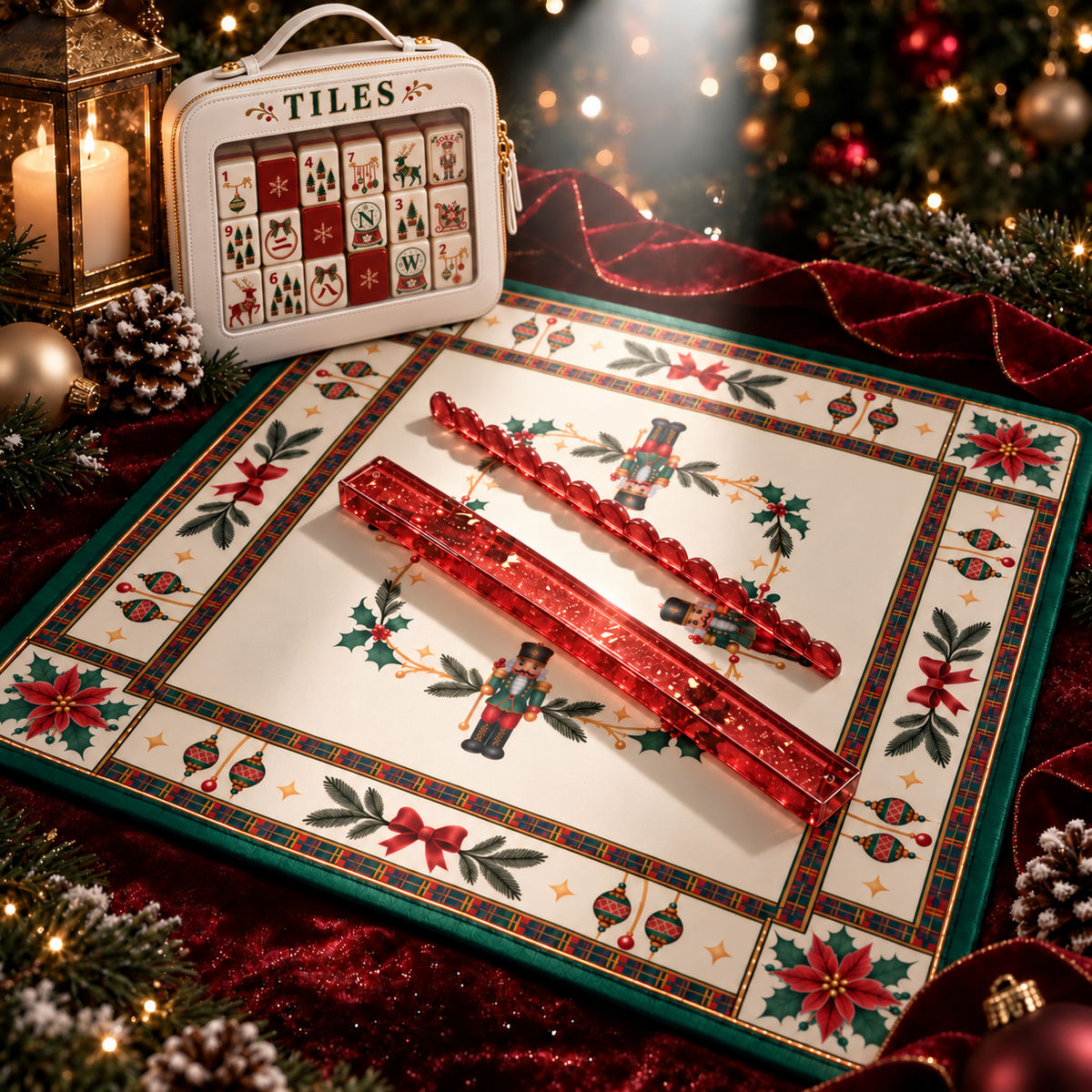
A mat sits flat on your table and stays in place via weight and grip. A table cover drapes over the edges and ties or clips underneath. Mats work best if you have a dedicated game table or one with a flat, stable top. They're easy to clean, fold, and store. Table covers suit those who share a dining or work table and need to protect it from spills and tile wear. Covers take longer to set up but don't slide around. If your table is uneven or you move games between rooms often, a mat is kinder to your setup. For a permanent game space, a mat looks sleeker and feels more intentional. Our guide compares both in detail; the choice depends on your space and habits, not just cuteness.
What sizes and materials work best for home games?
Most home mats are 27–36 inches square, fitting a standard four-person table. Larger mats (40+ inches) work if you have extra space or like a roomy feel. Material matters. Soft felt with a rubber backing grips tiles and feels pleasant under your hands—it's the industry standard. Some mats use a nylon or polyester weave, which is durable but can feel thin if poorly made. Rubber or neoprene backing prevents sliding on wood or glass. Avoid all-vinyl; it's cheap and wrinkles permanently. If you spill tea or wine (and let's be honest, who hasn't), a felt mat is easier to blot and air-dry than a porous weave. Thicker backing (½ inch or more) cushions tiles so they don't clatter and feel safer if you bump the table during play. Check product details for weight and backing depth—good mats are usually 2–4 pounds and feel substantial when you unfold them.
🎁 See our most-loved mahjong sets & accessories →
Which cute designs actually work at the table, and which are just for show?
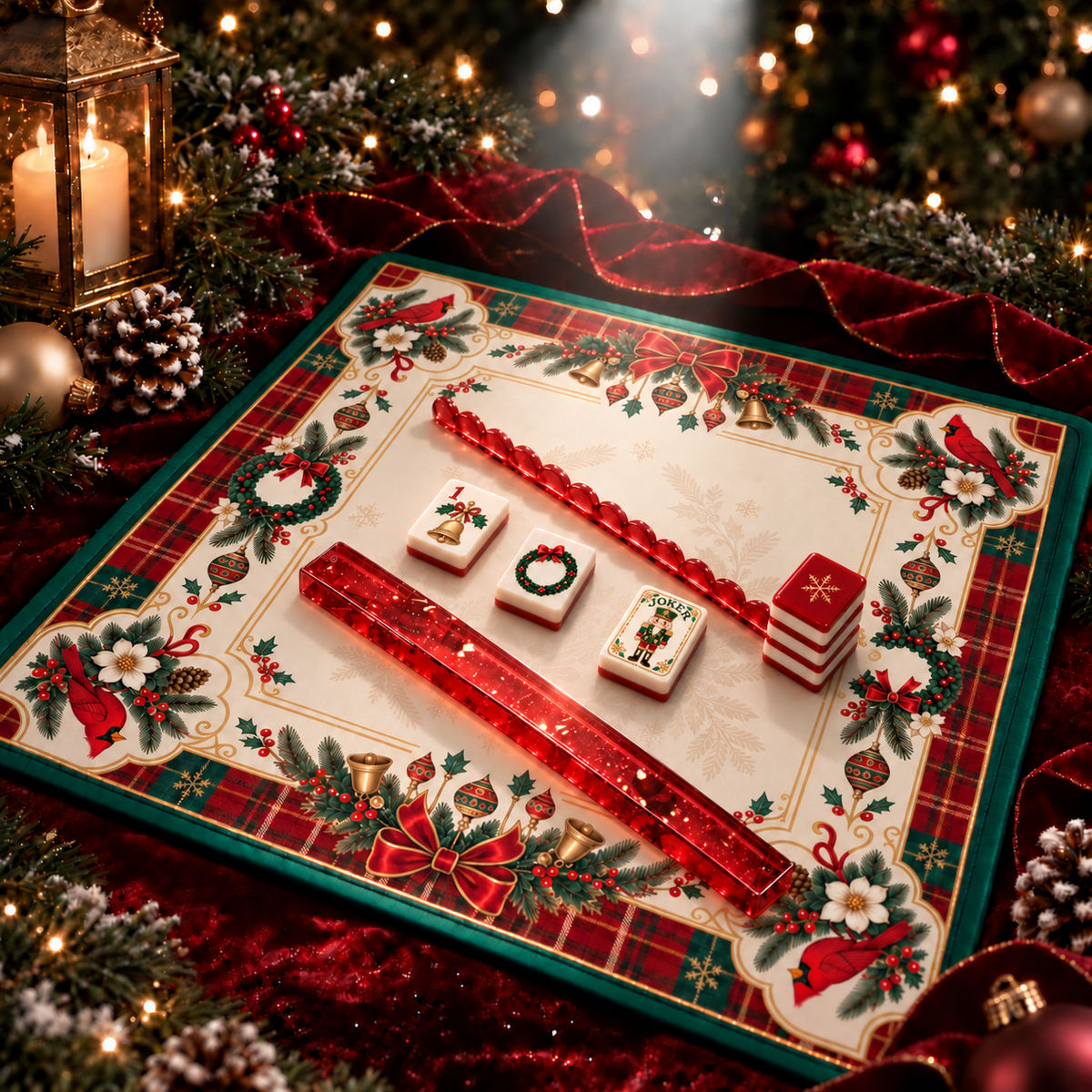
Printed designs must have high contrast with the tiles so you can read the board clearly. Busy patterns or dark backgrounds can make it hard to spot your hand or see discards. Our mahjong mat collection includes solid colors, subtle plaids, and designs that stay out of your way—think monochrome bamboo or classic florals rather than rainbow chaos. Light colors show dust; dark colors hide it but can reflect glare. Mid-tone solids (charcoal, navy, olive) are the sweet spot: clean look, easy to see tiles, forgiving to maintain. If you love a cute pattern, choose one with enough white or light space so the tiles read clearly. Test a mat in your actual lighting before ordering if you can; what looks adorable in a photo might strain your eyes during a three-hour game.
Can I make my table cute and keep it protected for travel?
Yes. A mat isn't just for the table—it rolls up and packs into a travel bag or case for club games or visits. Look for a mat that folds or rolls small without creasing permanently. Thinner mats (¼ to ⅜ inch) pack easier than thick ones, though thick feels better during play. If you travel often, pair a medium-weight mat with a padded bag. Mats don't scratch easily, so rolling them alongside your tiles and racks with pushers is safe. A cute mat that doubles as travel gear means you're not buying two things—the design and the function work together. Store mats flat in a cool, dry place; rolled mats stored vertically can hold a crease. A mat you love makes every game feel intentional, whether you're at home or hosting a weekend tournament across town.
Use case | Mat or cover? | Best size | Material pick | Why it works |
Permanent home table | Mat | 30–36 inches | Felt + rubber backing | Looks polished, easy cleanup |
Shared dining table | Cover | 36–42 inches | Felt with ties | Drapes neat, protects from spills |
Frequent travel | Mat | 27–30 inches | Thin felt, ½-inch backing | Packs small, rolls tight |
Outdoor/patio games | Cover | 36+ inches | Heavy neoprene | Resists UV, grips uneven surfaces |
Cute/statement design | Mat | Per your table | Felt with printed pattern | Shows off style, functional |
✨ Find your Mahstead set — free US shipping →
What to check before you buy
Size: Measure your table and add 2–4 inches on each side. A mat too small bunches; one too large hangs off awkwardly. Backing: Look for rubber or neoprene, not felt-only (it slides). Thickness: ⅜ to ½ inch balances portability and comfort. Design contrast: Ensure printed patterns don't blend with your tiles or lighting. Seams: Check that edges are stitched, not glued—glued seams peel. Care: Ask if it's machine-washable or spot-only. A mat you love and can actually keep clean stays cute for years.
Should I match my mat to my mahjong set?
Not required, but it's nice. If you own engraved sets or sets in a specific color story (greens, reds, golds), a mat in a complementary shade ties the whole table together. A warm-toned wooden table + gold or rust mahjong set looks cohesive with a cream or sage mat. Cool-toned tiles (silver, blue, white) pair well with charcoal, navy, or plaid. Solid mats are most versatile; they don't clash with any set. If you own multiple sets, one neutral mat (gray, black, cream) works for all of them. This is where cute meets smart: a mat that complements your favorite set and works with others gives you flexibility without extra cost.
FAQ
What's the difference between a mahjong mat and a regular tablecloth?
A mahjong mat is sized, backed with grip material, and cushioned to protect tiles and keep them from sliding. Tablecloths are larger, draped, and made for food service, not tile games. Mats stay in place and won't bunch under tile weight. A proper mat is a game-specific tool, not décor.
Can I wash a mahjong mat at home?
Most felt mats can be spot-cleaned with cool water and mild soap. Check the product details first—some are hand-wash only. Avoid hot water and dryers, which can shrink felt or damage backing. Air-dry flat. Heavy stains on felt are stubborn; prevention (no eating directly over the mat) is easier than cure.
How long does a mahjong mat last?
With normal use (weekly games), a quality mat lasts 5–10 years. Wear shows first on the backing as it thins and may grip less. Felt doesn't wear quickly if you use tile racks and pushers so tiles aren't dragged across the surface. Storage matters: keep it flat, not rolled or crumpled, in a dry place away from direct sunlight.
Do I need a cute mat, or can any mat work?
Any mat that fits your table, has rubber backing, and feels comfortable under your hands works. Cuteness is optional—it's the joy factor. If you host often or leave your setup visible between games, a mat you genuinely like makes the whole ritual feel intentional. If you only play occasionally and want minimal fuss, a plain color is fine.
What size mat do I need for a poker or card table?
Standard mahjong mats are 27–36 inches square, designed for a typical four-person dining or game table. A 36-inch mat works for most poker tables. If your table is larger or oddly shaped, measure the play area first. Many online listings include dimensions; confirm before ordering so the mat doesn't overhang or leave gaps.
Can I use a mouse pad or yoga mat instead of a real mahjong mat?
No. Mouse pads are too small and thin. Yoga mats are spongy, don't grip tiles, and feel wrong under your hands during fast play. A real mahjong mat has the right height, weight, and backing to keep tiles stable and visible. Skimping here makes the game frustrating, not cute.
Should I buy a mat from the same brand as my set?
Not necessary. Mats and sets are separate items made by different suppliers. What matters is that your mat is good quality and your set includes everything you need to play (152 tiles, 8 jokers, and racks). Mixing brands is common and works fine. Focus on finding a mat you love and a set you trust.


View More
View More
View More
