
Coastal Mahjong Mat: Ocean Designs for Table Play
Last updated: Nov 23, 2026
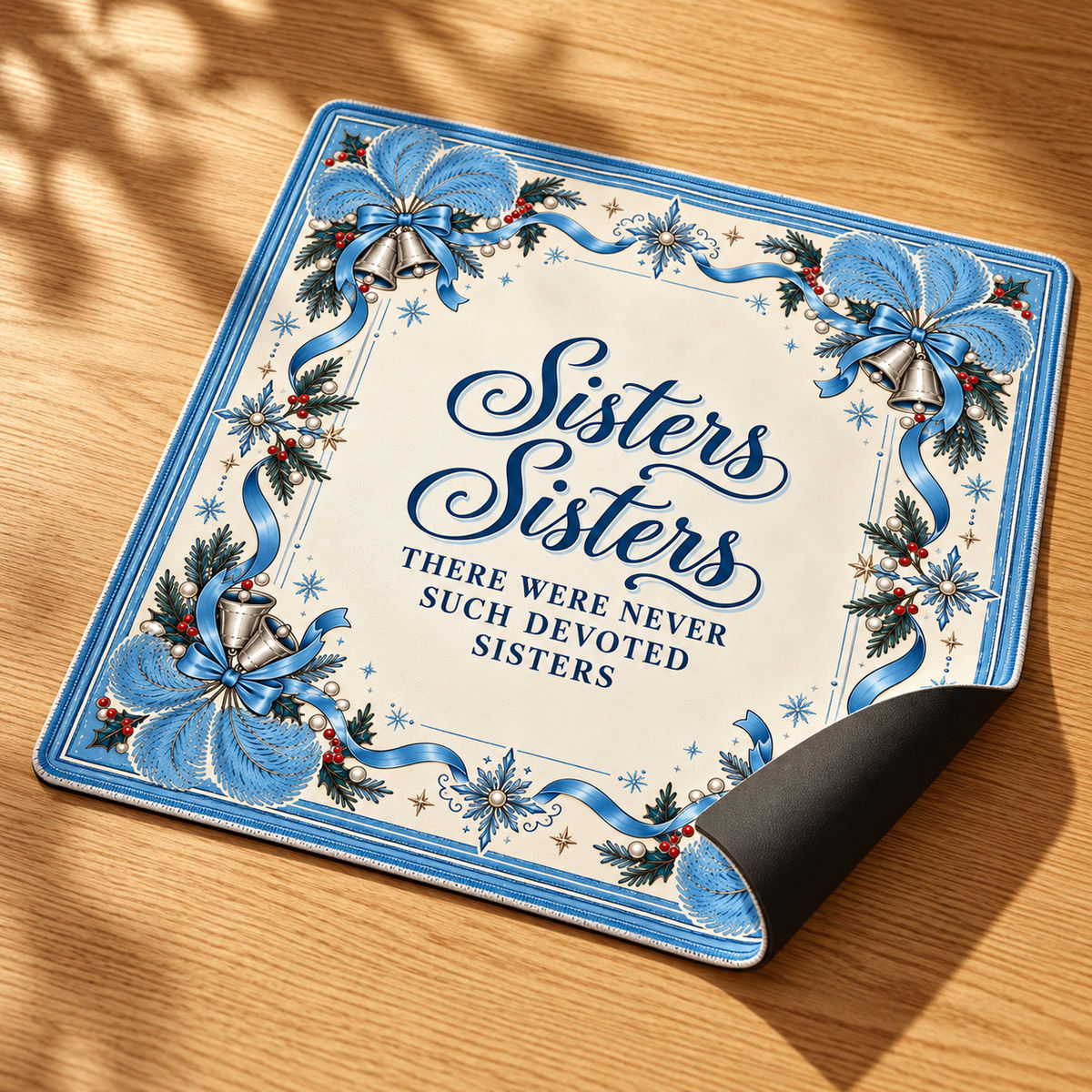
A coastal mahjong mat is a protective playing surface with beach, ocean or nautical imagery—think wave patterns, sailboats, lighthouse motifs or seafoam colors—designed to sit atop any table during American mahjong. Mats typically measure 27–36 inches square and feature a non-slip rubber or felt backing to keep tiles stable during play. The surface is often vinyl or cloth, making cleanup quick after spilled drinks or snacks. These mats cost significantly less than a full tile set and roll up for storage or transport. Mahstead offers coastal designs in our mahjong mats collection alongside other themes; most are compatible with any 152-tile American game. Choose one if you love ocean aesthetics, play near water, or want a mat that sparks conversation at the table.
🀄 Shop best-selling mahjong sets →
Why does a coastal mat suit waterfront players?
If you host weekly games on a porch, boat house, or near a beach, a coastal mat bridges hobby and environment. The ocean theme becomes part of your game ritual, not a distraction. Water-resistant vinyl surfaces handle humidity and salt air better than bare wood tables. A mat also protects your investment in tiles and racks—sand and salt spray corrode metal without a barrier. For players who travel to coastal rentals or vacation homes, a mat stored flat in a bag takes minimal luggage space yet transforms a borrowed table instantly.
What design features set coastal mats apart from generic options?
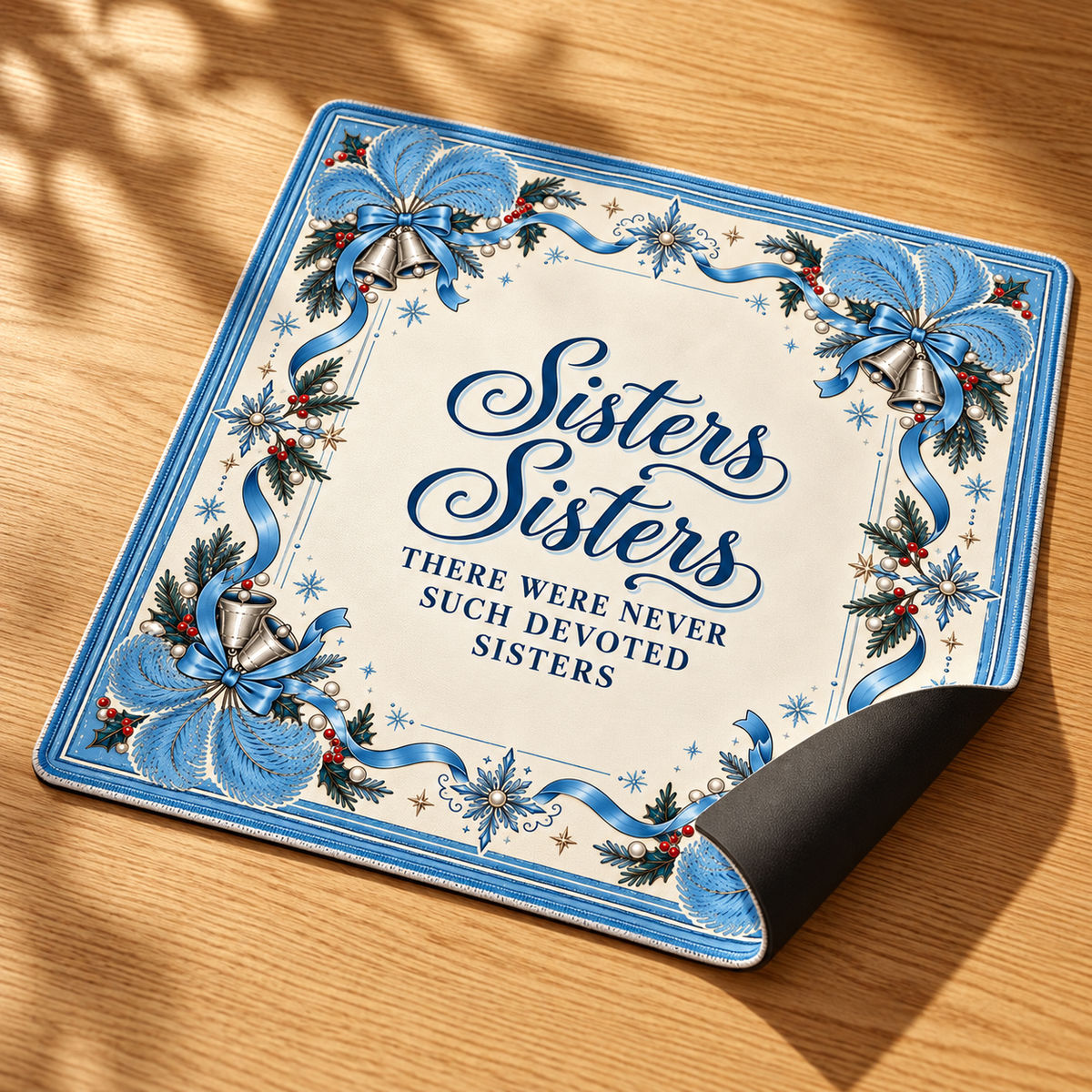
Coastal mats typically feature nautical color palettes: navy, turquoise, seafoam, white and sand tones instead of bright primary colors. Imagery includes lighthouses, anchors, wave crests, ship wheels, shells, or abstract water patterns. The back is always non-slip rubber or felt to grip the table surface; never a slick plastic. Borders are often stitched or heat-sealed to prevent fraying after months of rolling and unrolling. Some mats include printed tile position guides (showing where East, West, North and South sit) to help new players orient themselves. Quality coastal mats feel substantial—not thin or plasticky—and lay flat without curling at the corners.
✨ Find your Mahstead set — free US shipping →
How does a coastal mat compare to a tablecloth or bare table?
Feature | Coastal Mat | Tablecloth | Bare Table |
Grip for tiles | Non-slip backing grips table | Slides easily; tiles shift | No grip; tiles scatter |
Cleanup | Wipe vinyl or brush off debris | Wash entire cloth after spills | Stain wood or glass |
Storage | Rolls tight; portable | Bulky; wrinkles form | Not portable |
Cost basis | Mid-range; reusable for years | Low or high (linen varies) | Free (you own table already) |
Atmosphere | Themed; conversation starter | Plain or generic | Professional or cold |
Durability | 3–5 years with weekly play | Depends on fabric | Infinite if not stained |
A mat is the middle path: cheaper than replacing a damaged table, more functional than a plain cloth, easier to store than a full tablecloth setup.
What size coastal mat do you need for four-player American mahjong?
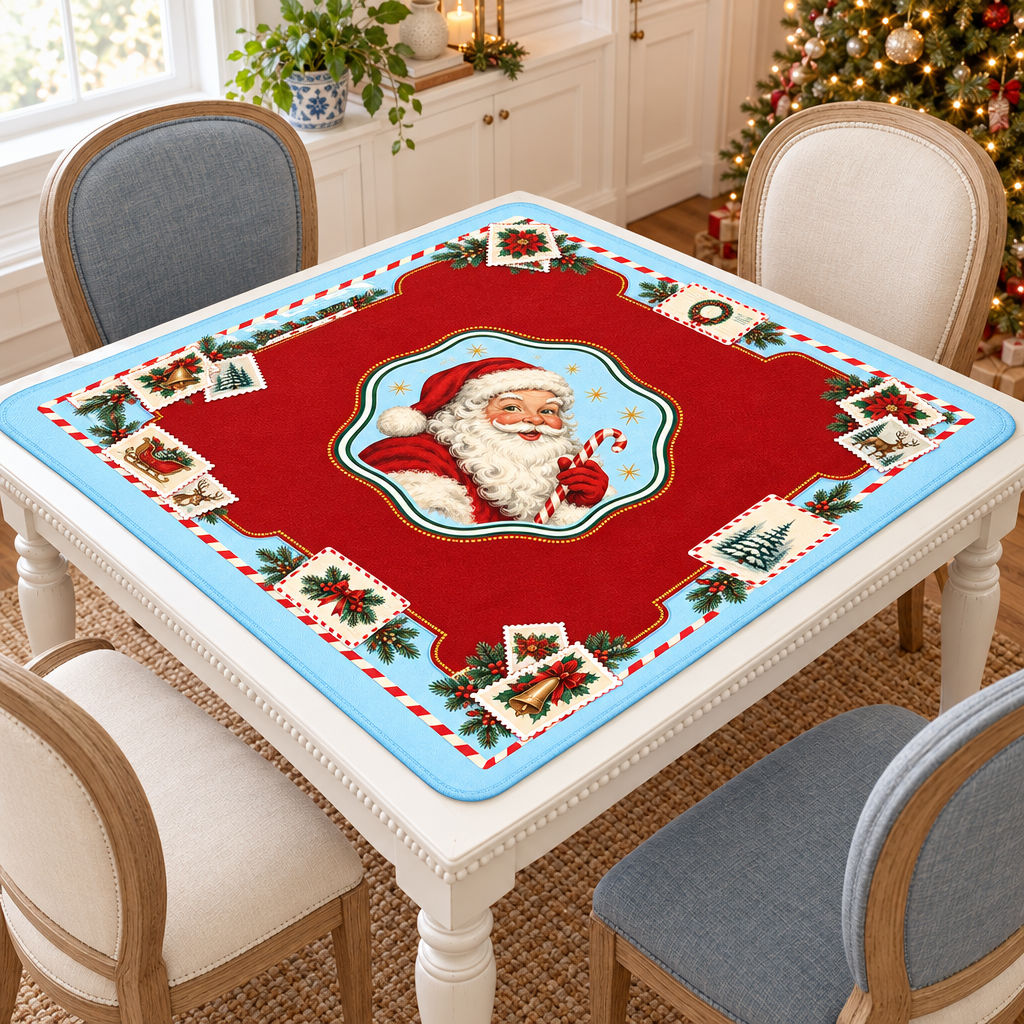
Standard American play seats four (East, West, North, South) around a square or rectangular table. A coastal mat must cover the central playing zone—typically 27–32 inches square for a card table, or 32–36 inches for a dining table. Measure your table width and length, then choose a mat one size smaller (so it doesn't hang off edges and create trip hazards). A 30-inch mat fits most card tables; a 36-inch mat suits standard dining tables. If you play on a large family table, two mats or a custom-sized mat may work better. Test placement by laying out your racks with pushers and tile wall during a practice game; the mat should frame the play zone without crowding players' arms or the discard area.
How do you care for a coastal mat between and after games?
Wipe your coastal mat with a damp cloth after each game to remove tile dust and snack crumbs. For vinyl surfaces, a mild soap and water solution works; avoid harsh chemicals that degrade the finish. Allow it to air-dry flat or hung over a chair—never in direct sunlight for extended periods, as colors fade. Store rolled mats in a bag (like our mahjong bags and cases) in a cool, dry closet; avoid damp basements or hot attics where mold or warping can occur. Check edges and seams once a month; if fraying appears, a simple fabric glue stops it before it spreads. A well-maintained mat lasts through hundreds of games and never needs replacement unless the backing loses grip or vinyl cracks—rare with gentle rolling and storage.
🎁 See our most-loved mahjong sets & accessories →
What to check before you buy a coastal mat:
Dimensions: Confirm your table size and choose a mat ≤2 inches smaller on each side.
Backing material: Rubber or felt non-slip backing is essential; slick plastic means tiles slide during play.
Seams: Stitched or heat-sealed edges prevent unraveling after dozens of games.
Coastal theme: Verify the design appeals to you—some mats are subtle, others bold; photos should match your aesthetic.
Portability: If you travel, check if the mat rolls flat without permanent creases and fits your travel bag.
Surface finish: Vinyl wipes clean easily; fabric mats may require more care.
Return policy: Ensure you can return or exchange if the mat doesn't fit your table or arrives with defects.
Many players pair a coastal mat with engraved tile sets and racks for a cohesive, polished table. If you're building your first mahjong setup, explore our best-selling mahjong sets alongside mat options—a complete, coordinated look elevates every game.
FAQ
Can a coastal mat work with any American mahjong tile set?
Yes. A mat is just a playing surface; it works with any 152-tile set, regardless of tile design, color or material.
How thick should a mahjong mat be for comfort?
Mats are typically 3–5mm thick—thin enough to fold flat, thick enough to cushion tile sounds and prevent table scratches.
Does a coastal mat work for other games like cards or board games?
Absolutely. The non-slip backing and flat surface suit cards, poker, board games, and puzzles equally well.
Can I use a coastal mat outdoors on a patio?
Yes, as long as you wipe it dry after rain and store it indoors in damp weather; extended UV and moisture can fade vinyl or encourage mold on felt.
What's the difference between a coastal mat and a table cover?
A mat is a portable, rolled game surface with non-slip backing; a table cover is stretched over furniture to protect it. Mats are easier to store and travel with; covers are permanent or semi-permanent.
If I buy a coastal mat, do I need to buy a new tile set?
No. Your existing tile set works perfectly with any mat. A mat simply enhances the aesthetic and protects your table during play.


View More
View More
View More
