
Mahjong Mat Dimensions: Standard Sizes & What Fits Your Table
Last updated: Nov 23, 2026
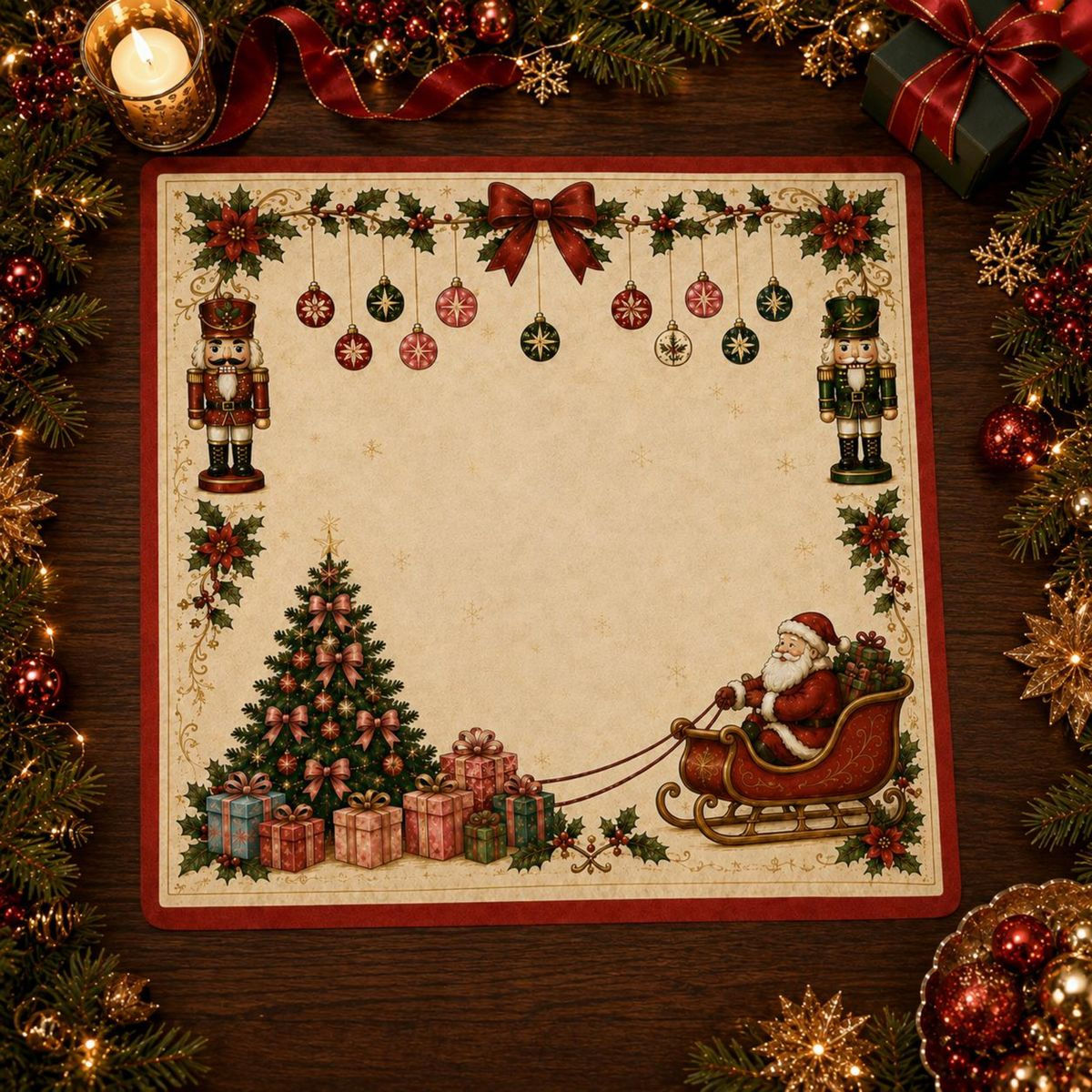
American mahjong mats typically measure 27 to 36 inches square, with 30" and 36" being the most common retail sizes. A 30" mat fits a standard round or square dining table (seats four comfortably around it); a 36" mat works best on a larger table or as a play surface for players sitting on all four sides. The mat itself is a neoprene or fabric-backed playing surface with marked zones for tile racks, the wall, the discard pile, and player positions. Mahstead ships mats rolled or flat; confirm the exact dimensions on the product page before ordering, as your table depth and player seating distance both affect which size works. Measure your table from edge to edge in both directions, then subtract 2–3 inches per side to ensure the mat stays stable and doesn't overhang dangerously.
Standard mahjong mats typically measure 27 to 36 inches square, with 30" and 36" being the most common retail sizes. A 30" mat fits a standard round or square dining table (seats four comfortably around it); a 36" mat works best on a larger table or as a play surface for players sitting on all four sides. The mat itself is a neoprene or fabric-backed playing surface with marked zones for tile racks, the wall, the discard pile, and player positions. Mahstead ships mats rolled or flat; confirm the exact dimensions on the product page before ordering, as your table depth and player seating distance both affect which size works. Measure your table from edge to edge in both directions, then subtract 2–3 inches per side to ensure the mat stays stable and doesn't overhang dangerously.
What does a mahjong mat actually measure?
Mahjong mats are sold in square dimensions because the game requires four equal player positions (North, East, South, West). Common retail sizes are 27", 30", 34", and 36" square—some retailers also stock rectangular options (e.g., 32"×24"), but square mats are standard for American play. The mat itself includes printed borders or embroidered zones marking the dead wall, player rack positions, and the discard pile area. Thickness varies (typically 0.125" to 0.25"), but the printed playing surface is what matters for tile space. Mahstead mahjong mats specify exact dimensions on each product page; always verify before checkout.
How do I choose the right size for my table?
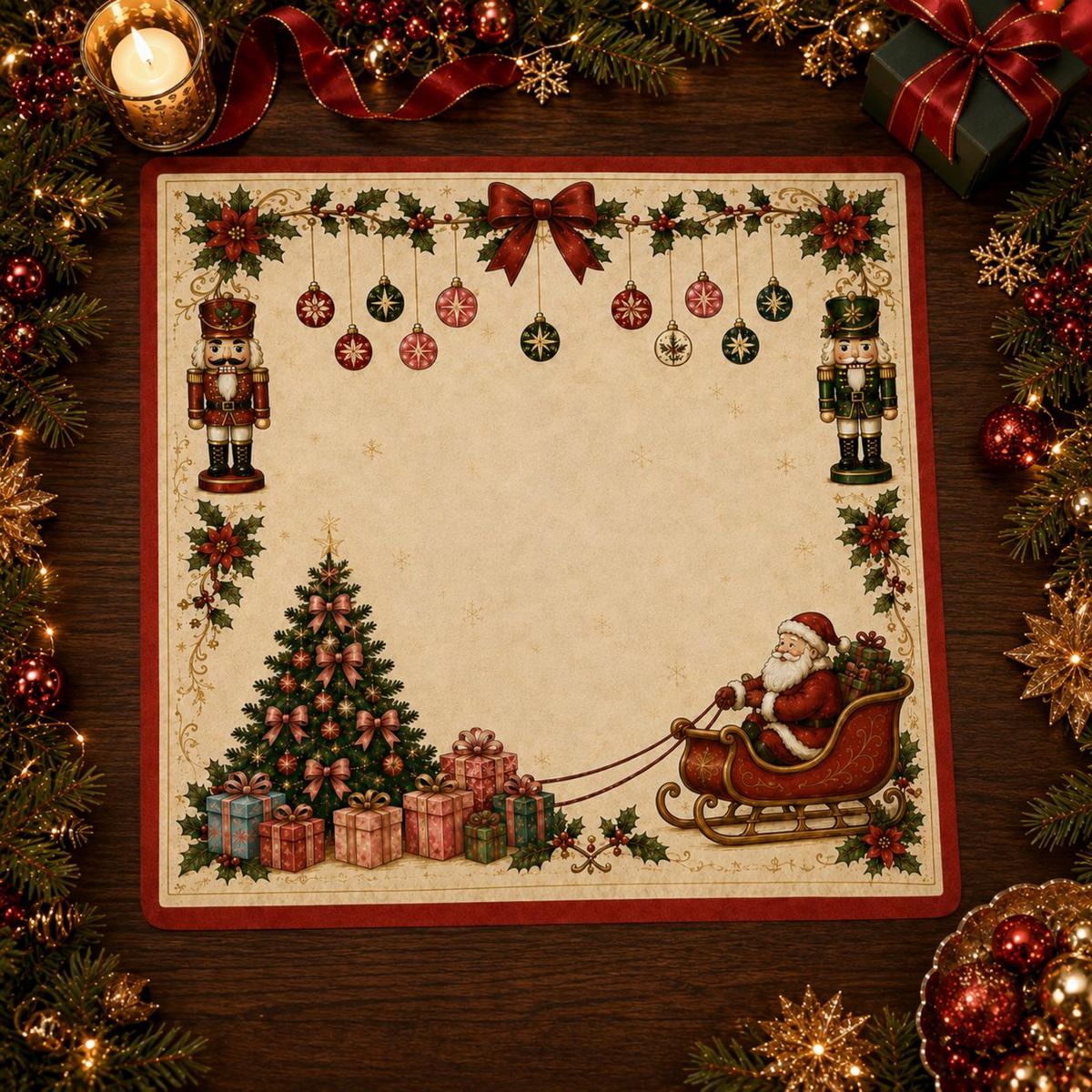
Measure your table from edge to edge in both directions. Subtract 2–3 inches on all sides (so the mat lies flat and doesn't slip or overhang). If your table is 32" square, a 27" or 30" mat will fit with margin; a 34" or 36" mat will be too large. For round tables, measure the diameter; a 30" mat works for tables 33"–36" in diameter, and a 36" mat suits 39"–42" tables. Consider also the distance from the table edge to each player's chair—if players sit close, a smaller mat leaves room for hands, drinks, and note pads. For hosted weekly games, we recommend measuring first and testing a mat with dummy tiles before committing. How to choose a mahjong mat covers this decision in detail.
What's the difference between 30" and 36" mats?
A 30" mat is designed for players sitting at a comfortable arm's length from the tile wall (roughly 12–15 inches per side). It fits most standard dining tables and works well for casual home games where space is moderate. A 36" mat gives each player approximately 18–24 inches of personal rack space and works best on a dedicated game table or large dining surface. The extra 6 inches on each side makes a visible difference when four players are all drawing, discarding, and reading tiles simultaneously—hands don't bump, and the discard pile has clearer sightlines. If your table is smaller than 36" square, a 30" mat is safer; if you have a table 38" or larger, a 36" mat provides the most comfortable layout. Measure twice before ordering; mats cannot be resized.
Mat Size | Table Fit | Best For | Rack Space per Player |
27" | Under 30" | Tight spaces, travel | ~6–8 inches |
30" | 32"–36" | Standard home tables | ~12–15 inches |
34" | 36"–39" | Mid-size dedicated tables | ~15–18 inches |
36" | 39"+ | Large game tables | ~18–24 inches |
Do mat dimensions change how tiles are arranged?
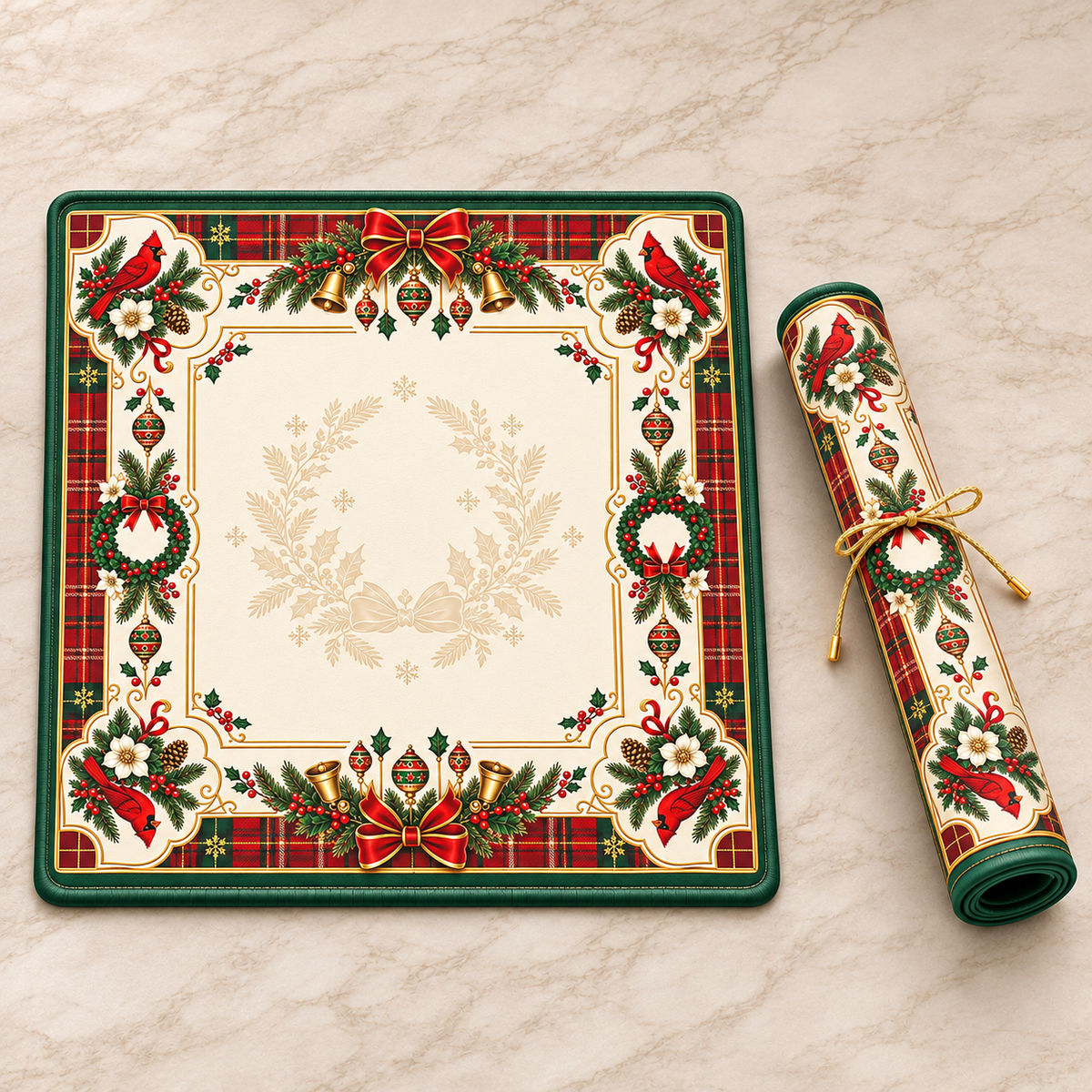
No. The National Mah Jongg League tile count (152 tiles + 8 jokers, standard for American play) and the wall-building method are fixed; the mat size does not alter the game itself. However, the mat's printed zones guide tile placement, and a mat that's too small or too large can make wall management awkward. With a cramped mat, players may struggle to read tiles clearly or find the discard pile cluttered. With excessive space, the discard pile and the dead wall become hard to track visually. A well-sized mat keeps all zones visible and accessible without forcing players to lean or reach. What's in an American mahjong set explains tile count and wall layout; your mat size simply accommodates that standard setup.
What if I have an unusual table shape or size?
Rectangular tables (e.g., 48"×30") are common in dedicated game rooms and work with rectangular mats, though square mats are the industry standard. If your table is L-shaped, hexagonal, or very small, measure the largest square or rectangular zone where four players can sit equidistant from a central play area—then choose a mat that fits that zone. For tables smaller than 27" square, consider a portable mat (designed for travel); for very large tables, you may need a custom size (check the Mahstead shop for available options). Never force an oversized mat onto a too-small table; it will slide, bunch, or hang dangerously, and players' rack zones will overlap. Measure first; contact Mahstead customer service if your table is atypical and you're unsure which size to order.
🎁 See our most-loved mahjong sets & accessories →
What to check before you buy
Exact table dimensions: Measure corner to corner in both directions (use a tape measure, not a guess).
Overhang tolerance: Subtract 2–3 inches per side to ensure stability; a mat that hangs over the edge will shift during play.
Player seating distance: Estimate how far each chair sits from the table edge; if less than 12 inches, choose a smaller mat to avoid cramping.
Shipping and unrolling: Mats arrive rolled or flat; allow 24 hours for a rolled mat to flatten. Check the product page for packaging details.
Surface material: Neoprene mats grip tiles better and resist spills; fabric-backed mats are lighter and easier to store. Both are washable.
Print clarity: Confirm that zone markings (dead wall, rack positions, discard area) are clearly visible and match your playing group's preferred layout.
✨ Find your Mahstead set — free US shipping →
We've learned from hosting hundreds of games that the right mat size is the single biggest comfort factor after a quality tile set. A mat that fits your table prevents the chaos of tiles sliding, overlapping zones, and frustrated players reaching across the play area. The best-selling mahjong sets we stock come with guidance on recommended mat sizes; when you order both a set and a mat together, you're guaranteed a game that flows smoothly. Mahstead ships mats across the US with free shipping, and our product pages include detailed dimensions, material, and care instructions. Take the time to measure your table, check the mat dimensions, and pick a size that gives your group room to play, move, and enjoy the game without constraint.
🀄 Shop best-selling mahjong sets →
FAQ
Can I use a mahjong mat on a table smaller than 27 inches?
Most retail mats start at 27", which barely fits tables under 30" square. Measure your table first; if it's smaller, look for travel or portable mats (compact sizes under 24") or consider a dedicated wooden game table instead of adapting your dining surface.
Do I need a mat, or can I play on a bare table?
A mat is not required, but it is strongly recommended. It marks tile zones clearly, protects the table surface from tile scratches and spills, and keeps tiles from sliding. Most regular players in our weekly games use a mat because it dramatically speeds up wall building and tile management.
What happens if my mat is too big for my table?
An oversized mat will overhang, bunch, or slide during play—creating dangerous situations if players lean on it and a safety hazard if it wraps around table edges. Always choose a size that sits flat with 2–3 inches of table edge visible on all sides.
Are all mahjong mats 1 inch thick?
No. Mats typically range from 0.125" to 0.25" thick. Thicker mats (closer to 0.25") provide better grip and are more durable for frequent play; thinner mats (0.125"–0.15") are lighter and easier to fold for travel or storage.
Can I get a custom-size mat?
Some retailers, including Mahstead, may offer custom dimensions for large or unusual table shapes. Check the product page or contact customer service with your exact table measurements; custom mats may have longer lead times than stock sizes.
How do I care for a mahjong mat to keep it from warping?
Store flat or loosely rolled in a dry place away from heat and direct sunlight. Most Mahstead mats are washable (check the product care label); spot-clean spills with a damp cloth and air-dry fully before rolling up for storage.


View More
View More
View More
