
Clear Mahjong Table: Mat vs. Cover Guide & Setup Tips
Last updated: Nov 23, 2026
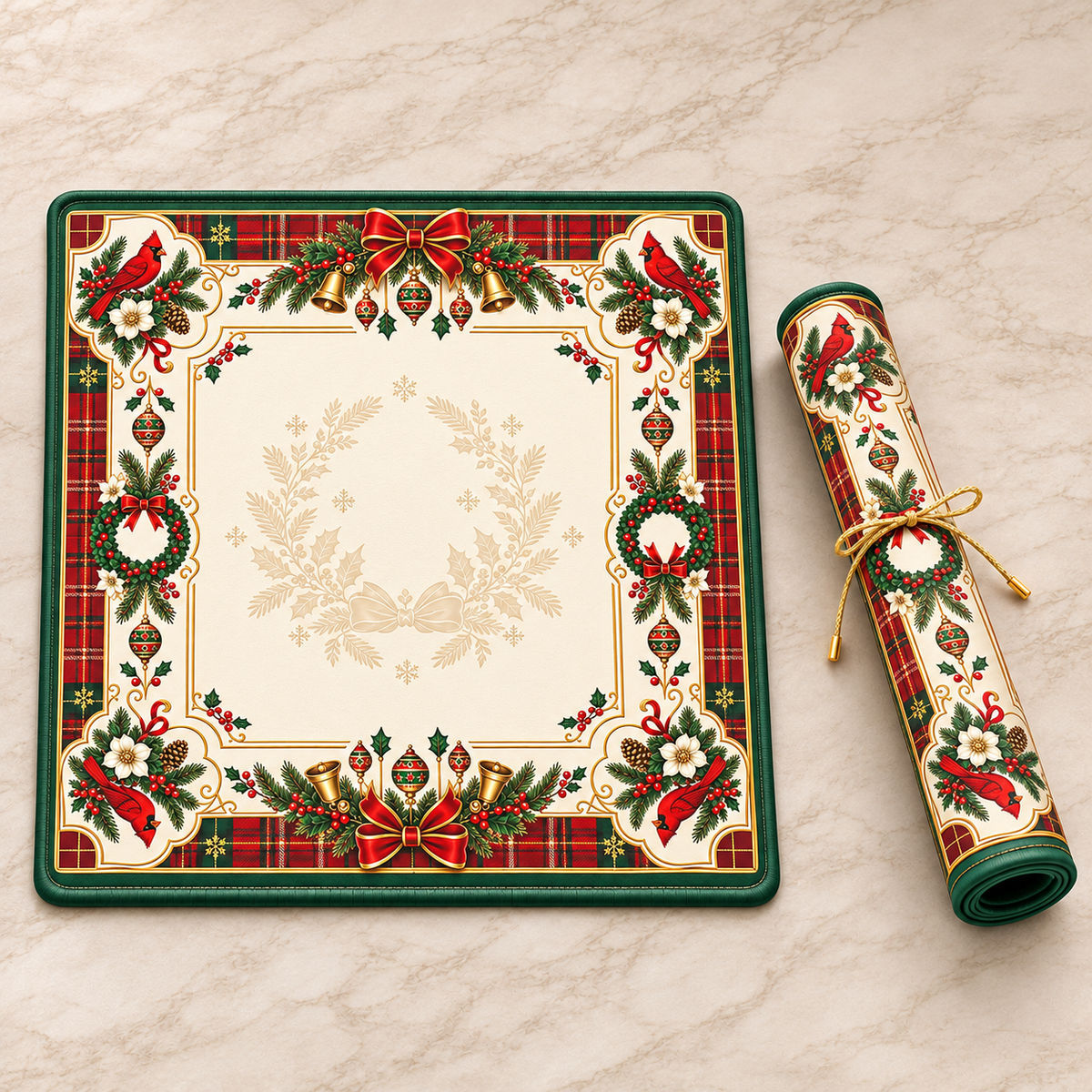
A clear mahjong table mat or cover transforms any dining table into a dedicated play space. Players choose between two main setups: a standalone mat rolled or folded before each game, or a fitted table cover that stays in place. Both protect your table, reduce tile noise, and make your game look intentional. The right choice depends on how often you play, your table size, and whether you want the mat as a permanent fixture or portable equipment.
What's the actual difference between a mat and a table cover?
A mat is a rigid or semi-rigid board—usually 36×36 inches or 40×40 inches square—that you lay flat on top of your table for the duration of a game, then fold or roll away. A table cover is a draped or fitted fabric overlay, often larger, that you may leave on your table between games or remove after play. Mats stay put and define a clear play zone; covers distribute heat and dust protection over a wider surface. For American mahjong, mats are more common because they give you a consistent, level playing field and a defined boundary for tile arrangement.
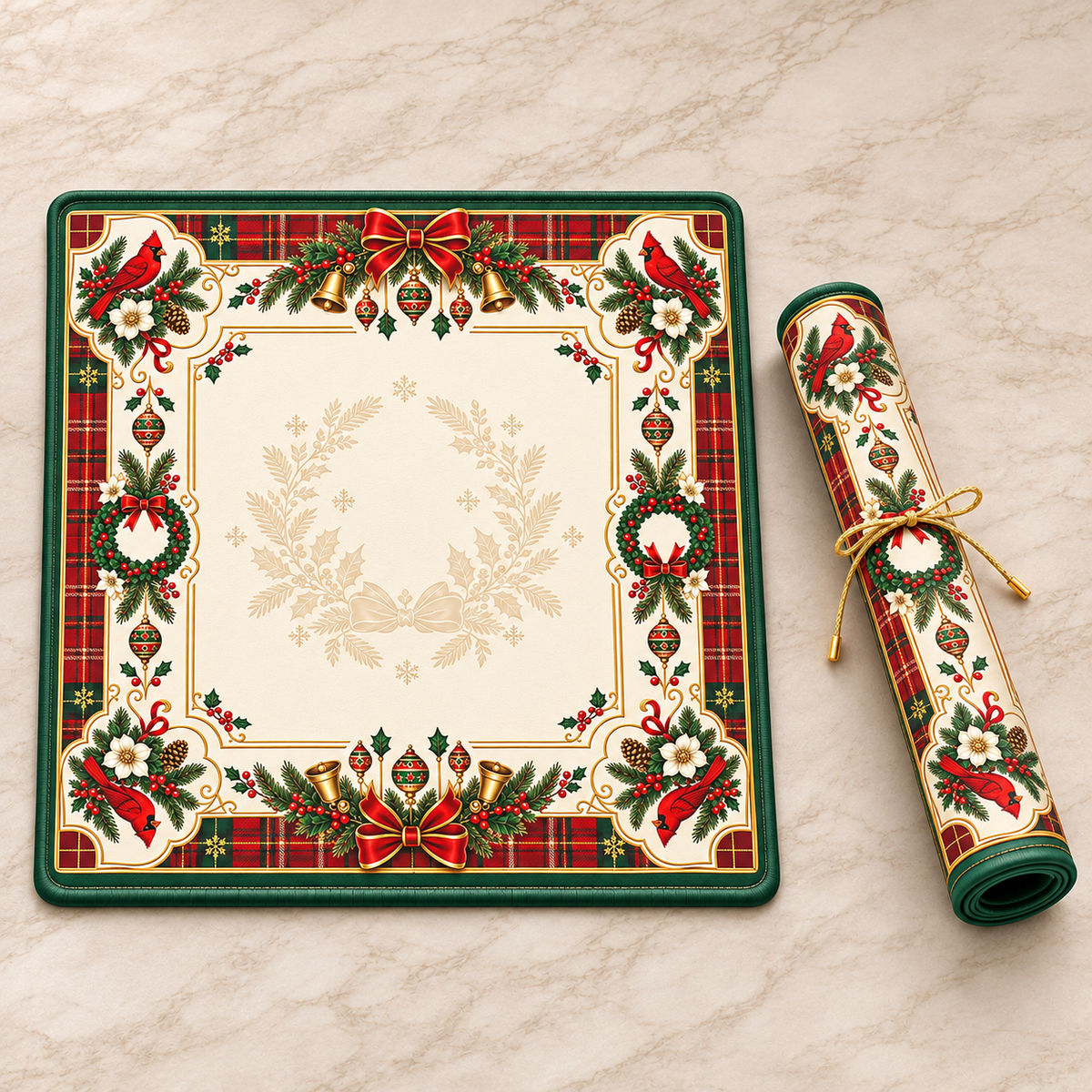
Which mat size should you measure for?
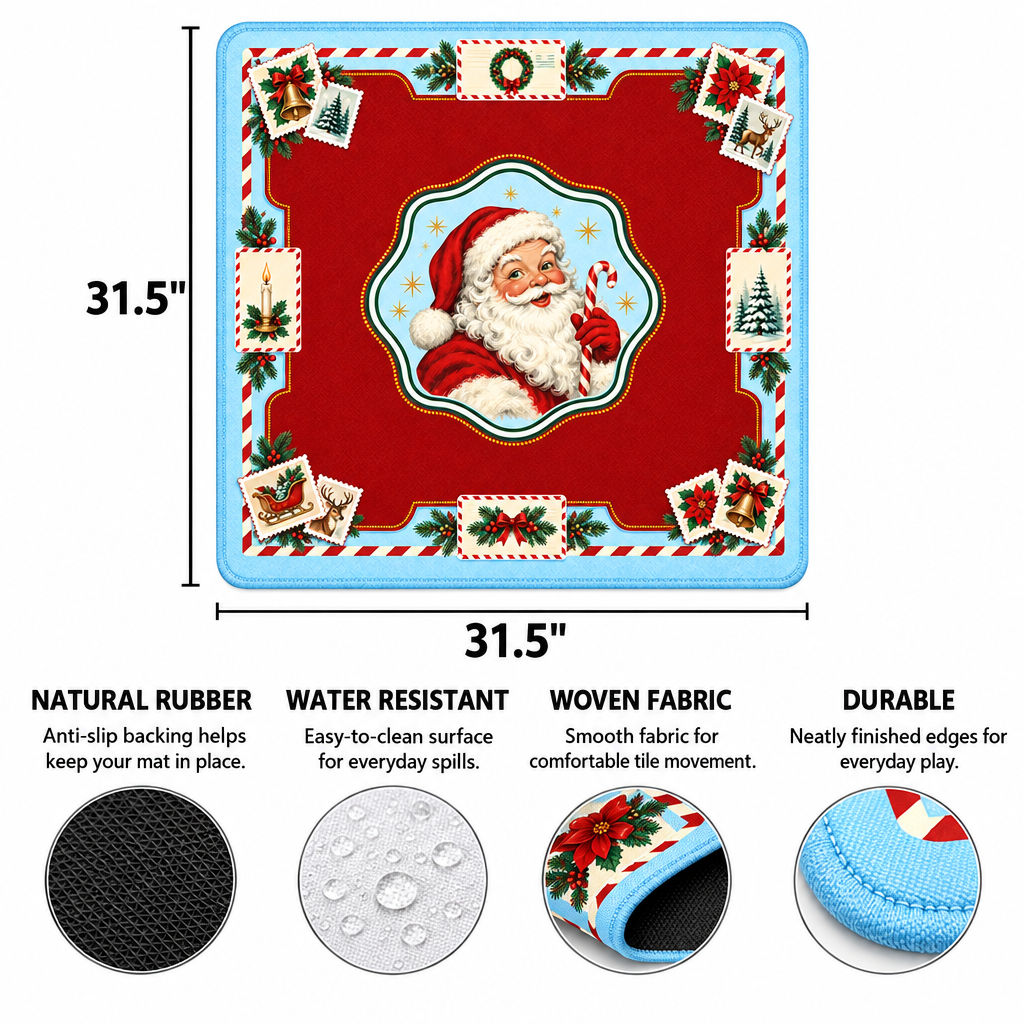
Standard American mahjong mats come in 36×36-inch and 40×40-inch squares, occasionally larger for tournament setups. Measure your table's usable play area (the flat top, minus leaf extenders if present) and allow 2–3 inches of overhang on each side so players can comfortably set down racks, scorecards, and drinks. A 36-inch mat suits a standard dining table; 40 inches works for larger or slightly longer tables. If your table is narrower than 32 inches, a mat may overhang too much and slide; in that case, a fitted cover might work better. Always verify dimensions on the product page before ordering—an oversized mat creates clumsy play, while an undersized one won't protect your table edge.
🀄 Shop best-selling mahjong sets →
How do surface materials affect gameplay and durability?
Felt, neoprene, acrylic, and embossed rubber are the most common mat surfaces. Felt is affordable and soft but can pill or stain over time; neoprene offers more grip and water resistance. Acrylic surfaces provide a clean, easy-wipe finish and look premium—they last through frequent play without degrading. Embossed mats (with textured point indicators or scoreboard zones) help beginners track positions but can snag slower tile handling. We've found that rougher textures slow tile gliding for players who push, while smoother finishes reward precision shufflers. Choose matte finish if you prefer less glare under overhead lights; glossy if you want visual pop. Mahstead's collection includes options for each preference—inspect photos closely to see how light reflects off the finish.
Comparison table: mat surface types
Surface | Durability | Ease of care | Gameplay feel | Best for |
Felt | Fair (pilling after 2–3 years heavy use) | Wipe only; avoid moisture | Soft, forgiving tile glide | Casual home games |
Neoprene | Good (resists stains, lasts 4+ years) | Wipes clean; machine washable | Grippy; slower tile push | Humid climates; frequent play |
Acrylic | Excellent (5+ years, no degradation) | Wipe clean, dishwasher-safe backing | Smooth, fast glide | Serious players; tournament prep |
Embossed rubber | Good (textured, resists wear) | Wipe clean | Grip helps beginners; can catch tiles | Learning groups; home clubs |
What underside features prevent mat slipping and damage?
The underside matters as much as the top. Mats with rubber or non-slip grip backing stay anchored on lacquered or sealed tables; felt-backed mats slide on polished surfaces or glass tops. If your table is slippery, check that the mat has a gripper backing—otherwise you'll chase it across the room during tile shuffling. Corner tabs or elasticated edges on some mats keep them centered; flat mats require you to reset position between rounds. We also recommend a thin barrier (a small plastic sheet or felt tab) under the mat corners if you're concerned about finish transfer to your table—some mat dyes can stain light wood over years of repeated contact. Test on a hidden table spot first if unsure.
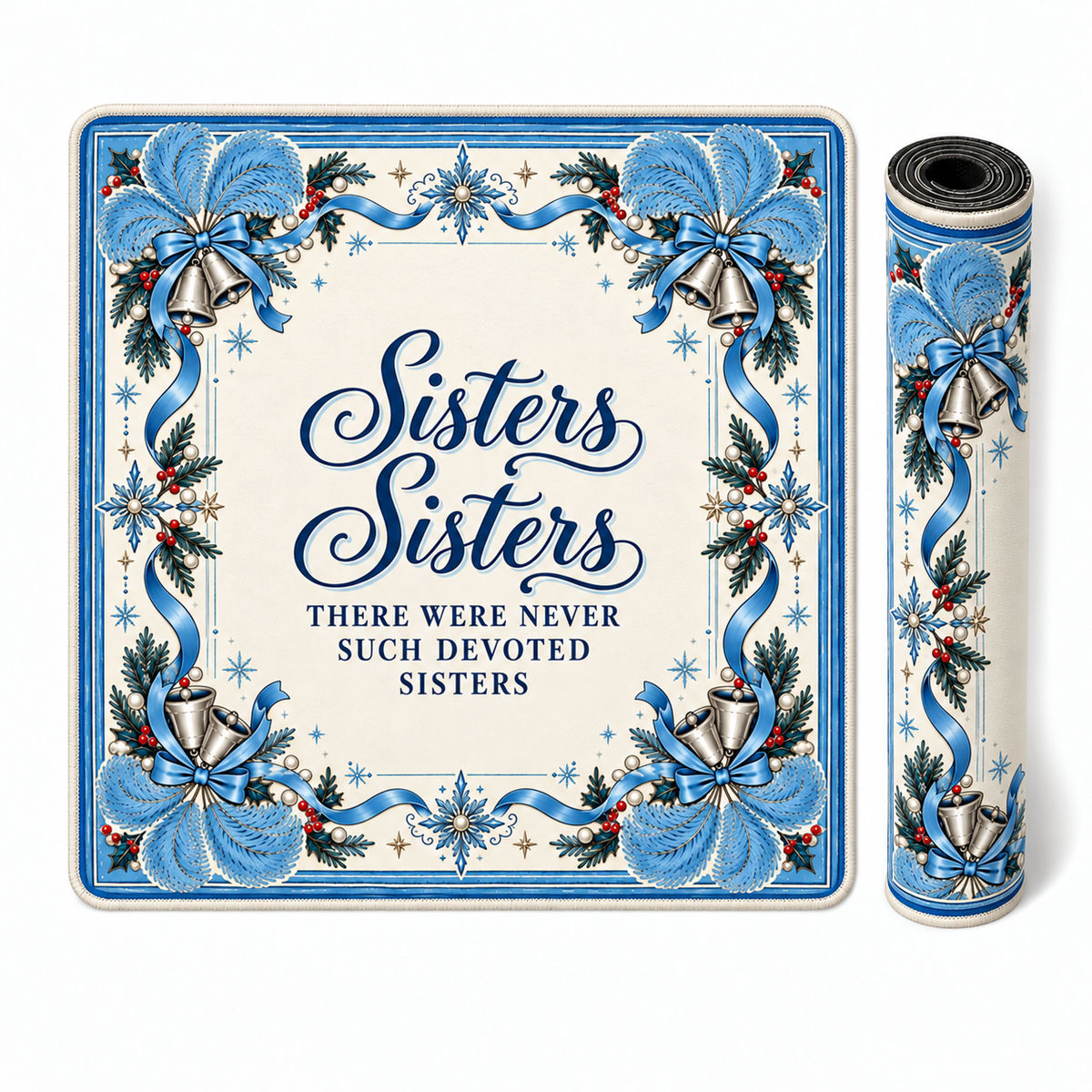
How do you maintain a clear mat to keep it looking sharp?
Wipe the playing surface after each game with a soft, dry cloth to remove tile dust and debris—this takes 30 seconds and prevents buildup. For deeper cleaning, use a barely damp cloth and mild soap, then dry immediately; excessive moisture warps felt-backed mats. Once monthly (or quarterly if you play weekly), inspect the underside for mold spots, especially in humid regions—allow air circulation underneath by propping the mat up vertically after cleaning. Never fold a damp mat for storage; always roll and store it flat or in a protective bag, away from sunlight and heat, to prevent creasing and color fading. Felt and neoprene may pill if you use rough sponges—stick to microfiber cloths. Acrylic mats resist staining but can scratch if you drag heavy tile racks across them; lift racks rather than push them on the mat surface.
🎁 See our most-loved mahjong sets & accessories →
Should you pair a mat with racks, a scoreboard, or other gear?
A mat works best as the centerpiece of a complete setup. Mahjong racks with pushers rest on the mat surface and protect your hand during shuffling; a dedicated scorer keeps the game moving without dice rolling across tile stacks. Some mats ship with embossed score zones or directional markers for East, South, West, North—these help beginners and speed up setup, though experienced players often ignore them. If you choose a plain mat, add a separate scoreboard or use a notepad. Pairing a premium mat with a quality tile set—especially acrylic tiles that won't chip—maximizes your investment and makes your game space feel intentional. A protective mat bag or case keeps the mat clean between games and makes transport to a friend's house fuss-free.
What should you check before ordering a mat online?
Before clicking purchase, verify five things:
Exact dimensions against your table's usable surface (measure the flat top in both directions).
Underside material—confirm it won't slip on your table finish or damage wood/glass.
Color fastness—check reviews or photos for fading under typical room lighting.
Thickness—thicker mats (⅜ inch or more) cushion tile clacking; thin mats (¼ inch) save storage space.
Embossing or markers—decide whether built-in score zones or compass directions help or clutter your setup.
Many online retailers ship within the continental US with free delivery, but check the product page for lead time. Return policies vary—some offer 30-day returns, others are final sale. Buy from a seller experienced in mahjong equipment; they'll know which mat thickness and finish suits American-rules play. Explore Mahstead's mahjong mats to see all available finishes, sizes, and design options.
✨ Find your Mahstead set — free US shipping →
FAQ
Can I use a yoga mat or a generic cloth as a mahjong table mat?
Yoga mats are too thick, shift easily, and soak up moisture. Generic cloth provides no cushioning and won't protect your table edge. A dedicated mahjong mat offers the right thickness (¼–½ inch), non-slip backing, and durable surface for hundreds of games.
Do I need a new mat if I switch from a 152-tile set to a 160-tile set?
No. Tile count doesn't change table footprint. A 36×36-inch or 40×40-inch mat accommodates any standard American mahjong set. The mat size is fixed; the tile quantity doesn't affect the space you need.
What's the difference between a mahjong mat and a poker or card-game table mat?
Mahjong mats are square (36×36 or 40×40 inches) and sized for four players around a table. Card mats are often oval or rectangular, with dealer positions and cup holders. Mahjong mats have a raised or textured surface to prevent tiles from sliding; card mats prioritize cup placement. They are not interchangeable.
If my mat starts to pill or fray, can I repair it, or do I need to buy a new one?
Pilling on felt can be gently trimmed with small scissors; fraying at edges can be sealed with fabric glue or a thin trim. Minor wear doesn't affect gameplay. But if the underside loses grip or the surface becomes gouged, replacement is safer than repair—a compromised mat can shift mid-game and ruin hands.
Should I store my mat rolled or folded?
Roll it flat (like a poster tube) if space allows; rolling prevents permanent creases and preserves surface texture. Folding is acceptable for short-term storage but can damage felt and neoprene over months. Always store in a cool, dry place away from direct sunlight and heat sources.
Can I use a mahjong mat outdoors?
Yes, but with care. Use a mat with non-slip backing to prevent movement on concrete or grass. Avoid leaving it in direct sunlight for extended periods—UV light fades colors and degrades some materials. Bring the mat indoors after play to prevent dew or rain absorption and mold growth.
Do embossed compass or score markings ever wear off?
Embossing is permanent—the design is created during manufacturing, not applied as a surface coating. It won't wear off, but deep grooves can collect dust. Wipe embossed zones gently to avoid catching tile corners, and the markings stay sharp for the mat's lifetime.


View More
View More
View More
