
Chinoiserie Mahjong Bag: How to Choose the Right Travel Case
Last updated: Nov 23, 2026
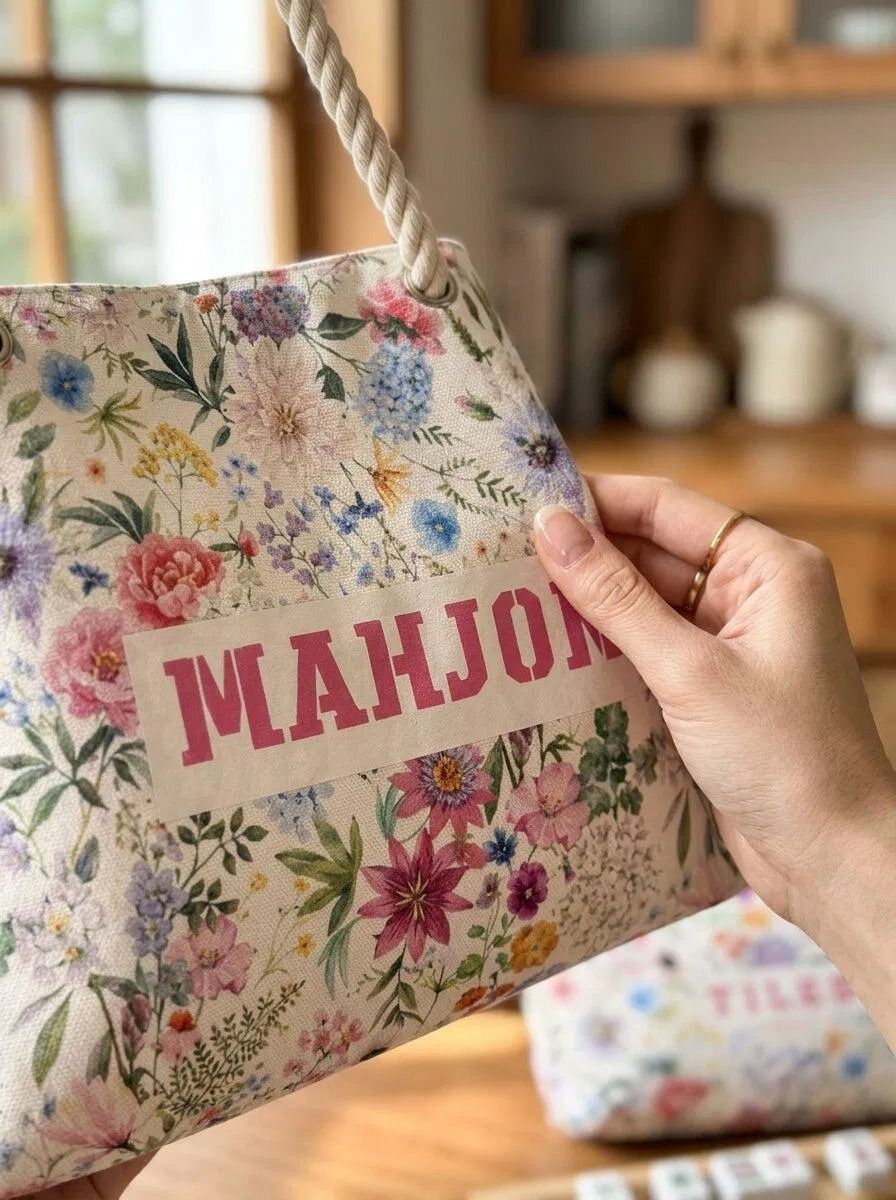
A chinoiserie mahjong bag is a decorative fabric or padded case decorated with Asian-inspired motifs—silk patterns, landscape scenes, or symbolic imagery—designed to hold and transport a full 160-tile American mahjong set with racks, dice, and card holder. These bags range from drawstring pouches to structured totes; most hold 13 inches across and weigh under 3 pounds when packed. You'll find them in cotton, silk-blend, or quilted materials. Key buyers are players who host weekly games and want their set protected during setup and travel. Avoid bags without interior pockets—they won't keep tiles organized—and check dimensions against your set's acrylic footprint before ordering.
What makes chinoiserie design work for mahjong players?
Chinoiserie design carries visual heritage tied directly to mahjong's roots. The aesthetic—often featuring cranes, plum blossoms, mountains, or calligraphy—signals respect for the game's history while creating a conversation piece at the table. We've found that players appreciate bags that reflect the game's cultural identity; it transforms a functional container into a statement of belonging to a centuries-old tradition. The design also ages well: silk and cotton bases with embroidered or printed details remain recognizable and beautiful across dozens of games. Chinoiserie bags say this matters to me—and that intention carries at your weekly game.

Should you choose quilted, silk, or cotton for durability?
Quilted offers maximum protection: padding shields tiles from impacts during car trips, and thick stitching withstands years of weekly use. Silk-blend or cotton is lighter and more breathable, ideal if you carry your set to multiple houses or store it in humid spaces. Quilted bags cost more to produce and ship; cotton costs less but requires careful handling if tiles are loose inside. For players who set up at the same table every week, cotton or silk works fine. For travelers moving between two homes or carrying sets to tournaments, quilted is worth the investment. Test the weight: a full quilted bag with tiles can weigh 4–5 pounds, which adds up over many trips.
What to check before you buy:
Measure your set's carrying case or stacked tile tray (acrylic sets are typically 12–14 inches wide).
Confirm the bag has an interior pocket or divider for dice, card holder, and joker tiles.
Look for reinforced handles or a shoulder strap if you'll carry it regularly.
Check if the lining is removable for cleaning (important if you play monthly over years).
Verify the bag's opening width—narrow drawstring tops may force you to tilt the set on its edge to slide it in.
Browse our collection of mahjong bags and travel cases to compare styles, interior layouts, and materials side by side.
🎁 See our most-loved mahjong sets & accessories →
How do you match bag style to your set design?
A chinoiserie bag pairs beautifully with engraved or titled mahjong sets—especially those featuring bamboo, jade, or landscape imagery. Classic or minimalist sets also work well; the bag's artwork becomes the star. Avoid clashing aesthetics: a modern geometric set inside a traditional chinoiserie bag can feel visually jarring at setup. Consider your home décor and table setting too. If your game room leans contemporary, choose a chinoiserie bag with a muted color palette or simple line work. If your setup is eclectic or traditional, bolder patterns and richer colors shine. We recommend photographing your set next to potential bags online before deciding—many retailers show interior and exterior views from multiple angles.
What's the difference between a bag and a dedicated case?
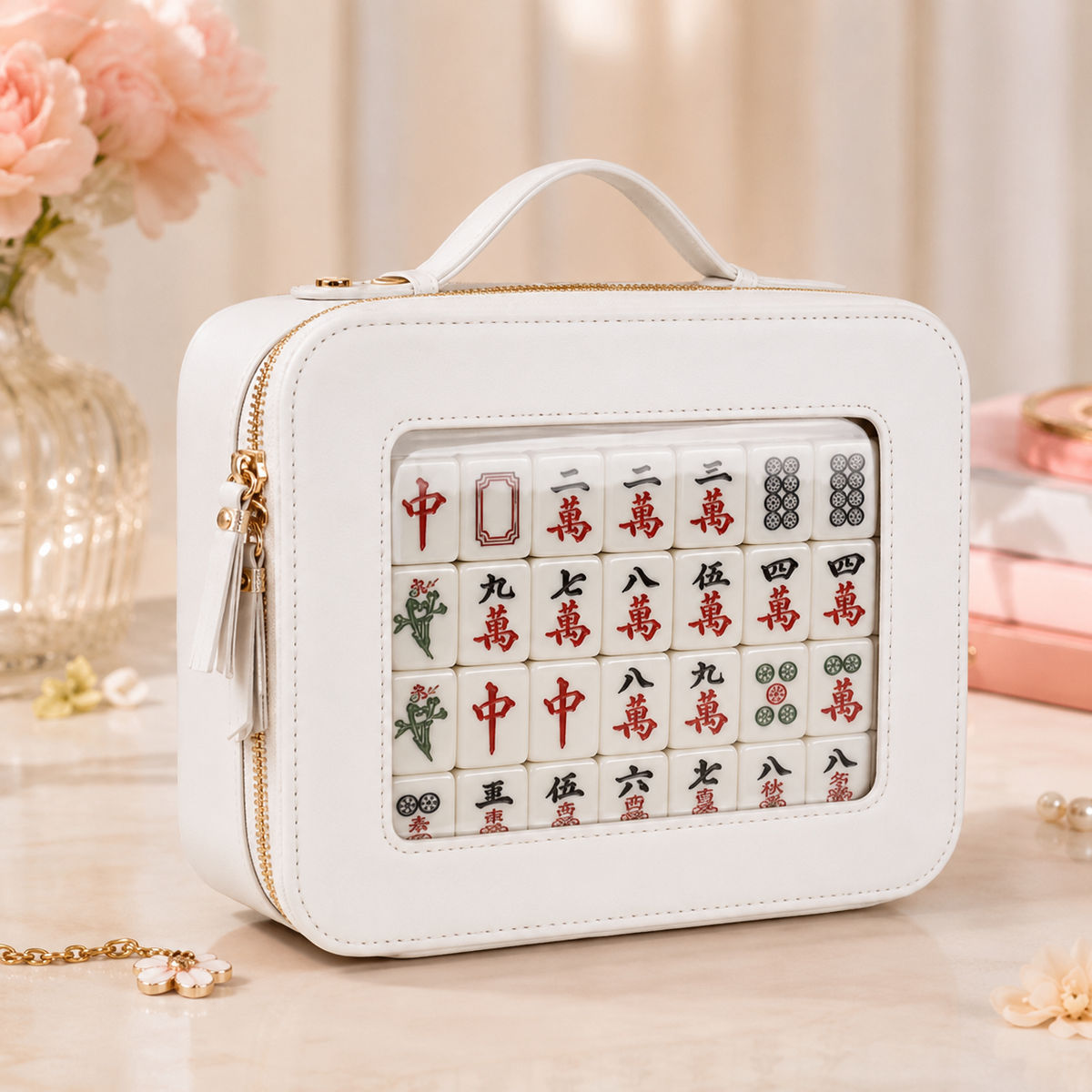
A bag is soft-sided, flexible, and folds flat for storage; it's ideal for weekly players who transport sets in car trunks or closets. A case is hard-sided or semi-rigid, offering maximum protection but taking up permanent shelf space. Cases suit serious collectors or players with custom sets they rarely move. Bags are lighter and cheaper; cases cost more but keep humidity and dust away entirely. Most weekly players we know own a bag—it's the practical middle ground. If you're buying a best-selling mahjong set for the first time, a bag works unless you plan to display the set long-term.
How should you pack a chinoiserie bag to avoid tile spilling?
Step 1: Place the acrylic set (still in its original box or tray) at the bag's bottom. Step 2: Wrap the card holder and dice in a small pouch or ziplock bag; tuck it into an interior pocket or a corner. Step 3: Lay the racks and pushers horizontally on top of the set, nestled in the corners. Step 4: Fill any remaining gaps with soft cloth or a small towel to prevent shifting during transport. Step 5: Close the drawstring or zipper gently—don't crush the bag's sides. Step 6: Carry the bag upright or against your torso; never toss it onto a car seat or pile other items on top. A well-packed bag keeps tiles in order and prevents the racks from rattling inside, which can loosen tile corners over time. We've tested this packing method across hundreds of setups at weekly games—it works.
✨ Find your Mahstead set — free US shipping →
Bag Type | Best For | Protection Level | Weight | Ideal Player |
Drawstring cotton | Weekly home games | Medium | Light (2–3 lbs) | Budget-conscious, minimal travel |
Quilted with handles | Frequent car transport | High | Medium (4–5 lbs) | Serious players, multiple venues |
Silk-blend embroidered | Occasional play + display | Medium | Light (2–3 lbs) | Collectors, aesthetic-focused |
Hard case | Long-term storage | Very high | Heavy (5–7 lbs) | Showpiece sets, rare customs |
Why invest in a dedicated mahjong bag at all?
A dedicated bag protects your tiles and reinforces the ritual of game night. Loose sets in cardboard boxes get damaged—corners crack, tiles stick together, and the experience feels hasty. A chinoiserie bag signals that your weekly game is intentional, cared for, and worth the small investment. It also keeps everything in one place: when Thursday rolls around, you grab the bag, not five separate items scattered across your closet. Players report that having a beautiful, organized set increases the frequency they host games—the setup is fast, the bag looks lovely on the table, and newcomers see a finished, respectful experience. That's worth the cost.
🀄 Shop best-selling mahjong sets →

FAQ
Can you fit a 160-tile set with racks and dice into a chinoiserie mahjong bag?
Yes. Most bags in the travel collection are designed for a complete 160-tile American mahjong set plus racks, pushers, card holder, and dice. Verify the interior dimensions (typically 13–15 inches wide) match your set's footprint before ordering. A standard acrylic set fits comfortably when packed horizontally.
What's the difference between a mahjong bag and a regular drawstring tote?
Mahjong bags have reinforced interiors, pockets for small items, and padding or structure that keeps tiles organized during travel. Regular totes lack these features and risk tiles sliding or tiles shifting during transport. A dedicated mahjong bag costs slightly more but prevents damage and keeps setup efficient.
Do chinoiserie designs fade or wear out after regular use?
High-quality chinoiserie bags using silk-screened or embroidered patterns last for years with proper care. Cotton and silk-blend materials fade slowly in direct sunlight; store your bag in a cool, dark closet between games. Quilted bags with synthetic embroidery resist fading better than thin silk. Expect a well-made bag to look great for 5+ years of weekly play.
Should I buy a bag at the same time as my mahjong set?
Yes, if you plan to transport the set regularly. Buying them together ensures the bag's interior matches your set's dimensions. Many players pair a best-selling acrylic set with a chinoiserie bag for their first complete setup, which simplifies ordering and arrival scheduling.
How do you clean a chinoiserie mahjong bag without damaging the design?
Spot-clean with a damp, soft cloth and mild soap. For removable linings, hand-wash separately in cool water. Avoid machine washing, bleach, or direct sunlight drying. Most embroidered and silk-screened designs survive gentle care for years. Check the product page for care instructions specific to your bag's material.
Can you use a chinoiserie bag to store multiple mahjong sets?
Most standard bags hold one 160-tile set comfortably; two sets would require oversized bags or separate cases. If you own multiple sets, one bag per set keeps them organized and travel-ready. Stacking two sets in one bag risks tile breakage and makes the bag too heavy to carry safely.
Are chinoiserie mahjong bags available year-round or seasonal?
Most designs are in stock year-round. Seasonal styles appear during holidays; browse the new arrivals collection to see current stock and limited-edition releases. Order early if you want a specific design.


View More
View More
View More
