
Chinoiserie Mahjong Table Cover: Styles, Materials, and What to Buy
Last updated: Nov 23, 2026
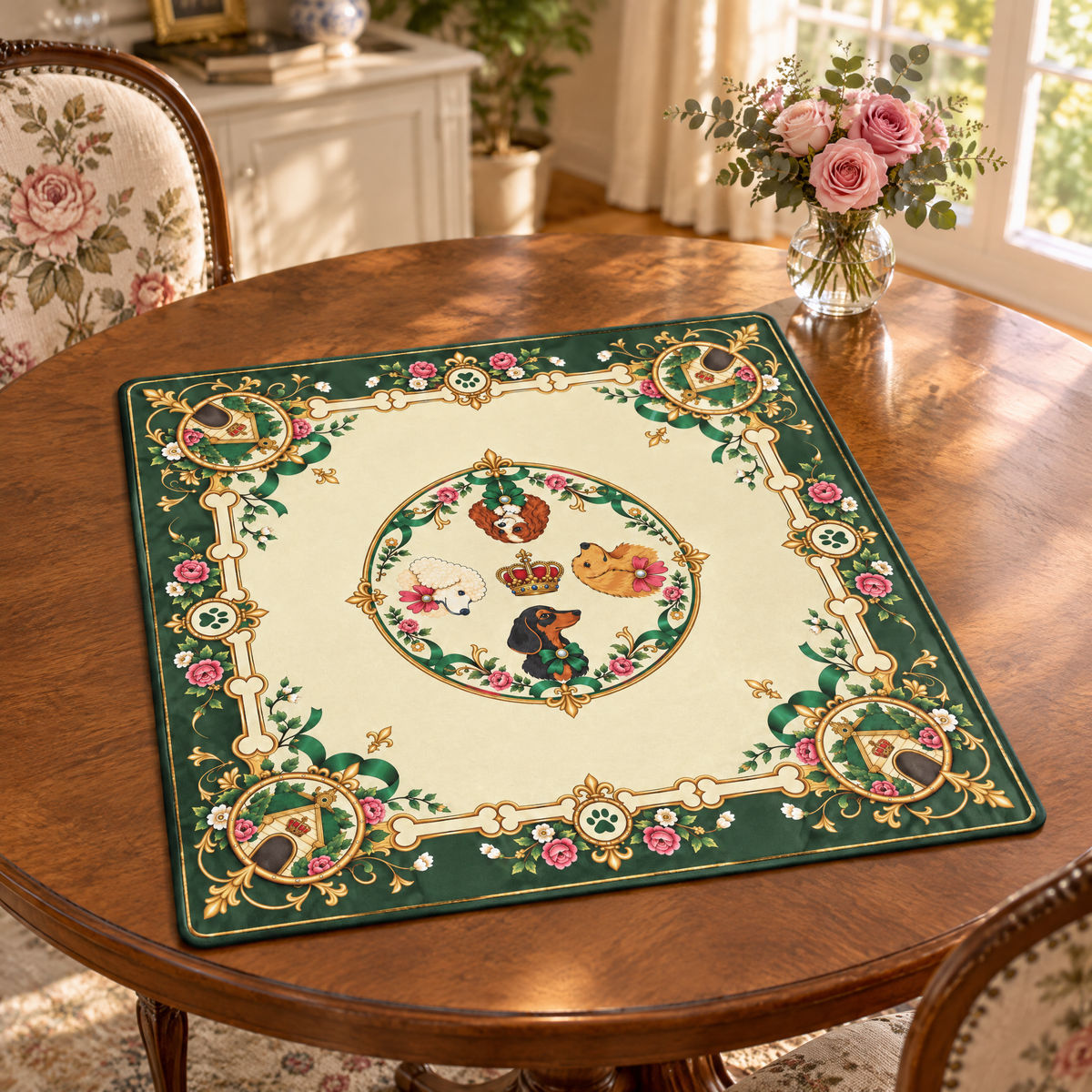
A chinoiserie mahjong table cover brings cultural elegance to your game room, but the choice between pure décor and a working playing mat reshapes your whole experience. We've hosted weekly games for years and tested covers from lightweight tablecloths to professional-grade mats—each solves a different problem. If you're choosing one, you need to understand what you're really buying: a design accent, a protective barrier, or a playing surface engineered for tile movement and scorekeeping.
🀄 Shop best-selling mahjong sets →
What's the difference between a cover, a tablecloth, and a mat?
A decorative tablecloth drapes over furniture for aesthetics; a mahjong table cover sits flat and protects the surface; a playing mat is engineered with raised rails, scorekeeping zones, cup wells, and non-slip backing to support active gameplay. Decorative covers are single-layer, often cotton or linen, and shift during play—tiles roll, jokers slide between folds. True mahjong mats have batting or felt underneath, vinyl or rubberized edges, and stay put. If you're learning or hosting casually, a pretty cover works. If you play weekly and re-deal often, a mat prevents frustration and protects both the tiles and your furniture.
What chinoiserie design elements matter in a working mat?
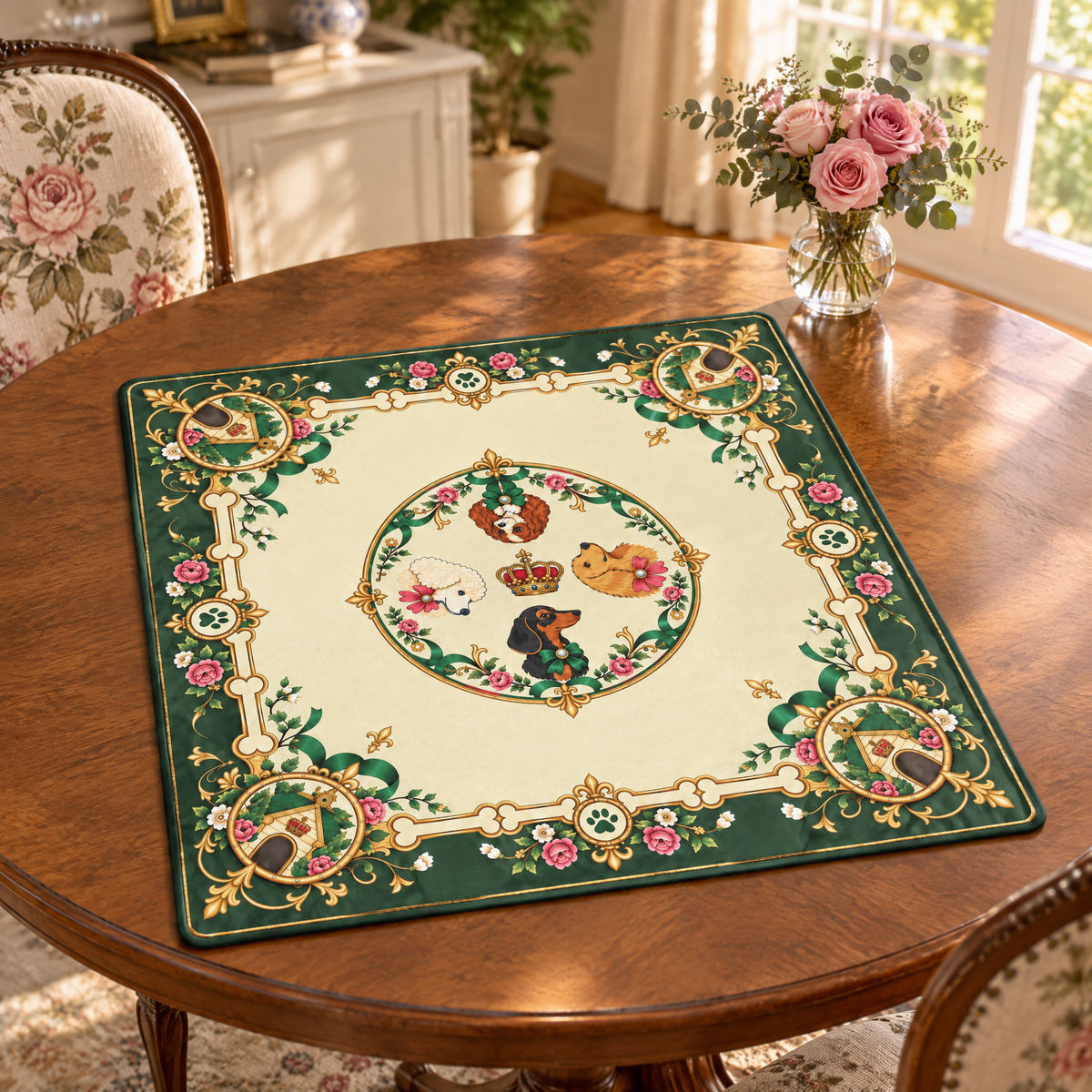
Aesthetic choices—crane motifs, landscape scenes, calligraphy borders—don't affect gameplay but do shape the mood. What matters functionally is that the design sits on the mat structure, not into it: printed or embroidered patterns lie flat; 3D appliqués snag tiles. We prefer all-over patterns or centered medallions over raised corner decorations. Color also affects visibility—deep indigo and jade backgrounds hide tile marks; lighter creams and golds show wear faster but brighten a dim room. The best chinoiserie mats balance visual richness with practical durability: a painted dragon and cloud border that won't fray, not one that puffs up or peels after washing.
Who should buy a decorative cover versus a full playing mat?
Decorative cover (thin, beautiful, lightweight): You host games rarely, own an expensive table worth protecting, or prioritize aesthetics over function. These work for special events or as a gift if you're unsure of the recipient's commitment level. Cost is low; washability and longevity are medium. Best for adding elegance between games, not during them.
Full playing mat (padded, rails, wells, non-slip base): You play weekly, reshuffle tiles multiple times per game, or need to set and reset the playing area quickly. Mats keep tiles from sliding during the Charleston, reduce lost jokers, and protect acrylic tile edges. They last longer under heavy use and hide spills and scratches. Best for serious players and game rooms where the mat becomes permanent.
A quick comparison:
Feature | Decorative Cover | Playing Mat |
Thickness | <1/8 inch | 1/4–1/2 inch |
Non-slip backing | Rarely | Always |
Scorekeeping spaces | No | Optional |
Cup wells | No | Often |
Raised tile rails | No | Yes |
Washable | Yes, but fragile | Yes, durable |
Cost basis | Budget to moderate | Moderate to higher |
Best for | Occasional use, décor | Weekly play, tile protection |
🎁 See our most-loved mahjong sets & accessories →
How do materials affect durability and feel?
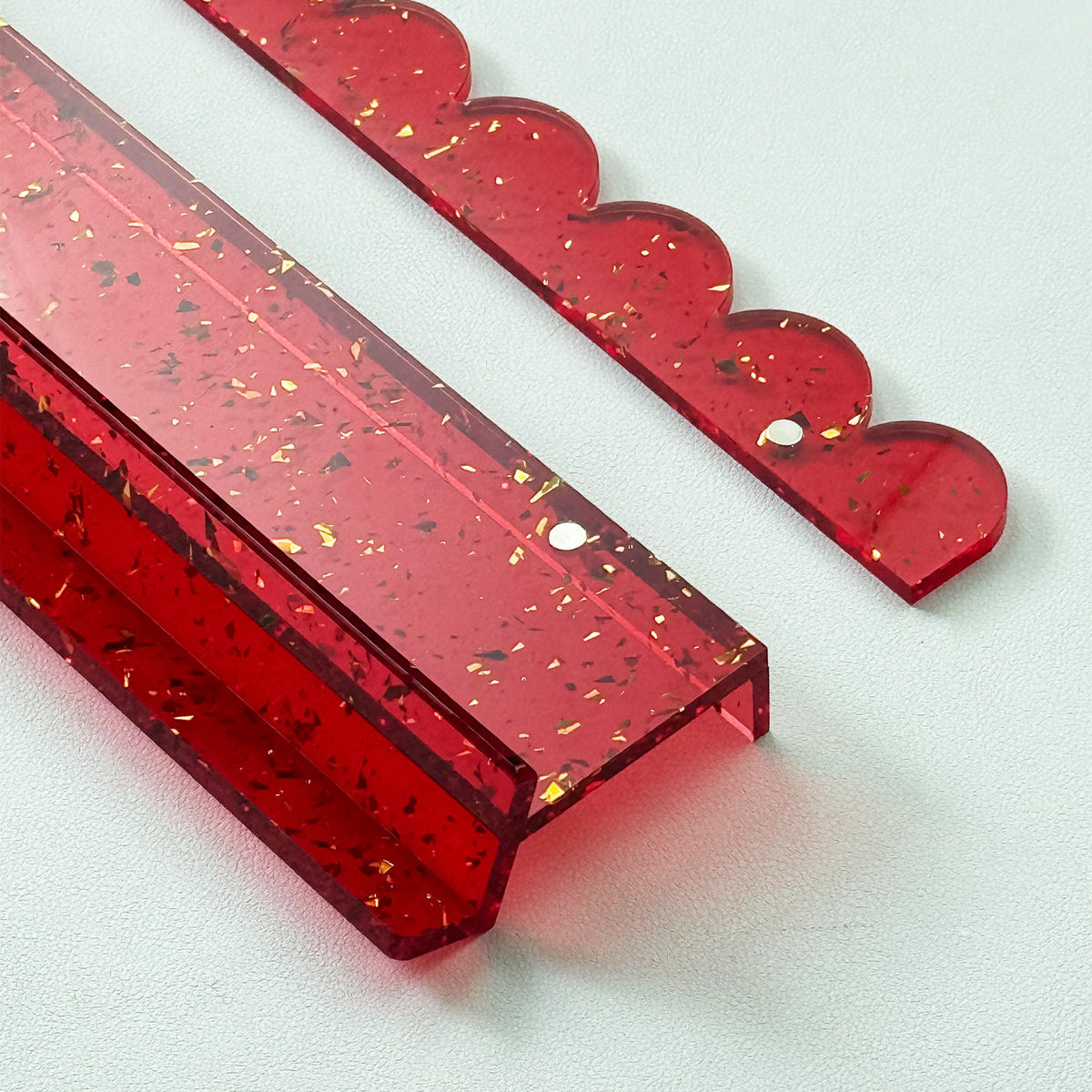
Cotton and linen chinoiserie covers feel luxurious but stain easily and shift underfoot during play. Felt-backed mats grip the table, but felt absorbs liquid and can mildew if not dried fully. Vinyl undersides stay waterproof and wipe clean in seconds. Quilted or foam-layered mats absorb tile noise (important in apartments) but add bulk and weight—harder to store or fold after game night. For a mat you'll use weekly, we recommend a blend: durable printed cotton or polyester face with rubberized non-slip backing and light batting. For a decorative cover you use occasionally, natural linen or cotton breathes better and looks richer, even if it needs more care. Test durability by checking whether the print is woven into the fabric or screen-printed on top—woven lasts through dozens of washings; printed may fade after ten.
What size chinoiserie mat works for standard American mahjong?
American mahjong seats four players, each with roughly 18 inches of edge space, so your mat should be at least 36 inches square (ideally 40–42 inches to give breathing room and leave table edges visible). Wider mats (48–52 inches) work if your table is large or you like extra space for scorecard and dice storage. Length matters less than width—a rectangular mat oriented landscape can hang off the sides, and players still have room to draw and discard. If you're buying for a collapsible card table or small round surface, measure first; oversized mats bunch and wrinkle, and undersized ones don't protect the critical center zone. Most full-function mahjong mats ship in the mahjong mats collection with dimensions listed clearly—check before checkout so you don't have to return it.
What should you check before ordering a chinoiserie mat or cover?
1. Measure your table. Bring a tape measure to where you'll play. Account for legroom under the table edge. Order larger, not smaller—you can fold excess; you can't stretch a mat that's 2 inches too narrow.
2. Confirm what's actually included. Some vendors sell a cover only; others include racks with pushers or dice. Mahstead always specifies what's in the box.
3. Test the backing. Touch the underside before buying if possible. A rubberized or vinyl backing stays put and wipes clean. Soft backing feels nice but slides on varnished tables and harbors moisture.
4. Ask about washing. Can you machine wash on gentle? Is it hand-wash only? Does the print fade after one wash? Real players need mats they can actually clean without worry.
5. Check whether corners lay flat. Mats with weighted corners or subtle curves don't bunch when you reach across to draw a tile. Completely flat mats sometimes tent up in the middle, making tile movement jerky.
6. Confirm the mat is truly sized for mahjong. Some "Asian game mats" are designed for Chinese chess or Go—they're too small for four players to sit comfortably around, or the scorekeeping zones won't align with your tiles.
✨ Find your Mahstead set — free US shipping →
Chinoiserie aesthetics are timeless, but a mat's true value lies in how it performs during your actual game. A beautiful cover that slides around or stains easily creates more frustration than joy. We recommend buying from vendors who clearly describe the material, show the underside, and list dimensions in inches—not vague terms like "large." If you're pairing a new mat with your setup, check that you have quality acrylic tiles and racks with pushers that will last as long as the mat does.
FAQ
Can I use a decorative chinoiserie tablecloth as a mahjong mat if I'm just learning?
Yes, temporarily—it protects your table and sets the mood. But expect tiles to slide, jokers to migrate between folds, and the cloth to shift during the Charleston. After your first few games, you'll notice the difference a proper mat makes.
How often should I wash a mahjong mat, and will the chinoiserie design fade?
Wash every 4–6 weeks if you play weekly, or after spills immediately. The design's longevity depends on the print method: woven or dyed-in designs last indefinitely; screen-printed designs fade slowly over years of washing. Check the care label before buying.
What's the best size for a chinoiserie mat if my table is round?
Round tables work with 40–42 inch diameter mats; place the mat centered so all four players have equal reach. If your round table is under 36 inches across, a standard mat will overhang too much and bunch—consider a custom mat or a thinner decorative cover instead.
Can a mat be both beautiful *and* functional, or do I have to choose?
You don't have to choose—Mahstead's mahjong mats combine durable construction with carefully selected chinoiserie designs. The key is that the aesthetic sits cleanly on top of a well-engineered mat structure.
Are vinyl-backed mats better than felt-backed for a living room where people eat nearby?
Vinyl backs wipe clean instantly and resist moisture—ideal for casual, food-adjacent play. Felt backs grip better and dampen noise but absorb spills if you don't blot fast. For a room where tiles and snacks mix, vinyl is lower maintenance.
If I buy a decorative cover now, can I upgrade to a full mat later?
Absolutely. Many players start with a beautiful cover, then invest in a mat once they commit to weekly play. Both can coexist—use the cover for special events or between games, and the mat during active play.


View More
View More
View More
