
Chinoiserie Mahjong Rack Bag: Style & Protection Guide
Last updated: Nov 23, 2026
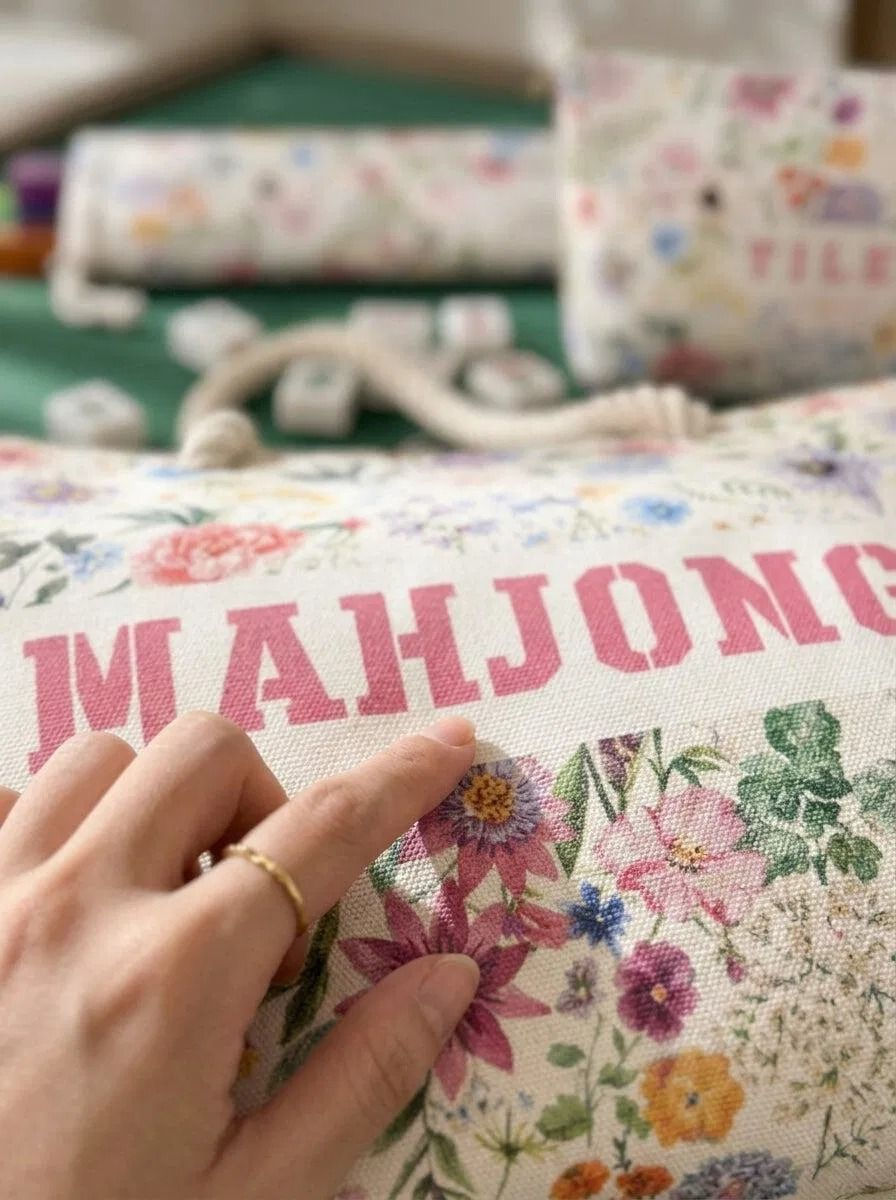
A chinoiserie mahjong rack bag is a fabric carrier—typically featuring traditional Chinese, Japanese, or inspired Eastern motifs—designed to hold a complete American mahjong set (160 tiles including racks, mat, dice, and pushers) during transport. We stock bags in quilted, jacquard, and embroidered styles at Mahstead, ranging from compact single-rack pouches to full set cases with multiple compartments. Most hold one standard set securely; larger versions accommodate two sets. Cost varies by material and embellishment; the pillar collection at mahjong bags and cases shows current options and pricing. Choose one with reinforced seams, zippered closures, and interior padding if you travel weekly or store your tiles between games. Avoid bags without compartments—loose tiles and racks shift during transport and risk damage.
Why does chinoiserie design matter for a mahjong bag?
Chinoiserie aesthetic—including hand-painted motifs, silk-like jacquard weaves, and embroidered cranes, peonies, or pagoda scenes—reflects the cultural heritage of the game itself. Many players choose these designs because they honor mahjong's origins while adding a personal touch to equipment that sits on the table for hours each week. A beautiful bag also makes carrying your set to someone's home or a mahjong night feel intentional and proud rather than utilitarian. That visual connection can deepen how you relate to the game and your weekly ritual.

What's the difference between a rack bag and a full set case?
A rack bag holds racks, pushers, and dice in one pouch—ideal if your mat and set tiles already live at home or one player's house. A full set case includes compartments for the entire 160-tile set, mat, racks, dice, and scorepad, making it the choice for rotating games or travel. Rack bags are lighter, more affordable, and fit in a regular tote; full cases are heavier but eliminate the need for a separate tile box. If your group plays at the same location most weeks, a rack bag suffices. If you rotate hosts or travel, a full case protects every component and simplifies setup.
How do you choose the right size and capacity?
Before ordering, measure your racks (most standard American racks are roughly 2–3 inches tall when stacked). Check whether your mat rolls or folds (rolled mats need a longer, tube-like compartment; folded ones fit flat cases). Count your accessories: one set of dice, one scorepad, one pusher set, plus racks. Visit mahjong racks with pushers to confirm your hardware dimensions. Then cross-reference the bag's listed interior measurements on the product page. A bag labeled "fits one American set" should accommodate 152 tiles plus racks; "fits two sets" holds two complete configurations. Always add 1–2 inches of buffer space for padding and zipper clearance.
🀄 Shop best-selling mahjong sets →
What materials offer the best protection and longevity?
Quilted cotton or poly-blend: soft, breathable, washable; ideal for weekly local games; ages gracefully but offers moderate protection. Jacquard or embroidered silk-blend: elegant, durable, water-resistant; resists fraying and holds color; best for players who display their bag or travel monthly. Faux leather with embroidered panels: wipeable, rigid structure, protects corners; suits frequent fliers. Rigid plastic or wood-frame cases: maximum protection; heavier; for serious collectors. We recommend jacquard or embroidered cotton-blend for chinoiserie designs—they resist staining better than plain cotton while maintaining that refined Eastern aesthetic. Check the product description for lining material; a soft fleece or muslin interior prevents tile scratches and dings.
Material | Best for | Care | Durability | Aesthetic |
Quilted cotton | Weekly local play | Machine wash, air dry | 3–5 years | Casual charm |
Jacquard/embroidered blend | Monthly travel | Spot clean | 5–8 years | Refined, traditional |
Faux leather + panels | Frequent traveler | Wipe with damp cloth | 4–6 years | Modern classic |
Rigid case | Collector/storage | Dust with soft cloth | 10+ years | Protective, minimal |

What to check before you buy
Compartment count: Does it separate racks from tiles, or is everything mixed? Separated compartments prevent tile chipping.
Interior lining: Is it soft (fleece, muslin, felt)? Hard plastic linings can crack tiles over time.
Closure type: Zipper, snap, or velcro? Zippers are most secure for travel; velcro is quickest for home storage.
Handles and straps: Reinforced stitching where handles attach? Test the weight—can you comfortably carry 8–12 pounds (a full set with mat)?
Water resistance: Is the outer fabric treated or coated? Essential if you store the bag in a damp basement or car trunk.
Exterior dimensions: Will it fit your car, closet, or luggage? Measure before ordering.
🎁 See our most-loved mahjong sets & accessories →
Comparing chinoiserie bags by use case
We serve three types of players:
The weekly regular plays at the same home every Tuesday. You need a compact, washable rack bag that holds your pushers, dice, and scorepad. A quilted chinoiserie cotton bag is affordable, easy to clean, and looks lovely on a shelf. Shop our travel bag collection for styles under that budget.
The rotating host moves between friends' homes monthly. A medium full-set case with jacquard or embroidered detailing protects your entire 160-tile set, mat, and racks in one case. Reinforced handles and a rigid base prevent shifting. This is the workhorse option—it justifies the extra investment through reliability and longevity.
The avid traveler takes mahjong on vacations, cruises, or extended stays. A hard-shell or faux-leather case with TSA-friendly zippers and water-resistant outer fabric is non-negotiable. Padded interiors and compartments for two sets let you bring backups or trade sets with other travelers.
✨ Find your Mahstead set — free US shipping →
How chinoiserie design pairs with your mahjong set
Your bag doesn't have to match your tile set, but harmony feels intentional. If you own engraved American mahjong sets with Western motifs (names, dates, or personal imagery), pair them with a simpler, solid-colored or minimalist chinoiserie bag—the tiles are the star. If your tiles are classic acrylic with traditional numbering, a bold embroidered or hand-painted bag celebrates the game's heritage and draws the eye. Browse best-selling sets to see what aesthetic resonates, then shop complementary bags. Many players own two bags—one for show, one for daily use.
Durability and maintenance tips
Quilted bags: Spot-clean stains with mild soap and cold water; air-dry flat. Machine wash on gentle cycle if label permits. Replace worn straps by a tailor if necessary.
Embroidered/jacquard bags: Avoid machine washing; use a damp cloth for spills. Hang to dry. Store in a breathable dust cover (not plastic) to prevent mildew.
Faux leather/rigid cases: Wipe exterior with a damp cloth; dry immediately. Use a soft brush on embroidered panels to lift dust. Store in a cool, dry place away from direct sunlight (which can fade colors and stiffen material).
All bags: Never overstuff. Racks, tiles, and mat should fit with gentle pressure—forcing zippers stresses seams and can damage the closure mechanism. Check corners and seams annually for fraying or separation.

FAQ
Can a chinoiserie rack bag hold a full American mahjong set, or just the racks?
Most chinoiserie rack bags hold racks, pushers, and dice but not the 160 tiles or mat. Larger full-set cases with chinoiserie designs accommodate the entire set. Check the product description for interior dimensions and compartment layout before ordering. If unsure, contact the seller with your set's measurements.
What's the standard size of an American mahjong set, and will any chinoiserie bag fit it?
An American mahjong set includes 160 tiles (roughly 1.5 inches square), racks (2–3 inches tall stacked), a mat (24–48 inches folded), dice, and pushers. Not all chinoiserie bags fit all sets. Measure your components and compare them against the bag's interior dimensions (usually listed on the product page). A bag labeled "American mahjong set" should work; if unlabeled, ask the seller.
Are chinoiserie bags more expensive than plain ones, and why?
Embroidered and hand-painted chinoiserie designs typically cost more than solid-color bags because of labor, materials (silk-blend, jacquard weaves), and artisan work. A basic quilted cotton bag is cheapest; jacquard or embroidered options cost more; rigid leather or wood cases cost most. Price reflects durability and aesthetics. Choose based on how often you travel and whether you display your bag.
How do I clean an embroidered or painted chinoiserie mahjong bag without damaging the design?
Use a soft, damp cloth (not submerged water). Gently wipe the exterior and spot-treat stains. Air-dry flat in a shaded area. Avoid machine washing, direct sunlight, and harsh chemicals. For stubborn stains, test a small hidden corner first. If the bag is delicate or antique, professional dry-cleaning may be safer.
Can I use a chinoiserie mahjong bag for storage between games, or only for travel?
Absolutely—many of us store our sets in beautiful bags year-round because they protect tiles from dust, sunlight, and humidity while looking intentional on a shelf or closet. Ensure the bag is stored in a cool, dry place away from extreme temperatures and moisture. Avoid plastic storage boxes, which trap humidity and can warp tiles over time.
What's the difference between a chinoiserie bag and a regular padded mahjong case?
Chinoiserie bags feature Eastern-inspired aesthetic (embroidered cranes, painted pagodas, silk jacquard motifs) and prioritize visual appeal alongside function. Regular padded cases are utilitarian—plain colors, minimal design, maximum protection. Chinoiserie bags are for players who value beauty and heritage; regular cases suit those who prioritize durability and simplicity. Both protect your set; the choice depends on whether your bag lives on display or in a closet.


View More
View More
View More
