
Chinoiserie Mahjong Accessories: A Buyer's Guide
Last updated: Nov 23, 2026
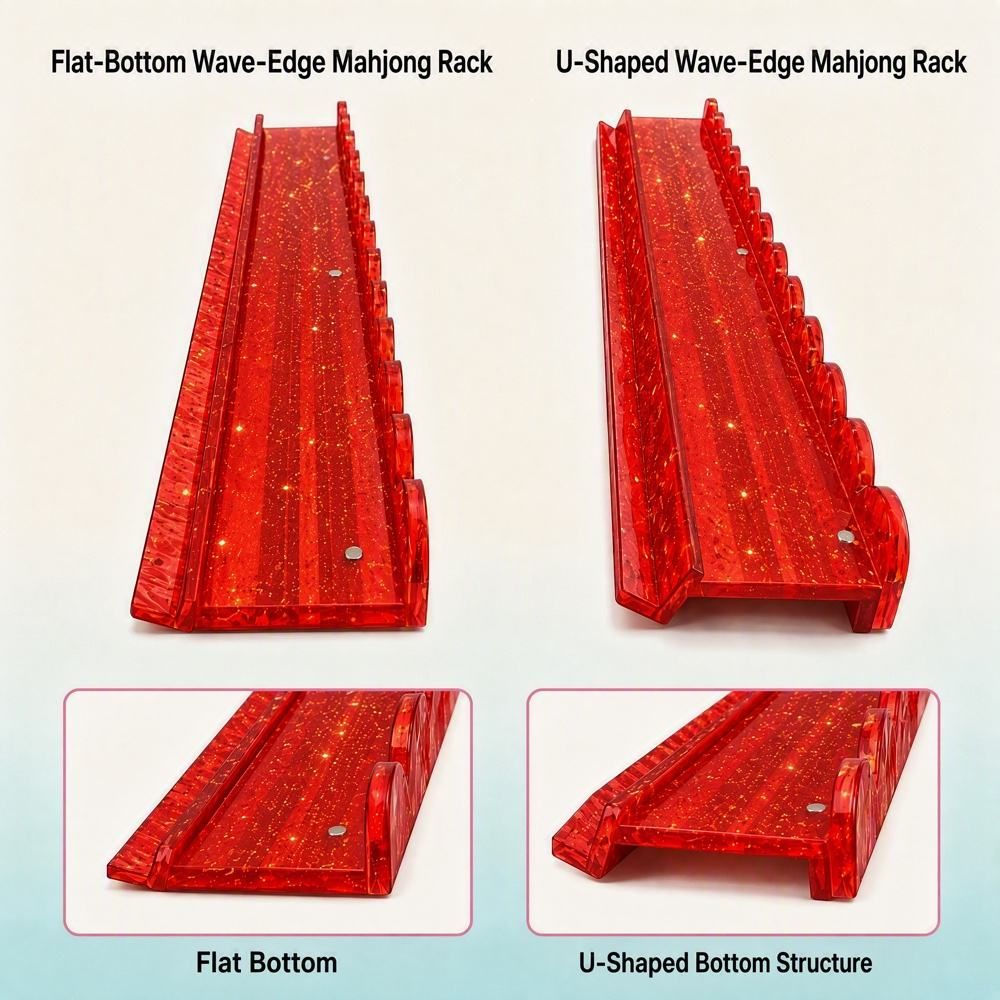
Chinoiserie mahjong accessories blend classical East Asian motifs—jade dragons, silk patterns, landscape paintings, porcelain textures—with contemporary Western craftsmanship. These pieces range from engraved acrylic sets with hand-painted details to decorative mats and bags featuring traditional silk-screen prints or embroidered borders. Prices vary widely based on tile material (acrylic versus bone/bamboo), customization level, and storage quality. At Mahstead, we design engraved 160-tile acrylic sets in chinoiserie themes—dragons, peonies, calligraphy—that ship free across the US and work for both seasoned players and collectors drawn to aesthetic detail. Before ordering, confirm the set includes exactly 152 playing tiles plus 8 jokers, matches current-year NMJL card hands, and arrives with a durable carrying case. Avoid mixing vintage chinoiserie tiles (often non-standard sizing) with modern racks or mats; measure your mat width before buying racks to ensure they fit.
🀄 Shop best-selling mahjong sets →
What makes chinoiserie mahjong design different from other themes?
Chinoiserie prioritizes hand-painted brushwork, jade-green and crimson tile faces, and ornate brass or silk elements that evoke imperial Chinese and traditional Asian court aesthetics. Unlike minimalist or Western geometric designs, chinoiserie pieces celebrate narrative detail: dragons coiling across tile backs, prunus blossoms in each corner, calligraphy numerals that double as art. The goal is a set that plays beautifully and sits proud on a shelf between games. Mahstead's engraved American mahjong sets in dragon and peony patterns use color-fast acrylic and precision engraving to hold those fine lines through years of weekly play—no fading, no chipping at the edges where cheaper decals wear off.
Which material works best: acrylic, bone, or bamboo?
Acrylic dominates chinoiserie sets today. It's durable, accepts hand-painted detail, resists humidity (crucial for tiles stacked on mats), and costs less than bone or bamboo. Acrylic tiles won't warp if a game room's air conditioning cycles, and deep engraving holds design details that printed surfaces lose. Bone and bamboo evoke heirloom quality but demand careful storage (humidity fluctuates, tiles separate at the glue line), cost significantly more, and often come from vintage sets where tile sizing may not match modern racks or cases. If you host weekly games and want chinoiserie beauty without museum-piece anxiety, acrylic is the practical win. Mahstead's 160-tile acrylic sets deliver the ornamental richness chinoiserie players love while tolerating casual shuffling, stacking, and cross-country shipping.
What's the difference between a chinoiserie set, mat, and case—and do you need all three?
Item | Purpose | Chinoiserie Role | Budget Basis |
160-tile acrylic set | Play (152 tiles + 8 jokers + rack/pusher) | Ornate tiles with dragon or landscape motifs | Core purchase |
Mat (felt or vinyl) | Playing surface; tile grip; wall protection | Embroidered borders, silk-screen prints, jade-tone backing | Complements tile design |
Carrying case or bag | Transport; storage between games | Quilted silk lining, brocade exterior, brass clasps | Optional but recommended |
You can play with only a set and a bare table, but a chinoiserie mat anchors the aesthetic and improves grip on shuffled tiles. A matching case preserves tile detail during travel and creates a presentation-worthy package for gift-giving. Many players start with the best-selling collection—set plus mat—and add a travel bag or case after their first season of hosting.
How do you know if a chinoiserie set will fit your existing mat and racks?
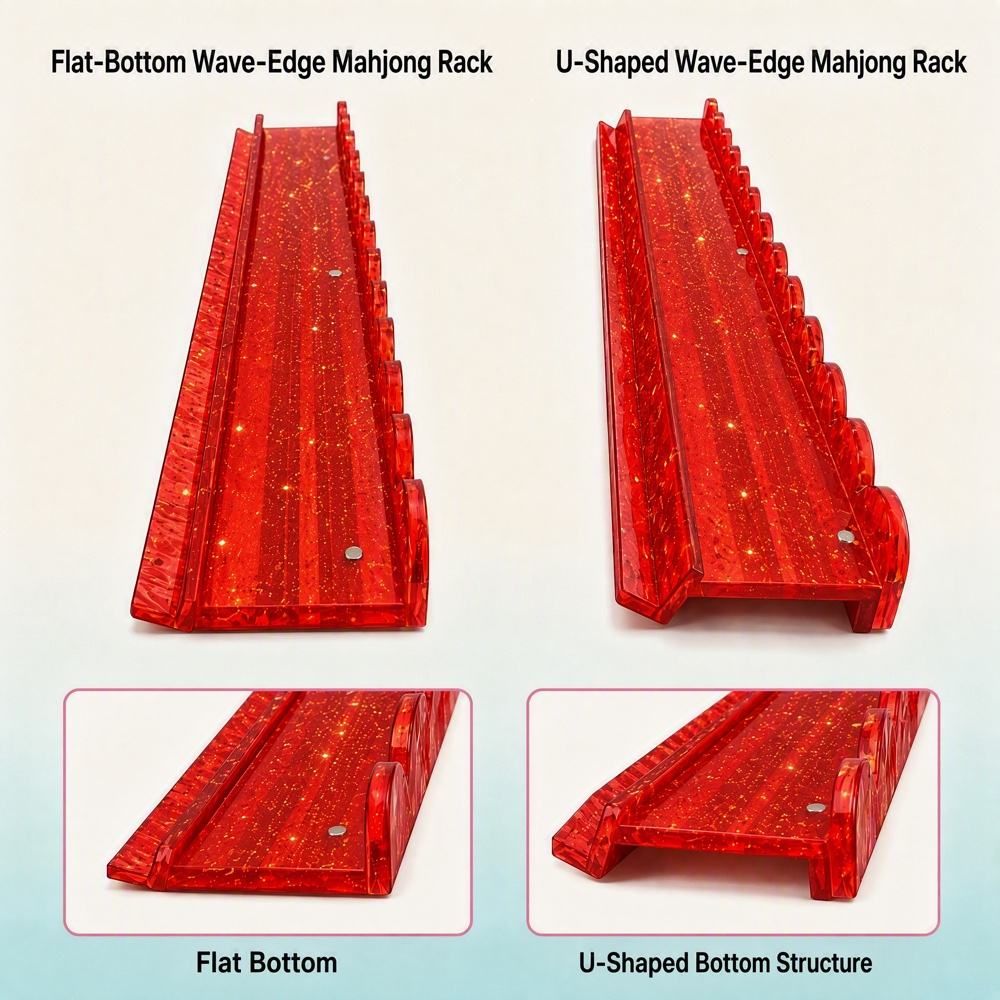
Measure your mat's width. Most mats accommodate standard acrylic tiles (roughly 1 inch square), but vintage or oversized bone tiles run wider—1.1 to 1.3 inches—and jam into modern racks. Check that your rack width matches your tile size: Mahstead's racks with pushers are engineered for standard 160-tile acrylic sets and fit all current Mahstead mats. If you own a vintage chinoiserie set with bone tiles, verify the tile dimensions before pairing it with new storage; mismatched sizes cause cracking. Always request tile measurements from the seller before checkout. Pro tip: if you're replacing both mat and set, buying them together—both chinoiserie—guarantees visual and mechanical harmony.
🎁 See our most-loved mahjong sets & accessories →

What should you check before ordering a chinoiserie set?
Before checkout, confirm five details:
• Tile count & jokers: 152 playing tiles + 8 jokers only. Any set claiming more is padding with blanks (spares, not played). • Current-year NMJL card compatibility: The set must work with 2026 hands. Vintage chinoiserie sets use older card formats and won't pair with today's legal hands. • Material & finish: Acrylic with hand-painted or engraved details resists fading. Avoid sets with simple decals—they peel. • Rack and mat fit: Confirm tile dimensions before ordering racks separately. Standard Mahstead tiles are 1 inch square. • Case or bag included: Check if storage ships with the set. A chinoiserie set deserves a lined case that protects engraving and makes gifting easier. • Shipping & condition: Confirm free US shipping and what damage coverage applies. Acrylic tiles are forgiving but wide cracks can't be repaired.
Many buyers skip these checks and discover—too late—that their heirloom chinoiserie set from a vendor overseas lacks jokers, uses a 1999 card format, or has tiles too large for their mat. Take three minutes to verify; it saves weeks of frustration.
Why do chinoiserie sets make better gifts than plain designs?
Chinoiserie sets signal that you've thought beyond the game. A recipient who loves Asian art, collects porcelain, or decorates with jade accents will display a dragon-motif mahjong set year-round—on a shelf, a side table, even a wall-mounted case. Plain or minimalist sets vanish into closets. Mahstead's Christmas mahjong sets include holiday chinoiserie options (evergreen, poinsettia, gold calligraphy) that marry festive detail with classic aesthetics, making them standout gifts for players and collectors alike. If the recipient is new to mahjong, pair a chinoiserie set with a beginner-friendly guide; if they host weekly games, add a matching mat to unlock the full visual payoff. Chinoiserie gifts work because they reward daily use and aesthetic appreciation—a rare dual purpose in tabletop gaming.
✨ Find your Mahstead set — free US shipping →
A quick comparison: When to choose chinoiserie vs. other aesthetic themes.
Choose chinoiserie if: you want narrative detail, host multigenerational games, collect Asian art, or gift to someone who blends game nights with home décor. Chinoiserie sets justify premium materials and higher customization budgets because you're paying for design coherence.
Choose minimalist or modern if: you prioritize speed of play over visual richness, travel frequently, or play in casual settings where aesthetics matter less than durability. Modern designs cost less and stack faster.
Choose thematic (Christmas, seasonal, personalized titles) if: you're marking a specific event, gifting to someone with a particular hobby (gardening, astronomy, family surnames), or want a talking point. Mahstead's engraved sets with custom titles let you bridge chinoiserie beauty and personal meaning in one piece.
What to check before you buy:
Before ordering any chinoiserie set, ask yourself:
Will I play weekly or display it?
Do my existing racks and mat match this tile size?
Does the set include 152 tiles + 8 jokers, not more?
Is it current-year NMJL–compatible?
Does the design survive shipping unscratched?
One last thing: Mahstead ships all sets free across the US. If your chinoiserie set arrives and a tile face is cracked or engraving is smudged, reach out immediately. Acrylic is tough, but we stand by our work.
FAQ
Can I use a vintage chinoiserie mahjong set from my grandmother with modern racks and mats?
Not safely. Vintage sets often use bone or bamboo tiles sized 1.1–1.3 inches—wider than modern 1-inch standard tiles. This causes racks to pinch and crack tiles. Measure your grandmother's tiles before attempting. If they're oversized, keep them as display art or learn to shuffle them by hand on a broad felt mat (no racks).
What's the difference between hand-painted and engraved chinoiserie tile faces?
Hand-painted chinoiserie tiles are literally brushed by an artisan—slower, costlier, and prone to fading over years. Engraved tiles have designs cut or scored into the acrylic surface itself, making them permanent and fade-proof. Mahstead uses precision engraving to preserve chinoiserie detail through thousands of shuffles.
Do I need a special mat for a chinoiserie set?
No, but a matching mat elevates the presentation. A mat with embroidered or silk-screen borders in the same color palette (jade green, crimson, gold) unifies the aesthetic. Any standard felt or vinyl mat works functionally, but chinoiserie pairs best with chinoiserie. Check Mahstead's mahjong mats collection for designs that complement your set.
Are chinoiserie sets compatible with American mahjong rules, or do they follow Chinese rules?
Chinoiserie is purely aesthetic. A chinoiserie set plays American mahjong (152 tiles, 8 jokers, current-year NMJL hands) or Chinese mahjong (144 tiles, no jokers, 8 flowers)—depends on the tile count and rules you choose. Always confirm the set has 152 tiles and 8 jokers if you want American play. If you're new to the game, learn how to play American mahjong before choosing a set variant.
Can I customize a Mahstead set with my own chinoiserie design—say, my family name in calligraphy?
Mahstead specializes in engraved acrylic sets with design motifs (dragons, peonies, family names, initials). Discuss your vision directly: many players commission custom-titled sets that blend chinoiserie elegance with personal meaning. Turnaround and cost depend on complexity.


View More
View More
View More
