
Where to Play Mahjong in Des Moines: Local Games & How to Start
Last updated: Nov 23, 2026
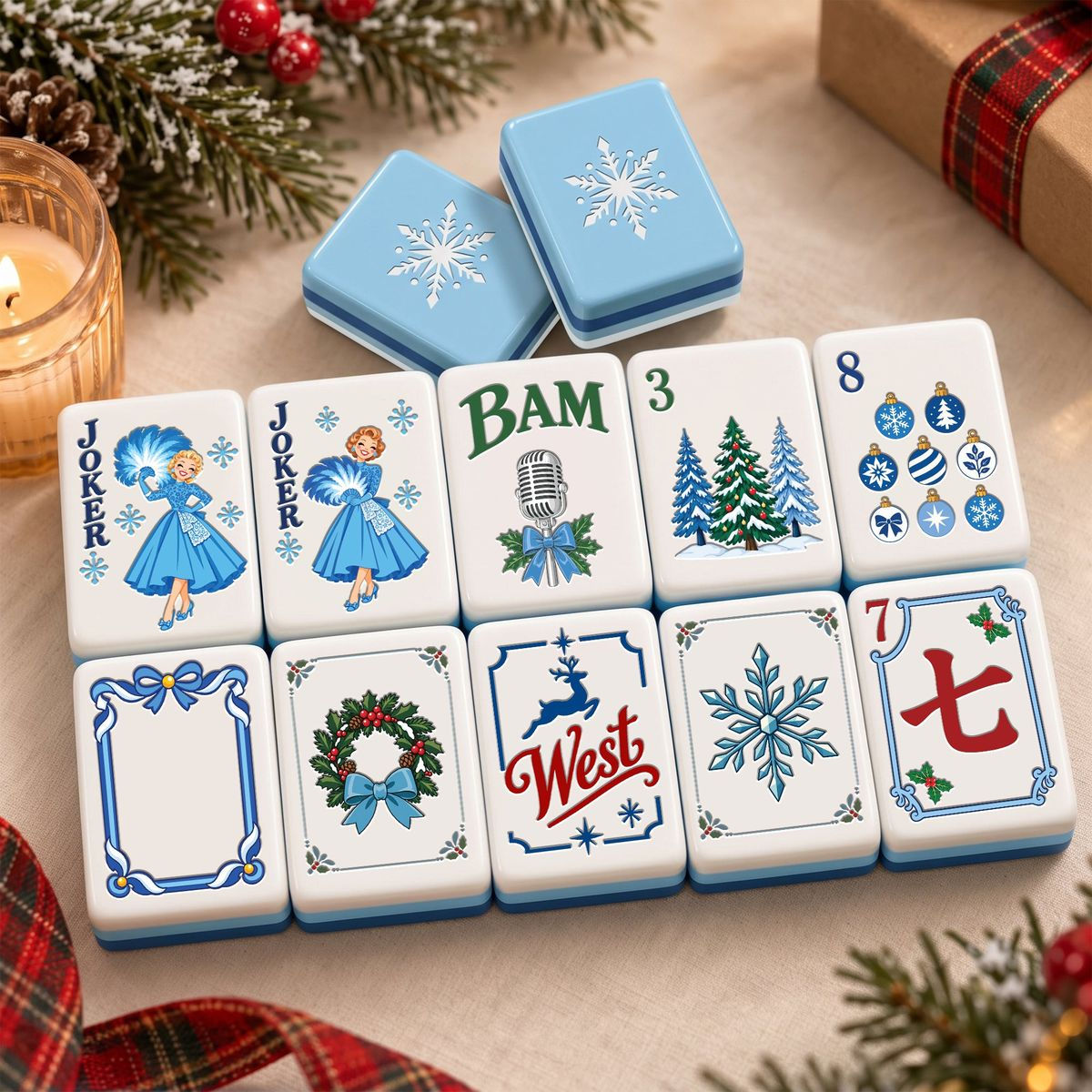
Des Moines mahjong players typically gather at public libraries (check their adult program calendars), community centers offering game nights, and synagogues or country clubs with recreational groups. Private games meet weekly in homes—the most common setup. To find an active game: call the Des Moines Public Library reference desk, search Meetup.com for "mahjong Des Moines," ask at local senior centers, or post on community Facebook groups. Most games use the American rules and require a current National Mah Jongg League card (updated each spring). A typical game runs 2–3 hours with four players. You don't need a full set to join—hosts usually have equipment—but if you're hosting, a quality best-selling mahjong set with a mat and racks makes the experience smoother for everyone.
Where do casual players gather in Des Moines?
Des Moines public libraries often list mahjong game nights in their adult activity bulletins or online calendars—call ahead to confirm times and skill levels. Many community recreation departments also offer drop-in game nights or beginner lessons during winter months. Synagogues and Unitarian churches occasionally host mahjong groups as social events; ask your place of worship or search local faith community websites. Country clubs and senior centers in the metro area (Ankeny, Urbandale, Waukee) sometimes sponsor afternoon games. Start by phoning the main library branch or checking their website for event listings; if nothing shows up, ask the librarian—they often know local players personally and can point you toward private groups.

How do I find a regular weekly game?
Meetup.com remains the most reliable search tool for recurring local groups; filter by "mahjong" and your zip code. Facebook community groups (search "Des Moines games," "Des Moines social groups," or "Des Moines 50xxx residents") often have posts from hosts recruiting players. If you know one player, ask them directly—most invite newcomers to standing Thursday or Friday night games. Post on Nextdoor asking if anyone plays; you'll often get responses within 24 hours. Attend a library event once and exchange contact info with regulars; they'll loop you in. Be honest about your skill level in your initial message—groups often have beginner-friendly and advanced tables, and a good host will put you with similarly experienced players.
What should I know before joining a game?
Most Des Moines games use American mahjong rules with the current National Mah Jongg League card (printed each spring). Bring cash if there's a kitty (typically a small buy-in to cover snacks or cards). Wear comfortable clothes—you'll sit for 2–3 hours. Arrive 10–15 minutes early so the host can run you through house rules (fast or slow play, payment structure, tile-discarding style). Ask whether jokers are house rules or strict League rules; nearly all American games allow jokers, but the strictness varies. Don't worry about winning your first few games; most players are happy to help beginners understand patterns. If the group feels too competitive or you're not comfortable, try another game—there are different vibes in different homes.
What's the difference between joining and hosting?
Joining requires no equipment—just show up, listen, and ask questions. Your host manages setup, shuffling, seating rotations, and scoring. Hosting means you own the mahjong set, and you're responsible for keeping tiles in good condition, setting the table, and settling disputes (know the League card rules). A host also typically pays for snacks or picks the venue. Many players rotate hosting duties; if you enjoy the game and want a regular group, offering to host one night a month is a good way to build friendships and earn hosting respect. You'll need a good set, a mat (to protect your table and muffle tile noise), racks with pushers (so players don't bump the wall), and a quiet, comfortable space. Hosting is more work but also more control—you set the pace, house rules, and atmosphere.

What equipment makes hosting easier?
A quality acrylic American mahjong set with engraved tiles is quieter, more durable, and looks professional—tiles are easier to read under lamps and won't crack after a few seasons. A mahjong mat protects your dining table, dampens noise, and gives the game a real table feel. Racks with pushers keep tiles organized and prevent accidental reveals (a common beginner mistake). A travel bag or case keeps everything in one place if you transport it between venues. You'll also need a current League card (buy one from the National Mah Jongg League) and pen for score tracking. Many hosts keep extra scorecards and pen handy. A small speaker for background music and good overhead lighting round out the setup. These items are one-time investments that last years if cared for properly.
Equipment | Why it matters | Best for |
Acrylic set | Durable, quiet, legible tiles | Any hosting situation |
Mahjong mat | Protects table, reduces noise, defines play area | Home hosting |
Racks with pushers | Prevents tile chaos and accidental reveals | Learning groups & friendly games |
Travel bag | Protects set, makes transport easy | Weekly rotations or new host |
Dice and League card | Keeps game fair and rule-compliant | Every game, no exceptions |
🀄 Shop best-selling mahjong sets →
How do I learn if I'm new to the area?
Search for beginner-friendly games by telling organizers explicitly that you're new to mahjong or to Des Moines. Many groups have one table that rotates newer players and one for experienced players; ask for the beginner slot. YouTube has solid rule tutorials—search "American mahjong rules explained" and watch a few while reading along with our mahjong for beginners guide. A friend who plays is invaluable—ask them to invite you to their game and sit beside you for the first round. Public library beginner classes sometimes run in January or February; check their winter catalog. Don't feel rushed to memorize all 50 hands on the League card; you'll learn by example. After 4–5 games, most patterns stick. Online mahjong apps let you practice at your own pace before sitting down with real players, though nothing beats table practice. The community is generally welcoming to newcomers—most players remember learning themselves.
✨ Find your Mahstead set — free US shipping →
What to check before you buy a set for hosting
Verify the set includes 152 playing tiles plus spares in a single box—no missing tiles means no delays mid-game. Check that tiles are clearly engraved (not printed), so markings won't fade with repeated shuffling. Test the weight; lighter acrylic tiles (not heavy ceramic) are easier on hands during long sessions. Confirm the set comes with 8 jokers—American mahjong requires exactly 8, no fewer. Look for a mat and racks option if you're buying fresh; bundling saves space and money. Verify free shipping across the US, especially if you're new to a brand. Read user notes about tile size—most prefer standard size (about 1 inch × ¾ inch), which fits standard racks. Buy from a vendor focused on American mahjong (not Chinese sets), so rules and tile faces match the League card.
🎁 See our most-loved mahjong sets & accessories →

FAQ
Do I need my own set to play in a game?
No. Hosts provide sets. You only need one if you're hosting or want to practice alone. Many players own a set but play with others' equipment at regular games.
Are Des Moines games American mahjong, Chinese mahjong, or mixed?
Nearly all Des Moines games are American mahjong using the National Mah Jongg League card. Chinese and other variants are rare outside specialty groups. Ask the host which rules they follow before joining.
How much does it cost to join a game?
Typically free, or a small kitty ($1–5 per person) that covers snacks or cards. Some games have prizes for winners; others play for fun only. Confirm house rules with your host.
What's the best time of year to find new games in Des Moines?
Fall and winter see the most activity—September through March. Summer games thin out as people travel. Early September is ideal for joining, when the new League card is released and groups refresh.
Can I host a game with just friends, or do I need to join an official group?
You can host privately anytime. Many players' groups started as home games among friends. A good set, mat, and current League card are all you need to run a fair game.
Where do I buy the National Mah Jongg League card in Des Moines?
Order directly from the League's website (search "National Mah Jongg League card"). Some libraries carry it; call ahead. You can also print a digital version from the League if you have internet access during play.


View More
View More
View More
