
Chinese Official Mahjong Scoring Chart Explained
Last updated: Nov 23, 2026
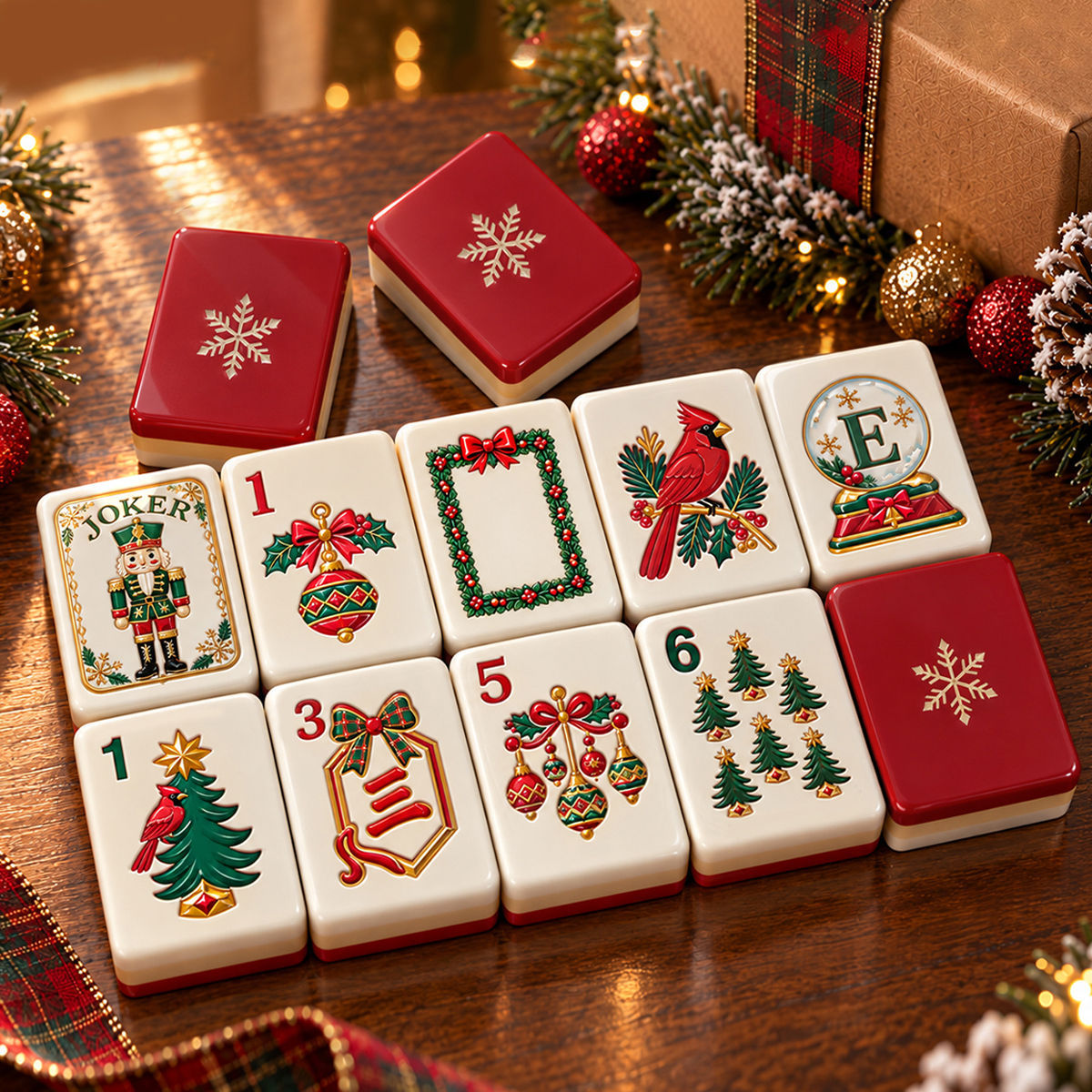
Chinese official mahjong scoring uses a fan-based system where hand complexity determines multiplier points. A "fan" chart lists specific patterns—combinations of suited sequences, triplets, honors, dragons, winds—each worth one or more fan points. The basic formula is: points = base points × 2^(fan count). A hand needs minimum fan (typically 1 in casual play, 3 in tournament play) to win. Unlike American mahjong, which uses a fixed card for legal hands, Chinese scoring rewards creativity: identical suited sequences ("all simples"), mixed triplets, "all terminals," dragon pairs and wind dominance all score. Each region—mainland China, Hong Kong, Taiwan—reads the chart slightly differently, adjusting which patterns qualify and how many fan each earns. Scoring runs from 1 fan (8 base points) up to 13+ fan ("limit" hands worth maximum payout).
How does the fan system actually work on the scoring chart?
Each pattern on a Chinese scoring chart carries a "fan" value. Fan acts as a multiplier: 1 fan = base points × 2¹, 2 fan = base points × 2², up to 13+ fan = maximum payout. Multiple patterns in one hand stack their fan; a hand combining "all simples" (1 fan) + "outside only" (1 fan) earns 2 fan total, doubling the multiplier. The base is always 8 points; from there, fan determines final payment per player. A hand with zero fan cannot be declared winner, even if tiles match.

What's the difference between mainland Chinese and Hong Kong scoring?
Mainland China's official chart emphasizes simpler, more frequent patterns; Hong Kong's chart (often called "common hand") rewards rarer, more complex melds with higher fan values. Mainland: "all simples" = 1 fan, "all triplets" = 3 fan, "all terminals and honors" = 8 fan. Hong Kong: "all simples" = 2 fan, "all triplets" = 3 fan, "limit" hands (13+ fan) → fixed maximum payout. Taiwan's variant falls between, adding bonuses for "blessing of man" and "blessing of heaven" (winning on draw or before discarding). When joining a new group, ask which region's chart you're using first.
How do you count fan from multiple patterns in one hand?
Patterns nest, but not all combinations add fan—some replace earlier calculations. Start by identifying every pattern: suited sequences ("all bamboo")? Honor-heavy? Triplet-dominant? Each scores independently, then sum. Example: A hand of all bamboo sequences (1 fan) + all triplets (3 fan) + red dragon pair (1 fan) = 5 fan total. However, some patterns are "mutually exclusive"—you cannot score both "all simples" and "all terminals" in the same hand. Always refer to your chart's "exclude" or "conflict" notation, usually marked with an asterisk (*) or note. Mainland and Hong Kong charts differ here; Taiwan adds its own rules. When in doubt, default to the most conservative count.
What is a "limit" hand and why does it matter?
A "limit" hand (also "ceiling" or "天和") scores 13+ fan or meets special conditions—blessing of heaven (winning on the first discard draw as dealer), blessing of man (winning before dealer discards first tile), or four-player completions of identical kongs. Limit hands pay a fixed maximum, not calculated by formula, simplifying payouts when hands are exceptional. In mainland China, limit = fixed value per player (e.g., 8,000 base points). Hong Kong and Taiwan vary. This cap prevents runaway scores from stacking too many rare patterns. If your hand reaches limit, announce it immediately—scoring stops there; you do not calculate further fan.
Which patterns count as 1 fan vs. 2+ fan on most charts?
One-fan patterns include eye (pair of dragons/winds/flower-adjacent suits), all simples (1–7 only, no terminals/honors), mixed one suit (sequences and triplets from one suit, no dragons/winds). Two-fan patterns: all triplets (no sequences), pure one suit (one suit only, any numbers, no honors), outside only (terminals and honors only). Three-fan: all terminals, little three dragons (two dragon pairs + honor pair). Higher: all honors (7 fan+), four kongs (13+ fan, limit), blessing patterns (variable by region). A printed chart from your region is essential—do not rely on memory. Mainland China's chart emphasizes accessibility; Hong Kong's rewards complexity; Taiwan's blends both. Carry a copy to every session until patterns become automatic.
🀄 Shop best-selling mahjong sets →

Why do different regions score the same hand differently?
Regional charts evolved to suit local play preferences. Mainland China's Mahjong Association standardized scoring to encourage frequent play and teaching; fewer fan thresholds, more accessible hands. Hong Kong developed "common hand" scoring during commercial play in mahjong parlors; higher fan values for rarer patterns meant bigger payouts and more excitement. Taiwan incorporated both systems plus betting bonuses tied to dealer position and draw timing. The core formula (fan = multiplier, base = 8 points) remains constant, but which patterns unlock fan, and at what value, differ. Always request the specific chart your group uses before sitting down—mixing mainland and Hong Kong scoring mid-game creates disputes.
A quick comparison: Which scoring system suits your group?
Variant | Min Fan to Win | Ease for Beginners | Payoff Range | Best For |
Mainland China | 1 fan (casual) | High—simpler patterns | 8–256,000 pts | Learning, casual weekly play |
Hong Kong | 1 fan (casual) | Medium—complex patterns | 8–128,000 pts | Social, competitive groups |
Taiwan | 1 fan (casual) | Medium—region-specific | 8–unlimited | Regional communities, betting |
🎁 See our most-loved mahjong sets & accessories →
Common mistakes: What players get wrong on the scoring chart
Stacking mutually exclusive patterns. A hand cannot score both "all simples" and "all terminals"—choose the higher fan. Check your chart's exclusion list.
Forgetting the minimum fan threshold. In tournament play (often 3 fan minimum), a 2-fan hand you think is winning is actually a draw. Know your table's rule before play starts.
Misreading honor pairs. A red dragon pair is 1 fan only; a pair of player's wind (East, South, West, North as per current round) is also 1 fan—but a pair of both red dragon and player wind in the same hand does not double; patterns combine, they don't multiply again.
Not confirming all-one-suit quickly. "Pure one suit" (14 tiles all bamboo, for example) is high-value (2 fan). But if you miscount and one tile is a crak, you've lost the fan. Lay tiles out clearly before declaring.
Skipping the chart entirely. New players often guess based on "intuition." Scoring charts exist in print and online for every variant; use them. Print one for your table, laminate it, refer to it constantly until patterns stick.
What to check before you buy a scoring guide or chart
— Region specified (mainland China, Hong Kong, Taiwan, or "unified" international). Unmarked charts are often mainland; if your group plays Hong Kong style, the patterns will not match.
— Print clarity. Charts are dense; ensure your copy uses large font, clear icons for dragons/winds/bamboo, and organized sections (one-fan patterns grouped, two-fan grouped, etc.).
— Exclusion rules noted. Reputable charts mark which patterns conflict. Cheap or photocopied versions often omit this, leading to scoring disputes.
— English translation, if needed. Many traditional-Chinese-language charts lack English; if you're learning, a bilingual or English version saves hours.
— Year or edition date. Rules occasionally update (especially in mainland China's official standard); a 2015 chart may differ from 2024 guidance. Verify with your club.
How does Chinese mahjong differ from American mahjong in scoring?
American mahjong uses the National Mah Jongg League card, which lists all legal hands by year and pattern type (Like Numbers, Consecutive Runs, Etc.). Every hand on the card scores the same: 1 point ("value 1") to 4 points ("value 4"), determined solely by hand pattern, not tile rarity or complexity. There is no fan system, no multiplier, no stacking patterns. Chinese mahjong, by contrast, calculates points from fan values and base points, allowing unlimited hand creativity as long as patterns on the scoring chart are met. Learn how to read the American mahjong card for comparison. American players cannot move between tiles and suits freely mid-hand; Chinese players build around suit and honor combinations. American mahjong is rule-bound (fixed card); Chinese mahjong is pattern-bound (fan chart). Both use identical tile inventories but play radically differently.
✨ Find your Mahstead set — free US shipping →
How to use a fan chart at the table: step-by-step
Step 1: Identify your hand type. Lay tiles in three rows (sequences, triplets, pair). Scan: Are all tiles one suit? All triplets? Do you hold two or more dragons? Two honors?
Step 2: Cross-reference patterns on your chart. For each pattern you see, note its fan value. If your hand matches three patterns, list all three.
Step 3: Check for exclusions. Read the chart's notes—some patterns cancel others. "All simples" and "all terminals" cannot both score; take the higher fan value.
Step 4: Sum fan. Add all applicable fan values. Example: 1 fan (all one suit) + 1 fan (eye pair) = 2 fan total.
Step 5: Apply the formula. Points = base (8) × 2^(fan). At 2 fan: 8 × 2² = 32 base points. Multiply by how many players owe you (typically three, unless a winner has paid you already).
Step 6: Confirm with the table. Lay tiles out, call out your patterns, announce total fan and points before collecting. Disputes are settled faster if everyone sees the tiles and chart simultaneously.
This process slows down at first; after 10–20 hands, it becomes automatic. Laminate or frame a copy of your chart; pin it to the wall above the playing area.
What you'll need for Chinese mahjong play
Because Chinese mahjong scoring requires pattern recognition and chart lookup, we recommend a high-quality acrylic mahjong set with engraved tiles—clear tile faces speed pattern spotting, and durable construction lasts through countless scoring debates. Pair it with a dedicated mahjong mat to organize tiles visibly and a set of racks with pushers to keep hands upright and tiles legible while you reference your scoring chart. If you're hosting weekly play, a travel bag or case protects your set between sessions.

FAQ
Can I score a Chinese mahjong hand using American mahjong rules?
No. American hands are legal only if they appear on the National Mah Jongg League card; Chinese hands are legal only if they meet fan-chart patterns. The two systems are incompatible. Choose your variant before play begins.
What is the minimum fan count to win in Chinese mahjong?
In casual play, 1 fan is sufficient. Tournament or formal play often requires 3 fan minimum. Check with your host or group before sitting; this rule sets the difficulty level for the entire session.
How do I know which regional chart my group uses?
Ask directly: "Are we playing mainland Chinese, Hong Kong, or Taiwan mahjong tonight?" If unclear, request a printed chart and compare hand patterns. Most clubs display their chart at the table.
Can patterns in a single hand add up to more than 13 fan?
Yes, theoretically. However, most scoring charts cap payouts at 13+ fan (a "limit" hand), paying a fixed maximum instead of calculating further. This prevents infinite scoring and simplifies high-scoring situations.
Do I need to memorize the entire fan chart, or can I look it up during play?
You can reference a chart during play; most groups allow it. Over time, you'll memorize common patterns (1–3 fan). Rare, high-fan patterns are looked up every time—that's normal and expected.
What happens if two players declare winning hands in the same round?
In Chinese mahjong, the player who completes their hand first (either by draw or discard claim) wins that round and collects points from all others. Ties are rare; if two players claim simultaneously, the player seated east (dealer) or next in turn order wins by convention. Confirm this rule with your group.


View More
View More
View More
