
How Long Do Glitter Acrylic Mahjong Tiles Last?
Last updated: Nov 23, 2026
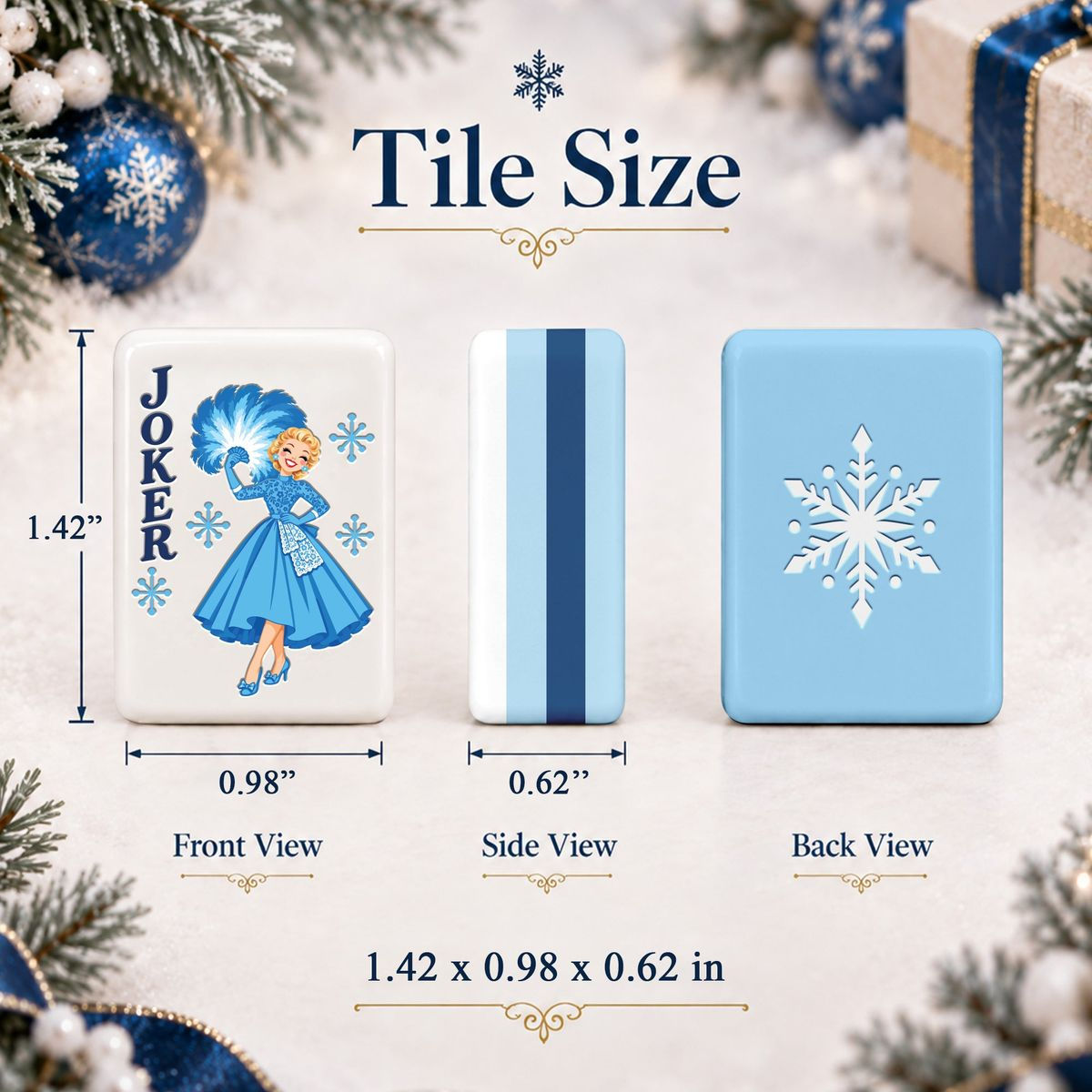
Glitter acrylic mahjong tiles typically last 5–15 years with weekly play before glitter dulls, scratches accumulate, and face paint fades noticeably. Durability depends on resin quality, glitter particle size, storage conditions, and shuffling intensity. Acrylic is softer than bone or bamboo, so glitter gradually wears from friction in your hands and against the mat. Heat and humidity accelerate fading; dry, cool storage extends life. Tiles stored in a padded bag last longer than those loose on a shelf. Our best-selling acrylic sets use UV-resistant resin and hand-painted or deep-set glitter to resist fading compared to surface-only glitter. Expect cosmetic wear (scratches, slight color shift) after 3–5 years; functional failure is rare but tile chipping can occur if dropped repeatedly on hard surfaces.
Glitter acrylic tiles fade, scratch, and yellow over years of play—here's what determines durability and how to protect your set.
What causes glitter acrylic tiles to fade?
Glitter embedded in acrylic resin fades through three mechanisms: UV exposure yellows the resin base, surface scratches dull the glitter sparkle, and humidity lifts paint layers from the tile face. Acrylic has no natural patina like bone; instead, it oxidizes and becomes hazy. Glitter particles, if applied as a surface coating rather than cast deeply into the resin, flake off during shuffling. Temperature swings cause resin to contract and expand slightly, cracking the bond between paint and tile. Store sets away from direct sunlight and heat vents to slow this process.

Does daily play wear glitter faster than occasional games?
Yes. A set played twice weekly will show visible glitter dulling within 18–24 months; a set played once monthly may stay bright for 5+ years. Shuffling shuffles shuffle—that's where acrylic tiles lose their sparkle fastest. Hand oils, talc from shuffling mats, and friction from the rack all accelerate surface wear. Our players who shuffle hard and fast (competitive speed players) report noticing sparkle loss in year two; casual players often don't notice until year four or five. High-friction shuffling on a bare table also wears tiles faster than shuffling on a padded mat.
How does humidity and storage affect glitter tile longevity?
Acrylic absorbs moisture in humid climates, softening the resin slightly and causing paint to bubble or lift from the tile surface. Tiles stored in basements or near windows in damp regions often show spotting or haze by year three. Dry storage—ideally 40–50% relative humidity and 65–72°F—keeps resin stable. Sealed padded bags and cases protect tiles from humidity swings far better than open boxes. Store bags in a closet or cabinet away from heat sources. In hot, humid climates (Texas summers, Gulf Coast), consider a moisture-control packet in your storage case.
Can you restore or repair faded glitter tiles?
Surface scratches and minor dulling cannot be reversed without professional tile restoration, which is impractical. Chipped or cracked tiles can sometimes be replaced individually if you source matching tiles, but most players simply retire a set or accept cosmetic wear as part of the game's character. Faded tiles remain fully functional for play; the wear is cosmetic. If a large number of tiles crack or chip due to impact, replacement becomes cost-prohibitive. This is why investing in a sturdy travel bag or case and a padded mat protects your tiles longer than storing them loosely.

What tile material lasts longest—acrylic, bone, bamboo, or plastic?
Material | Lifespan (weekly play) | Scratch resistance | Humidity tolerance | Best for |
Acrylic (deep-cast glitter) | 8–15 years | Moderate | Fair | Home players, engraved designs |
Bone & bamboo vintage | 20+ years | High | Excellent | Serious collectors, heirloom use |
Plastic (ABS resin) | 3–7 years | Low | Poor | Casual play, travel only |
Ceramic | 15+ years | Very high | Excellent | Tournament, museum-quality |
Bone and bamboo are harder and resist scratches better, but they're less common in American mahjong sets sold today. Acrylic dominates because it allows vibrant, custom engraving and hand-painted designs—including glitter—at accessible prices. Plastic tiles fade fastest; they're best for beginner sets or travel backup sets. Our mahjong tiles collection features acrylic sets with hand-painted faces and UV-resistant finishes that resist fading longer than budget plastics.
🀄 Shop best-selling mahjong sets →
How to extend glitter acrylic tile lifespan: a checklist
Storage & environment:
Keep tiles in a sealed, padded bag in a cool, dry closet (not a basement, attic, or car).
Maintain indoor humidity below 60% and temperature between 65–72°F.
Avoid direct sunlight and heat vents.
During play:
Use a padded mat beneath tiles to reduce friction and protect against drops.
Shuffle gently on the mat; aggressive shuffling on hard tables wears glitter fastest.
Wash hands before play to avoid oils transferring to tiles.
Wipe tiles with a soft, dry cloth if they feel dusty; never use water or cleaners.
Handling & transport:
Transport sets in a rigid case with foam padding, never loose in a bag.
Never stack heavy objects on top of a tile set.
Inspect tiles annually for cracks or chips that signal resin fatigue.
Replacement strategy:
If you play competitively or host weekly games, budget for a new set every 7–10 years.
Keep a backup set of the same size and style so you can retire the primary set gracefully.
Our new arrivals include sets with enhanced resin durability and glitter depth.
What to check before you buy glitter acrylic tiles
Glitter depth. Deep-cast glitter (glitter mixed into the resin during molding) lasts far longer than surface-painted glitter. Ask whether glitter is mixed in or applied on top.
Resin UV resistance. Check product descriptions for mentions of UV inhibitors or UV-resistant formulations; these slow yellowing.
Hand-painted vs. printed faces. Hand-painted faces (numbers and suit symbols) resist chipping better than printed decals because paint bonds more durably.
Tile thickness. Thicker tiles (≥7mm) are less prone to cracking from impact or thermal stress.
Storage included. Sets sold with padded bags or cases protect tiles during storage and transport, extending life significantly.
🎁 See our most-loved mahjong sets & accessories →
Our engraved American mahjong sets list glitter type and resin specs; read the full description before purchase. If you host weekly games or play in a club setting, prioritize deep-cast glitter and UV-resistant resin over visual flashiness alone.
✨ Find your Mahstead set — free US shipping →

FAQ
When should I replace glitter acrylic mahjong tiles?
Replace tiles when glitter has visibly dulled, scratches are deep enough to catch your fingernail, paint is flaking, or tiles are cracking or chipping. Cosmetic wear is normal; functional failure (cracking) signals end of life, typically 8–15 years with weekly play.
Does washing glitter tiles extend their life?
No. Never wash acrylic tiles with water or soap; water softens resin and lifts paint. Wipe tiles only with a clean, dry, lint-free cloth. Water damage can reduce lifespan by years.
Do glitter tiles from different manufacturers fade at different rates?
Yes. Tiles made with UV-resistant resin and deep-cast glitter fade slower than those with surface-applied glitter or standard acrylic. Mahstead sets are hand-painted with glitter depth and UV inhibitors formulated to resist fading longer than budget alternatives.
Can I slow glitter fading by keeping tiles in their box instead of playing?
Completely. Tiles stored unused in a sealed, cool, dark box stay bright for decades. Play accelerates fade; storage life is 20+ years under ideal conditions. Fading is caused by shuffling friction, sunlight, and humidity exposure during active use.
Are plastic mahjong tiles cheaper but they fade faster?
Yes. Plastic (ABS resin) tiles cost less upfront but glitter fades within 3–7 years, and plastic becomes brittle with age. Acrylic costs more but lasts 2–3 times longer and allows custom engraving. For a set you'll play weekly, acrylic provides better long-term value.
What's the best way to store glitter acrylic tiles long-term?
Use a padded, sealed bag or hard case stored in a cool, dry closet at 40–50% humidity and 65–72°F. Avoid basements, attics, cars, and direct sunlight. Check tiles annually for damage. Include a silica gel packet in tropical or humid climates to prevent moisture absorption.


View More
View More
View More
