
Chinese Mahjong With 2 Players: Rules & Setup
Last updated: Nov 23, 2026
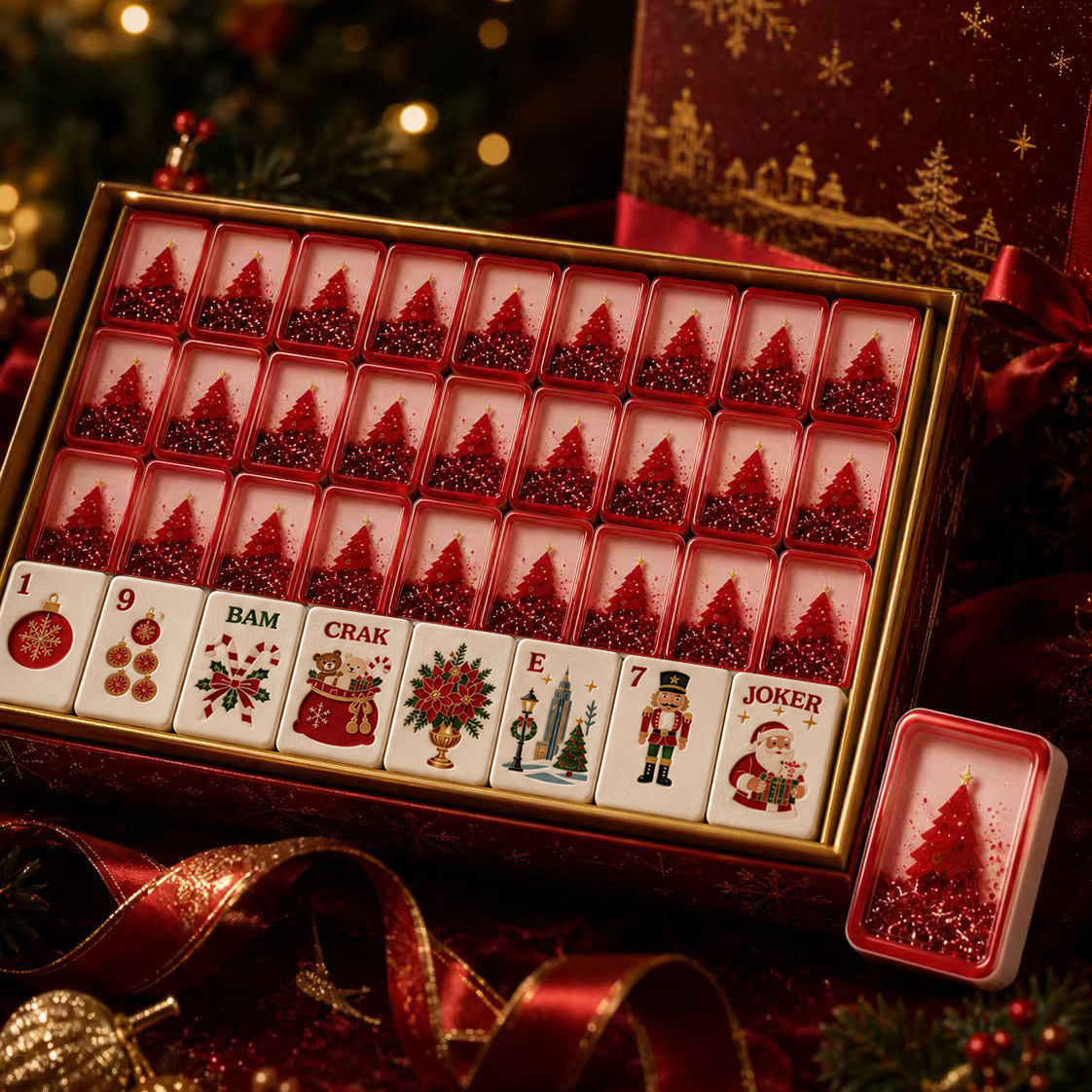
Chinese mahjong with two players is playable but rare in traditional settings, since the game was designed for four. In 2-player Chinese mahjong, both players draw 25 tiles (instead of 13 each in four-player), building 12-tile melds faster and creating shorter rounds. The wall starts at 108 tiles instead of 144; discard rules stay the same (you must play or call a tile before the next draw). Winning hands use sequences (chows: 1-2-3) and sets (pungs: three identical, kongs: four identical), and scoring follows standard Chinese tables. This differs sharply from American mahjong, which requires exactly four players, uses 152 tiles, has no sequences, and hands come from an annual card—American cannot be played with two. If you're looking for a true 2-player alternative with real equipment, explore mahjong variants or stick to four-player games where the tiles and strategy truly shine.
Why Two-Player Chinese Mahjong Feels Off
Chinese mahjong's rhythm depends on four voices: North, East, South, West. With two players, the wall shrinks, fewer discard opportunities arise, and the game becomes luck-heavy. Each player claims tiles faster, so reading opponent strategy—a core skill—collapses into pattern-matching. The game loses its deliberate pacing. Most Chinese clubs and tournaments never offer 2-player rounds because the hand design, payment rules, and tile circulation assume four seats. If you have only two players, four-player games with dummy hands (a third seat plays automatically) or learning another variant will serve you better than forcing the original rules.

How the Two-Player Chinese Setup Works
In a true 2-player Chinese mahjong game, you need the standard 144 tiles (108 suited tiles: 1–9 Bams, Craks, and Dots, four copies each; 28 honors: winds and dragons; eight flowers). Shuffle all 144, build the wall in a line, and each player draws 25 tiles to their rack. The remaining 94 tiles stay on the wall. The first player to draw goes first; on each turn, draw one tile and discard one (discarding before or after drawing, depending on house rules). Winning still requires one eye (pair) and four melds, but melds can be sequences (chows) or sets (pungs/kongs). The game ends when someone declares "mahjong" or the wall empties. Scoring follows Chinese point tables, often simplified for casual play. Because the wall is small and cycles fast, games finish in 15–25 minutes, much quicker than four-player rounds.
🀄 Shop best-selling mahjong sets →
American vs. Chinese Two-Player Rules: What's Different
Aspect | American Mahjong | Chinese Mahjong (2-player) | Key Difference |
Players | 4 only | 4 (standard) or 2 (variant) | American locks you to four; Chinese is flexible |
Tile count | 152 playing tiles | 144 tiles standard | Chinese uses fewer total tiles |
Melds allowed | Pungs, kongs, quints, sextets only | Pungs, kongs, chows (sequences) | Chinese permits sequences; American forbids them |
Hand source | Annual National League card | Player-designed or standard patterns | American is rules-based on one card per year |
Jokers | 8 integral tiles | Often none or house-rule jokers | American mahjong relies on jokers; Chinese does not |
Winning call | "Mahjong" + hand matches card | "Mahjong" from any legal 1-eye-4-meld combo | Chinese is more flexible; American is strict |
How to play American mahjong follows a rigid, card-based system that cannot adapt to two players—American mahjong requires exactly four. If you own an American set and have only two players, you cannot substitute the 2-player Chinese rules; the tile composition, absence of sequences, and joker mechanics are fundamentally incompatible. Stick to American four-player rounds or explore other variants.

Better Two-Player Options Than Chinese Mahjong
If you have two players and want real mahjong, consider riichi mahjong (Japanese standard), which supports two-player casual play with 136 tiles, simpler hand patterns, and rapid rounds. Taiwanese mahjong also tolerates 2-player games with house-rule adjustments. Hong Kong mahjong with two players is less common but playable. Most experienced players, however, recommend finding a third and fourth player rather than forcing a two-player game—you'll learn faster, enjoy deeper strategy, and follow the rules as they were intended. Check local community centers, libraries, synagogues, and university clubs for four-player groups; many meet weekly and welcome beginners.
What You'll Need for Chinese Mahjong
A standard Chinese mahjong set includes 144 tiles (all suits, winds, dragons, and flowers), typically made of bamboo or plastic, with a storage box. You'll want a mat to protect tiles and muffle noise—most play on a folding mat or felt cloth. Racks are optional but helpful for organizing 25 tiles per player. If you play frequently, a protective bag or case keeps tiles safe during travel. Mahstead's best-selling collections include engraved American mahjong sets and mahjong mats designed for serious play; while these are primarily for American mahjong (which cannot be played with two players), the mat quality and rack design suit any variant if you transition to four-player games.
🎁 See our most-loved mahjong sets & accessories →
Common Mistakes in Two-Player Chinese Mahjong
Mistake 1: Drawing too fast. With only two players, tile depletion feels sudden. Slow down; verify the wall has tiles before each draw.
Mistake 2: Forgetting house-rule clarifications. Two-player variants often allow calling discards or alter kong rules. Agree on these before play starts.
Mistake 3: Ignoring the meld-to-pair ratio. You still need one pair and four melds—no exceptions. Many new 2-player players build five melds and no pair, then realize they cannot win.
Mistake 4: Mixing American and Chinese rules. American mahjong (with 152 tiles and no sequences) is NOT playable with two players. If you own an American set, play American with four players only.
Mistake 5: Playing too long. Two-player rounds are short and repetitive. Best practice: play one round (15 minutes), switch to a different game, or recruit two more players for a full four-player session.
What to Check Before You Buy
Tile count: Chinese sets are always 144; American sets are 152 or 160. Buy 144 for true Chinese mahjong, but know that two-player games remain niche and often feel incomplete.
Tile size and material: Larger tiles (1.25 inches) suit older eyes; plastic is lighter for travel; bamboo feels premium but requires careful storage.
Mat quality: A mat with non-slip backing prevents tiles from sliding during draws—essential for rapid two-player play.
Storage: A sturdy box protects tiles from dust and damage; soft bags are for travel; hard cases are overkill for casual home play unless you move sets often.
✨ Find your Mahstead set — free US shipping →

FAQ
Can I play American mahjong with two players?
No. American mahjong requires exactly four players, 152 tiles, 8 jokers, and hands from the annual National Mah Jongg League card. The tile composition and rule structure cannot adapt to two seats. If you have an American set and only two players, recruit two more or play a different variant.
How long does a two-player Chinese mahjong round take?
Typically 15–25 minutes, depending on player speed and luck. Two-player rounds are faster than four-player (45–90 minutes) because the wall is smaller and tiles deplete quicker. Most players run 3–5 quick rounds back-to-back or add a fourth player for deeper play.
Do I need jokers for two-player Chinese mahjong?
No. Traditional Chinese mahjong uses no jokers; all 144 tiles are live. Some house rules add jokers, but this is non-standard and must be agreed beforehand. American mahjong, by contrast, requires 8 jokers and cannot function without them.
What's the best two-player mahjong game if I'm new?
Riichi mahjong (Japanese) is more beginner-friendly for two players than Chinese; it has simpler hand patterns and 136 tiles. However, true mahjong mastery comes from four-player games. Try finding a local four-player club before investing in two-player variants.
Can I use an American mahjong mat for Chinese mahjong?
Yes. A mat protects tiles and reduces noise regardless of variant. Mahstead mahjong mats are durable and fit any tile set; size and non-slip backing work equally well for American, Chinese, or hybrid play.


View More
View More
View More
