
Urea Mahjong Tiles: Pros and Cons for Your Game
Last updated: Nov 23, 2026
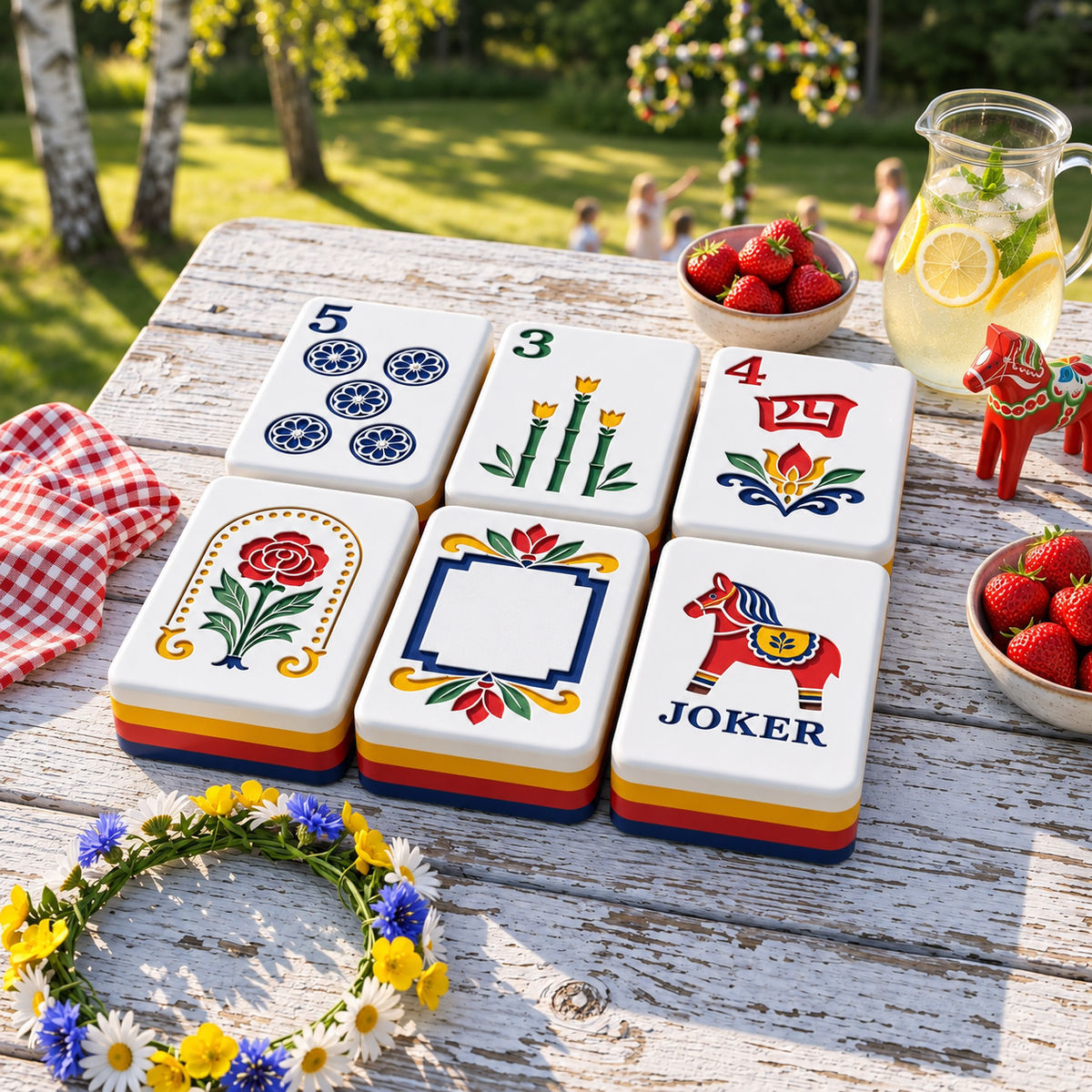
Urea mahjong tiles are made from urea-formaldehyde resin, a plastic composite that's cheaper and more durable than bone-and-bamboo but lighter and less textured. They resist chipping from dropped tiles and frequent shuffling, making them popular for casual play and travel. Urea tiles lack the weight and tactile click of bone; some players find them hollow or plasticky. They typically cost less than bone sets and are easier to clean. Mahstead offers engraved acrylic American mahjong sets as an alternative—acrylic tiles sit between urea and bone in weight, durability, and cost, with sharp-edged engraving that won't fade. Before choosing, consider whether your table values portability and low maintenance (urea wins) or authentic feel and longevity (bone or acrylic is better). Your weekly game's pace, table surface, and budget all matter.
How do urea tiles compare to other materials?
Urea resin sits in the middle of the mahjong tile spectrum. Bone-and-bamboo tiles weigh more, feel smoother, and develop patina over decades—but cost significantly more and can chip if dropped hard. Acrylic tiles are heavier than urea, have sharper detail (because engraving cuts deep), and won't yellow or cloud. Urea tiles are lightest, most affordable, and nearly unbreakable; their main drawback is thin, flat engraving that fades and a plastic-like sound when shuffled. For a weekly casual game, urea works fine. If your group plays several nights a week on a hard marble table, acrylic or bone will feel better and last longer.
Comparison table:
Material | Weight | Sound | Durability | Engraving clarity | Cost (approx basis) | Best for |
Bone & bamboo | Heavy | Soft click | 20+ years | Deep, natural | High | Serious collectors, heirloom play |
Acrylic | Medium | Crisp click | 10–15 years | Sharp, permanent | Mid | Weekly players, aesthetic + function |
Urea resin | Light | Hollow tap | 5–10 years | Shallow, fades | Low | Travel, casual, beginners |

Why do urea tiles yellow or cloud over time?
Urea resin is hygroscopic—it absorbs moisture from air and hands. Over months or years, this causes the tiles to yellow (especially white and ivory), develop a hazy cloudiness, or become slightly sticky. Exposure to direct sunlight accelerates yellowing. Storage in a humid room or damp basement speeds discoloration. Urea tiles with ink-printed images (common in budget sets) also see fading. Acrylic and bone-and-bamboo tiles resist this because they're non-porous or sealed. If you live in a humid climate (Gulf Coast, Pacific Northwest) or play year-round in an air-conditioned home, urea's susceptibility to moisture becomes a real drawback. Store urea tiles in a cool, dry place—ideally in an airtight container—and expect to replace them in 5–10 years if played regularly.
Do urea tiles feel good in your hand during play?
This is where preference splits our games. Urea tiles are smooth and light; some players appreciate how easy they are to shuffle and push across a mat. But most of us who've held bone tiles notice the difference immediately: urea feels thin, lacks grip, and produces a tinny shuffling sound that doesn't satisfy the ear. The tile sits shallow in your rack, and the plastic texture doesn't age into a patina like bone. If you're hosting your first mahjong night or playing casually once a month, urea is fine—you won't notice the deficit. But if your group plays weekly and has access to best-selling acrylic or bone sets, you'll hear complaints. Many players describe urea as "toy-like," which isn't wrong: it's built for durability and price, not sensory experience.

When is urea the right choice for your game?
Urea tiles make sense in three scenarios: travel and portability (light weight, no breakage risk), children or new players (low cost to start, forgiving if tiles get damaged), and outdoor or high-traffic games (humidity and wear don't matter as much). If you host weekly mahjong nights on a home table, store your set indoors, and play with adults who respect the tiles, urea is overkill—you're paying for durability you won't use and sacrificing feel. Engraved acrylic tiles strike a better balance: they're durable, retain clarity, feel more authentic, and won't cloud after a year in your closet. If budget is the constraint, urea works; if you're buying a set to last and want to enjoy the game, acrylic or bone is worth the difference.
🀄 Shop best-selling mahjong sets →
What should you check before buying a urea tile set?
Before committing, verify three things: (1) Engraving type. Urea tiles can come ink-printed (fades) or embossed (shallow but more durable). Ask the seller. (2) Weight and thickness. Pick one up or ask for dimensions. Thin urea (under 18mm) feels flimsy; thicker urea (20mm+) feels more solid. (3) Tile count. American mahjong uses 152 tiles plus 8 jokers. A complete 160-tile set will last longer than a cheaper 144-tile set, even in urea. (4) Storage. Commit to keeping the set in an airtight container or bag in a climate-controlled room. If you can't control humidity, urea will yellow and cloud within 2–3 years. Acrylic avoids this problem entirely. Before you buy, ask yourself: Will I play this set weekly for 5+ years, or is this for casual fun? For weekly play, acrylic or bone wins. For casual or travel, urea is fine if you accept its limits.
Which Mahstead collections fit different play styles?
If you've decided urea isn't right for you, we carry engraved acrylic American mahjong sets that last longer and feel better. For players who host regularly, we also offer mahjong mats, racks with pushers, and bags and cases to protect your investment. Acrylic tiles sit between urea and bone in every metric—cost, weight, feel, longevity—and won't disappoint a weekly game. If you're gifting to a beginner or casual player, urea is a safe entry point. If you're investing in a set your group will use for years, acrylic is the smarter choice.
🎁 See our most-loved mahjong sets & accessories →
What to check before you buy
Humidity in your climate. Urea absorbs moisture; if you live in a humid region, plan for yellowing or cloudiness.
Play frequency and lifespan. Weekly play means urea will show wear in 3–5 years; casual play (once a month) stretches that to 7–10 years.
Engraving clarity. Ink-printed urea fades; embossed urea holds detail longer (though shallower than acrylic or bone).
Tile thickness. Thicker urea (20mm+) feels less cheap; thin urea (under 18mm) is hard to shuffle and rack comfortably.
Set completeness. A 160-tile set lasts longer than 144 tiles because you have spares if a tile chips or cracks.
Storage plan. Airtight container + cool, dry place = urea stays clear 2–3 years longer.
✨ Find your Mahstead set — free US shipping →

FAQ
Will my urea tiles yellow if I store them properly?
Not as quickly, but yes over time. Even in airtight storage, urea naturally absorbs ambient moisture and lightens. Acrylic and bone resist this much better.
Are urea tiles okay for a weekly game if I love playing?
Only if you accept they'll feel hollow and fade within 5 years. If you play weekly, acrylic offers better tactile feedback and lasts 10–15 years without clouding.
Can I clean urea tiles to remove yellowing?
Mild soap and water removes dust, but yellowing is chemical—you can't reverse it. Acrylic and bone don't yellow the same way, so prevention is better than cure.
Is urea a good option for travel mahjong?
Yes. Lightweight, nearly unbreakable, and won't damage if dropped. The trade-off (hollow feel) doesn't matter if you play once or twice a trip.
How does urea tile weight affect shuffling and play speed?
Lighter tiles are easier to shuffle but harder to control precisely. Some players push lighter tiles too far; heavier bone or acrylic tiles move at a predictable pace and feel more "real."


View More
View More
View More
