
Cheap vs. Expensive Mahjong Rack Bags: What to Buy
Last updated: Nov 23, 2026
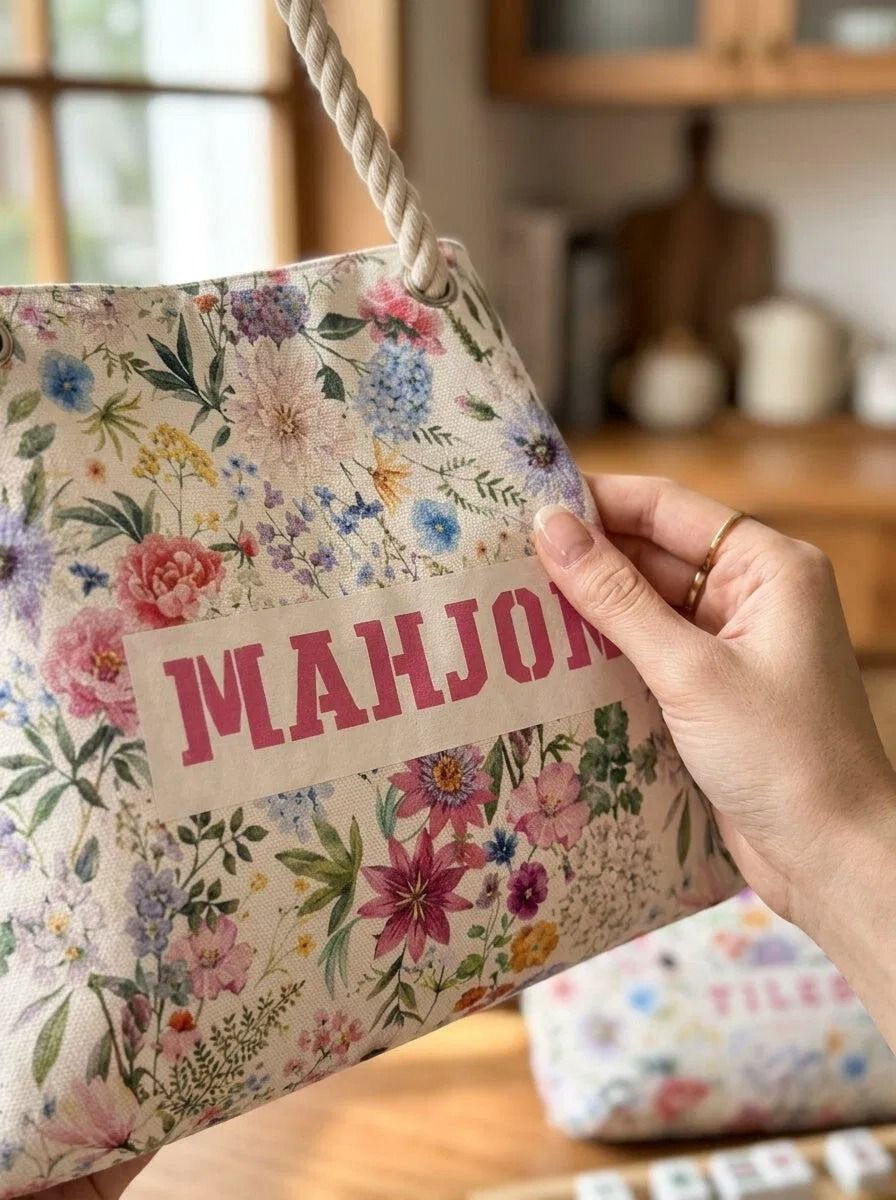
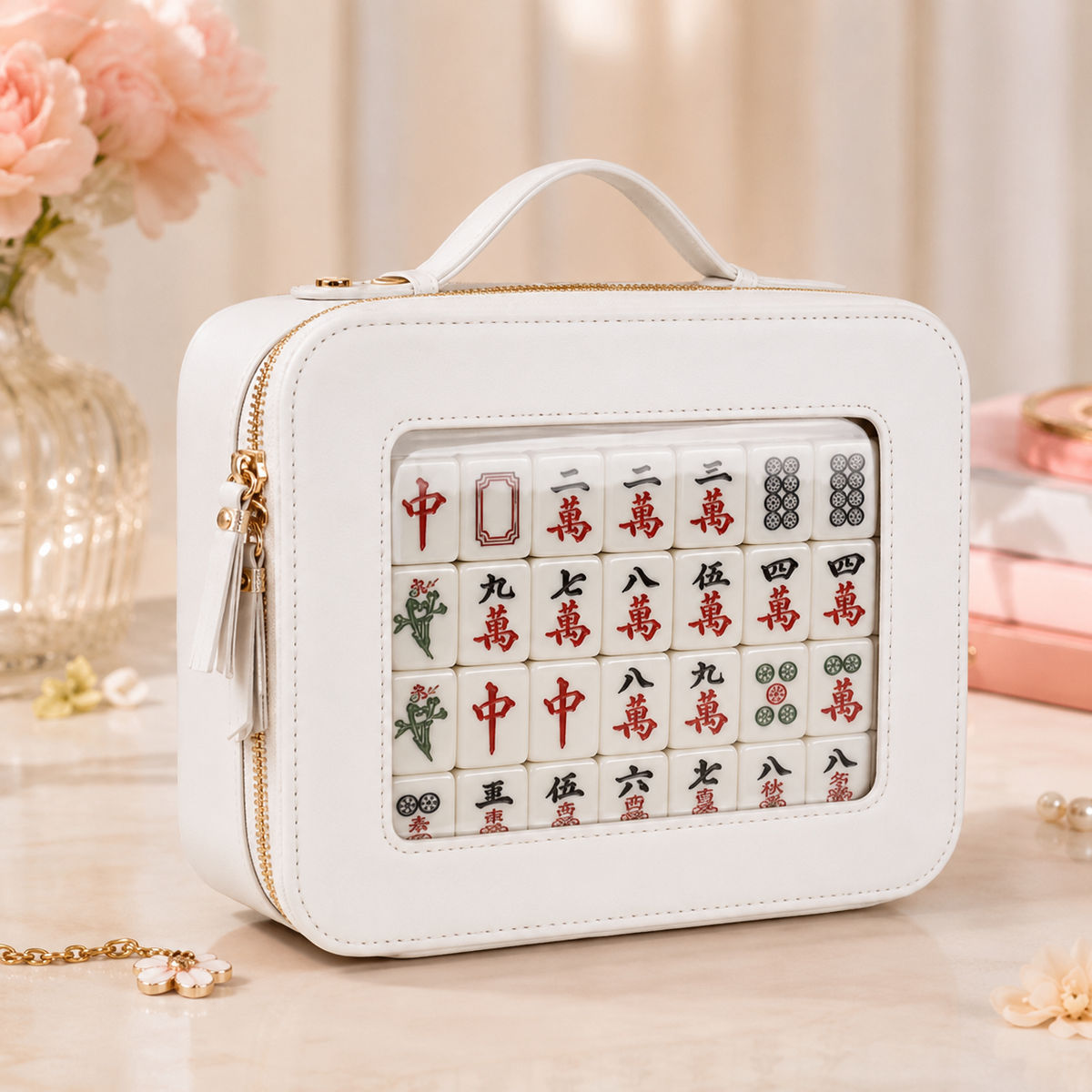
Mahjong bags range from simple drawstring pouches to reinforced cases with divided compartments, designed to hold a 160-tile set, racks with pushers, mat, and dice. Budget bags typically use basic nylon or canvas and simple closures; premium versions add padding, internal organization, water resistance, and durable hardware. The gap in price reflects material quality, seam durability, and how many years the bag will survive weekly transport to your game. A solid mid-range travel bag balances protection and cost for most home players, while serious collectors or frequent travelers benefit from heavier construction. We recommend checking internal dimensions, strap comfort, and whether the bag will actually fit your mahjong mat rolled or folded before ordering.
A mahjong bag is not just pretty packaging—it's the difference between your tiles arriving intact at game night and spending two hours hunting a lost Crak amid your car seat. We've hauled sets to homes, tournaments, and weekend trips for years, and we've seen which bags earn their place in a player's life and which end up stuffed in a closet after three games.
🀄 Shop best-selling mahjong sets →
What actually separates a cheap bag from an expensive one?
Budget bags and premium bags solve the same problem—carrying your tiles safely—but take different bets on longevity and comfort. A budget option usually costs less because it uses lighter-weight fabric, thinner padding (if any), simpler stitching, and basic zippers or closures; they weigh less and take up minimal closet space. Premium bags invest in reinforced stitching along stress points (like where straps attach), thicker internal compartments, lockable hardware, and water-resistant outer shells. The real test: does the bag survive weekly packing and unpacking for two years, or does it shred at the zipper after six months? Budget bags often fail first at seams and zippers; premium bags outlast the tiles inside them. Our experience playing weekly tells us that the mid-range sweet spot—solid construction without extreme cost—works best for most home players.

Who should buy a budget mahjong bag?
A budget bag suits players who travel rarely, store their set at home most of the time, or are trying mahjong for the first time and aren't sure they'll play long-term. If you're hosting a weekly game at your house and your tiles never leave the living room, you don't need reinforced straps or water-resistant coating—a simple travel bag does the job. Budget bags also make sense if you already own multiple cases and just need temporary overflow storage or a beach-day backup. Budget options work fine for occasional players because wear accumulates slowly on a set taken out once or twice monthly. The payoff: you save money upfront and can reinvest it in a nicer mahjong set or accessories. The catch: if your tiles do travel often, a budget bag may not protect them adequately, and you may end up replacing it sooner than a pricier alternative.
🎁 See our most-loved mahjong sets & accessories →
Who benefits most from a premium mahjong bag?
Premium bags pay for themselves if you play weekly, travel to tournaments or other homes, or own a valuable engraved set. The investment protects tiles you've already spent money and emotion on; if your set cost a significant amount or has sentimental value, a reinforced case is cheap insurance. Serious players—those with multiple sets, regular tournaments, or frequent travel—justify premium bags because each set rotates in and out of a bag dozens of times per year. Premium features like internal dividers keep your mat separate from tiles (preventing fabric snagging on edges), padded compartments reduce tile noise during transport, and water-resistant exteriors save your tiles if you get caught in rain leaving a friend's house. Travel-heavy players also appreciate lockable zippers and reinforced carry handles that won't tear after years of hauling. If your weekly game is non-negotiable and your tiles are your personal property (not a borrowed set), premium quality is worth it.
Budget vs. Premium: What the numbers tell us
Feature | Budget Bag | Mid-Range Bag | Premium Bag |
Outer material | Single-layer nylon | Double-layer canvas or treated nylon | Heavy-duty canvas, water-resistant coating |
Padding | None or minimal | 1/4-inch foam in main compartment | 1/2-inch+ foam, padded dividers |
Seams | Single-stitched stress points | Double-stitched throughout | Triple-stitched at attachment points |
Closure | Basic zipper or drawstring | Quality zippered + internal pockets | Lockable zipper, YKK or equivalent |
Carry handles | Thin webbing, sewn at 2 points | Reinforced webbing, sewn at 4 points | Double-layered straps, sewn at 6+ points |
Compartments | 1–2 generic spaces | 3–4 compartments (one for mat, one for racks) | 5+ dedicated slots (tiles, racks, mat, dice, cards) |
Expected lifespan | 1–2 years weekly use | 3–5 years weekly use | 5–8+ years daily use |
Best for | Occasional players, first-time buyers | Regular home games, weekly transport | Tournament players, multiple sets, frequent travel |
The table above reflects what we've observed across years of hosting games and fielding questions from players. A mid-range bag is the practical choice for most of us: it costs less than premium but lasts long enough to justify the purchase, and it won't leave you stranded with a broken zipper on game night.
Common mistakes when choosing a mahjong bag
Ignoring internal dimensions. Many bags look spacious until you try to fit your mahjong mat inside rolled up—then they're too narrow or too short. Before ordering, measure your mat folded or rolled and compare it to the bag's interior dimensions listed on the product page. If your mat is 27 inches × 27 inches and you fold it to 14 × 27, you need a bag at least 15 inches wide.
Underestimating weight. Tiles are heavy—a full 160-tile set weighs several pounds. A budget bag with thin straps may feel comfortable in a store but hurt your hands after carrying it ten blocks or up a flight of stairs. Check the strap width and padding, especially if you're over 40 or have shoulder issues.
Confusing water-resistant with waterproof. A water-resistant exterior sheds light rain but will soak through in a downpour. If you're driving and tossing the bag in a wet trunk, or playing outdoors, ask whether the bag is truly waterproof or just splash-resistant.
Buying based on color alone. We get it—a beautiful engraved set deserves a pretty bag. But a pretty bag with a broken zipper is worse than a plain bag that works. Prioritize function first, then choose color from the available options.
Not checking if the bag fits your racks with pushers. Racks vary in thickness. Some bags leave no room for racks once the tiles are packed; you'll end up carrying racks separately. Confirm the bag has a dedicated rack compartment, or plan to keep racks in a second pouch.
✨ Find your Mahstead set — free US shipping →
What to check before you buy
Measure your tiles and mat together. Lay out a standard 160-tile set alongside your folded mat and note the dimensions. Compare to the bag's listed interior width, depth, and height.
Look for seam photos. Reputable product pages show close-ups of stitching, zippers, and handles. If the photos are blurry or absent, ask for clarification before ordering.
Read for compartment count. Count how many pockets and dividers the bag has. A bag with at least one dedicated pouch for your mat and one for racks is worth the extra cost.
Confirm the strap material and width. Straps narrower than 1.5 inches can dig into your hands over time. Canvas or reinforced webbing holds up better than thin nylon.
Check the closure type. Zippers are standard, but verify whether they're YKK brand (industry standard) or generic; lockable zippers add security if you're traveling with your bag in public.
Look for a warranty or return window. Honest sellers offer returns within 30 days, allowing you to test fit your actual set before committing.
Ask about future restocking. If the bag you love sells out, will it come back in stock, or is this the last batch? Some players prefer to buy backup bags during sales.
We recommend our travel bag collection because we've tested every option against real weekly games and frequent transport scenarios. Each bag in our lineup is sized to fit a full 160-tile mahjong set with racks and mat, and we've chosen closures and padding based on feedback from players like you—not just catalog specs. Free shipping across the US means you can order, test it with your actual tiles, and return it guilt-free if it doesn't work for your lifestyle.

FAQ
Can a budget mahjong bag protect tiles during car transport?
Yes, if padded—even light foam keeps tiles from shifting and cracking against each other. Budget bags without padding risk tile breakage on pothole-heavy roads; a mid-range option with basic padding is the minimum we'd recommend for weekly car trips.
What's the difference between a mahjong bag and a regular duffel bag?
A mahjong bag has compartments and padding sized for 160-tile sets, mats, and racks; a duffel is generic. Mahjong bags prevent tiles from scattering inside, whereas a duffel lets everything tumble together and risks cracked tiles or zippers snagged on edges.
How do I know if a bag's zipper will last?
YKK is the industry-standard brand for durable zippers; check the product page or ask the seller. Bags with single-stitched zippers fail faster than those with double-stitched zippers. If the zipper isn't named or stitching isn't visible, it's a red flag for budget construction.
Should I buy an expensive bag if I only play once a month?
No—a budget bag works fine for occasional players. Save the premium price for weekly gamers or frequent travelers. Check the bag after 6–12 months for wear; if it's still solid, you made the right choice.
Can I fit dice and cards in a mahjong bag, or do I need a separate case?
Most mid-range and premium bags have a small zippered pouch or elastic pocket for dice and the current year's National Mah Jongg League card. Budget bags may not have dedicated space; ask before ordering if accessories storage matters to you.
What's the real cost difference between budget and premium, and is it worth it?
Premium bags typically cost more upfront but last 2–3 times longer than budget options, so the per-year cost is similar or less. If you play weekly for five years, a premium bag becomes cheaper than replacing a budget bag twice; for casual players, the upfront savings of a budget bag make sense.
How should I pack my mahjong bag to avoid damage?
Place your mat flat in its dedicated slot first (prevents wrinkles). Nestle tiles in their divider or in the main compartment with padding, keeping tiles away from zippers. Pack racks last so they don't press down on tiles. Never overstuff—a bulging bag strains seams and zippers.


View More
View More
View More
