
Mahjong Trainer Tools: Learn Fast Without Mistakes
Last updated: Nov 23, 2026
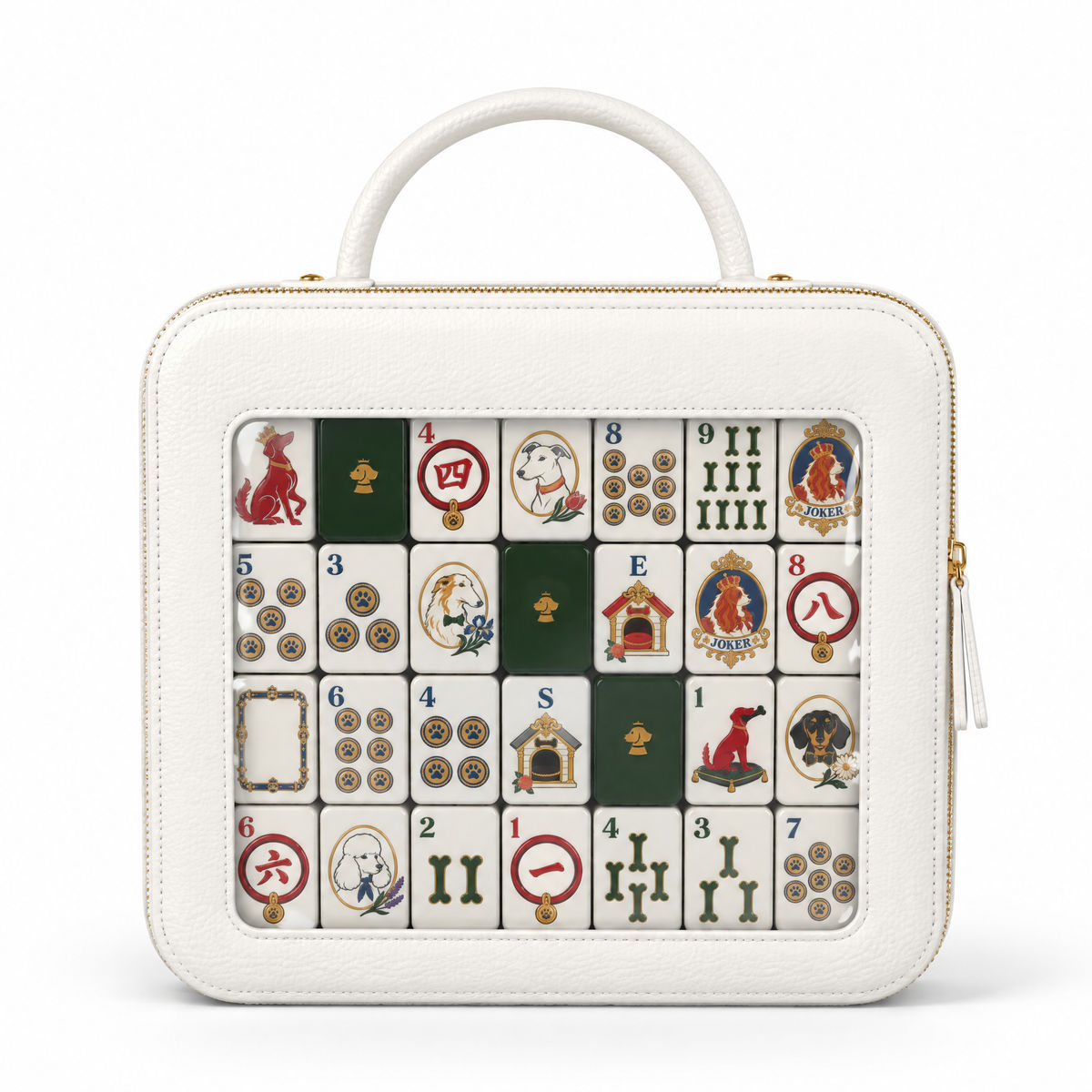
Mahjong trainer tools are study aids designed to help you recognize winning hand patterns, practice tile combinations, and build speed before playing live. They include digital apps (pattern finders, hand validators), printed reference cards, physical practice boards, and strategy guides. Most learners spend 2–4 weeks with trainers before joining a game. Cost ranges from free (web-based apps) to modest one-time purchases for apps or printed decks. The single biggest mistake is memorizing the card without understanding why hands work—trainers fix that by showing you the logic behind each pattern. Mahstead's best-selling mahjong sets pair perfectly with trainers because they let you physically arrange tiles while you study.
What types of mahjong trainers exist, and how do they differ?
Trainers fall into four categories: digital apps, web tools, printed study aids, and live coaching. Digital apps (iOS/Android) run offline and include hand validators—you build a tile layout and the app confirms whether it's a winning hand. Web tools are free browser-based pattern recognizers; you enter tiles and the tool shows all valid hands from the current year's NMJL card. Printed study aids include laminated reference sheets, flashcard decks, and annotated card reproductions. Live coaching is one-on-one or group instruction from an experienced player. Each has a purpose: apps build muscle memory, web tools teach pattern logic, printed aids work during travel or offline study, and coaching fills gaps trainers can't (reading live opponents, managing the Charleston, table etiquette). Most players use two or three combined.

How do you use a trainer to learn American mahjong hands?
Start by reviewing the current year's National Mah Jongg League card—the official source for all 88 winning hand patterns. A typical workflow: (1) pick one hand type (e.g., "three Pungs and a pair"), (2) use a trainer to build that pattern with tiles or on screen, (3) check the trainer's feedback, (4) repeat with variations (different suits, different joker counts), (5) move to the next hand. After one week, you'll recognize Pungs (three identical tiles), Kongs (four identical), Quints (five), and Sextets (6). After two weeks, you'll spot "Like Numbers" (1-2-3 in one suit, repeated four times) and "Consecutive Pungs" without hesitation. The trainer speeds this up because it removes ambiguity—you instantly know if you're right. Understanding how to read the mahjong card is essential first; trainers drill that reading skill.
🀄 Shop best-selling mahjong sets →
What mistakes do beginners make with trainers, and how do you avoid them?
Four common traps emerge: Over-relying on the trainer instead of learning patterns. Trainers validate your tiles, but they don't teach you to see a hand in your rack. Spend 50% of study time building tiles manually with a physical set, 50% on the trainer. Ignoring joker rules. American mahjong lets you substitute jokers in Pungs, Kongs, Quints, and Sextets—but never in a pair or a single tile. Trainers sometimes let this slip if they're poorly built; always double-check against the official card. Drilling only one hand pattern. Practice a hand, then immediately practice a different hand. Your brain needs contrast to build true pattern recognition. Studying last year's card or a rule variant. Always use the current year NMJL card—hands change annually. If you're learning Hong Kong or Chinese mahjong (different sets, sequences allowed, no official card), specify that variant when choosing your trainer; American trainers won't help.

How do you choose the right trainer for your learning style?
Learning Style | Best Trainer Type | Why It Works | Time to First Game |
Visual + hands-on | Physical tiles + web app | See and touch patterns simultaneously | 3–4 weeks |
Digital native | Mobile app (offline) | Works anywhere, instant feedback | 2–3 weeks |
Reader/note-taker | Printed card + flashcards | Annotations stick; portable | 4–6 weeks |
Social learner | Live group coaching | Plays beginner games; corrects on the spot | 2–3 weeks |
Speed-builder | Multiple trainers combined | Redundancy = faster recall | 1–2 weeks |
Choose based on your schedule and environment. If you commute, a mobile app fits. If you have quiet study time at home, a physical set with a web tool works best. If you're socially motivated, find a local community center or synagogue offering beginner classes (check your library's bulletin board or Meetup for listings in your area). The single most reliable path: start with a printed reference card, add a web-based pattern validator within 3–4 days, then join a beginner game with experienced players who'll call your mistakes gently.
🎁 See our most-loved mahjong sets & accessories →
What should you check before you buy or commit to a trainer?
Ask these questions:
Is it American mahjong? Trainers for Chinese, Hong Kong, or Riichi mahjong won't translate; those games have different tiles, rules, and hand structures.
Is it current-year? The NMJL card changes every spring. A trainer based on last year's card will teach you hands that are no longer valid.
Does it allow you to understand why? A trainer that only says "yes" or "no" is less useful than one that shows you the hand name and structure.
Can you use it offline? Web-based tools fail without internet; mobile apps work anywhere.
Does it cost money? Free tools are abundant. Paid apps must have a 4+ star rating and active updates; read reviews carefully for American-specific praise.
Do you have a physical mahjong set? Trainers work best alongside real tiles. Mahstead's American mahjong sets are designed for acrylic durability and clear tile markings—important if you're squinting at small print while learning.
Start with free web tools and a printed card (borrowed from your library or purchased). Upgrade to an app only after you've completed one full run through the card. Most beginners never buy a trainer at all—they borrow a set, practice with friends for two weeks, and play live. Trainers are optional insurance, not required equipment.
✨ Find your Mahstead set — free US shipping →
The guide to American mahjong for beginners covers foundational rules; trainers are the next layer. Use them to practice patterns, not to replace playing with real people. Your first live game is your best trainer.

FAQ
Can I learn American mahjong without a trainer?
Yes. Many players learn entirely by playing live games with experienced players who teach as you go. Trainers simply compress that learning into 2–4 weeks. Without a trainer, plan 6–8 weeks of casual play before you feel confident.
What's the difference between a mahjong app and a web-based trainer?
Apps (iOS/Android) run offline and store progress; web tools live in your browser, require internet, but are usually free. Apps often cost a few dollars; web tools rarely charge. Both validate hands and show patterns equally well.
How many hands on the NMJL card do I need to memorize?
The card contains 88 winning patterns for a four-player game. You don't memorize all 88; you learn the categories (Pungs, Like Numbers, Consecutive Pungs, Quints/Sextets, Knitted hands). Once you spot the category, you scan the card for the exact hand. Trainers drill this scanning skill.
Can I use a trainer for Hong Kong or Chinese mahjong?
No. Those games have different tiles (108 in most Chinese variants, 144 in others), allow sequences you can expose and call, and have no official card like the NMJL. Look for trainers labeled "Chinese" or "Hong Kong" specifically.
If I'm a beginner, should I buy a trainer or borrow someone's mahjong set first?
Borrow first. Practice with borrowed tiles and a free web trainer for one week; if you're hooked, buy a set and a printed reference card. Most beginners never buy a paid trainer app; the free tools and a community game teach you faster than a solo app ever will.


View More
View More
View More
