
Cheap vs. Expensive Mahjong Bags: What to Buy
Last updated: Nov 23, 2026
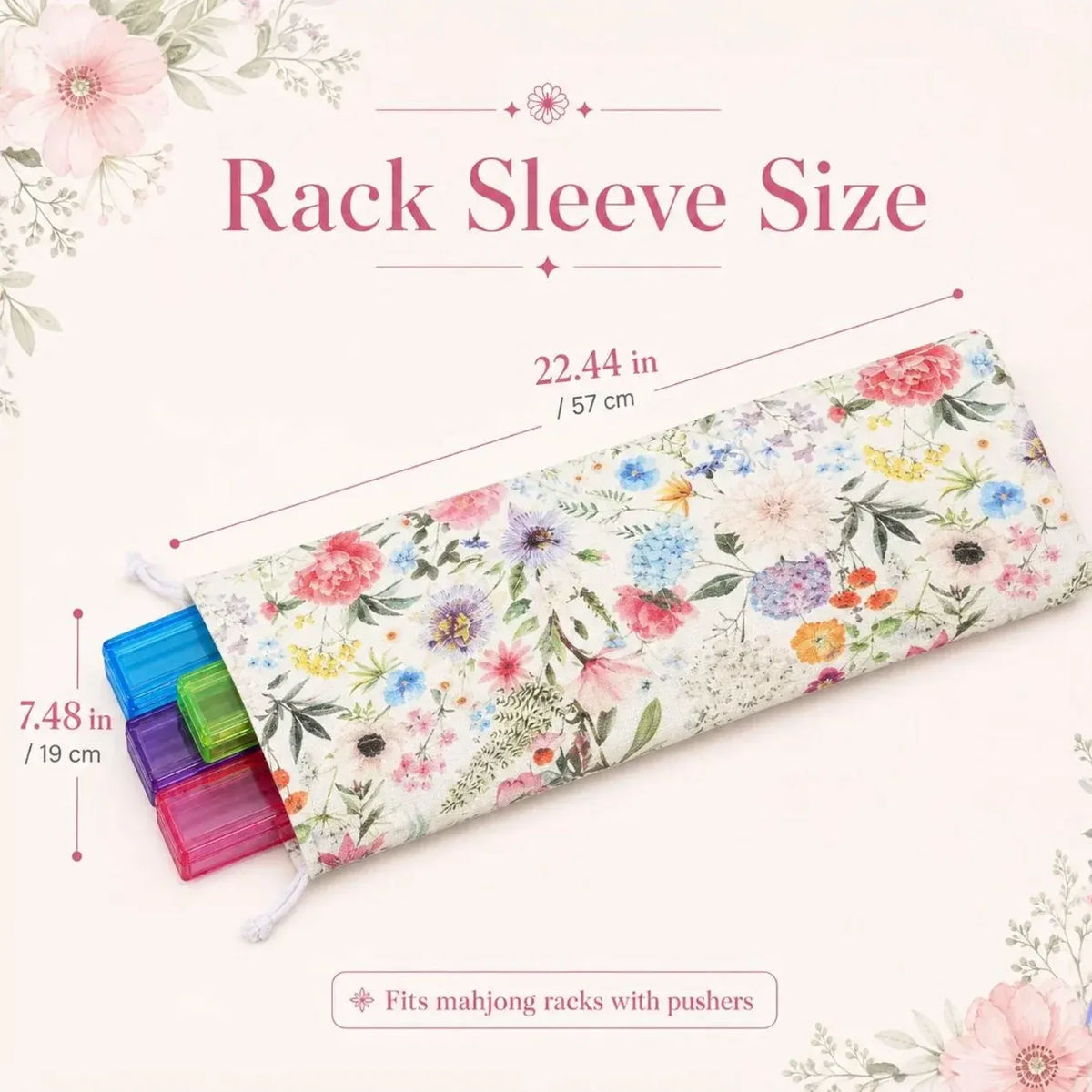
Mahjong bags range from simple drawstring pouches to structured cases with padded compartments and handles. Budget options protect tiles during casual home storage and short car trips; premium bags add dividers, rigid frames, and weather resistance for frequent travel. Budget bags suit players who store sets at home and travel locally; premium bags justify their cost if you move sets between venues weekly or attend tournaments. We recommend checking the interior dimensions (most American 160-tile sets need roughly 12×8 inches when cased), whether seams are reinforced, and if the lining includes pockets for jokers or the scorepad. The best-selling mahjong sets often pair well with mid-range bags that offer both protection and portability without excess bulk.
🀄 Shop best-selling mahjong sets →
What exactly separates a budget bag from a premium one?
Budget bags typically use single-layer canvas or polyester, simple drawstrings, and no internal dividers. Premium bags feature reinforced stitching, water-resistant coatings, padded walls, rigid bottoms, and organized pockets. A budget bag weighs less and costs less upfront; a premium bag absorbs impact better, lasts through 100+ trips, and keeps tiles organized during transport. The difference in durability compounds over years of weekly games—a premium bag that outlasts three budget options becomes the smarter investment for serious players.

Who actually needs a fancy bag versus a simple one?
Player type | Best bag level | Why it works | Use case ---|---|---|--- Casual home-only player | Budget drawstring | Low cost, lightweight | Store set in closet; never travels Weekly game host at one venue | Mid-range structured | Balanced protection & portability | Carries set one venue per week Tournament or multi-venue player | Premium padded case | Maximum protection, organized compartments | Travels between 3+ venues monthly Gift buyer (unknown recipient) | Mid-range with style | Looks professional, handles most needs | Works for any play style
If you host the same Thursday game in your dining room, a drawstring works fine. If you host rotation games at friends' homes or attend club nights, you need reinforced handles and a padded interior to prevent tile damage on repeat trips. Tournament players or those attending seasonal competitions justify premium investment because tiles cost more to replace than a high-quality bag costs upfront.
🎁 See our most-loved mahjong sets & accessories →
How do you measure whether a bag fits your set?
An American mahjong set uses 160 tiles (or 152 in play). Unboxed tiles in a case measure approximately 12 inches long, 7–8 inches wide, and 4–5 inches tall depending on tile thickness and case design. Before buying any bag, measure your set in its carrying case or tray. Check the bag's interior dimensions—not the exterior. A bag listed as "12×8 inches" typically holds a single set snugly; if you want to carry your set plus a mat rolled inside, add 3 inches to length. Budget bags often omit exact dimensions (a warning sign); premium bags publish them. When in doubt, check our travel bag collection for bags with published interior specs matched to American sets.
What materials wear best over time?
Canvas and polyester both hold up, but coatings and seams matter most. Single-layer canvas darkens and frays; waxed or treated canvas resists water and creasing. Polyester with a rubberized or TPU (thermoplastic polyurethane) backing keeps moisture out in a car trunk or humid garage. Stitching is the weak point: budget bags use 1-2 thread counts per seam; premium bags use 3-4. Handle attachment is crucial—a budget bag often glues the handle loop; a premium bag stitches it through the wall and reinforces with a metal ring. Zippers matter too: metal zippers outlast plastic ones after 50+ open-close cycles. If your weekly game moves between homes in rainy months, polyester with water-resistant coating outperforms raw canvas.
✨ Find your Mahstead set — free US shipping →
Is a compartmentalized bag worth the extra cost?
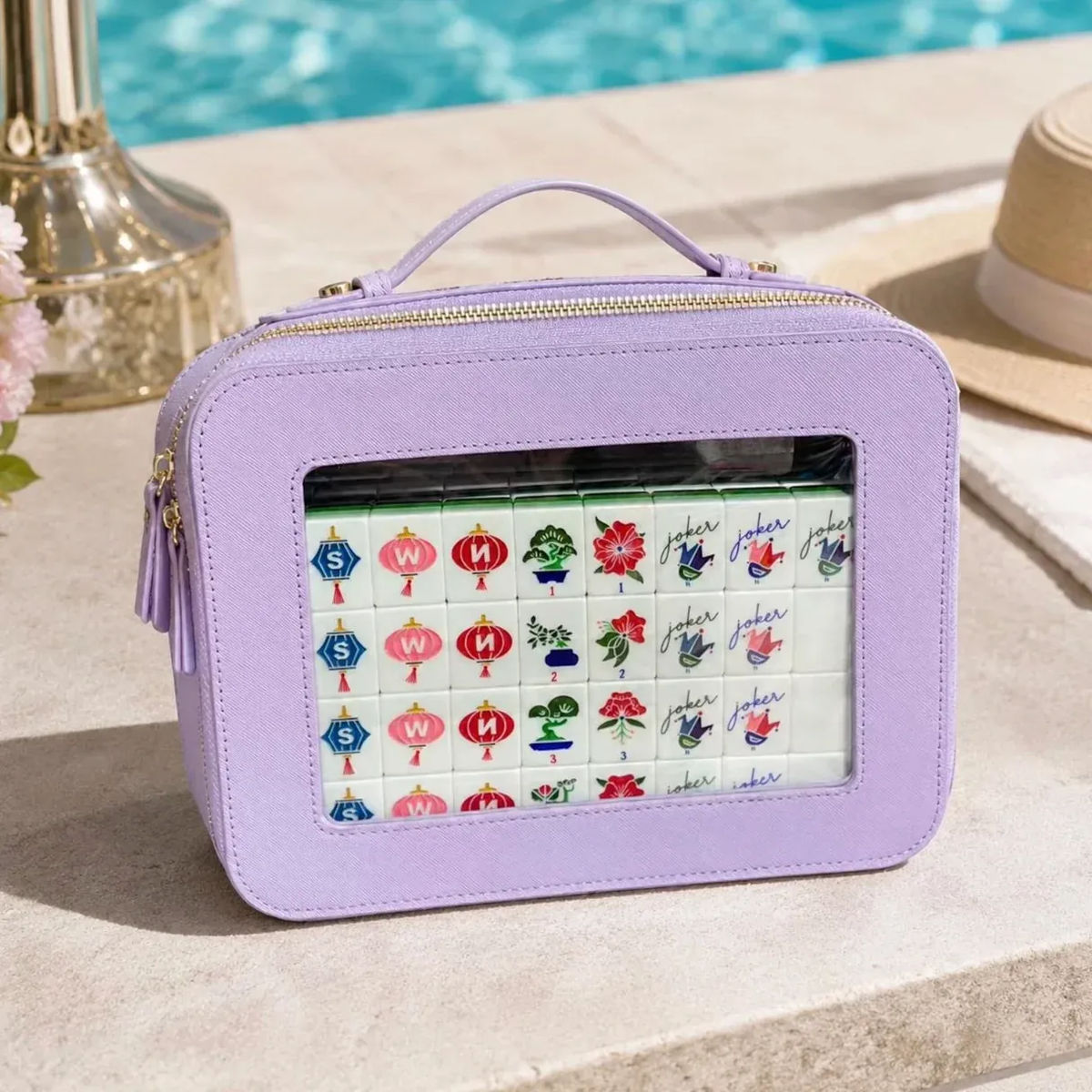
Yes, if you carry loose tiles, jokers, or scoring supplies. A basic drawstring dumps everything together; after three trips, tiles shift, joker counts get mixed, and fabric frays from friction. A mid-range bag with a divider pocket keeps jokers separate, prevents tile chipping, and lets you grab just the jokers without opening the main chamber. Premium cases add scorepad pockets, pushers, and space for dice. If you host games (not just attend), compartments speed setup: you pull jokers and the card in 10 seconds instead of hunting through tiles. For tournament or club play, organizers often require ready-to-play sets, so compartments become practical rather than luxury. If you play casually once a month at home, a basic bag suffices; if you host weekly or attend clubs, compartments pay for themselves in time saved and tiles protected.
What should you check before ordering?
Measure your set in its case. Width, length, and depth—compare to the bag's interior dimensions, not exterior.
Read the seam description. Look for phrases like "reinforced stitching," "multiple thread counts," or "bar-tacked seams."
Check the handle attachment. Stitched-and-ringed handles outlast glued ones; estimate 200+ uses before failure if stitched, 30–50 if glued.
Verify water resistance. If you travel by car or store in a garage, waxed canvas or TPU-backed polyester matters; raw canvas absorbs moisture.
Ask about side padding or rigid bottom. A bag with a rigid base keeps tiles from crushing under other items in a car or closet.
Look for pockets. If you want a scorepad or joker holder, confirm compartments in the product image.
Confirm return policy before checkout. Bags that don't fit your set shouldn't be permanent—purchase from vendors who allow returns within 30 days.
Our travel bag collection includes sizing guides and material notes for each option, so you can compare stitching quality and compartment layouts without guessing. We ship across the US free, so returns are low-friction if a bag doesn't match your set's dimensions.
The real cost-per-use math
A budget bag costs less upfront but may need replacing in 2–3 years of weekly use (roughly 100–150 trips before handles fray or zippers fail). A mid-range bag lasts 5–7 years (300–350 trips), and a premium bag often exceeds 10 years (500+ trips). Over a decade, a budget bag = 3–5 replacements; a mid-range bag = 1–2; a premium bag = 1. The mid-range bag typically offers the best value for weekly players because it costs 30–50% less than premium but lasts 3–5 times longer than budget. Premium bags make sense only if you're moving your set between venues more than twice a week or attending tournaments where appearance and organization are expected.
What you'll need: A bag matched to your set size and play frequency. Browse our mahjong bags and cases collection and compare interior dimensions, stitching details, and compartments side by side. If you're building a new setup, pairing a bag with one of our best-selling mahjong sets ensures the fit is reliable and both items arrive in one shipment.

FAQ
Can I use a regular tote bag or shoe bag instead?
Totes lack padding; tiles chip easily on bumpy drives. Shoe bags are too soft; tiles compress and crack. Mahjong bags use reinforced seams and interior support to prevent damage during repeated trips.
What's the difference between a bag and a case?
A bag is soft-sided with handles (best for carrying between venues). A case is rigid-framed or hard-sided (best for long-term storage or flights). Most weekly players need a bag; collectors or frequent travelers add a case for backup.
Do I need a separate mat bag?
Not always. Many mid-range and premium mahjong bags have a long, thin pocket or end sleeve for rolling a mat inside alongside the tile set. Check the product images and dimensions before assuming the mat fits.
How do I clean a mahjong bag?
Spot-clean canvas or polyester with a damp cloth and mild soap; air-dry completely before storing tiles inside. Machine washing risks shrinking, fading, or delaminating coated fabrics. Never machine-dry.
Are expensive bags waterproof or just water-resistant?
True waterproof bags are rare and usually rigid cases rated for boating or outdoor use. Most premium mahjong bags are water-resistant (coating sheds light rain), not waterproof (no water penetration under submersion). For car storage, water-resistant is sufficient.
What if my set doesn't fit the bag dimensions shown?
Measure your set's case in inches (length × width × height) and verify it matches the bag's interior dimensions listed on the product page. If unsure, ask before purchasing—we can confirm fit based on your set type.
Can I fit two sets in one large bag?
Some premium bags have removable dividers and accommodate two sets if they're compact. Check the interior depth; most standard bags hold one set comfortably. Two sets usually require a dedicated hard case or two separate bags.
How often should I replace a mahjong bag?
Budget bags: every 2–3 years of weekly use. Mid-range bags: 5–7 years. Premium bags: 10+ years. Inspect handles and zippers annually; replace if threads show or zippers snag.


View More
View More
View More
