
Cheap vs. Expensive Mahjong Accessories: What You Actually Need
Last updated: Nov 23, 2026
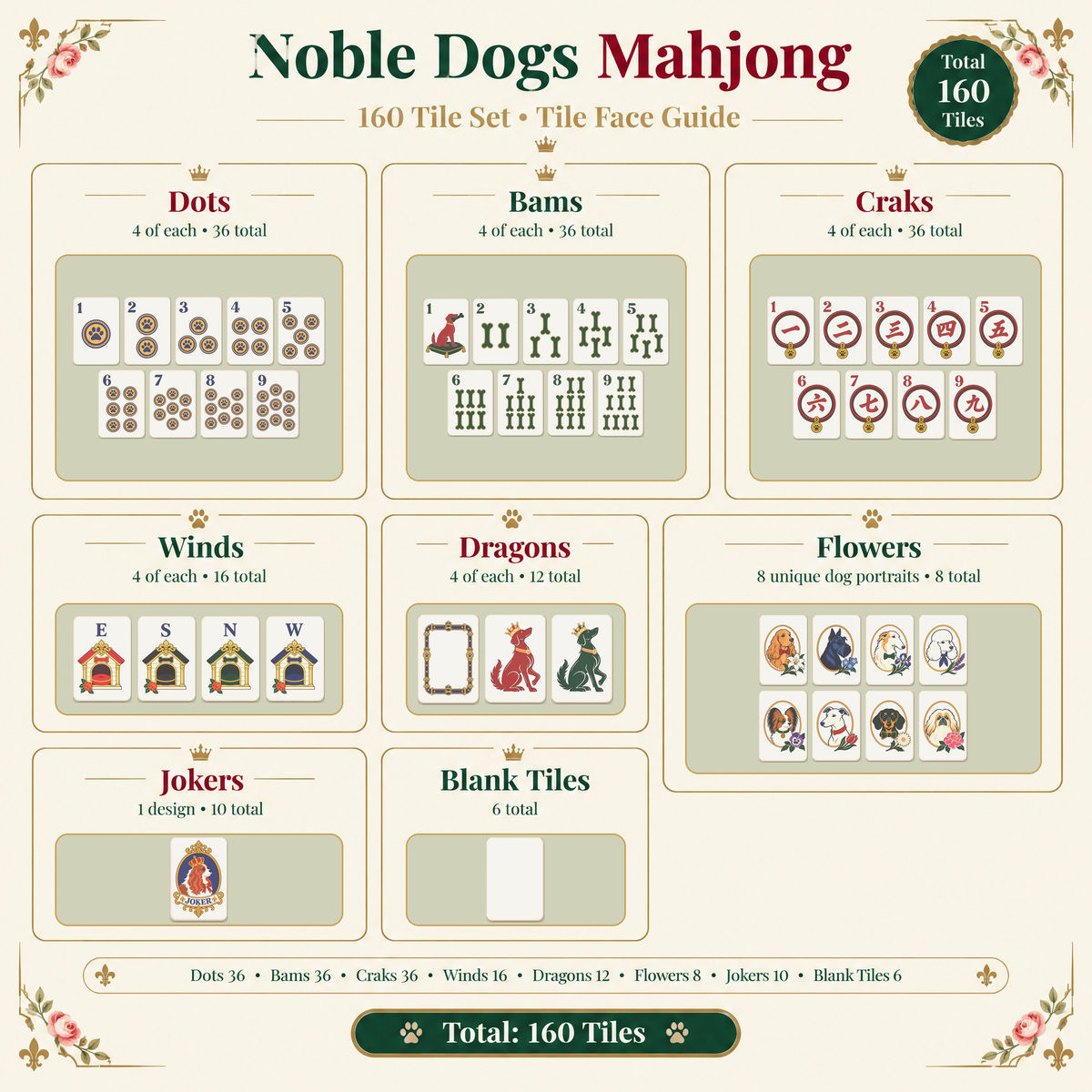
The cost difference between mahjong accessories hinges on three things: material durability, design customization, and playability. A budget tile set works fine for casual play but may chip within a season; acrylic sets with engraved titles or art last years and feel professional at the table. Budget mats are often thin PVC that slide; mid-range felt mats grip tiles and hold their shape. Racks with pushers range from plain plastic to custom-engraved wood. Bags vary from canvas totes to fitted cases. At Mahstead we offer acrylic 160-tile American mahjong sets with free US shipping—you're investing in tile quality, precision engineering, and sets you'll actually want to display between games. Real players ask: what fails first, and will I regret this choice in two years? We'll help you answer that today.
What actually fails on a budget mahjong set?
Budget tile sets, usually cast resin or thin plastic, develop problems within months of weekly play. Corners chip. Face paint flakes. The bamboo (Bam) suit fades. Jokers crack under pressure. Worse: chipped edges catch the mat, throwing off shuffles and slowing the game. We've seen tables abandon budget sets after a single season. Mid-range acrylic sets hold up because the color is embedded in the material, not painted on, and the thickness absorbs normal table wear. A proper set should feel smooth after 100 shuffles, not rough.

Does a better mat really make a difference in play?
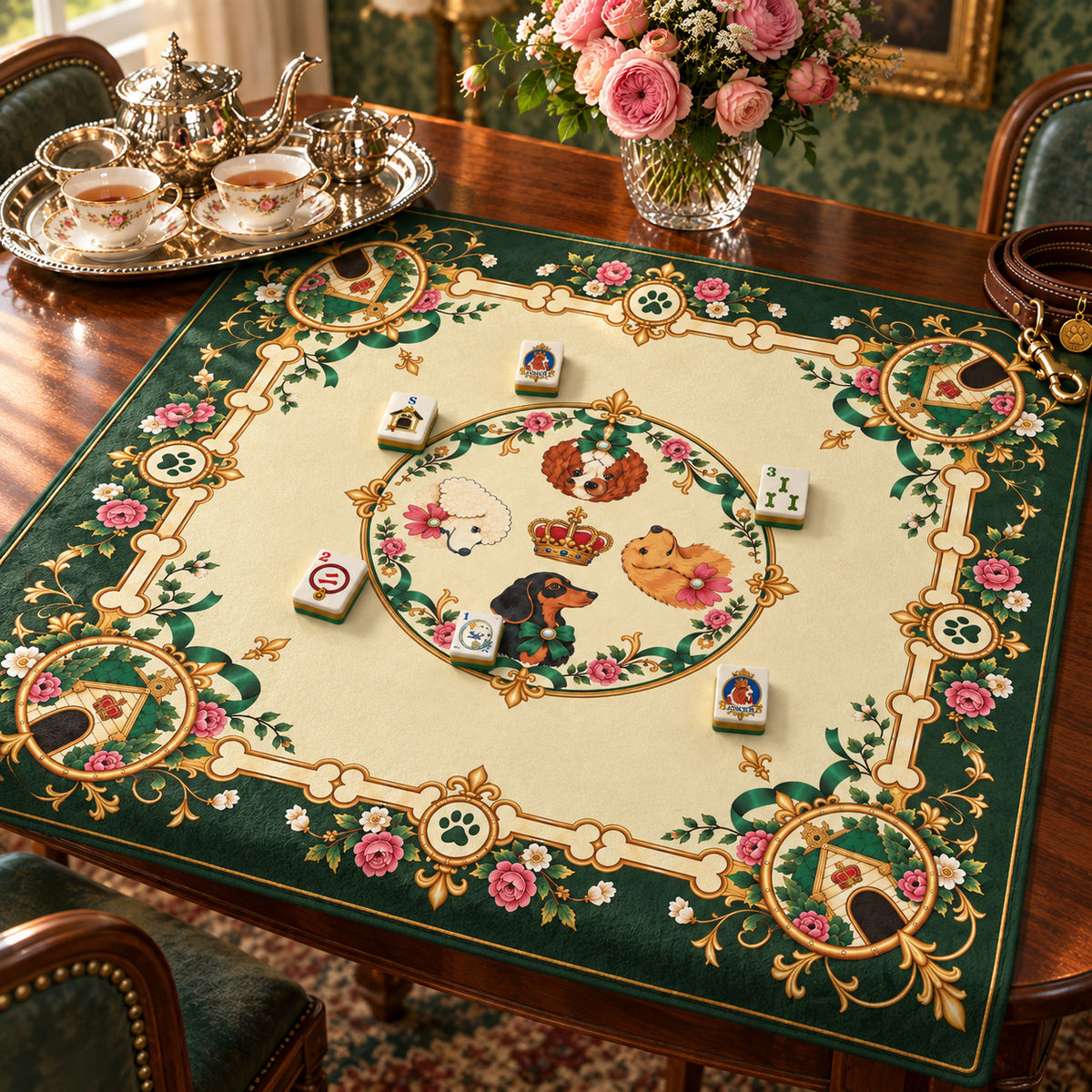
Yes—and the reason is grip and precision, not luxury. Budget PVC mats are slippery; tiles don't stack cleanly, pushers slide off the rack, and the card blows around. Felt-backed mats grip the tile's underside so it sits put during the shuffle and the wall draw. The surface doesn't wear shiny after six months. When you're reading how to read the mahjong card under table lamps, a matte surface doesn't glare. If you host weekly games, a quality mat cuts fumbles by half and adds 10–15 minutes of actual play per session. Our mahjong mats collection runs from entry-level to premium felt designs; see current price on the product page.
🀄 Shop best-selling mahjong sets →
How much does a good rack with pushers cost, and is it worth it?
Racks with pushers range from simple plastic frames to custom wood or acrylic. Budget racks don't align tiles evenly, pushers stick or bend, and storage is an afterthought. A quality rack holds 14 tiles in a perfect line, pushers glide smoothly, and the whole rig fits into a bag. The real cost difference isn't the pushers—it's whether the rack will still work straight after 50 games or start to warp. Our racks with pushers guide walks you through the mechanics; Mahstead racks are engineered to last.
What's the difference between a bag and a case?
A bag carries a set anywhere but offers no protection. A case protects tiles, the mat, and the racks in transit—the walls stay square, the bag stays closed, and tiles don't spill in the car. Budget bags use thin nylon; tiles and metal racks rattle and wear thin spots. Quality cases (canvas, reinforced stitching, or hard shell) cost more upfront but your set arrives ready to play every time. If you travel between homes or host at multiple tables, a case is worth it. If you play at the same table every week, a good bag may be enough. Browse our travel bags and cases to compare options.
Which accessories matter most if you're on a tight budget?
Prioritize in this order:
Tiles – A good set is the foundation. Poor tiles ruin every game. Budget here and you'll replace it within a year.
Mat – Grip and playability trump aesthetics. A felt mat transforms shuffling and accuracy.
Racks with pushers – Straight racks speed play. Bent racks frustrate everyone.
Bag or case – Buy what fits your lifestyle. Don't storage in a cardboard box.
Dice and scoreboard – Nice to have, not essential.
If you host weekly games, start with tiles and a mat. Add a rack set in month two. A case or custom engraved set can wait until you're sure everyone's committed.
Accessory | Budget Option | Mid-Range | Premium | Best For |
Tile set | Resin, painted | Acrylic, embedded color | Acrylic + engraved titles | Year-round play; weekly tables |
Mat | PVC, thin | Felt-backed, 24"×24" | Custom felt or premium acrylic | Every game; precise play |
Rack with pushers | Plastic, basic | Acrylic or painted wood | Custom engraved, premium wood | Daily hosts; professional feel |
Bag | Canvas tote | Padded nylon | Fitted case, hard shell | Storage + travel; protection |
Dice | Plain plastic | Engraved acrylic | Engraved acrylic + custom design | Aesthetic match to set |
🎁 See our most-loved mahjong sets & accessories →
Real spending scenarios: what to buy for different situations
Scenario 1: You're learning. Budget is tight. Buy one best-selling mahjong set and one basic felt mat. Don't buy racks yet—prop tiles on a card holder or coffee table. Read mahjong for beginners to confirm you love the game before spending more. Total: one mid-range set. See current price on the product page.
Scenario 2: You host a weekly game. You want it to run smooth. Buy a durable acrylic tile set, a quality felt mat, one matched rack with pushers per player (or two sets if they rotate homes), and a good bag to store it all. Christmas mahjong sets and engraved mahjong sets add personality if your group plays year-round. Total: one complete setup. See current price on the product page.
Scenario 3: You're a serious player or have a permanent table. Invest in engraved sets with custom titles, premium felt or custom mat, wood racks, and a fitted case. Add matching dice and scoreboard. You'll use these weekly for a decade. Total: a complete, personalized rig. See current price on the product page.
What to check before you buy cheap accessories
Material. Is it acrylic (embedded color, durable) or resin/plastic (painted, chips easily)? Acrylic is the standard for weekly play.
Finish. Do tiles feel smooth or rough? Will paint chip or is the color molded in?
Fit. Do pushers slide freely? Does the mat lay flat or curl? Will the bag close without forcing?
Reviews. Ask your game group. If someone owns a set, ask how it's held up after 6 months.
Returns. Can you send it back if the tiles are sticky or the mat wrinkles? Check the policy before ordering.
Budget doesn't mean poor quality—it means no frills. A well-made plain set outlasts a fancy flimsy one. Spend on durability, not just looks, and you'll play for years.
✨ Find your Mahstead set — free US shipping →

FAQ
Is there a reason to spend more on acrylic tile sets instead of resin?
Acrylic embeds color throughout the tile, so wear and shuffling don't fade the face or chip paint. Resin is painted, so corners show white plastic after weeks of play. Both are called "acrylic" in casual speech, but true embedded-color acrylic lasts 3–5 times longer with weekly use.
How often do I need to replace a mat?
A felt-backed mat lasts 2–3 years of weekly play before the felt matts or backing wears thin. Budget PVC mats often fail (curl or tear) within 6 months. Felt is an investment that pays off in fewer fumbles and longer playability.
Can I use a regular card table instead of buying a mat?
Not well. A bare table is slippery—tiles shoot across it during the shuffle and don't stack neatly. The card blows around. A mat costs less than replacing bent tiles and adds 15 minutes of actual play per session by reducing fumbles. We recommend one.
What's the difference between a bag and a case for travel?
A bag carries a set but offers no padding or structure. A case holds tiles, mat, and racks in compartments so nothing shifts in the car. If you travel weekly between homes, a case prevents tiles from rattling and cracking. If you play at the same table, a bag is fine.
Should I buy a complete set with mat, racks, and bag, or piece it together?
Piece it together if you already own a mat or racks you like. Buy a complete set if you're starting fresh—it's usually cheaper and everything fits together. Most weekly players keep one mat and racks at home and carry the tile set and cards to other houses.
Are engraved tiles worth the cost if I'm just learning?
Not immediately. Learn on a plain set first. Engraved sets are for players who've committed to weekly play for at least a season and want a set that reflects the group's personality. By then you'll know exactly what you want and will use it for years.


View More
View More
View More
