
Changsha Mahjong Setup: Rules, Tiles & How to Play
Last updated: Nov 23, 2026
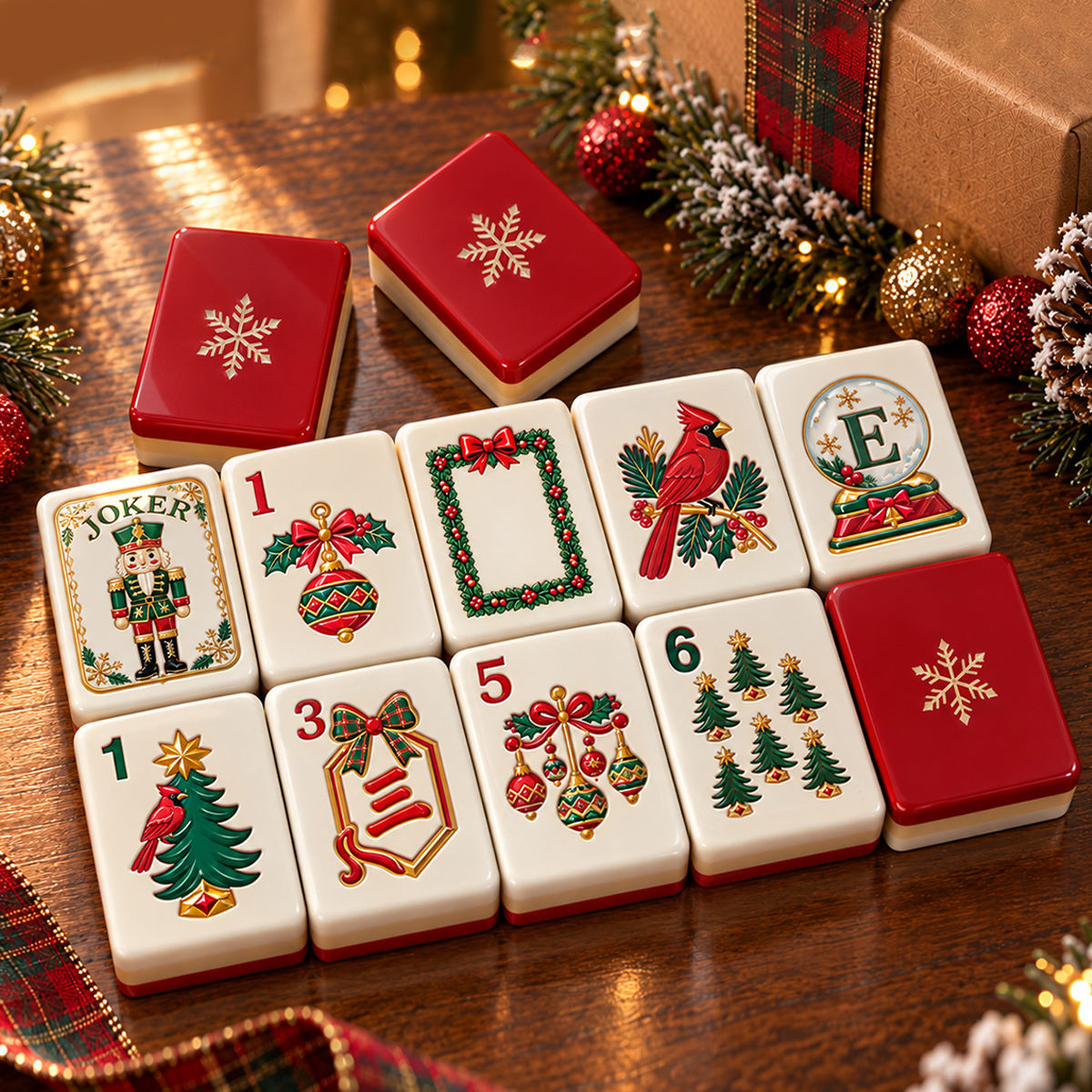
Changsha mahjong uses 108 tiles (Bams, Craks, Dots 1–9 × four copies each, winds, dragons, and flowers—no jokers). Games are faster and more aggressive than Hong Kong or Cantonese variants: players draw and discard quickly, and winning hands emphasize pattern simplicity over complexity. A typical round lasts 15–25 minutes. Setup requires four players seated around a mat or table; the dealer draws 14 tiles, others draw 13 each, and play rotates clockwise. There is no discard limit or elaborate hand registry—you win by completing any combination of pungs, kongs, chows (sequences), or pairs. Changsha allows melding and stealing (calling) discards mid-turn, unlike American mahjong. Rules vary slightly between casual and competitive play, but the core speed and accessibility make it ideal for social play or tournaments. Many Western players encounter this variant when traveling to China or learning from regional players.
Changsha mahjong is a regional Chinese variant popular in Hunan Province, played with a simplified ruleset and faster pace than classical Cantonese mahjong. Games are faster and more aggressive: players draw and discard quickly, and winning hands emphasize pattern simplicity. Changsha allows melding, stealing discards mid-turn, and has no tile registry or joker system—making it more fluid than American mahjong, which relies on a fixed hand card and excludes sequences entirely.
How is the Changsha tile set composed?
Changsha mahjong uses 108 tiles total: three suits (Bams, Craks, Dots) numbered 1–9, with four copies of each tile (36 per suit = 108 base). There are no jokers, no honor tiles beyond winds and dragons, and no flower tiles in the classical sense—though some regional variants include one or two flower tiles for luck. Each player draws from a common wall; the dealer receives 14 tiles, the other three players receive 13 each. The remaining tiles form the dead wall (an undrawn reserve). Unlike American mahjong's fixed 152-tile set with 8 jokers, Changsha uses only 108 tiles and relies entirely on natural draws and discards. This lean composition keeps games swift and tactical.

What are the basic winning hand patterns?
In Changsha mahjong, you win by forming a complete hand of melds (sets of 3 or 4 tiles) plus a pair. Valid melds are:
Pung: three identical tiles (e.g., three 5 Dots)
Kong: four identical tiles (e.g., four East Winds)
Chow: three consecutive tiles of the same suit (e.g., 4 Bam, 5 Bam, 6 Bam)
A winning hand contains four melds plus one pair, totaling 14 tiles. You may also win on a "pair of pairs" or special patterns depending on house rules. Unlike American mahjong, where hands come from a yearly card and chows are forbidden, Changsha allows chows and has no hand registry—any valid pattern wins. This flexibility makes learning the game faster but requires quick mental pattern recognition during play.
How does play flow—drawing, discarding, and stealing?
Play begins with the dealer drawing 14 tiles and discarding one face-up. Each player in turn draws one tile from the wall, melds if they choose, and discards. The critical difference from American mahjong: any player can "steal" (call) a discard to complete a pung, kong, or chow, even if it is not their turn. When you call a discard, you declare the meld, place it face-up on the table, and discard another tile; play passes to the next player. This calling system creates speed and risk: a discard you do not want might be seized by an opponent to win immediately. Games typically last 15–25 minutes per round. The dealer wins an extra point and draws first; losers pay the winner and the dealer. Rotations and scoring vary by house rules, but the rapid meld-and-discard rhythm is consistent.
How does Changsha differ from American and Hong Kong mahjong?
Element | Changsha | American | Hong Kong |
Tile count | 108 (no jokers) | 152 + 8 jokers | 136 (wind 0) |
Winning patterns | Any meld + pair (chows allowed) | Fixed hand card only (no chows) | Chows + pairs + specials |
Melding | Mid-turn calling allowed | Only exposing pungs/kongs | Exposing & hidden melds |
Hand registry | None (pattern-based) | NMJL card (annual) | Regional card or house rules |
Game speed | 15–25 min/round | 30–45 min/round | 20–40 min/round |
Sequence rule | Chows allowed & encouraged | Chows forbidden | Chows core to strategy |
Changsha's simplicity and speed appeal to casual players and social groups; American mahjong's fixed hand card rewards memorization and long-term strategy; Hong Kong mahjong offers complexity between the two. Changsha is ideal if you want quick rounds without a tile limit or special equipment—just four players, a mat, and a 108-tile set.
🀄 Shop best-selling mahjong sets →

What do you need to host a Changsha game?
A full Changsha setup includes:
108-tile set (Bams, Craks, Dots only; no American-style jokers or honors)
Four players seated around a table or mat
A dealer button (wind tile or marker)
Pencil & paper for scoring (optional but helpful)
A quiet, flat surface for the wall and discards
Many Western players sourcing a Changsha set find that standard Chinese 108-tile sets from specialty retailers work well; these lack the acrylic polish and customization of American sets but are designed specifically for this variant. Some players adapt a best-selling American mahjong set by removing jokers and playing with house rules, though this is not ideal—you lose the 1 Bam's bird design and tile balance. For a dedicated Changsha experience, source a regional 108-tile set from a Chinese import vendor or ask local Changsha players for recommendations. If you entertain regularly and want tiles that showcase your game, engraved acrylic sets designed for American mahjong can be repurposed with a house-rules adaptation, though the aesthetic and tile heft differ from traditional Changsha equipment.
What are common setup mistakes and how do you avoid them?
Mistake 1: Using an American 152-tile set without removing jokers. American sets include 8 jokers and honor tiles (winds, dragons) in different numbers. Changsha uses none of these. If you use an American set, remove all jokers and extra winds/dragons before shuffling the wall—or you will confuse players and slow the game.
Mistake 2: Forgetting the dead wall. Changsha uses a 14-tile dead wall (undrawn reserve). After the dealer takes 14 tiles and others take 13 each, the remaining tiles become the draw wall and dead wall combined. Some casual games skip the dead wall; this speeds up rounds but changes end-game odds. Clarify this before play.
Mistake 3: Unclear calling rules. If players call too loosely (stealing discards for weak melds), games become chaotic. Agree in advance: can a player call a discard only to win immediately, or also to build an open hand? House rules vary; consistency matters more than which rule you pick.
Mistake 4: No scorekeeper. Changsha scoring can be complex (dealer bonuses, multi-player payments, special hands). Designate one scorekeeper and write down points after each round to avoid disputes.
What to check before you buy:
If sourcing a dedicated Changsha set:
Confirm it has exactly 108 tiles (Bams, Craks, Dots 1–9 × 4 only).
Check that winds and dragons are included if your variant requires them.
Verify tile size matches your table and players' grip comfort (typically 1 inch × 0.75 inch).
Confirm the set comes with a mat or bag if you plan to travel with it.
🎁 See our most-loved mahjong sets & accessories →
Can Western players learn Changsha quickly?
Yes. Changsha's simplicity—no hand card, no jokers, straightforward meld rules—makes it accessible to players new to regional variants. If you already know American mahjong, you will find Changsha easier in some ways (no memorizing a card, no position-based scoring) and harder in others (no jokers to manipulate, faster decision-making required). Most players grasp the basics in one session and enjoy full games by session three. The key is playing with patient, forgiving opponents and writing down house rules clearly. Online tutorials and regional Chinese mahjong communities (search forums or local meetups) offer live demos. Many Dallas-area communities, libraries, and Asian cultural centers offer beginner sessions—ask at your library or neighborhood community center for Changsha or general Chinese mahjong nights. Playing with a regional expert for your first game speeds learning significantly.
✨ Find your Mahstead set — free US shipping →

FAQ
Do I need jokers to play Changsha mahjong?
No. Changsha uses only 108 tiles—Bams, Craks, Dots 1–9, winds, and dragons. No jokers, no blanks, no special tiles. If you use an American set, remove the jokers and extra tiles before play.
Can I use an American mahjong set for Changsha?
Technically yes with house rules, but it is not ideal. American sets have 152 tiles, 8 jokers, and tile art designed for American conventions. You would need to remove jokers and extras, which wastes the set's design. A dedicated 108-tile Changsha set is cleaner.
How long does a Changsha game take?
Typically 15–25 minutes per round, depending on player speed and house rules. American mahjong rounds often run 30–45 minutes because of fixed hand cards and turn structure. Changsha's rapid discard-and-steal rhythm keeps pace brisk.
What is the biggest rule difference from American mahjong?
American mahjong forbids chows (sequences) and uses a fixed hand card; Changsha allows chows and has no hand registry. Changsha also allows mid-turn calling (stealing discards), which American mahjong does not permit.
Where can I find Changsha players to learn from?
Check community centers, libraries, Asian cultural associations, and meetup boards in your area. Many cities with significant Chinese or Hunan communities have weekly casual games open to beginners. Asking local players directly is the fastest path to learning authentic house rules.
Do I need a special mat for Changsha?
Not required, but a mat helps organize the wall, discards, and melds. A standard mahjong mat or even a cloth tablecloth works fine. The mat keeps tiles from sliding and makes calling and discarding cleaner.


View More
View More
View More
