
Changsha Mahjong for Beginners: Rules, Setup & First Game
Last updated: Nov 23, 2026
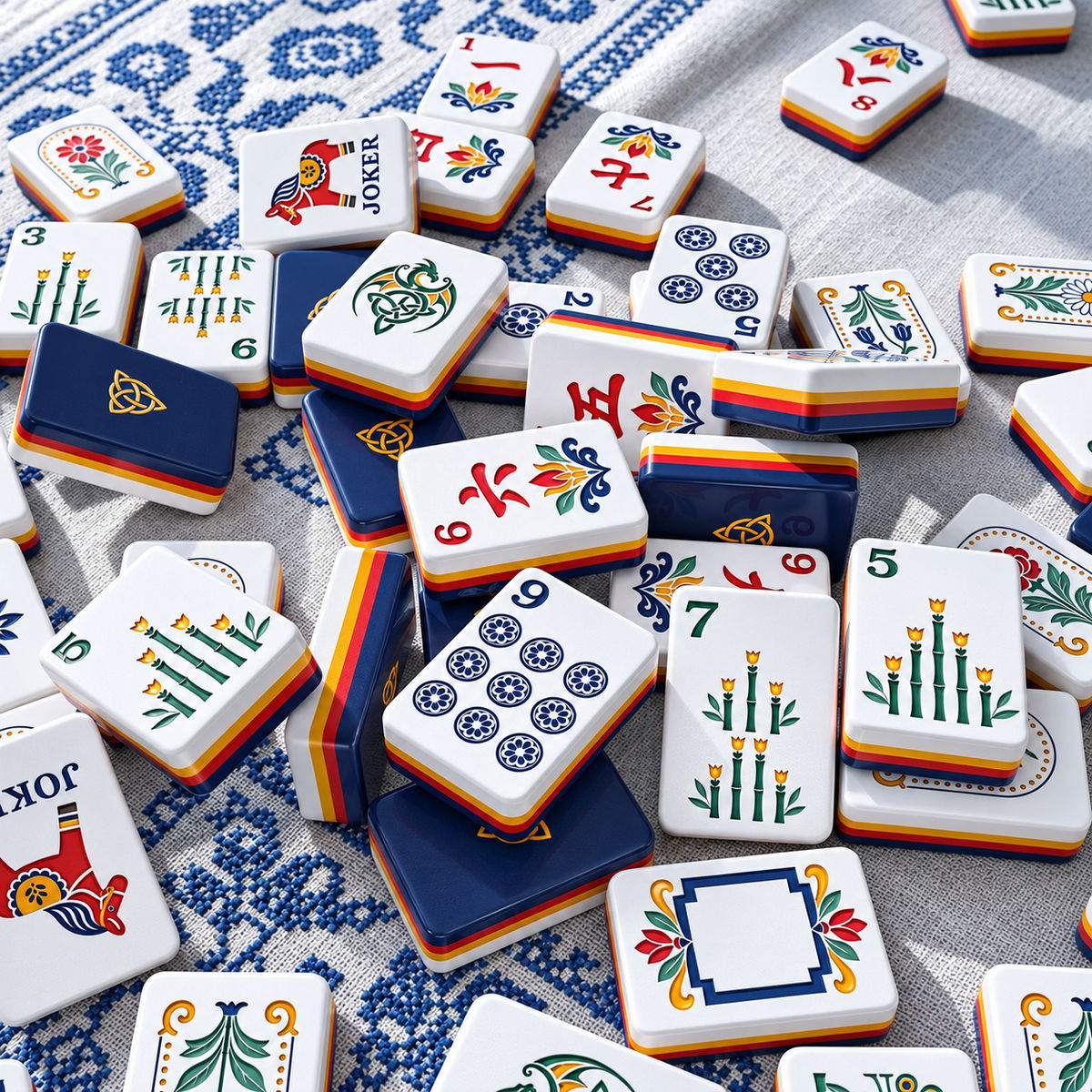
Changsha mahjong (长沙麻将) is a fast-paced Chinese variant originating from Hunan province, played with 108 tiles in the standard suit+honor format but no flowers. The core difference: winning hands emphasize pungs (triplets) and pairs far more heavily than sequences; many hands are all pungs, or pungs plus a pair. A round lasts 10–15 minutes per hand, and games typically run 2–4 hours in casual play. Setup uses 27 tiles per player (drawn from a shuffled wall), plus a discard area and a live tile draw order that cycles strictly. Changsha rewards quick pattern recognition and teaches you to read your opponents' tile discards ruthlessly. The betting structure varies by region—some play points-only, others use chips—but beginner games rarely use heavy stakes. Unlike American mahjong (which binds hands to a licensed card), Changsha relies on memorized or reference patterns, making it more flexible but steeper to learn at first. Start by mastering one winning pattern and a few defensive discard rules, then build from there.
How does Changsha mahjong differ from American mahjong?
American mahjong uses 152 tiles, requires the annual National Mah Jongg League card for legal hands, and locks you into exact patterns. Changsha uses 108 tiles, permits any hand shape that follows the core rule (typically a pair plus 4 melds), and runs much faster. American players expose their sets as they form them; Changsha players keep hands hidden until someone wins. Changsha draws and discards one tile per turn; American requires a full Charleston pass before play begins. If you've played American, Changsha will feel looser and more aggressive—less about pattern memorization, more about live reading.

What tiles come in a Changsha set?
Changsha uses 108 tiles: three suits (Bams, Craks, Dots), each numbered 1–9, four copies of each (108 total). There are no flowers, seasons, jokers, or joker-substitution rules. Some Changsha sets add extra blank tiles for house rules or spare replacements, but the core play set is always 108 tiles. The 1 Bam shows a bird; Red Dragon is paired with Craks, Green with Bams, White (Soap) with Dots. Winds (East, South, West, North) and Dragons function as honor tiles in melds, exactly as in other Chinese mahjong variants. When ordering a set, confirm it includes all 108 tiles in clear separation and comes with clear suits on the face of each tile.
🀄 Shop best-selling mahjong sets →
What is the basic goal and winning rule?
Win by assembling your 14 tiles into one pair (2 identical tiles) and four melds (each a pung, kong, quint, or sextet—never sequences, depending on regional house rules). The moment your hand is complete, you declare and win the round; the player who discarded the winning tile pays the entire table. Unlike some variants where sequences count, pure Changsha (especially in Hunan) typically forbids sequences entirely, making it a hand-building game of pure groups. Some regions permit sequences in specific positions or hands, so clarify house rules before you sit down. Your first win should be a simple all-pung hand—five or six pungs plus a pair—to build confidence.
How does a turn work step-by-step?
Each player's turn follows one cycle: (1) Draw one tile from the wall (or winning tile if someone discarded to you). (2) Check if you have won; if not, proceed. (3) Discard one tile face-up to the discard area. (4) Pass to the next player clockwise. If another player can form a pung or kong with your discard, they may interrupt and claim it (robbing your turn). If no one claims it within seconds, your discard is dead and the next player draws. Winning hands can also come from a kong (four identical tiles you draw or claim), which triggers a live-tile draw, or from the wall when only the last few tiles remain. This cycle repeats until someone wins or the wall is exhausted (draw game).
What are the most common beginner mistakes?
Discarding too early from honor tiles. Beginners throw out Dragons and Winds immediately, then opponents snatch them for melds. Hold them until the endgame.
Not tracking discards. Changsha rewards memory. Note which suits and numbers others are chasing; discard tiles far from their patterns.
Keeping incomplete long-shots. If you're three tiles short of a pung and the hand is nearly over, abandon it. Focus on completing two or three melds fast.
Ignoring Kong-draw sequences. When you form a kong, you draw a live tile (a bonus draw). This gives you a second chance to win the same turn; some beginners miss this and discard carelessly.
Playing without house rules clarified. Ask: Are sequences allowed? Does 2–3–4 count? What happens if the wall empties? Misalignment wastes everyone's time.
Mistake | Why it costs | How to avoid it |
Discarding honors early | Opponents form melds; you lose tempo | Keep one of each honor until mid-game |
Not reading discards | You waste tiles others need | Note 2–3 discard patterns per opponent |
Holding dead pung pieces | Hand stays incomplete and inflexible | Pivot to different melds by turn 6 |
Forgetting kong-draw rules | Miss free winning draw | Review local rules before game 1 |
Mixing up suits | Grab wrong tile; slows play | Touch tile briefly; say name aloud |

How do you score and settle bets?
Changsha scoring varies widely by region—some play fixed points per win, others add multipliers for kong or all-pung hands. A basic model: the player who discarded the winning tile pays the winner 1 point (or 1 chip). If the winner drew from the wall, all three other players pay 1 point each. Kongs often double or triple the payout. All-pung (no honors) hands may earn a bonus. Most casual beginner games use low stakes or no money at all, keeping the focus on learning. Always confirm the scoring system before the first hand; regional rules can triple or halve payouts.
What should a beginner focus on in the first five games?
Start with one simple winning pattern: all Bams pungs plus a pair, or all low-number tiles (1–5 in mixed suits) to keep draws manageable. Master the discard-reading habit—watch what two opponents want and never give it to them. Learn to spot a kong opportunity and take it; live-tile draws win hands. Play tight: build two safe melds first, then chase a third. Stop chasing honor tiles unless you already hold two. By game five, you'll know your table's speed and habits; then you can read finer signals like when someone is one tile from winning.
Should I buy a dedicated Changsha set or adapt an American set?
Changsha sets are smaller and simpler than American ones—no jokers, no flowers, no special blanks. If you have access to a 108-tile Chinese set, it works perfectly. American sets (152 tiles plus jokers) contain extra tiles and symbols Changsha doesn't use, so you'd have to set aside ~44 tiles each game—messy and confusing for new players. For consistent play, buy or borrow a 108-tile set marked clearly by suit. Our best-selling mahjong sets include designs compatible with regional Chinese play; verify the tile count and suit labeling before purchase to ensure it matches your region's Changsha standard.
🎁 See our most-loved mahjong sets & accessories →
What equipment makes learning easier?
A mat or table cover keeps tiles organized and prevents sliding, crucial in fast Changsha play where tiles move rapidly. Dedicated mahjong mats have four marked zones (one per player) and often show suit symbols, helping beginners sort tiles faster.
A rack or pusher lets you hold and arrange your hand without exposing it—essential in Changsha, where keeping your hand private is table etiquette. Mahjong racks with pushers are inexpensive and transform play speed.
A dice set (two to four dice per table) randomizes wall-starting position and reinforces fair play. Many Changsha players use two dice; one randomizes the wall entry, the other determines who draws first.
None of these are mandatory for learning, but all three reduce errors and speed up early rounds so you can focus on strategy instead of logistics.
✨ Find your Mahstead set — free US shipping →
What to check before you buy
Tile count. Confirm the set contains exactly 108 tiles (or 108 + spares) and clearly states suit symbols on each tile.
Suit labeling. Verify tiles are marked Bam, Crak, and Dot (not using alternative names), and numbers are printed or engraved so they survive washing.
Tile size and weight. Heavier acrylic tiles slide and shuffle more predictably than lightweight resin; beginner-friendly sets typically weigh 8–10 grams per tile.
Regional variant support. Ask the seller whether the set works for your specific regional Changsha rules (Hunan vs. Guangdong play differs slightly).
Free US shipping and return policy. Ordering online should include return terms in case tiles are chipped, marked unclearly, or the suit count is wrong.

FAQ
Can I learn Changsha if I only know American mahjong?
Yes. American players already understand suit order, honor tiles, and pung/kong logic, so Changsha basics take 1–2 games to click. The main shift: no sequences, no jokers, and play flows faster. Your American instincts for tile positioning and discard reading transfer directly.
How long does one round of Changsha take?
A typical hand runs 8–15 minutes for experienced players, 15–25 minutes for beginners. A full game (four rounds) usually takes 1.5–2.5 hours for a casual table. Changsha is one of the fastest mahjong variants because hands are simpler and play is relentless.
Do I need to memorize hand patterns like American mahjong?
No formal card exists for Changsha, so you don't memorize a licensed pattern list. However, you do learn common winning shapes (all-pung, high-honor, mixed-suit) through play. After 10–15 games, you'll recognize winning opportunities instantly. Reference guides exist online for regional Hunan or Guangdong variants if you want to study offline.
What happens if someone goes out (wins) on my discard?
You pay the winner's full pot or the agreed payout. This is why discarding smartly—reading what opponents want—is critical. Beginners often pay several times per game; this is normal and painful until you learn to read the table's patterns.
Is Changsha played for money or points?
Both. Casual beginner games often play for points only (no money changes hands). Serious or regular games use low stakes—coins, chips, or small dollar amounts per hand. House rules vary by group; always confirm stakes and settlement method before sitting down.
How do I find a Changsha game near me?
Community centers, senior programs, and cultural associations (especially in areas with Hunan or Guangdong communities) often host public or semi-public games. Online meetup boards and local WeChat groups also list open games. Ask at libraries or local Asian restaurants for bulletin boards. Beginner-friendly groups usually welcome newcomers and explain house rules upfront.


View More
View More
View More
