
Blue Mahjong Scoring Sticks: What to Choose for Your Game
Last updated: Nov 23, 2026
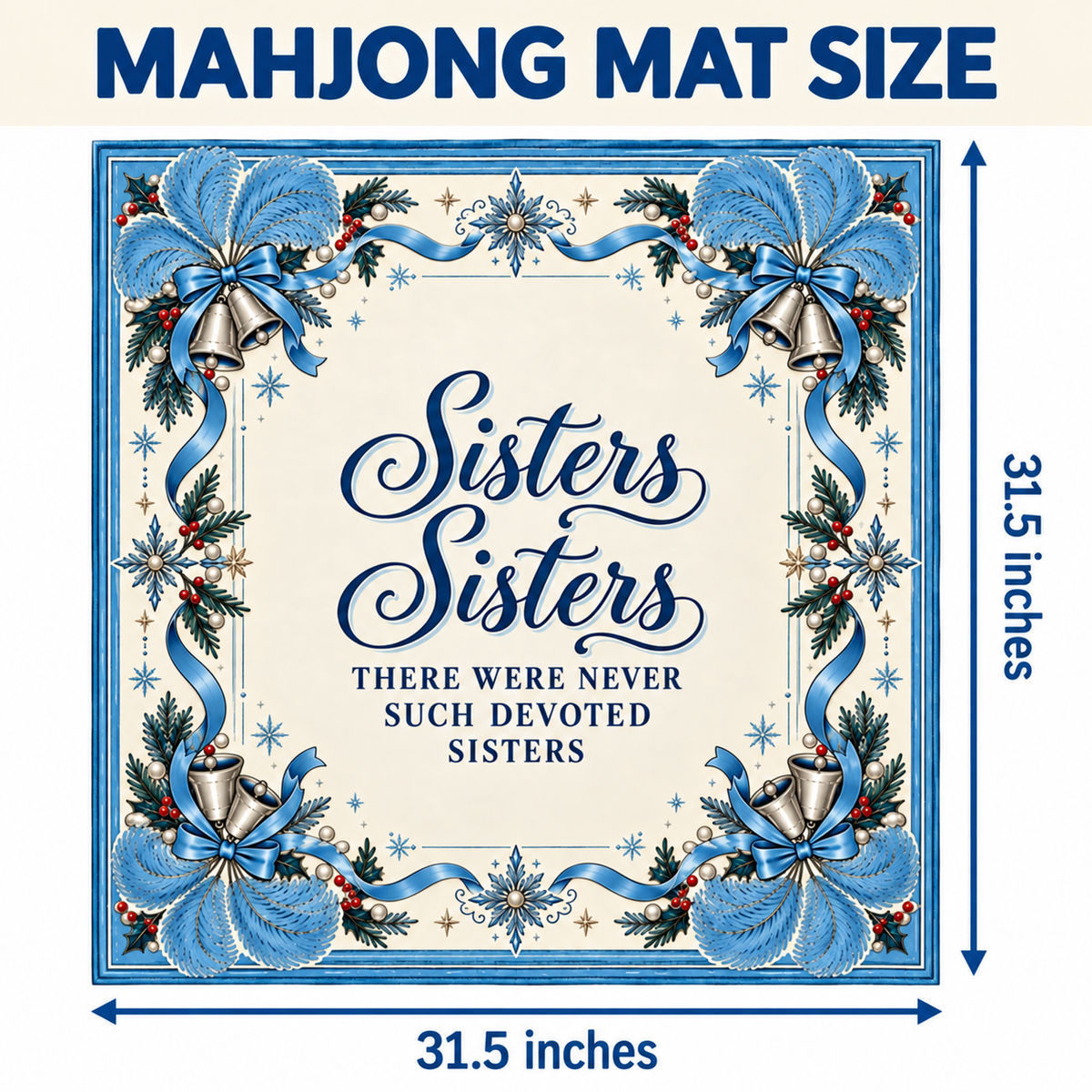
Blue mahjong scoring sticks are small, stackable rods—typically 2 to 3 inches long—that sit upright on a rack to display each player's score. In American mahjong, each player manages their own rack of 20 sticks, with the positioning of those sticks on the rack indicating their running point total. Blue is a practical color choice because it contrasts well with most table surfaces, mats, and the natural beige of bamboo racks, making scores easy to spot across the table. Unlike imported sets, best-selling designs pair sticks with matching racks, racks with pushers, and durable mats so the whole system works as one.
Why does stick material matter for weekly play?
Plastic sticks are lighter and cheaper but wear faster at the hole where they sit on the rack; after 50–100 games, the hole can enlarge and sticks slip or fall. Bamboo sticks are heavier, grip the rack better, and last years of regular play without hole degradation. The hole itself—the small indent where the stick rests—is the first thing to inspect: if it's drilled too shallow or irregularly, sticks won't sit level or will rotate during scoring announcements, creating confusion. For a group hosting weekly games, bamboo or reinforced plastic with well-drilled holes is the only choice if you want sticks that don't need replacing mid-season.
🀄 Shop best-selling mahjong sets →

What's the difference between standalone sticks and set-included sticks?
Standalone blue sticks sold separately are usually commodity items—low-cost, basic plastic rods. Set-included sticks (part of a bundle with tiles, mat, and rack) are quality-checked as part of the whole package, so the holes align with the rack design and the colors match the rest of your equipment. Many players buy full sets for this reason: you avoid the frustration of purchasing sticks that don't fit your existing rack or clash with your mat color. If you already own a complete set and one stick cracks, replacing just the sticks from a compatible manufacturer works; but if you're buying from scratch, a cohesive set eliminates guesswork and saves time setting up for game night.
How do blue sticks compare to other colors for visibility?
Color | Best For | Table Visibility | Wear Pattern |
Blue | Neutral décor, beige racks | Excellent on cream/green mats | Medium—hole wears faster than bamboo variants |
Red | Dark tables, modern setups | High contrast on pale mats | Similar to blue |
White/Ivory | Light-heavy mixed tables | Good on dark surfaces, fades on light | Stains show age faster |
Natural bamboo | Traditionalists, coordinated sets | Varies by mat; poor in low light | Longest hole durability if well-finished |
Black | Minimalist, high-contrast play | Excellent; reflects light poorly, reducing glare | Chips and scratches visible over time |
Blue remains the most popular choice for American mahjong groups because it doesn't dominate the table visually and works across most mat colors. If your mat or racks are bamboo, blue provides a subtle accent; if your mat is patterned or floral, blue sits neutral without competing for attention.
🎁 See our most-loved mahjong sets & accessories →
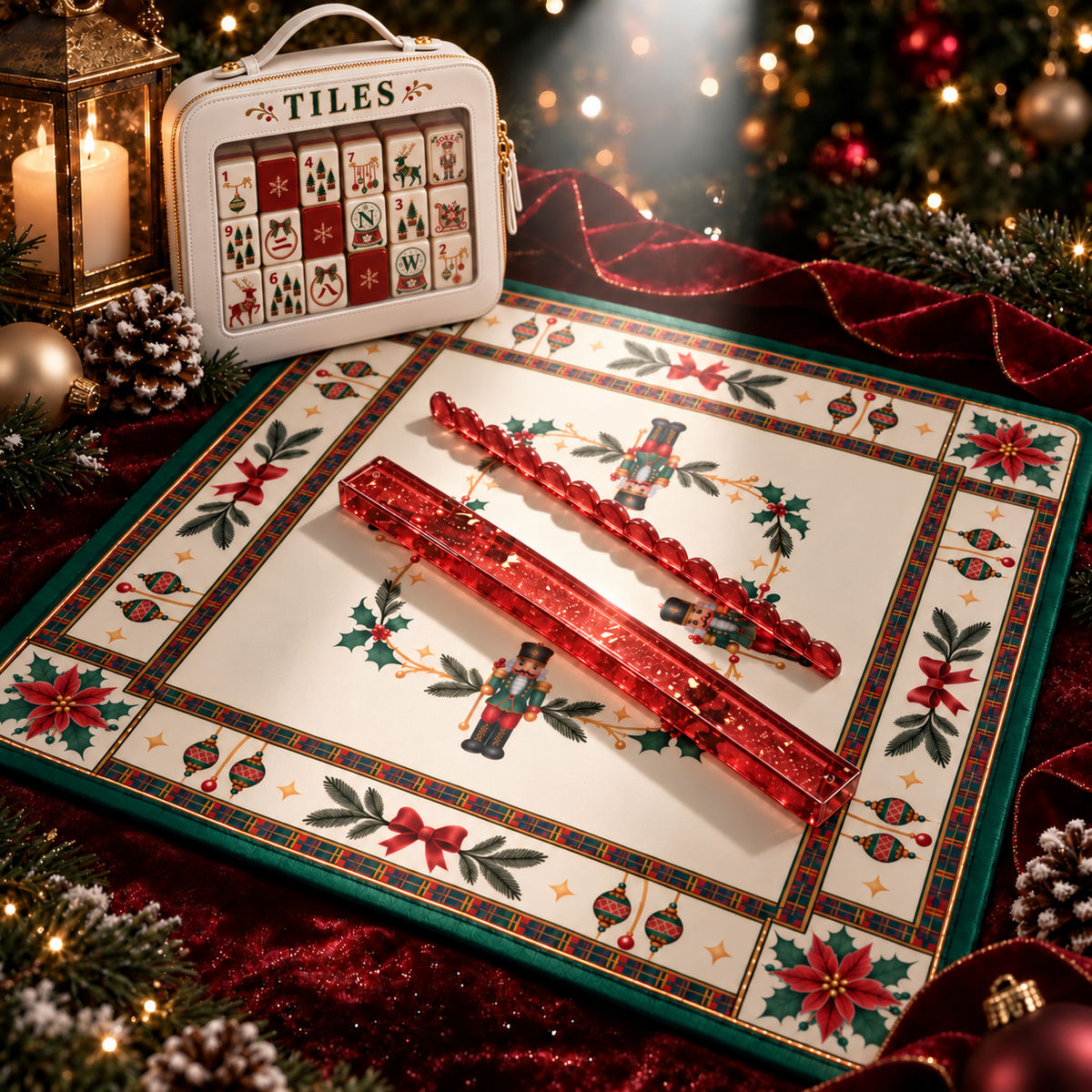
What should you check before ordering blue scoring sticks?
Before committing to a purchase, verify these four details:
Hole depth and diameter: Holes should accommodate your existing rack's pegs without excessive slack or jamming. If buying standalone, measure your current rack's peg width before ordering.
Stick length: Most American sets use 2.5-inch sticks; shorter sticks (2 inches) are harder to handle, longer ones (3+ inches) may not fit standard racks.
Material finish: Matte finishes resist glare during evening games; glossy finishes can be slippery if sticks jostle during play.
Quantity per color: Standard is one color per player (4 players = 4 colors, 20 sticks each). Blue sets often come in multiples of 20 or 80 (full game set); confirm you're buying the right quantity.
For players upgrading from a worn older set, we recommend buying a new full set rather than mixing sticks from different eras—hole sizes and plastic formulations change, and mismatched sticks create scoring errors.
Where do you buy quality blue scoring sticks in 2026?
Blue sticks are sold three ways: as standalone bundles (30–80 sticks of one color), as part of a coordinated mahjong set with tiles and accessories, or as individual replacement sticks from specialty retailers. Buying as part of a full set is the most reliable route for new players because all components are tested to work together; the sticks fit the racks, the colors coordinate with the mat, and durability is guaranteed across the entire package. Standalone sticks are useful only if you already own a compatible set and need a single replacement color. Specialty retailers often stock engraved or themed sets that pair sticks with custom tiles and cases—a good option for clubs or gifts. Compare the hole quality by requesting photos before ordering, and confirm that sticks are included in the final shipment (some discount sets omit sticks to lower the advertised cost, so read the product description carefully).
✨ Find your Mahstead set — free US shipping →
What to check before you buy
Rack compatibility: Does your current rack accept the stick diameter? Request the peg size (usually 0.25–0.3 inches).
Material: Bamboo > reinforced plastic > cheap plastic for durability in games played weekly or more.
Quantity: Count how many players you host; each needs 20 sticks. Blue alone is typically bought in 4-color sets (80 sticks total).
Set vs. standalone: Full sets eliminate guesswork; standalone sticks are only for exact replacements.
Finish quality: Inspect the holes for smoothness and consistent depth—rough holes scratch sticks and cause jamming.
FAQ
How many blue scoring sticks do I need?
Each player requires 20 sticks to track points in American mahjong. Four players need 80 sticks total (one color per player). If all four players use blue, you need 80 blue sticks; if each uses a different color, buy one 20-stick bundle of blue per blue-using player.
Why do my scoring sticks keep falling off the rack?
The hole is too large or irregular, or the rack pegs are worn smooth. Check pegs for flatness (they should have slight gripping texture). Replace the sticks if holes are enlarged; replace or sand the rack pegs if smooth. Mismatched eras of sticks and racks often cause this.
Can I mix blue sticks from different brands?
Only if the hole sizes are identical. Different manufacturers drill holes at slightly different depths and widths. Mixing brands creates uneven stacking and makes scoring harder to read. Buy one complete set if you need to replace multiple sticks.
Are bamboo or plastic blue sticks better for long-term play?
Bamboo is superior for weekly or daily games—holes resist wear for years. Plastic is acceptable for occasional play (a few times monthly) but wears faster. After 100+ games, plastic holes often enlarge; bamboo sticks remain level indefinitely if finished well.
What's the best table setup to make blue sticks easy to read?
Pair blue sticks with a light-colored or neutral mat, bamboo racks, and clear overhead lighting. Avoid dark green or navy mats (they blend with blue sticks). A mat with a defined player area keeps each player's rack visible and centered. Racks with pushers help keep sticks upright during play.


View More
View More
View More
