
Brunch Mahjong Party Prizes: What to Give Players
Last updated: Nov 23, 2026
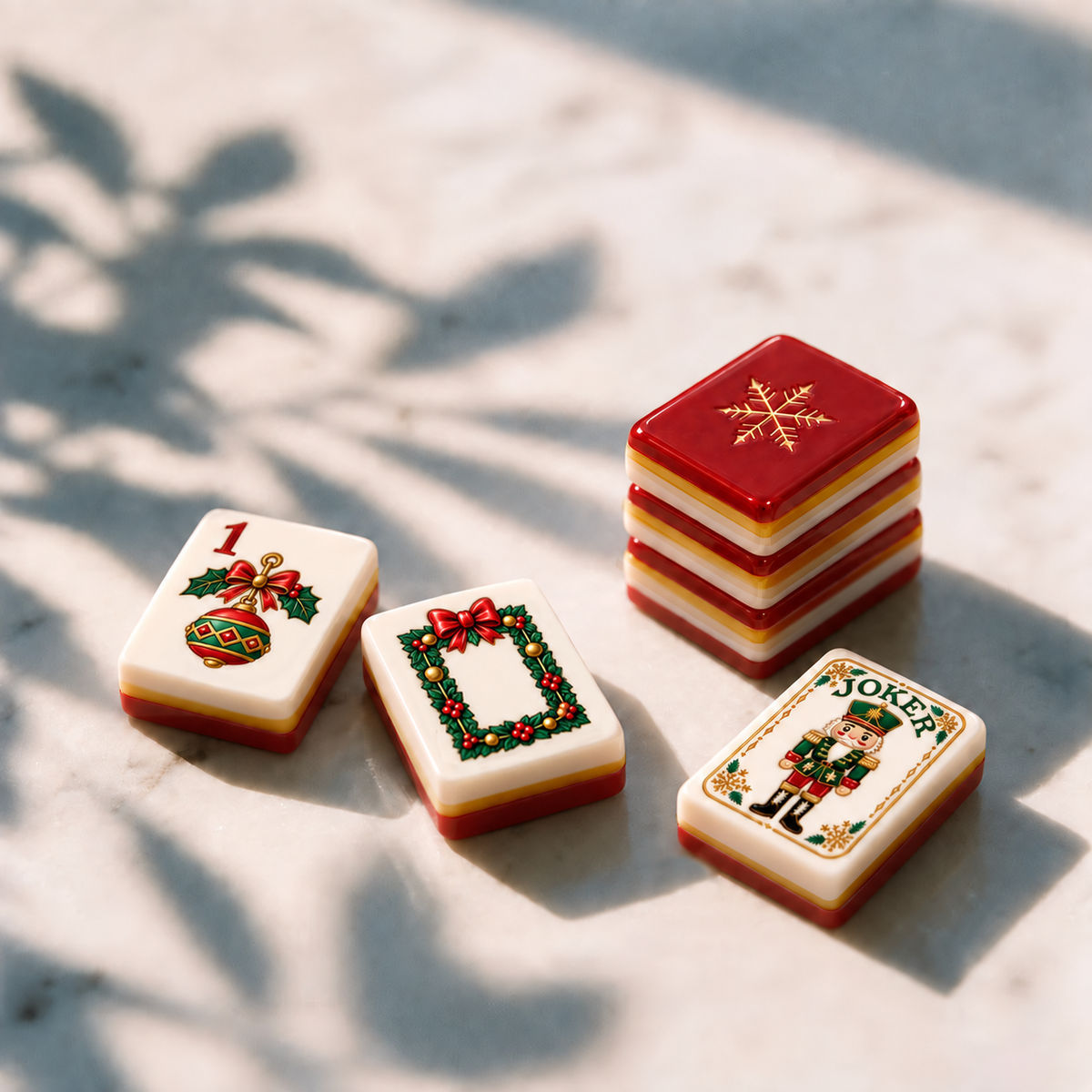
Mahjong brunch party prizes range from trophy tiles and desk scoreboards to complete engraved sets, racks with pushers, custom mats, and luxury travel cases—or split the budget across multiple smaller wins (scorekeepers' notepads, dice, lucky pushers). Prizes work best when tied to placement (highest score, most jokers called, best hand formed) and the theme of your game; a set of best-selling mahjong sets doubles as decor and a conversation starter. Budget varies widely: some hosts award no prizes and just play for bragging rights, while others allocate a shared pot split among first, second, and third place or by round. Avoid generic gift-card prizes—players remember a hand-engraved tile rack or a custom mat far longer. The trick is matching the prize to the player's commitment level and your group's style: a casual weekend brunch game calls for lighter tokens, while a monthly league demands gear that gets used at every table.
What prize types actually get used after the game?
The prizes that sit in a closet for years are generic ones (candles, mugs, wine bottles not tied to mahjong). The ones your players actually use—and thank you for—are game-linked: a custom engraved American mahjong set the winner plays with for seasons, a mahjong mat they bring to every brunch, or racks with pushers their hands rest on every week. Functional prizes—especially ones embossed with the date or the group name—become keepsakes. A tile-themed desk scorekeeper or a custom die also works because players see them at the table each game. The rule: if the prize doesn't belong at a mahjong table, don't give it as a mahjong prize.
🀄 Shop best-selling mahjong sets →

How much should you budget per prize without breaking the bank?
Prize budgets depend on entry fees, group size, and how many rounds or playdates you're hosting. If you're running a one-off brunch with four players and no entry fee, a small token (engraved tiles, a set of dice, or pushers) costs very little and feels special. If you're hosting a quarterly league with twelve players and a shared pot per game, each prize pool is smaller—so splitting it across three places (1st, 2nd, 3rd) or awarding a rotating "best hand of the day" keeps it fun without expense. A practical framework: decide upfront whether you're pooling money from players, using your own budget, or keeping it prize-free. Then rank what matters most to your group—is it bragging rights alone, or do physical tokens motivate play? Once you know that, pick one or two categories (a set for first place, racks for second place, for example) rather than trying to fill five slots. This keeps the prize table simple and the gifts meaningful.
Which prizes work for different mahjong player types?
Not every player values the same reward. Use this matrix to match player to prize:
Player Type | Loves… | Best Prize | Why It Works |
Casual weekend player | Social fun, photo ops | Custom mat or set with group name | Commemorates their brunch memory; Instagram-worthy |
Serious league player | Game improvement, consistency | Mahjong racks with pushers (quality set) | Used every game; practical investment |
Collector or enthusiast | Unique tiles, design, artistry | Engraved set (custom title or date) | Becomes part of their collection; not consumable |
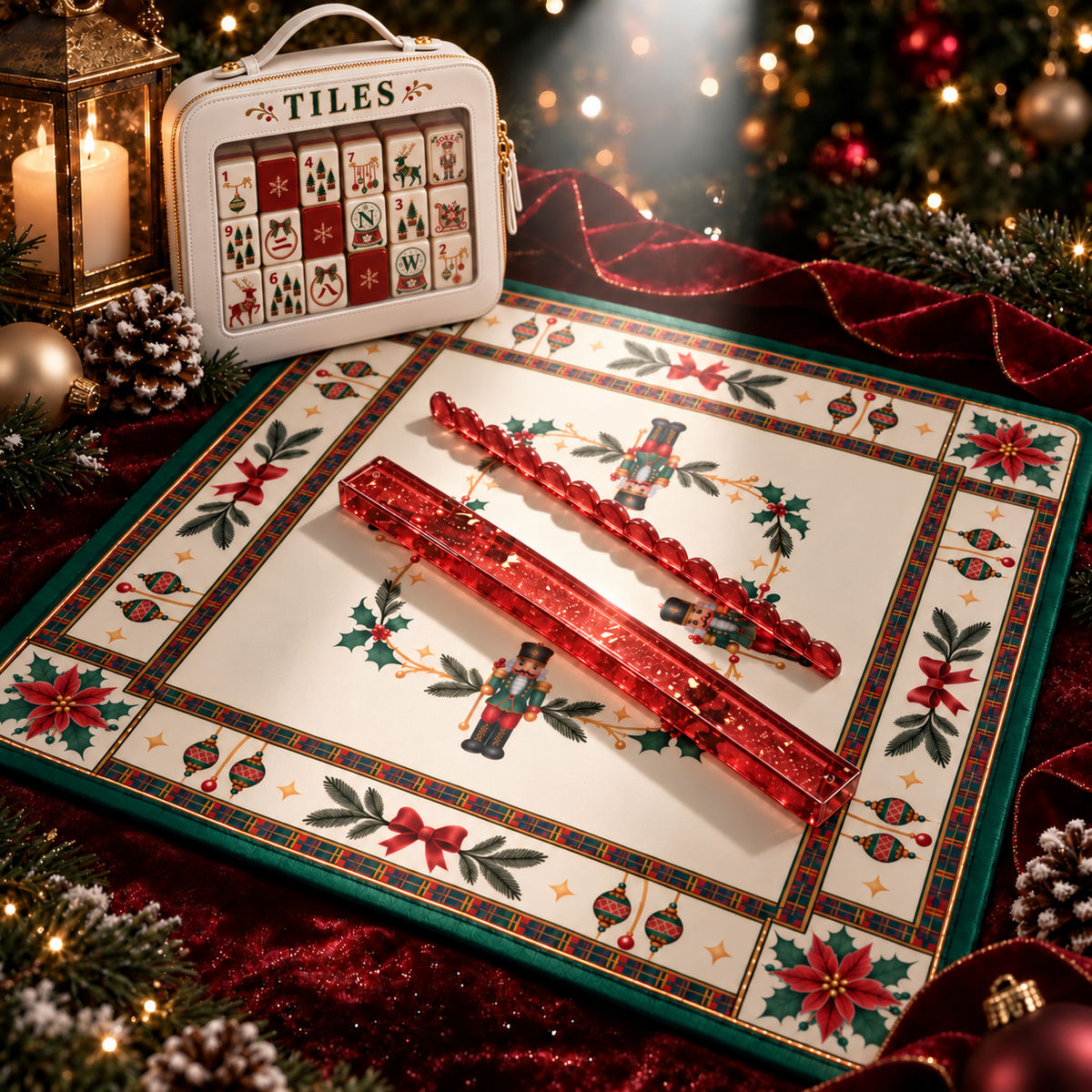
Host or organizer | Ease of setup, hosting credit | Premium travel bag or case | Practical; recognizes their effort |
Beginner or new player | Encouragement, learning tool | Scoring aid, extra pushers, or dice | Low-pressure; builds confidence |
A mixed group? Award one major prize (a custom set) and split smaller tokens among other winners so everyone leaves happy.
🎁 See our most-loved mahjong sets & accessories →
What mahjong-specific prizes avoid the "generic gift" trap?
Generic gifts fail because they ignore that mahjong players already have mugs, candles, and wine. Mahjong-specific prizes prove you understand what your players actually do at the table. Engraved tiles with a funny saying or the game date feel personal. A travel bag or case shows you respect their dedication to bringing their own set. A custom mahjong mat printed with a funny rule, group name, or year becomes part of every game they host. Lucky pushers, specialty dice in jade or acrylic, or even a vintage-style scoreboard work because players touch them every round. The unifying principle: the prize should live at the table, not on a shelf. If you're giving an engraved set, make sure the title or date tells a story—otherwise it's just another set. A mat that reads "Best Brunch Hand 2026" or racks labeled with the group's name transform ordinary gear into inside jokes and keepsakes.

How do you structure prizes to keep everyone motivated through multiple games?
The worst prize structure is "one winner, same person both rounds." The best keeps fresh players in contention. Here's what works for a typical four-person brunch with three rounds:
Round 1: Award to highest score (or most jokers called).
Round 2: Award to the player who hasn't won yet and has the highest score—or give a small token to everyone who improves their previous score.
Round 3: Grand prize (set, mat, or racks) to the overall winner across all three rounds, or split the pool (1st, 2nd, 3rd place across the whole brunch).
Alternatively, award by hand type instead of score: "best pung," "luckiest joker call," "fastest meld"—this spreads wins across different skills. Some groups use a "mystery hand" prize: whoever completes a rare hand pattern (a specific pung-heavy or all-honors hand from the current year's card) wins a bonus. This rewards game knowledge and luck equally. The rule: if one player won prizes in games 1 and 2, give game 3 to someone else to keep the table engaged.
✨ Find your Mahstead set — free US shipping →
What should you avoid when choosing mahjong party prizes?
Wrong approach: Gifting sets or gear the players don't actually want to use. If your group already plays on a 40-year-old family table, a new mat goes unused. If everyone owns three sets, a generic fourth one isn't exciting. Ask your group what they need before you decide—do they struggle with hand visibility? Racks. Do they play at different venues? A travel case. Do they like to remember each game? An engraved mat.
Wrong approach: Mismatched prize-to-effort ratio. A tiny chocolate bar for winning a four-hour tournament feels insulting. A full engraved set for a one-game casual brunch feels over-the-top. Match the prize value to the commitment level and the stakes.
Wrong approach: Prizes tied only to winning. Players who lose every game get demoralized. Mix in "most jokers called," "best color coordination," or "most creative commentary" so everyone has a shot.
Wrong approach: Handing over an unboxed, generic set. Even if the set is beautiful, present it properly. A best-selling set that arrives in protective packaging and gets wrapped (or presented in its box) feels premium. Generic brown box and loose tiles feel cheap.
Before you buy: Check that the tiles are actual acrylic or bone—not cheap plastic—if this is a prize. Confirm the set ships complete (all 152 tiles plus spares). If engraving, order early and proof the text. If gifting a mat or racks, verify they'll fit the winner's table or travel style.
What to check before you buy a prize set or accessory
Set completeness. A 160-tile set includes all playing tiles plus spares; confirm this on the product page before ordering.
Personalization time. If you want engraving (date, group name, funny title), order at least two weeks in advance—custom work takes time.
Tile quality. Acrylic or bone tiles last years; cheap plastic cracks and stains. Check the material description on the product page.
Recipient's setup. If gifting racks or mats, confirm they fit the winner's existing table or travel case.
Group theme. A Christmas mahjong set works if your brunch is seasonal; a custom-title set works year-round.
Prize ideas ranked by impact (and honesty about effort)
Prize | Setup Effort | Impact Level | Best For |
Engraved tiles or single-tile trophy | Low | Medium | Best hand memory, non-serious groups |
Premium racks with pushers | Low (buy off-shelf) | High | Players who bring their own set |
Custom mahjong mat | Medium (design + order) | Very High | Groups meeting regularly; becomes table centerpiece |
Medium (approve proofs, wait 2 weeks) | Very High | First-place winners; keepsake quality | |
Specialty dice or pushers | Low | Low-Medium | Fun secondary prizes, stocking stuffers |
Low (buy off-shelf) | High | Frequent travelers or group organizers |
The best prize you can give is one the player will use next week—not one that collects dust in a closet. A custom mat that shows up at every game, racks that improve hand comfort, or an engraved set that stays in rotation for years turns a brunch prize into a lasting thank-you. Make the prize fit the game, the player, and the memory of the day, and your mahjong group will remember it long after the tiles are packed away.
FAQ
How far in advance should I order a custom-engraved mahjong set for a prize?
Order at least two to three weeks ahead to allow time for design approval, engraving, and shipping. Rushing a custom order risks delays or errors in the engraving. Confirm the delivery date with the vendor before you commit to your brunch date.
Can I buy multiple smaller prizes instead of one big prize?
Absolutely. Splitting a budget across three or four winners (first, second, third place, plus a "best hand" token) keeps more players motivated and makes the prize table feel less top-heavy. Mix one major prize (engraved set) with smaller tokens (dice, pushers, or scorekeeping aids).
What if my group plays for money instead of prizes?
Money pots and physical prizes aren't mutually exclusive. You can still award a trophy tile, custom mat, or set to a seasonal or annual champion on top of the money play. The physical prize often means more because it commemorates the win and gets used at every future game.
Do I need to buy a full 160-tile set as a prize, or can I gift just a subset of tiles?
A full set is the best prize because it stands alone and the winner can play with it immediately. Partial sets or loose tiles create confusion about what's playable (152 tiles) versus spares, and they feel incomplete. Always gift a complete set if mahjong gear is your prize.
How do I present the prize without it feeling awkward?
Wrap it, box it nicely, or at minimum hand it over in its original packaging with a short, genuine comment ("You earned this—thanks for hosting," or "Your hand was incredible today"). A simple announcement and a photo make the moment feel intentional, not like an afterthought.
Can I use a prize to gently encourage newer players?
Yes—structure at least one category around effort or improvement rather than pure score. Award "best beginner hand," "most jokers called," or "fastest meld to keep the game moving." This lets new players feel welcome and celebrated, not left behind.


View More
View More
View More
