
Brunch Mahjong Party Decorations: Tiles, Mats & Hosting Ideas
Last updated: Nov 23, 2026
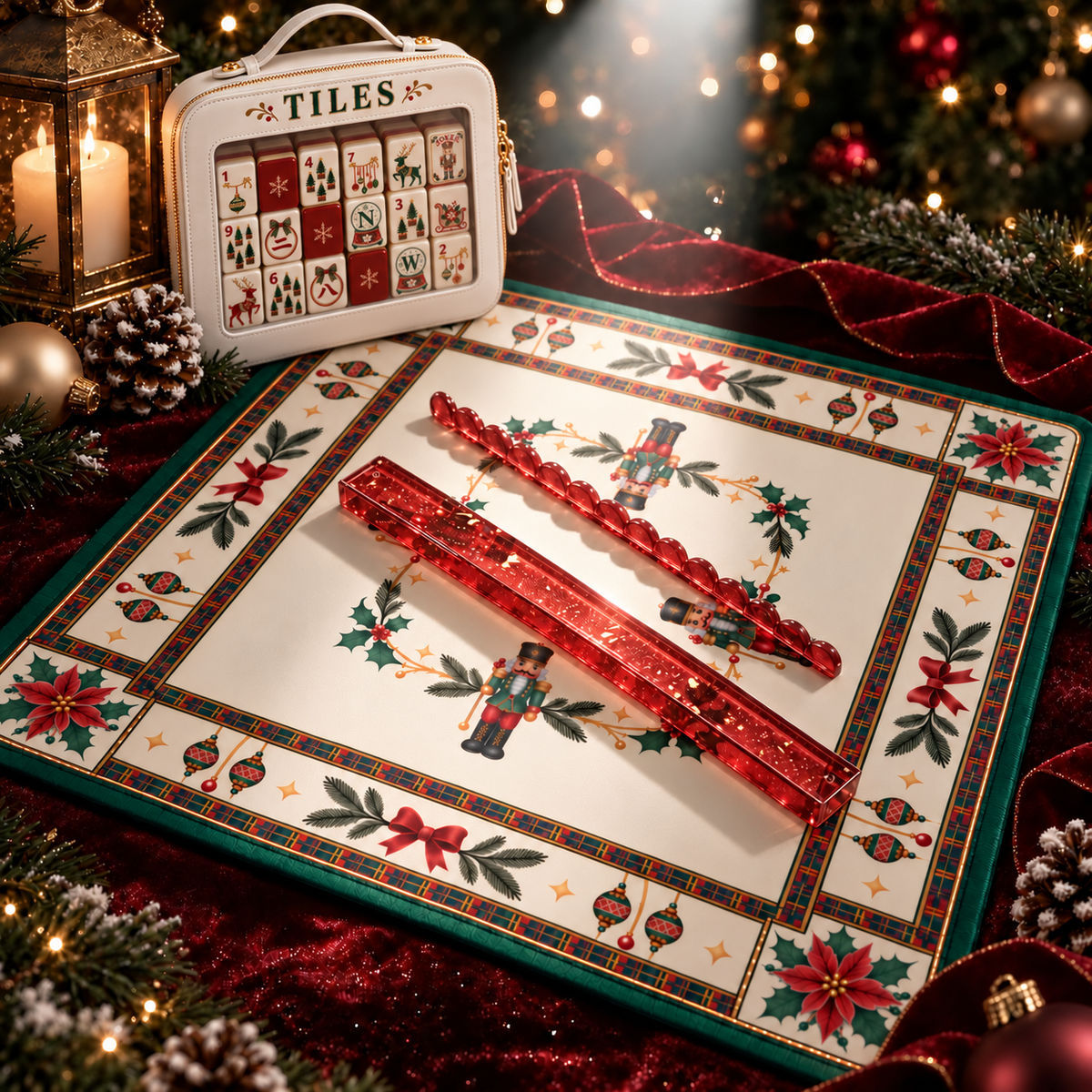
Brunch mahjong party decorations center on the tiles and table itself: a high-quality American mahjong set (160 tiles in a durable case), a padded mat that protects the playing surface and keeps tiles from sliding, and coordinating accessories like racks with pushers that organize each player's hand. The mat is your focal point—it becomes the table's visual anchor. Layer in personal touches: place cards with player names, use vintage glassware for scoring chips, and let the tile colors (Bams in blues, Craks in reds, Dots in greens) guide your tablecloth and napkin palette. Many hosts choose engraved sets with custom titles or seasonal designs to tie the party theme together. A 160-tile set with a protective case ensures tiles arrive safely and can be stored between brunches; check the mat's dimensions before ordering to match your table. Total setup time: 10 minutes once the set, mat, and racks are in place.
A brunch mahjong party blends food, friends, and tiles. The right decorations—starting with a high-quality American mahjong set (160 tiles in a durable case), a padded mat that protects the playing surface and keeps tiles from sliding, and coordinating accessories like racks with pushers that organize each player's hand—set the tone before the first hand is drawn. The mat is your focal point; it becomes the table's visual anchor and the foundation for every other décor choice.
What role does the mahjong mat play in brunch décor?
The mat is your centerpiece before anyone sits down. It defines the playing zone, signals "game table" to guests, and anchors the color story of your brunch. A padded mat protects tiles and prevents the clatter that disrupts conversation. Choose a neutral tone (cream, gray, tan) to let your tablecloth or runner complement it, or pick a mat with a subtle print that echoes your brunch theme. The mat's size matters: a standard mat fits a 36–42-inch square table and leaves room for beverages. Measure your table first and compare dimensions before ordering to avoid overhang or undersizing.
🀄 Shop best-selling mahjong sets →
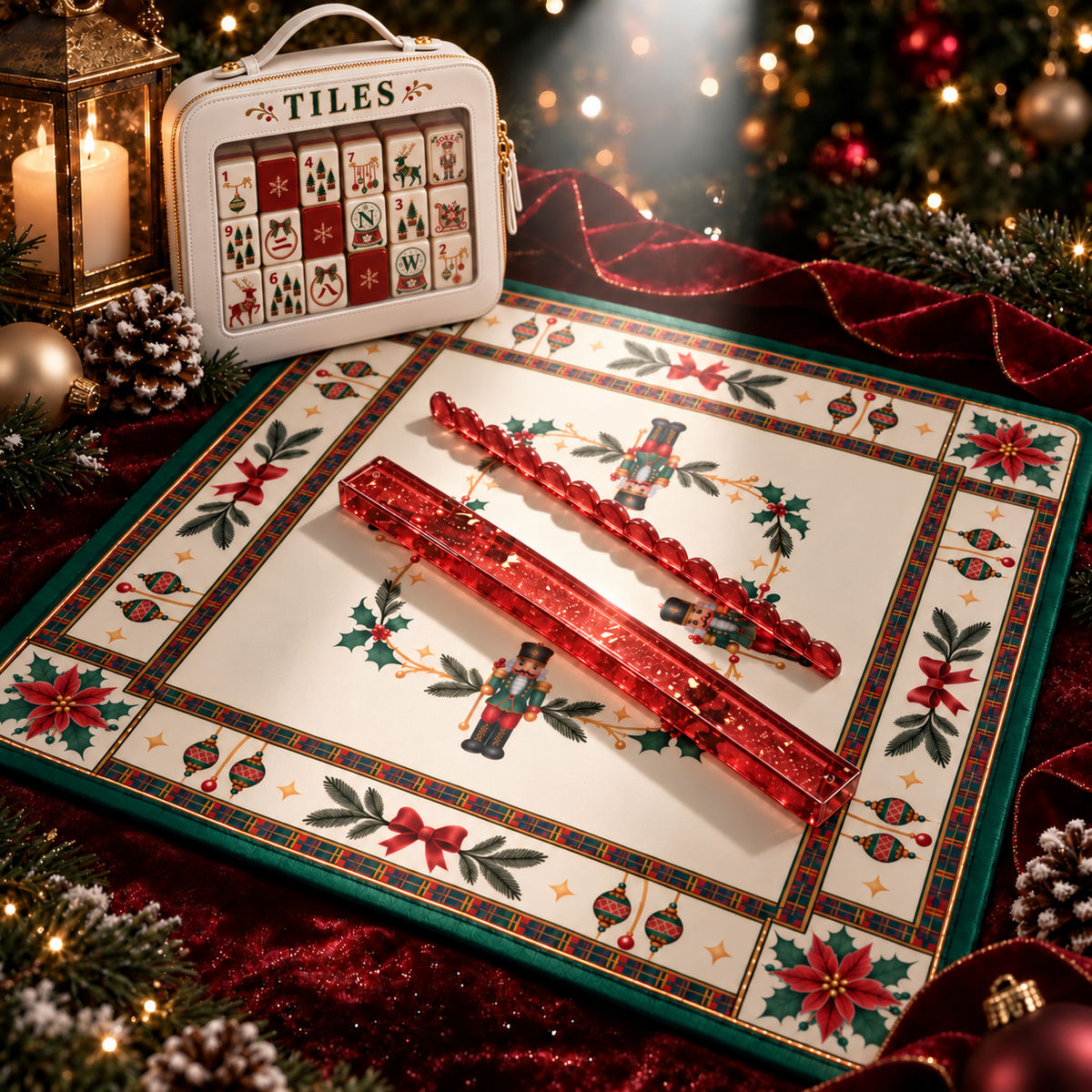
How does an engraved set tie your theme together?
An engraved American mahjong set lets you personalize the party without adding extra decorations. Many hosts choose sets with seasonal engravings (spring florals, summer fruits) or custom titles that match a milestone brunch—"Mom's 70th" or "The Usual Suspects." The engraved wood or acrylic tiles become conversation starters and keepsakes after the party. Engraved sets from our mahjong titles collection take 5–7 business days, so plan ahead. The set itself serves as décor: display it in its case on a side table before guests arrive, then bring it to the playing table once play begins. A 160-tile set includes spares and arrives in a protective box; no additional "placeholder" tiles or decorations needed.
Should you match your tablecloth to the tile colors?
Yes—tile colors naturally guide your palette. Bams (bamboo suit) traditionally render as blue or green; Craks (characters suit) as red or orange; Dots as gold or white. A cream or pale yellow tablecloth lets these colors shine and keeps the focus on gameplay. If your brunch has a specific theme (citrus-inspired, botanical), pick a tablecloth color that echoes one tile suit and repeat it in napkins or floral centerpieces. Avoid busy patterns that compete with the tiles; solid or subtle textures work best. For a garden brunch, pair a green-tinged mat with a white tablecloth and fresh herbs as table scatter. For a sunrise brunch, use warm peachy linens with a neutral mat. This layering feels intentional without requiring custom tile orders.
What accessories elevate the table setup?
Mahjong racks with pushers organize each player's hand and add visual structure to the table. Four matching racks signal professionalism and comfort. Pushers—small sticks used to move tiles within the rack—come built in and reduce fumbling. Place racks on the mat before tiles are dealt; guests immediately see the game is ready. Mahjong bags and cases protect sets between brunches and look elegant stacked on a side table. Use a small acrylic or wooden dice tower to roll the dice—it's a functional and decorative touch that keeps the game moving. Name cards at each seat, vintage scoring chips in a small dish, and a printed copy of the current year's mahjong card propped at the center all signal that this game matters.
Accessory | Purpose | Who uses it | Why it works |
Padded mat | Protects tiles; anchors décor | All 4 players | Reduces noise; defines play zone |
Racks with pushers | Holds tiles; organizes hand | Each player | Looks professional; prevents hand clutter |
Engraved set | Personalized tiles; keepsake | All players | Ties theme; memorable after party |
Dice tower | Rolls dice visibly | One player per round | Feels ceremonial; prevents cheating |
Bag or case | Stores and transports set | Host | Protects investment; easy setup/cleanup |
🎁 See our most-loved mahjong sets & accessories →
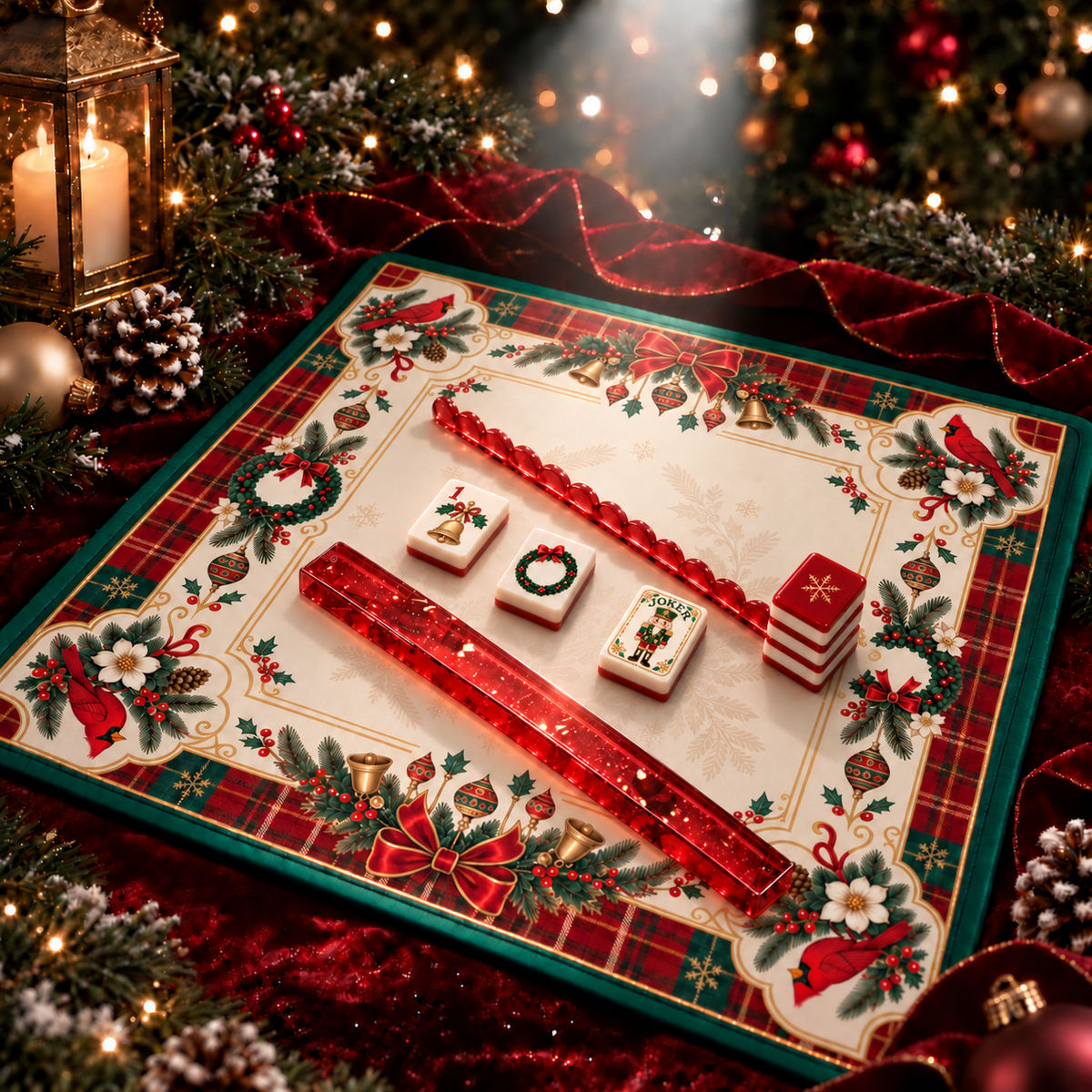
How do you style a brunch mahjong table without clutter?
Restraint is key. A mahjong table needs space for tiles, racks, drinks, and a small plate of brunch items. Keep the center of the mat clear; decoration happens around the game zone, not in it. Place a low floral arrangement or small candle on a side table, not the mat itself. Use cloth napkins that match your tablecloth rather than separate centerpiece items. If your brunch includes scoring chips or counters, house them in a small ceramic dish or vintage brass container—both functional and cohesive. A printed or laminated reference card showing the current year's hand patterns sits at the center of the mat (outside the play area) so players can reference it without looking away. The goal is for the tiles and mat to be the stars; everything else supports them quietly.
What's the most common decorating mistake hosts make?
Crowding the table. Too many flowers, candles, decorative trays, or beverage stations squeeze the mat and make it hard to play comfortably. A mahjong table requires 3–4 square feet per player just for the mat and racks; add another 12–18 inches around the mat's perimeter for beverages and small plates. If your table is tight, move drinks to a side bar and keep the play zone sacred. Another mistake: choosing a mat that's too small or too large relative to the table. A mat that hangs over the edge or leaves a wide border looks unfinished. Measure your table and compare mat dimensions before ordering. The third mistake is mismatching the tile set and mat: a bright modern set can clash with a vintage tablecloth, or a classic set can look plain on an overly trendy mat. Stick to one era (all modern, all vintage, or all neutral) and let the brunch menu guide specific colors.
✨ Find your Mahstead set — free US shipping →
What to check before you buy
Mat dimensions: Measure your table's width and depth, then compare to the mat's stated size. A 36-inch mat fits a 42–48-inch square table with a 3–6-inch border on each side.
Set completeness: Confirm the set includes 160 tiles (152 playing tiles plus spares), 4 racks, pushers, dice, and a case. A 160-tile set is the standard for American mahjong.
Engraving lead time: If ordering a personalized set, allow 5–7 business days plus shipping before your brunch date.
Shipping timeline: Plan to order at least 10 days before your event to ensure arrival and time to inspect before guests arrive.
Table surface: A soft mat prevents tile damage and reduces noise; verify the mat is padded, not a thin cloth cover.

FAQ
Can I use regular table décor instead of a mahjong mat?
A mat is essential, not optional. It protects tiles, prevents sliding, and signals a dedicated play zone. Regular tablecloths don't anchor tiles or reduce clatter. A padded mat is a one-time investment that lasts years.
How far in advance should I order a mahjong set for my brunch?
Order at least 10 days before if buying a standard set; 14–21 days if choosing an engraved design. This allows time for production, shipping, and a pre-party inspection.
What size mat fits a typical dining table?
A standard 36-inch mat suits a 42–48-inch square or round table. Measure your table first and compare to the mat's dimensions; oversized or undersized mats look unfinished.
Do I need all four racks, or can guests hold their tiles by hand?
Four racks are standard and recommended. They keep hands organized, look professional, and let players focus on strategy instead of managing tiles. Holding tiles by hand tires hands and slows gameplay.
Can I mix vintage and modern décor around a mahjong table?
Yes, but keep them in the same visual family. A modern acrylic set pairs with clean linens and minimal centerpieces. A classic bone set suits vintage glassware and soft, muted colors. Mixing eras deliberately (art deco set + rustic linens) works; accidental mixing looks disjointed.
What's the best way to display a mahjong set before guests arrive?
Keep the set in its protective case on a side table or console. Once guests settle, place the unopened case on the mat so everyone sees it's brand new or well-cared-for, then open it and begin setup. This builds anticipation.


View More
View More
View More
