
Mahjong Retreats in Virginia: Where to Play & What to Bring
Last updated: Nov 23, 2026
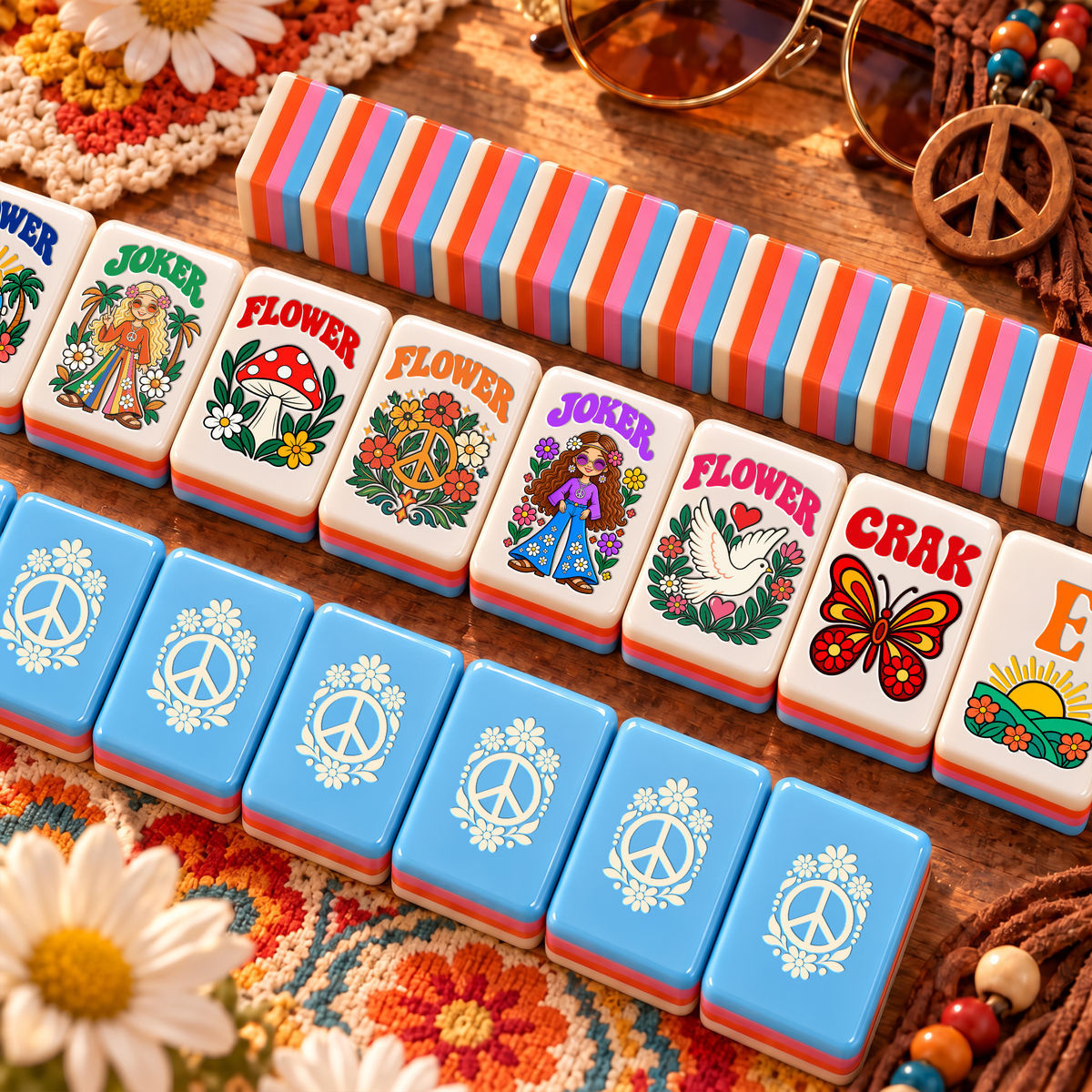
Mahjong retreats in Virginia happen year-round at community centers, libraries, synagogues, and country clubs—check local meetup boards, synagogue websites, and community recreation schedules to find them. Most retreats run Friday evening through Sunday, with four-player American mahjong as the standard format. Players bring their own sets (some hosts provide communal ones), mats, racks, and often snacks; the National Mah Jongg League card changes every spring, so confirm the year before attending. Costs vary from free casual games to paid weekend retreats covering meals and accommodations. What matters most: a durable 160-tile acrylic set, a protective mat or case for travel, and familiarity with that year's card. We recommend engraved American mahjong sets or best-selling acrylic designs paired with a travel-ready bag or case for multi-day events.
Mahjong retreats in Virginia range from informal weekend gatherings to structured multi-day tournaments. Whether you're a beginner joining your first game or a seasoned player looking for a deeper competition, Virginia's mahjong network offers steady opportunities. The key to enjoying a retreat is knowing where to look, what to expect, and how to pack smart. Let's walk you through it.
How do I find mahjong retreats near me in Virginia?
Start by checking community recreation departments in your city—Richmond, Arlington, Alexandria, and Charlottesville all have active players. Call or visit your local library's bulletin board, community center, or synagogue (many have standing mahjong groups). Search meetup platforms and Facebook groups using keywords like "mahjong Virginia" or "mah jongg players near [your town]." Country clubs and senior living communities often host or know about retreats. Ask at any active game you attend—players know where the bigger events are. Once you find one group, ask for referrals to larger retreats; the community is tight and word-of-mouth spreads fast.
🀄 Shop best-selling mahjong sets →

What actually happens during a mahjong retreat?
A typical Virginia mahjong retreat runs Friday evening through Sunday afternoon. Players arrive with their sets and settle into four-player tables. Friday might include a casual night to warm up; Saturday features back-to-back rounds (usually four to six games per day), often with rotating partners to keep play fresh. Hosts usually provide a meal schedule—breakfast, lunch, and snacks—and enforce quiet breaks between rounds. Some retreats use a scoring sheet or tournament tracker; others play for fun only. Everyone uses the current year's National Mah Jongg League card (issued every spring). Games last 30–45 minutes depending on skill level and how quickly players win. Sunday typically wraps by mid-afternoon. The atmosphere is social but focused—newcomers sit alongside veteran players, and coaching is common. Bring a notebook if you're learning; experienced players often explain hand patterns and strategy.
What do I need to pack for a multi-day retreat?
Pack a complete 160-tile American mahjong set in a protective case or bag—this is non-negotiable. Include your current year's National Mah Jongg League card (laminated or in a sleeve to avoid wear). Add a mat if the venue doesn't provide one; a mahjong mat folds to pocket size. Bring racks with pushers if you prefer them over handling tiles by hand (they also speed up tile organization). Pack a small notebook and pen for tracking scores or noting hand patterns. Wear comfortable clothes and shoes—you'll be sitting for hours. Bring a light layer; some venues run cold. Leave at home: borrowed sets (use only your own), loose tiles (they get lost and slow games), and any mahjong variant tiles from non-American sets (they confuse the hand-reading process).
Item | Why It Matters | Consequence If Missing |
Complete 160-tile set | Standard for all American games | Cannot join any table |
Current-year card | Hands must match the active card only | Hands will not validate |
Protects tiles in transit | Tiles crack, go missing, game is ruined | |
Mat | Organizes play, contains tile noise | Tiles scatter, play slows dramatically |
Speeds up tile management (optional but helpful) | Play takes longer, hands tire | |
Notebook | Track scores, note patterns | Miss learning opportunities, forget scores |
🎁 See our most-loved mahjong sets & accessories →
What's the difference between a casual game and a tournament retreat?
Casual retreats have no entry fee or a small flat fee (covering food/space), no scoring sheets, and flexible rules. Partners rotate often, games are social, and beginners play alongside advanced players without pressure. The vibe is relaxed; people chat between rounds and nobody tracks official wins. Tournament retreats charge an entry fee, use official scorecards or tournament software, enforce strict timing, keep final standings, and may have prize pools or awards. Partners may stay fixed to allow ranking. Rule interpretation is strict; disputes are resolved by the National Mah Jongg League handbook. Most Virginia retreats lean casual or semi-competitive, especially smaller weekend events. First-timers should attend a casual retreat to learn the pace before trying tournament play. Ask the organizer upfront which format they're running—it sets expectations completely.

Should I buy a new set before the retreat or use what I have?
If you own a working 160-tile American mahjong set, bring it. Hosts usually don't mind mixed sets at the table; what matters is that yours plays cleanly and all tiles are present. If tiles stick, rattle, or look dingy, consider upgrading—a worn set slows every game and frustrates table-mates. If you don't own a set, buy one before you go; borrowing assumes someone has a spare, and it's unprofessional to rely on that. Our best-selling collection offers durable acrylic sets with customizable engravings that feel professional and travel well. A solid set lasts decades if it's acrylic; avoid resin or wood for retreats (they're too fragile for frequent packing). Buy once, play forever—it's worth the investment.
What should I check before I buy travel equipment?
Before you order a mat, case, or rack, confirm these:
Set dimensions: Measure your tile height and width; some mats fit only standard acrylic tiles. Our mats are sized for American mahjong sets.
Travel frequency: If you retreat two or more times per year, invest in a padded case; if annual, a cloth bag works fine.
Table space: Know the retreat venue's table size. Larger mats (bamboo or padded) occupy more room and may not fit tight setups.
Rack preference: Racks speed tile organization but add bulk to your bag. If you handle tiles comfortably, skip them; if your hands tire, they're essential.
Card storage: Some cases have card pockets built in; others don't. Check before buying.
Weight: If you're flying or driving far, a lighter acrylic set beats bamboo or wood.
A travel-ready bag with compartments keeps your set, mat, and card in one place and fits most car trunks or checked luggage.
✨ Find your Mahstead set — free US shipping →
How does a retreat fit into a beginner's mahjong journey?
If you're new to American mahjong, attend a casual retreat after you've played 5–10 games with a local group. By then, you'll recognize hand patterns on the card, understand joker rules, and know how the Charleston works. A retreat accelerates learning because you play 20+ games in a weekend, see dozens of hands, and sit with players at every skill level. Most retreat hosts expect some beginners and pair them with experienced players who coach between rounds. Bring a notebook and ask questions openly—nobody minds teaching. Read our mahjong for beginners guide before you attend; it'll make your first retreat much less confusing.
What to check before you buy
Before ordering a set or travel gear for a retreat:
Confirm the retreat uses American (not Chinese, Hong Kong, or Riichi) mahjong.
Verify the current year's National Mah Jongg League card is in use.
Check if the venue provides mats and racks or if you must bring your own.
Ask if the retreat accepts first-timers or requires prior experience.
Measure your vehicle's storage space if you're driving; check luggage limits if flying.
Order well in advance (4–6 weeks) so you have time to learn your new set before the retreat.

FAQ
Can I play American mahjong at a Virginia retreat if I've only played Chinese mahjong?
No. American mahjong has completely different tiles, hand patterns, and rules. You must learn American separately using the current-year card. We recommend starting with our beginner's guide before attending a retreat.
How much does it cost to attend a mahjong retreat in Virginia?
Casual weekend retreats typically cost $0–$50 if at a community center or library. Hosted retreats with meals and accommodations run $150–$400 for the full weekend. Check with your local organizer for exact pricing.
Do I need to bring my own set or can the host provide one?
Bring your own. Most venues don't have spare sets, and using someone else's set (especially an unfamiliar one) slows your game. A quality 160-tile set is a one-time investment.
What if my set tiles stick or rattle during the retreat?
Stop and ask to switch tables or borrow a spare for that round. Sticky or loose tiles frustrate all four players. Consider replacing your set before the next retreat; acrylic sets from our collection are reliable and travel well.
How do I know which mahjong card to bring to a Virginia retreat?
Ask the organizer directly. The National Mah Jongg League issues a new card every spring, so the retreat will use that year's card. Order it in advance or ask the host if they have spares.
Should I bring a mat if the retreat venue has tables?
Yes. Even though the venue has tables, a mat protects tiles from sliding, reduces noise, and keeps play organized. A compact mahjong mat fits easily in your bag.
Can I use racks with pushers at a Virginia retreat or are they considered slow?
Racks with pushers are standard in American mahjong and speed up tile management. Most experienced players use them. If you don't, no one minds—it's your choice.


View More
View More
View More
