
Book Club Mahjong Party Decorations: Themes & Setup Ideas
Last updated: Nov 23, 2026
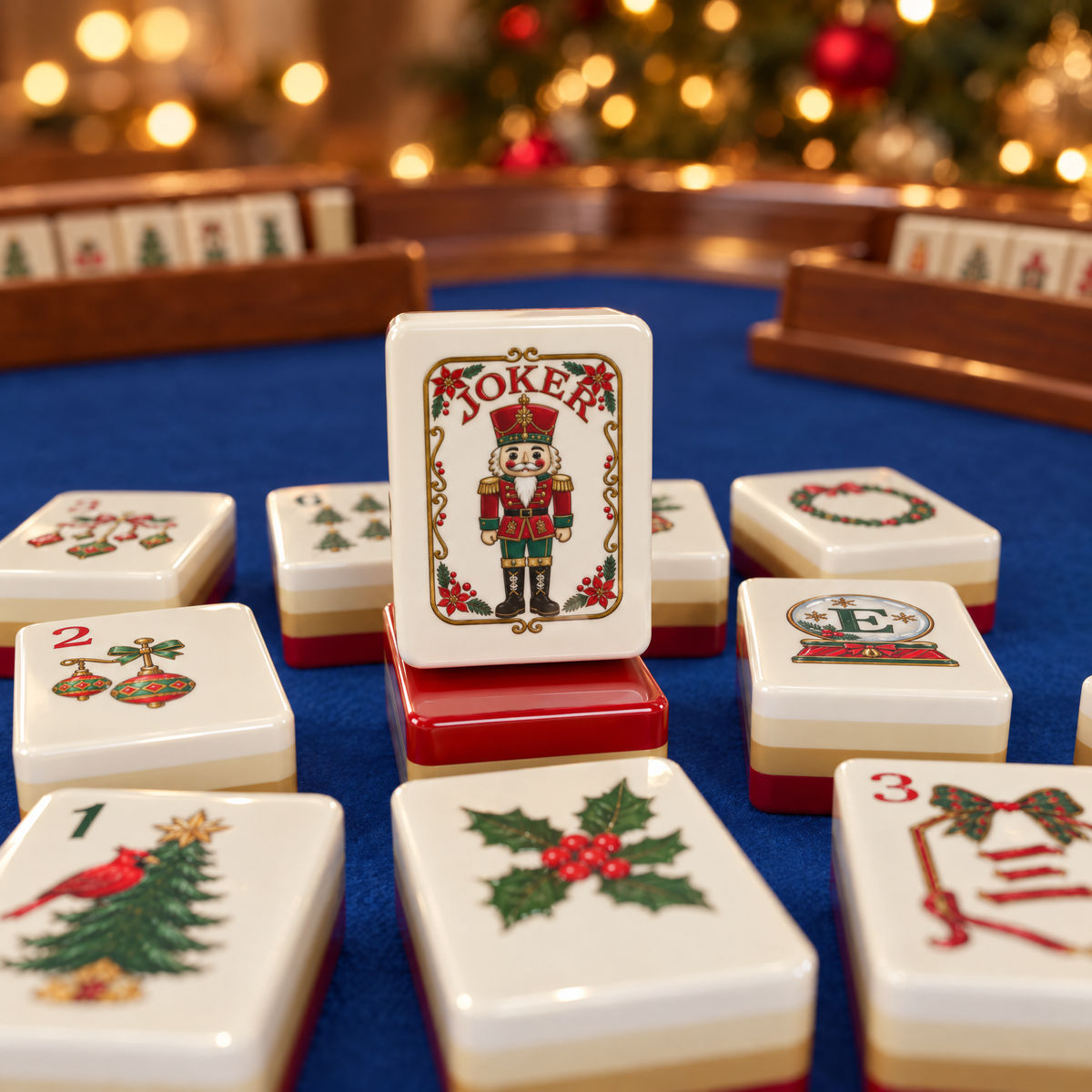
Book club mahjong parties work best when you layer three things: a theme (literary, seasonal, or classic Asian), physical décor (tablecloths, flowers, cards, lighting), and quality game equipment that guests admire and remember. Decorations anchor the vibe—think framed mahjong tiles as art, a sign with a witty book + game mashup, place cards that reference hands or rankings, and mood lighting that echoes the game's elegance. The centerpiece is always your mahjong set: a beautiful acrylic or engraved set acts as décor and function. Cost ranges widely; a good set with case and mat is your anchor investment. Avoid overstuffing tables—mahjong needs room. Plan décor around the mat and racks so players aren't squeezed. A cohesive theme (literary tiles, author-inspired colors, seasonal motifs) ties everything together without fuss. 🀄 Shop best-selling mahjong sets →
How do you theme a mahjong book club party?
A theme gives your party focus and makes decorating intentional. Pick one anchoring idea—a favorite book genre, an era, a season, or the game itself—and build around it. Literary themes work well: display tiny book props, use burgundy and gold colors, hang quotes from novels alongside mahjong rules. Asian-inspired themes lean into silk runners, lantern lighting, jade tones, and gold accents. Seasonal themes (autumn leaves, winter whites, spring flowers) are simple and instantly festive. Whatever you choose, keep it visible but not overwhelming—the mahjong game is the main event.

What's the right mix of décor versus game space?
You need breathing room at the table, or players will knock tiles around. A standard mahjong mat (roughly 30–36 inches square) plus racks on each side eats table real estate fast. Leave décor for around the play zone: a table runner along the sides, a centerpiece off-table, wall hangings, place cards, and ambient lighting. If your book club plays seated four-around-a-table, reserve at least 60 × 60 inches of table depth to avoid chaos. One table runner per long side, flowers or candles at the table's edge (not the corners), and wall or shelf décor above work best. Players need to see tiles, reach the wall, and pass tiles cleanly.
Which decorative elements actually work with mahjong?
Mahjong's aesthetic is built into the game: jade-colored tiles, bamboo imagery on Bam suits, flower tiles, and the elegant geometry of the wall. Let those shine. Engraved tile holders, a quality mat with literary or custom designs, and a real case make great display pieces before and after play. Place cards with hand rankings or book titles; small printed scoresheets as keepsakes; wine glasses on a marble mat near the playing table. Avoid tablecloths that shift under the mat—use runners or a dedicated mahjong mat instead. String lights, paper lanterns, or soft table lamps enhance mood without casting shadows on tiles. Framed art prints of single tiles or mahjong scenes anchor a wall corner.
What role should your mahjong set play in the décor?
Your set is the décor. A 160-tile acrylic set in a coordinated color or with custom engraved designs becomes a conversation piece and focal point the moment guests arrive. Place it in its case on a side table or shelf (not during play), or display a single rack with pushers as a statement object. Engraved sets with literary, seasonal, or club-specific titles add personality; they signal you've invested thought into the night. If you rotate hosts or sets, a matched set and case makes switching clean and impressive. Our best-selling mahjong sets come in designs that work as both playing equipment and visual focal points—some are classic and subtle, others feature color or detail that anchors a themed room.
🎁 See our most-loved mahjong sets & accessories →
How do you handle place settings and station décor?
Each player seat deserves a small touch. Use printed place cards with player names, a book-themed quote, or a playful mahjong hand reference. Set a scorecard at each seat—this feels official and keeps the evening running smoothly. A small favor (bookmark, mahjong-themed candy, or a tile-inspired trinket) at each place adds warmth. If you serve food or drinks, set them on a side table away from the playing area so tiles stay clean and dry. Number each player's seat (East, South, West, North) on their card, or use literary references (Narrator, Author, Plot Twist, Plot Device). A printed or laminated card showing the evening's schedule—Charleston time, break time, next game—keeps energy flowing.

What's your checklist before guests arrive?
Task | Why it matters | Timing |
Test all tiles & racks before guests arrive | Broken pieces or stiff pushers ruin the night | 2 hours prior |
Lay out mat, set up wall, arrange racks | Players see professionalism; you avoid fumbling | 1 hour prior |
Arrange theme décor around (not on) the table | Clutter shifts; clear zones keep play flowing | 1 hour prior |
Place cards, scorecards, pens at each seat | Guests know their role and feel welcomed | 30 min prior |
Charge any lighting, test music/ambiance | Mood matters; technical hiccups kill vibe | 30 min prior |
Place food and drinks on a side surface | Spills don't touch tiles; hands stay dry | 15 min prior |
Confirm everyone knows the hand card or rulebook | New players relax; experienced players set tone | As guests arrive |
Have a case, mat, and backup tiles visible | Shows you're prepared; signals it's a "real" game | Throughout |
How do you balance beginner and experienced players in a party setting?
This shapes your whole décor and flow. Beginners need a readable mahjong card, printed rules, and a calm environment—use large-print scorecards and a well-lit mat so new eyes can track tiles. Experienced players want speed and elegance; they admire quality sets and sharp equipment. A mixed group benefits from a host (or co-host) who can troubleshoot quietly while others play. Themed décor actually helps here because a cohesive, intentional room signals "this is serious" to experienced players and "this is fun" to newcomers. Engraved or custom sets feel inclusive—they show the group has identity. Place printed rule sheets at each seat without shame; it's not a tournament. If someone's rusty, pair them with a strong player for that round, or run a short teaching round before the tournament starts.
✨ Find your Mahstead set — free US shipping →
What should you check before you buy or borrow a set for the party?
All 152 tiles present: A missing tile ruins a game mid-round; count them or trust your case, not memory.
Jokers readable and intact: Jokers work hard in American mahjong; chipped jokers confuse plays.
Racks push smoothly: Stiff pushers frustrate players and slow the game; test each pusher before guests arrive.
Mat or cover fits your table: A mat too small shifts; too large tangles. Measure your table depth and buy or prep accordingly.
Case locks or seals: A case protects tiles and telegraphs "this matters" to your guests; a loose box looks amateur.
Scorecards legible: Printed or laminated; blurry or smudged cards slow record-keeping.
Set color or design matches your theme: If you've chosen a color or style, verify your actual set matches; photos online can mislead under different lighting.
Any other hosting tips?
Yes: keep it simple. One themed color palette (not five), one mahjong set (not three), one clear mat (not a confused table), and one vibe (fun or competitive, not both). Announce the evening's format when guests arrive—how many rounds, eat-or-play rules, rotation method—so no one is confused. Music should be subtle or absent during play; save ambiance for the break. Have a backup scoresheet and pen at hand. Most importantly, know your audience: book club friends usually prefer a relaxed, social vibe over tournament pressure. Your décor and set should reflect that—elegant, intentional, but never stuffy.
FAQ
Can I use a regular tablecloth under a mahjong mat?
Yes, but only if it's smooth and fitted. A tablecloth with loose fabric bunches under the mat and shifts tiles. A table runner or a dedicated mahjong mat works better; mats often have non-slip backing.
What size set do I need for a book club of six?
You play with one 152-tile American mahjong set at a table of four. For six people, run two simultaneous tables or rotate players between rounds. One quality 160-tile set with case handles all setups.
How do I display a mahjong set as décor before the game starts?
Leave it in its case on a shelf or side table, or arrange a single rack with pushers and a few tiles in a pleasing pattern on a small stand. Avoid loose tiles on the main table; they confuse the pre-game setup.
Can I use Christmas or seasonal mahjong sets for a themed party?
Absolutely. Christmas mahjong sets and seasonal designs add instant theme authenticity; they're made to be both functional and visually cohesive, perfect for book club nights.
What if some players are beginners and can't read tiles easily?
Use large-print mahjong cards, good lighting, and engraved or color-coded sets so tiles are easy to distinguish. Print a one-page cheat sheet for each seat; beginners appreciate clarity and feel included.
How many mahjong racks with pushers do I need per player?
Each player needs one rack with pushers; they're where you hold and organize your 13 tiles. Most sets come with four racks, perfect for a four-player game.
Should I buy a mahjong bag or case for my party set?
Yes. A case keeps tiles protected, transports easily if you rotate hosts, and signals to your guests that the set is valued and cared for—part of your host investment in the evening.


View More
View More
View More
