
Siamese Mahjong Lessons Online: How to Learn Thai Mahjong
Last updated: Nov 23, 2026
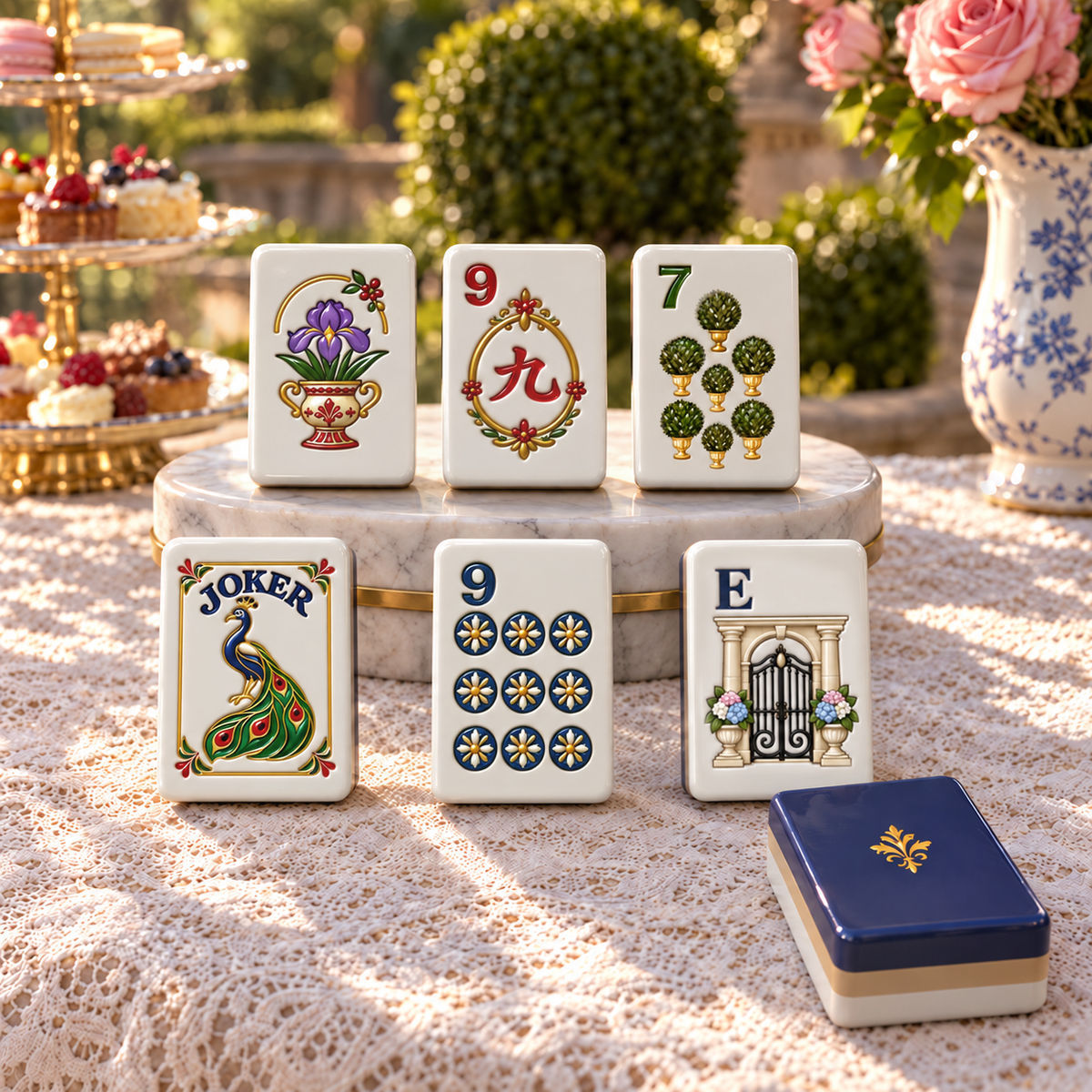
Siamese mahjong uses 108 tiles (four copies of suits 1–9 in Bam, Crak, and Dot, plus winds and dragons) and plays with four or two players. Lessons typically run 60–90 minutes via video platforms (Zoom, Google Meet) and cost variable amounts depending on the instructor's experience and group size. Instructors come from Thailand, the Thai diaspora, and international mahjong clubs; search community centers, library bulletin boards, and online meetup communities for names and contact info. A full course includes hand-reading, the Charleston-equivalent pass (if used), winning combinations, scoring rules specific to the Thai variant, and live table practice. Avoid instructors who cannot explain the 108-tile system or scoring logic in your language. Mahstead's best-selling mahjong sets include American 152-tile variants; if learning Siamese, clarify with your instructor which tile set they recommend before buying, since Siamese uses a different tile count and structure. 🀄 Shop best-selling mahjong sets →
How is Siamese mahjong different from American mahjong?
Siamese mahjong uses 108 tiles (not 152), eliminating flowers, jokers, and the card system entirely. American mahjong requires hands from the yearly National Mah Jongg League card and allows jokers in sets; Siamese uses fixed, traditional hand combinations based on melds and honor tiles. Siamese scoring is speed-based and involves multipliers for specific patterns, whereas American uses the card to determine point values. Neither game allows chows (sequences); both rely on pungs (triples) and kongs (quads). The pacing and strategic depth differ: Siamese emphasizes rapid hand building, while American emphasizes card-reading and tile management.

Where do you find qualified online Siamese mahjong instructors?
Search community centers in cities with Thai populations (check their websites and call the office), library websites for bulletin board listings or language-community contacts, and local Buddhist temples or cultural centers that often host or recommend teachers. Online platforms: browse Meetup.com under mahjong groups (filter for Thai or Siamese variant), check Facebook groups tagged "Thai mahjong" or "Siamese mahjong," and ask in international mahjong Discord communities for referrals. Verify credentials by asking the instructor how long they've taught, what variant(s) they cover, their native exposure to the game (ideally played in Thailand or with Thai family), and whether they can teach in your language. Request a free 15-minute trial call before committing; a credible instructor will explain their teaching method and answer clarifying questions about tile count and scoring without defensiveness.
What equipment do you need for Siamese mahjong online lessons?
You need a 108-tile Siamese mahjong set, a flat play surface (table or mat visible to the camera), and adequate lighting so your instructor can see your tiles. Unlike American mahjong, Siamese sets do not include jokers or flowers, so a traditional Asian set (imported from Thailand, Taiwan, or Hong Kong) is standard. A phone or computer with a camera angled overhead or at table height lets your instructor monitor your hand-building and provide real-time feedback. A notebook to record scoring rules and hand patterns specific to Siamese variant saves time and prevents confusion. Do not buy a 152-tile American set for Siamese lessons; the tile compositions are incompatible. Ask your instructor to recommend a specific tile set (bamboo, bone, acrylic, or plastic) and source, since Siamese sets come from specialized Asian retailers rather than mainstream American mahjong suppliers.

What does a typical Siamese mahjong online lesson cover?
A beginner lesson (60–90 minutes) usually covers the 108-tile composition, the four-player setup and seating order, the tile pass/draw sequence, how to recognize winning hand shapes (common melds and honor tile combinations), basic scoring, and one or two practice rounds with instructor feedback. Intermediate lessons add defensive play (reading discards, tracking tiles), scoring multipliers for specific patterns, speed optimization, and multi-table strategy if playing in a tournament format. Advanced classes focus on statistical probabilities, competitive pacing, and variant rules (some regions play with or without specific melds). Most instructors build in live play time: you hold your tiles in frame, call your draws, and the instructor corrects misreads or scoring errors on the spot. Good instructors repeat the scoring framework every lesson and provide written summaries (text, PDF, or video clip) so you can review offline.
How much do Siamese mahjong online lessons cost, and how long does learning take?
Instructor fees vary by geography, experience, and group size; single lessons (60 minutes) range from modest to moderately high depending on the instructor's credentials and your region. Group lessons (3–6 students) typically cost less per person than private sessions. Most players reach competence (recognizing hands, basic scoring, playing a full game) in 4–8 lessons over 4–12 weeks of weekly or biweekly practice. Fluency (reading opponents, managing speed, making strategic discards) takes 2–3 months of consistent play beyond lessons. There are no universal pricing lists; ask instructors directly for rates, package discounts, and refund policies before booking. Some instructors offer sliding scales or group-discount tiers; many require payment per session or a small upfront commitment (e.g., three sessions prepaid).
What common mistakes do Siamese mahjong beginners make in online lessons?
Confusing the 108-tile composition with the 152-tile American standard; buying the wrong set before lesson one is a costly error. Mishearing or misreading the instructor's accent when learning Siamese-language tile names; ask the instructor to repeat or spell out key terms and take notes during the first lesson. Failing to recognize the difference between a scoring multiplier and a raw point total; Siamese scoring often compounds, so asking "Did I multiply correctly?" is normal and necessary. Drawing or discarding out of turn because the instructor's pace feels fast; online play can seem rushed to newcomers—ask your instructor to slow down or call out each step aloud. Not asking for clarification when a hand you thought was winning doesn't match the instructor's judgment; the 108-tile system has subtle hand rules that differ by region, so confirm every questionable win. Assuming one instructor's ruleset is universal; Siamese mahjong has Bangkok, provincial, and family variants—confirm upfront which rules your instructor teaches.
Comparison Table: Siamese vs. American Mahjong Lessons
Aspect | Siamese Online Lessons | American Online Lessons |
Tile set needed | 108-tile Siamese set (no jokers/flowers) | 152-tile American set with 8 jokers |
Prerequisite knowledge | None (self-contained system) | Yearly National Mah Jongg League card required |
Typical lesson length | 60–90 minutes | 75–120 minutes (card study + play) |
Scoring system | Fixed patterns + multipliers | Card-based per year |
Hand complexity for beginner | Moderate (6–8 common meld types) | High (hundreds of card combos) |
Time to play competently | 4–8 lessons, 4–12 weeks | 6–12 lessons, 8–16 weeks |
Chows (sequences) allowed | No | No |
Jokers in play | No | Yes (8 per game, specific rules) |
🎁 See our most-loved mahjong sets & accessories →
What to Check Before You Buy a Tile Set for Siamese Mahjong
Confirm tile count with your instructor – Siamese uses 108 tiles; do not assume a "mahjong set" on a retail site is Siamese-compatible without verification.
Source and availability – Siamese sets are typically imported from Asia; check shipping time and return policy in case the set does not match your instructor's specifications.
Tile material and readability – Acrylic, bone, bamboo, and plastic are all played; pick material you can read clearly under your lesson camera's lighting.
Joker/flower presence – Siamese sets have no jokers or flowers; if a set lists these tiles, it is American or a hybrid variant, not true Siamese.
Language on tiles – Chinese numerals, Thai numerals, or English; confirm your instructor can read the tile labels you choose, or vice versa.
Play surface and visibility – A mahjong mat with clear contrast and felt backing reduces glare for your camera; optional but helpful for online lessons.
Practical Next Steps
Search for "Siamese mahjong" or "Thai mahjong" + "online lessons" in your region and on Meetup, Facebook, and Discord.
Contact 2–3 instructors; ask each one for their recommended 108-tile set brand/source and lesson trial.
Verify tile count and composition with your chosen instructor before purchasing a set.
Set up a dedicated overhead or angled camera and plain background to let your instructor see your tiles clearly.
Schedule your first lesson and keep a notebook open for scoring rules and hand patterns specific to the instructor's regional variant.
✨ Find your Mahstead set — free US shipping →

FAQ
Can I learn Siamese mahjong if I've never played mahjong before?
Yes. Siamese mahjong is self-contained; prior knowledge of American or Chinese variants is helpful but not required. A competent instructor teaches tile composition, hand-building, and scoring from scratch. Plan 4–8 lessons to reach basic fluency.
What if my instructor teaches a regional Siamese variant I didn't expect?
Ask upfront which city or region's rules the instructor teaches (Bangkok, Chiang Mai, etc.). Variants differ in scoring multipliers and specific legal hands. Confirm the variant name before your first lesson so you know what to study.
Is a 108-tile Siamese set the same as a Chinese or Hong Kong set?
No. Siamese uses 108 tiles with no flowers or jokers; Hong Kong uses 144 tiles with flowers; Chinese uses 144 tiles with flowers and seasons. Tile faces and point values differ. Buy a set specifically labeled Siamese or confirm compatibility with your instructor.
Can I play Siamese mahjong on my phone or computer instead of buying physical tiles?
Yes, if your instructor accepts it. Some instructors prefer physical tiles for beginners to build muscle memory and learn tile faces faster. Ask your instructor whether digital play (via Tabletopia, Real Mahjong, or similar apps) is acceptable for your lesson.
How do I know if my instructor is reliable or experienced?
Ask: How long have you taught? Where did you learn? Can you explain the scoring logic for two different hands right now? Can you play a sample game with me in the trial call? Experienced instructors answer clearly, slow down for confusion, and provide written summaries or recordings.
What if I buy the wrong tile set by mistake?
Return it within the retailer's return window (typically 14–30 days) and buy the correct 108-tile Siamese set per your instructor's recommendation. Keep receipts and photos of the tile composition until your first lesson confirms the set is correct.


View More
View More
View More
