
Blue Mahjong Racks with Pushers: What to Know Before You Buy
Last updated: Nov 23, 2026
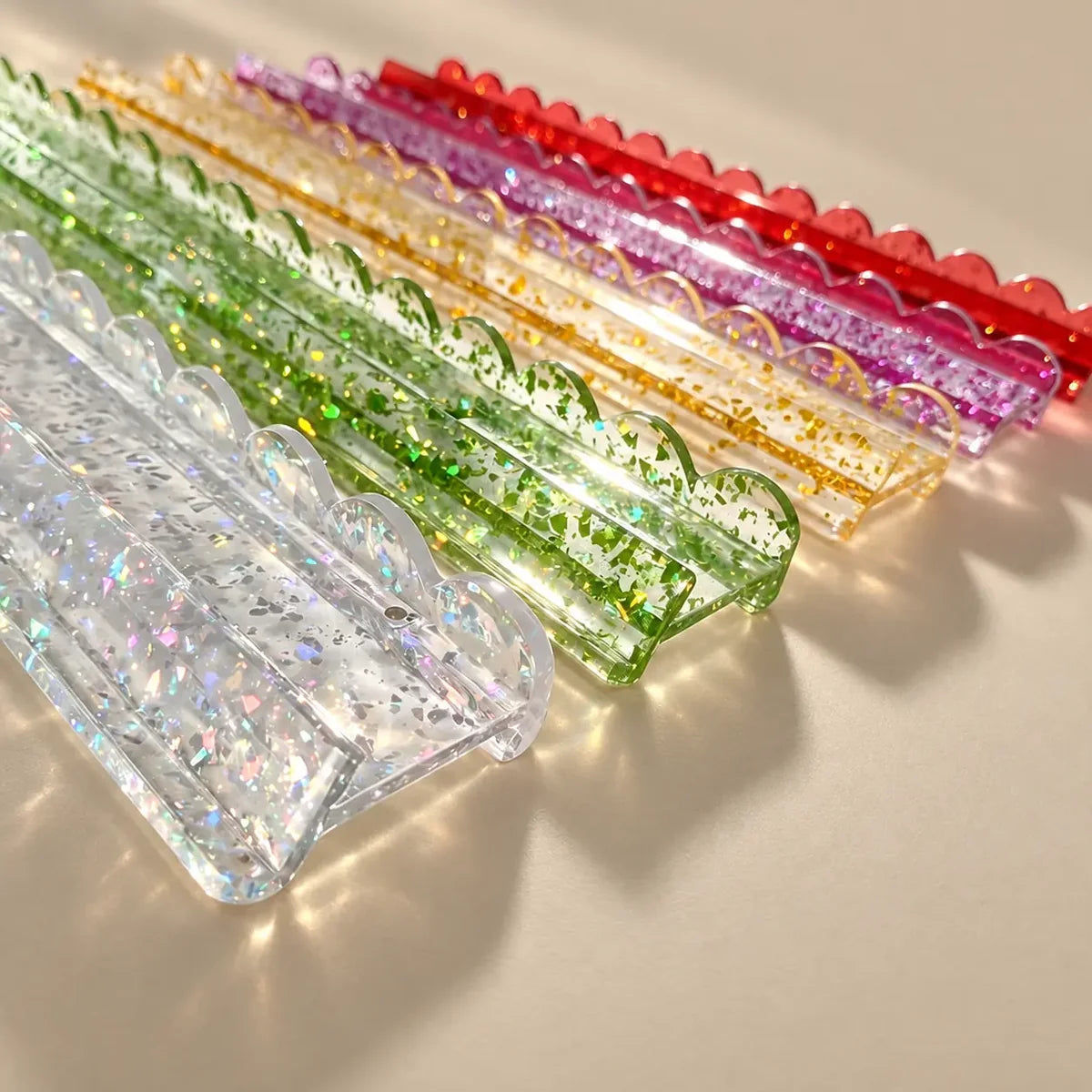
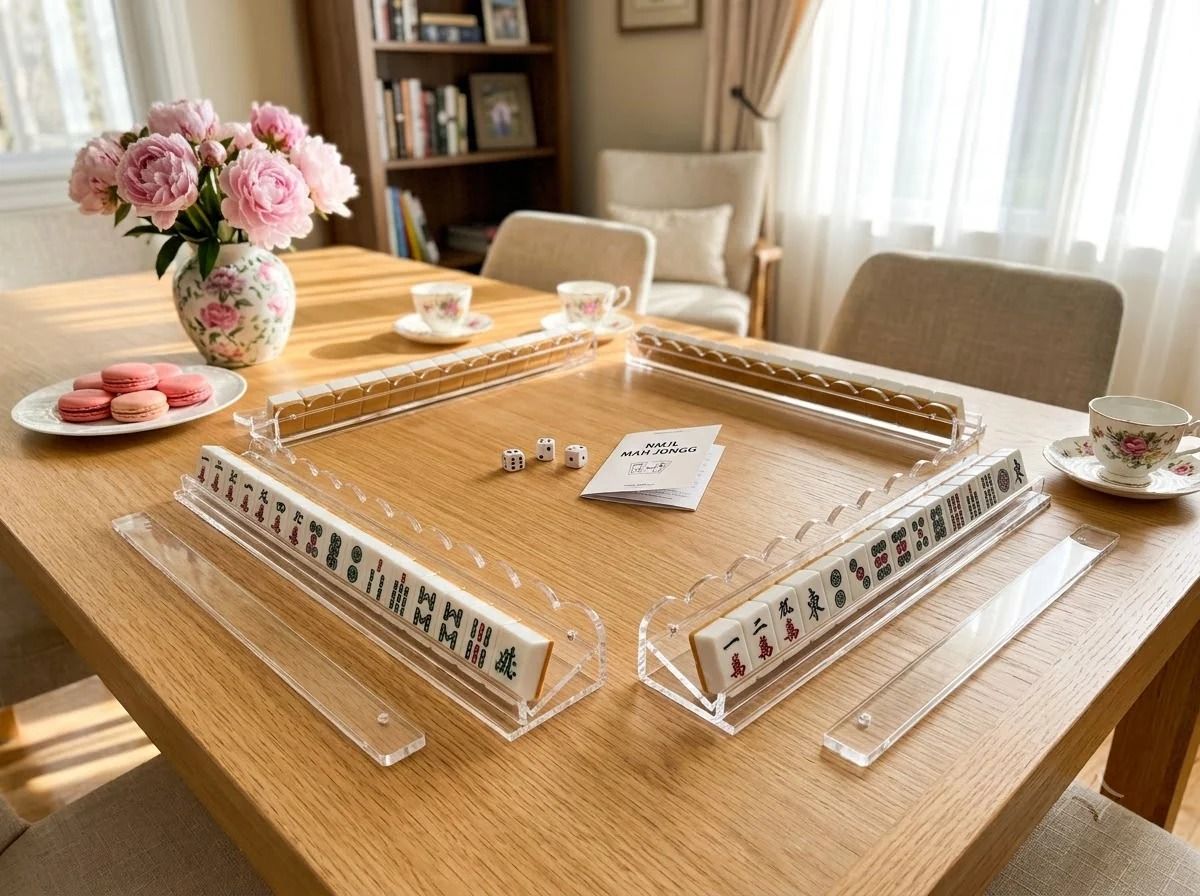
Blue mahjong racks with pushers are tile holders that keep your hand organized and hidden from opponents while a pusher mechanism lets you advance tiles one at a time as you discard. We carry racks in acrylic and wood in several blue shades—from navy to lighter tones—each designed to match popular best-selling mahjong sets. Racks typically hold 14 tiles comfortably; pushers slide along a track to expose only the tile you're playing. They're standard equipment in most American mahjong groups and essential if you host weekly games or play seriously. The key decision: acrylic racks are lightweight and affordable, while wood racks feel premium and stack neatly for storage. See current price on the product page, and all our racks ship free across the US.
What exactly does a pusher do on a mahjong rack?
The pusher is a flat block that slides along the bottom track of the rack. As you draw tiles, you push them forward one by one, keeping unplayed tiles hidden behind the pusher. Only you see your complete hand; opponents see only the tiles you've exposed or played. This prevents accidental reveals and keeps the game fair and fast. A good pusher glides smoothly without jamming—wood tracks tend to be more forgiving than plastic.

Should you choose acrylic or wood blue racks?
Acrylic racks are lightweight, durable, and easy to wipe clean between games. They're typically less expensive and stack flat in a mahjong bag. Wood racks (bamboo or hardwood) feel heavier in hand, have a traditional look, and the natural material resists warping over years of weekly play. Wood also keeps tiles warmer and slightly more stable if your table is cool. Choose acrylic if you travel frequently or host casual games; choose wood if you play every week and value durability and a premium feel. Both work equally well for rule enforcement and tile visibility.
🀄 Shop best-selling mahjong sets →
How do you know if a rack will fit your tiles and your hands?
Measure your tile height (American tiles are usually 0.75–0.8 inches tall) and the rack's interior depth—make sure tiles sit comfortably without tilting. Most standard racks hold 14 tiles; if you have small hands or arthritic fingers, test a rack at a friend's table before buying. The pusher should move smoothly with one finger; if it requires a push or pull, it'll slow you down during play. Check that the rack's width matches your tile thickness: thicker acrylic tiles need slightly wider grooves. We can advise on fit if you email us with your tile dimensions.
What size blue rack do you need for your table setup?
A single rack for one player takes about 12 inches of table space when fully extended with tiles. In a four-player game, you need four racks (one per player) plus a center space for the wall and discard pile. Most tables 36–42 inches wide accommodate four standard racks comfortably. If your table is smaller or you play with three people, confirm your space before ordering. A good tip: set up a practice layout at home with borrowed racks to see if you have enough room for melds, the center wall, and four hands without crowding.

How do blue racks compare to other colors for organizing play?
Blue racks match well with sets featuring Craks (traditionally red and green), Bams (green and red), and Dots (red). A blue rack creates visual contrast against most tile colors, making it easy to spot your hand at a crowded table. Some players prefer neutral gray or black racks for a sleek look; others choose racks that echo their engraved American mahjong sets to create a coordinated set. Blue is especially popular in groups that play weekly—it's calming, professional, and rarely looks dated.
🎁 See our most-loved mahjong sets & accessories →
What to check before you order a blue rack
Consideration | Why it matters | Action |
Tile thickness | Pushers jam if grooves are too narrow | Measure your tiles or confirm dimensions with us |
Rack height | Tiles must sit upright without tilting | Test at a friend's table or ask for specs |
Pusher smoothness | Sticky pushers slow down gameplay | Read descriptions; wood tracks glide better |
Storage space | Four racks need 2–3 cubic feet to store | Check your mahjong bag capacity before buying |
Hand size | Seniors with limited grip strength need wider pushers | Ask us about ergonomic options |
Material preference | Acrylic vs. wood affects price, weight, and feel | Acrylic = portability; wood = durability |
Set yourself up for weekly game success: A complete mahjong night needs four matching racks, a mat or table cover, and a good travel bag if you rotate hosts. Mismatched racks work but look less polished and can cause tile-size confusion. We recommend buying a set of four racks at once to ensure consistent grooves and pusher action.
Why rack quality affects the pace of your game
A stiff or jamming pusher adds 2–3 seconds per turn across four players over 13 rounds—that's 10–15 minutes of lost gameplay per session. Cheap plastic racks also crack or warp under heavy use; acrylic from Mahstead is injection-molded to hold its shape, and wood is sanded smooth to prevent friction. Over a season of weekly games, a quality rack saves time and frustration. The pusher mechanism is where most wear happens, so avoid racks with loose tracks or pushers that rattle.
✨ Find your Mahstead set — free US shipping →
Explore the full range of Mahstead racks and accessories
We offer racks in blue and other colors across our full racks collection. Many players pair their racks with a coordinated mat to create a professional table setup. If you're building your first game kit, start with a best-selling set—most include everything except racks and mats. All Mahstead orders ship free across the US with no minimum.
FAQ
Can I use a blue rack from one brand with tiles from another?
Yes, as long as the tile thickness matches the rack's groove width. Measure both before combining them to avoid jamming.
Do blue racks work for 2-player or 3-player mahjong?
Yes, but you'll use fewer racks—2 or 3 instead of 4. The pusher mechanism works the same way. See our 2- and 3-player rules for setup details.
How do I clean a blue acrylic rack?
Wipe with a damp cloth and dry with a soft towel. Avoid harsh chemicals or abrasive scrubbers, which can dull the finish over time.
Can I replace just the pusher if it wears out?
Some racks allow pusher replacement; others don't. Email us with your rack details and we'll let you know if a replacement is available.
Should I buy 4 racks at once or gradually?
Buy all 4 at once to ensure they match perfectly. Mixing older and newer racks can cause slight size differences that affect gameplay.
What's the difference between a rack and a stand?
A rack has a pusher mechanism and holds tiles upright in a line. A stand is typically open-sided and doesn't hide your hand. For American mahjong, a pusher rack is the standard.


View More
View More
View More
