
Tea Party Mahjong Tablescape: Hosting Elegant Four-Player Games
Last updated: Nov 23, 2026
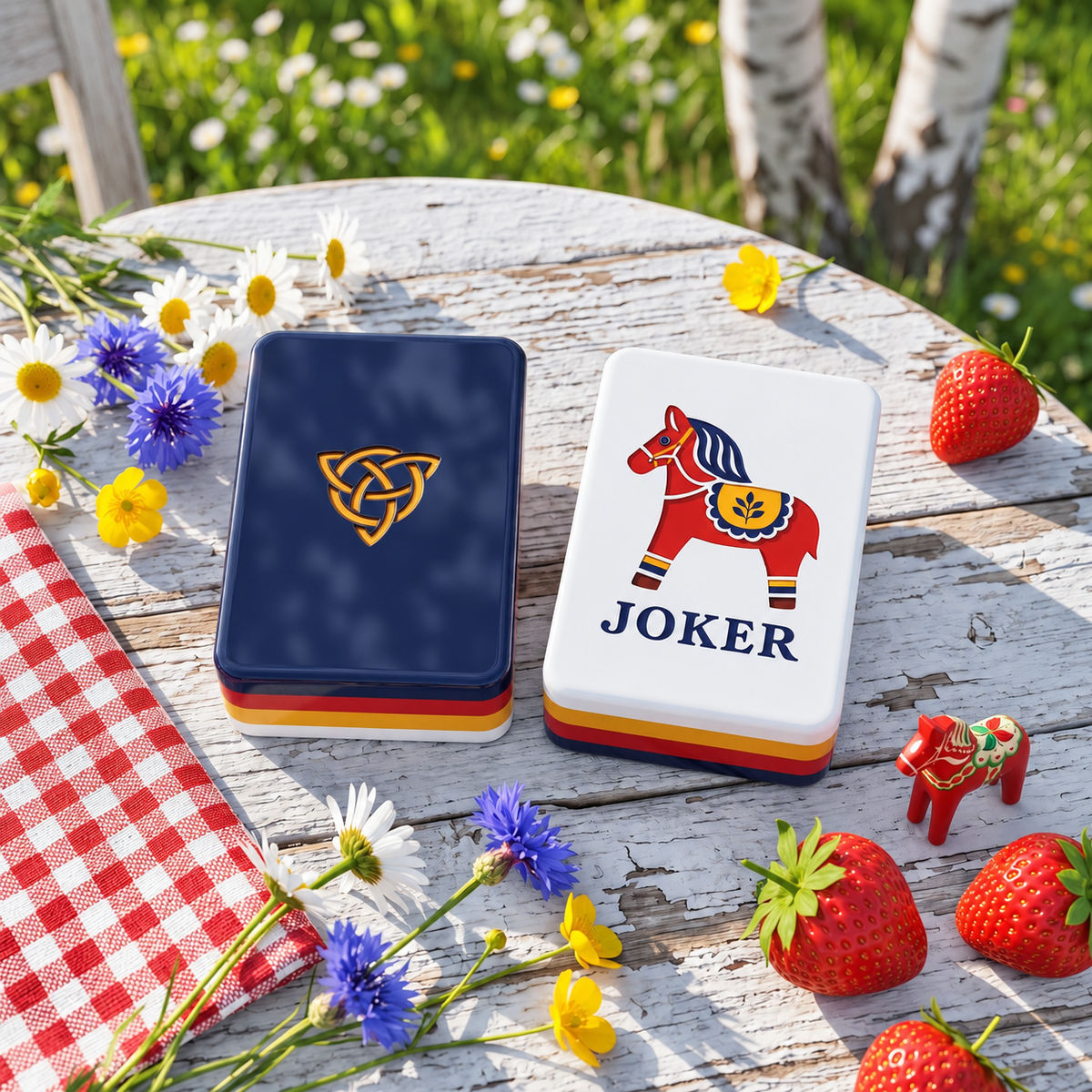
A tea party mahjong tablescape is a curated table arrangement that pairs an engraved or decorative American mahjong set with a matching mat, coordinating accessories, and refreshment service to create a cohesive, hospitable play environment. It works best for four players seated around a card table or larger dining surface (36–48 inches square is ideal). Setup includes a padded or cloth mat to anchor the tile display, an engraved set (152 tiles in an acrylic or wood case), a rack with pushers for each player, a clearly visible score card holder, and a tea or light refreshment station nearby—all chosen in a unified color or style. Tea party tablescapes typically take 20–30 minutes to arrange and host a standard four-player game lasting 1–2 hours. The cost varies by set type and accessories, but a quality theme-coordinated collection is achievable at any budget. Avoid mixing competing aesthetic styles, overcrowding the table, or using sets with loose, hard-to-shuffle tiles.
🀄 Shop best-selling mahjong sets →
What does "tea party mahjong tablescape" actually mean?
A tablescape is the full visual and functional arrangement of a dining or play table—the equivalent of a "place setting" expanded to the whole surface and its purpose. In mahjong, a tea party tablescape means every element (tiles, mat, racks, lighting, refreshments, decor) reinforces the same mood or theme. The mahjong set is the centerpiece, but it's surrounded by thoughtful touches: a coordinated mat in a complementary color or pattern, personal racks positioned so players can see each other and the wall, a tea service or refreshment tray within arm's reach, and optional decor (flowers, candles, or a themed centerpiece) that echoes the set's aesthetic. The goal is to transform a regular game into a hosted experience—one where the table itself invites players to relax and focus. A well-designed tablescape also serves a practical function: a good mat prevents tiles from shifting, racks keep tiles upright and readable, and a clear layout lets players manage their hands without confusion. Seasoned hosts report that a thoughtful tablescape improves game flow, reduces tile-handling errors, and makes guests feel genuinely welcomed.

What size mat and table work best for a tea party setup?
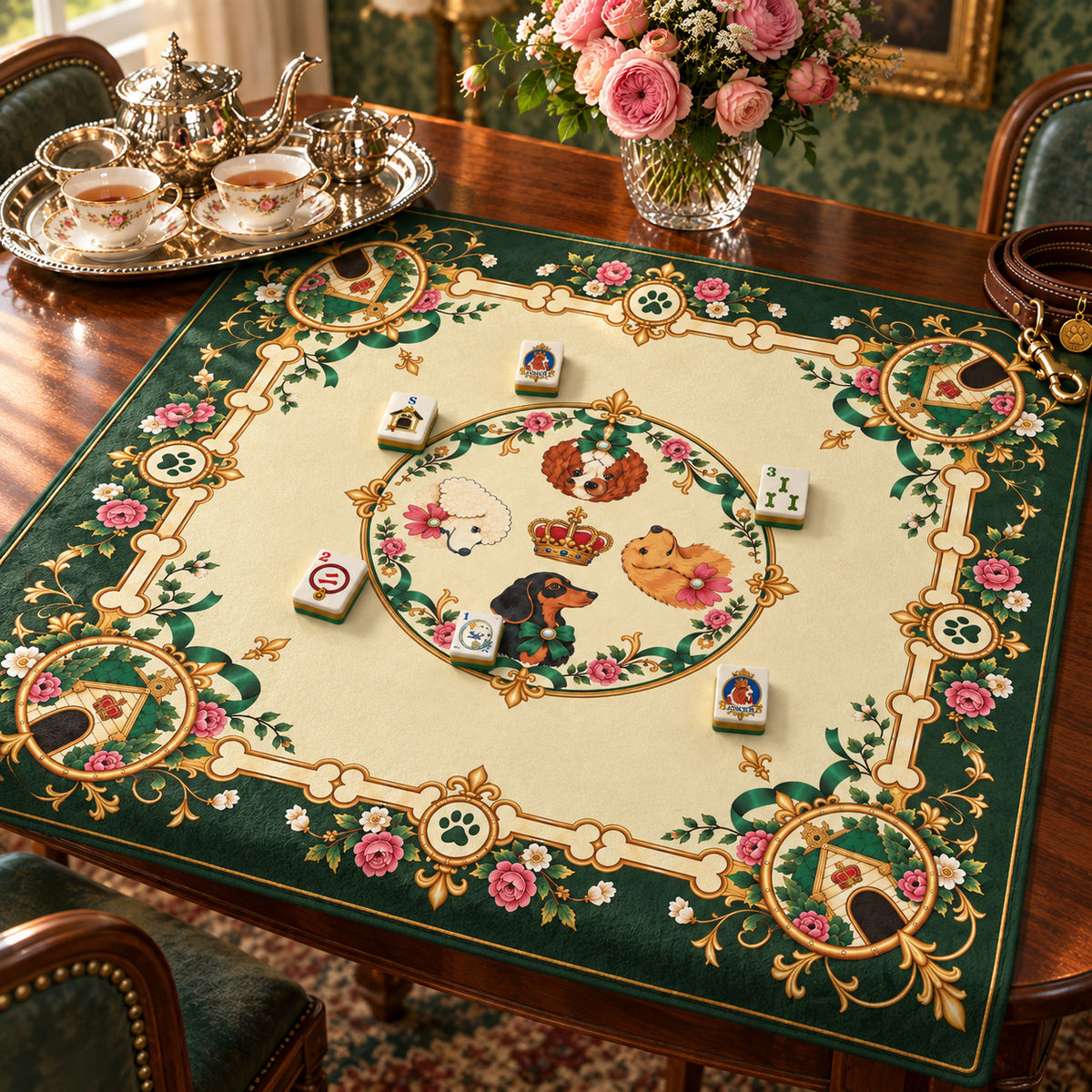
A standard American mahjong game uses 152 tiles arranged in four walls around the center of the table. The table surface needs at least 36 inches square; 42–48 inches is more comfortable and allows room for racks, refreshments, and a score sheet without crowding. The mat should measure 34–36 inches square so tiles and walls stay contained and the mat doesn't slide across the table. A mat also protects the table surface from scratches and muffles tile noise—a subtle luxury that makes the game feel intentional, not chaotic. For hosting, a dedicated card table, dining table, or mahjong-specific table works equally well; the key is stable legs and a level playing surface so tiles don't roll. If you're playing in a home with varying furniture, lay the mat on a non-slip rug pad underneath to prevent slipping. Position the mat so all four players have equal sightlines and arm's reach to the tile walls. If the table is near a wall or corner, rotate the mat so no player is squeezed; comfort directly affects play quality and mood. Choosing a mat that fits your space and aesthetic is the single most impactful decision for a cohesive tablescape.
🎁 See our most-loved mahjong sets & accessories →
How do you coordinate set, mat, and accessory colors and styles?
Coordination doesn't mean everything matches exactly—it means they "speak the same language." Look at three key elements: the set's visual weight (bold acrylic vs. subtle wood), the mat's tone (jewel tones, pastels, neutrals), and your accessory choices (racks, dice, cases). Here's a simple framework:
Set Type | Mat Tone | Rack Style | Why It Works |
Jewel-tone acrylic | Neutral (gray, cream, black) | Clear acrylic or wood | Tiles stand out; accessories fade into background |
Pastel or soft acrylic | Matching pastel or white | Soft wood or acrylic | Cohesive, gentle aesthetic |
Natural wood tiles | Deep jewel or neutral | Matching wood | Warm, traditional look |
Floral or themed acrylic | Coordinating solid or subtle print | Clear or themed | Visual theme ties table together |
Once you've chosen your set, browse mat colors that complement (not match) its tone. A jewel-tone set on a charcoal or cream mat pops; a natural wood set on a deep emerald mat feels grounded. Racks and dice should echo the set's material (acrylic with acrylic, wood with wood) or stay neutral (clear acrylic racks work with any set). If your set is engraved with text or a design, let that be your visual anchor—choose solids or subtle patterns elsewhere so the set remains the focal point. Avoid three competing colors or textures; two or three coordinated tones feel intentional. Many hosts also match their case or bag to the mat or set for a polished "put away" look that extends the theme even when the game ends.
What role do racks and pushers play in a tea party tablescape?
Racks and pushers do two jobs: they display each player's hand beautifully and they reduce handling fatigue and errors. Each player sits with an upright rack directly in front of them, tiles face-down in the rack, ready to be drawn. A pusher (a small stick or bar) lets players slide their tile selection out of the rack without touching others—a small gesture that feels more refined and keeps hands off the playing surface. Racks also keep tiles organized during play: as you discard, pick up new tiles, and manage melds, the rack keeps your hand stable and legible. For a tea party setting, choose racks that complement your set's aesthetic. Clear or natural wood racks recede visually and let the tiles shine. If your set is particularly decorative or engraved, matching racks (same material and finish) create a unified impression. Position each rack perpendicular to the player's edge of the table so they can see their tiles clearly without moving around the table. During setup, place all four racks and pushers before players arrive so the table looks intentional and complete. A guide to choosing racks with pushers walks through sizing, material, and maintenance.

How do you integrate refreshments without disrupting play?
Tea, coffee, snacks, and light desserts are part of the tea party tradition—they should be accessible without interfering with tiles or play. Position a refreshment station (a side table, cart, or corner of the main table) at least 18 inches from the mat's edge. Use a separate small table or tray so drinks and plates don't sit directly on the playing surface or mat. Offer teacups with saucers (easier to manage than mugs), small plates, napkins, and treats that don't leave hands sticky—tea cakes, cookies, nuts, cheese, fruit. Use coasters under all beverages so condensation doesn't drip onto tiles or the mat. Before play begins, ask players to enjoy refreshments, settle in, and then take a short "tile-free" break before the first game begins. This ritual signals the start and lets everyone feel hydrated and comfortable. During play, keep refreshments away from the tile walls and active play area. Use a small cup holder or designated spot for each player's beverage so it's not knocked over mid-turn. If someone needs to refill during a game, pause briefly—mahjong pauses naturally at certain moments (waiting for a draw, between hands). A thoughtful host makes refreshments feel like part of the experience, not a distraction.
✨ Find your Mahstead set — free US shipping →
What's the honest checklist before setting up your first tea party tablescape?
Before you host, check these practical details:
Set quality and completeness: Verify you have all 152 tiles (plus spares in your case). Shuffle tiles two to three times to ensure they move smoothly; stuck or warped tiles will frustrate players.
Mat condition and grip: Place the mat on your table and move it gently—does it stay put or slide? If it slides, place a non-slip rug pad underneath.
Rack fit and stability: Test each rack with tiles in it. Can players easily slide tiles out with a pusher? Do racks stand upright without tipping?
Table height and lighting: Sit down as if to play. Are the tile walls at a comfortable eye level? Is there enough light to read tile faces and identify your hand?
Score sheet and card holder: Have the current year's card and pen ready; choose a holder or spot where it's visible but not in the tile-play zone.
Player comfort: Ensure each of the four chairs is the same height and has adequate back support (games last 1–2 hours).
Clear space around the table: Remove clutter, phones, and obstacles within arm's reach of all four players.
Time and pacing: Start your first game 10–15 minutes after guests arrive so everyone is settled; allow 2–3 hours for setup, play, and cleanup.
If any element feels off (sliding mat, cramped table, dim light), fix it before guests sit down. The difference between a rushed setup and a calm one is immediately visible in how players feel.
What you'll need
For a complete tea party mahjong tablescape, you'll want:
An engraved or themed American mahjong set (152 tiles with pushers in an acrylic or wood case) — the visual foundation of your tablescape.
A coordinating mat — 34–36 inches square, in a tone that lets your set shine.
Four racks with pushers — matching material and finish, one per player.
A bag or case — for easy setup and storage; choose one that echoes your set's aesthetic.
Optional: dice, score pad holder, and themed napkins or coasters — these refine the experience without being essential.
Browse our collection of best-selling mahjong sets and accessories to find pieces that coordinate with your home's style and your guests' preferences. Look for sets in materials (acrylic, bone, wood) and finishes (engraved text, solid color, themed designs) that speak to you. A tea party tablescape comes together fastest when you start with a set you love, then build around it.
FAQ
Can you use a glass dining table for a tea party mahjong tablescape?
Yes. Glass tables are elegant and work well; place the mat directly on the glass surface (it will grip better than a wooden table). Ensure the table is level and stable. Use a rug pad under the mat if the glass is slippery. Avoid placing hot teacups directly on the glass—use a separate refreshment surface nearby.
What's the difference between a mahjong mat and a table cover or tablecloth?
A mat is rigid or semi-rigid, sized precisely for tile play (34–36 inches square), and anchors tiles during shuffling and wall-building. A tablecloth covers the entire table for aesthetic reasons but doesn't protect tiles from sliding or provide the defined play space a mat does. For a mahjong tablescape, a mat is essential; a tablecloth can complement it underneath or on a refreshment table.
How many players is a tea party mahjong tablescape designed for?
A standard American mahjong game is always four players. A tablescape set for four is the traditional format. If you want to host three or two players, you'll adapt the wall layout and scoring rules, but the visual setup remains the same—mat, four racks, one set. Three- or two-player variants use fewer tiles and are less common in social tea party settings.
Should the mat and set be the same color, or should they contrast?
They should complement, not match exactly. A jewel-tone acrylic set pops on a neutral or contrasting mat; a natural wood set glows on a deep solid mat. If set and mat are the same color, they blur together visually and the set loses impact. Choose the set first, then find a mat that makes it stand out.
What if I don't have room for a dedicated mahjong table?
Use any sturdy dining table (36–48 inches square minimum) and place a mahjong mat in the center. The mat defines the play zone and protects the table surface. Set up refreshments on a side table or cart. This approach is common and works well; the mat is the anchor, not the table itself.
How long does it take to set up a tea party mahjong tablescape?
20–30 minutes if everything is clean and organized: arrange the mat, position racks and pushers, lay out tiles for washing (if needed), place the card and pen holder, set up refreshments, and check lighting. If this is your first setup, allow 45 minutes. Once you've hosted one game, setup becomes automatic and faster.


View More
View More
View More
