
Blue Mahjong Chips & Coins: Which Style Wins Your Game?
Last updated: Nov 23, 2026
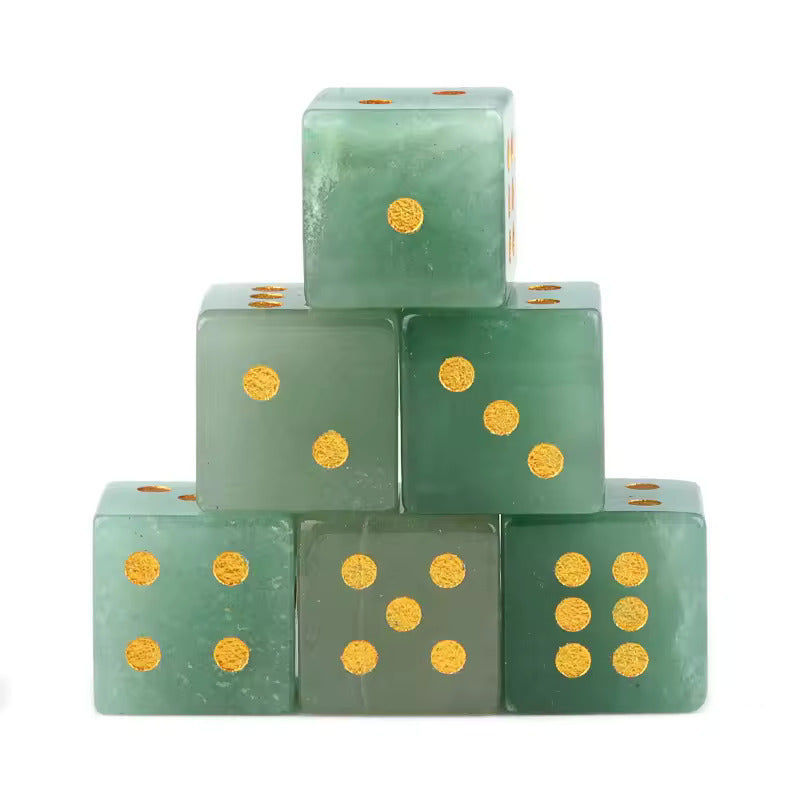
Blue mahjong chips are scoring tokens, not playing tiles, used to track points during American mahjong games; standard sets typically include them as part of scoring accessories. In American mahjong, players use chips (or coins, or paper) to record points won each hand—blue is a common color choice because it contrasts clearly on the table. They come in various styles: engraved acrylic (modern, durable, personalized), traditional plastic (lightweight, affordable), and metal coins (heirloom feel, heavier). Chips are not bundled in the 160-tile playing set itself; they're bought separately as scoring gear. When choosing, match the chip material to your table style, check the size fits your hand and mat space, and verify whether you need a full scoring set (usually including chips in multiple colors for different player positions or denominations). Mahstead offers best-selling mahjong sets that pair well with custom scoring accessories—choose chips that complement your tiles and hosting setup. --- 🀄 Shop best-selling mahjong sets →
What role do blue chips play in American mahjong scoring?
In American mahjong, blue chips function as one of your color-coded scoring tokens. Each player position (East, South, West, North) typically corresponds to a chip color; blue often represents one seat, though conventions vary by game group. Players use chips to track points won during the hand and to settle balances at game's end. Unlike playing tiles, chips never touch the tile wall or rack—they stay pooled near the scorer, moving between players as hands are won and lost. This keeps the game streamlined: tile play stays focused, scoring math stays separate, and settlement happens fast. A full scoring set usually includes chips in four colors (one per player) plus a secondary set for denomination markers if your group tracks game progression or high-score tallies.

How do acrylic, plastic, and metal chips differ for home games?
Material Comparison for Blue Mahjong Scoring Tokens
Chip Type | Weight | Durability | Feel | Best For | Setup Time |
Engraved acrylic | Medium (hefty) | Very high; resists scratching & fading | Premium, solid | Serious home players; gifting custom sets | 2–3 min setup |
Traditional plastic | Light | Moderate; can fade or chip if dropped | Budget-friendly | Casual weekly groups; travel | 1–2 min setup |
Metal coins | Heavy (substantial) | Excellent; age gracefully | Elegant, antique | Heirloom players; collectors; formal nights | 3–4 min setup |
Acrylic chips from our best-selling collection hold custom engravings—names, dates, club logos—making them memorable gifts and conversation starters. Plastic chips are lightweight and pack easily into a travel bag, ideal if you host rotating games across venues. Metal coins deliver weight and presence; they clink audibly (some players love this, others find it distracting) and develop a patina over years. If you upgrade to engraved acrylic, your tokens can match your set's aesthetic—especially if you've chosen engraved American mahjong sets with coordinated designs. The choice hinges on whether you prioritize portability, personalization, or heirloom longevity.
🎁 See our most-loved mahjong sets & accessories →
What size blue chips fit comfortably in your hand and on a mat?
Standard blue chips measure between 0.75 and 1.2 inches in diameter—small enough to hold a handful without fumbling, large enough to spot across the table. Acrylic chips trend toward the larger end (1+ inch); plastic tokens tend toward 0.75–0.9 inches. On a mahjong mat, chips sit in a scoring zone—typically a corner or side area marked off from the tile play zone. If your mat is compact (under 30 inches), choose slimmer plastic or medium acrylic; on a full-size mat (36+ inches), larger acrylic chips stand out and feel substantial. Hand size matters too: players with smaller hands often prefer lighter plastic or narrower acrylic; those with larger hands enjoy the heft and grip of metal or full-size acrylic. Before ordering, measure your current mat's chip storage area or sketch where chips will rest during play. Many players keep a spare set so one color pool can be reset between rounds without stopping the game.

How do you avoid mismatched or faded blue chips over time?
Acrylic chips resist fading because the color runs through the material, not just on the surface—they look vibrant after years of weekly games. Plastic chips, especially if left near sunlight or heat, can bleach or yellow; store them in a dark bag or case. Metal coins oxidize naturally (which some love), but if you prefer original finish, wipe them dry after each session and store in a cool, dry spot. Mismatching happens when you buy chips from different suppliers or eras—a good rule: buy your full scoring set from one maker in one order, so batch consistency is guaranteed. If you own engraved mahjong sets from Mahstead, match your scoring tokens to the same order or ask about coordinated accessory bundles. Label the back of your chip case or bag with the color names and counts (e.g., "4 blue, 4 red, 4 green, 4 white") so you spot missing pieces before game night. A travel bag with internal compartments keeps chips organized and shields them from dust and UV exposure.
Which blue chip style matches your hosting style and budget?
If you host casual weekly games and travel between venues, lightweight plastic blue chips in a compact case fit your rhythm. If you host formal nights, charity games, or milestone dinners, engraved acrylic chips—custom-printed with your group's name or year—add prestige and serve as keepsakes. If you're a collector or passed-down-games person, metal coins in a velvet pouch evoke heirloom status and improve with age. Budget-conscious players: plastic chips cost less per color but may need replacement after 3–5 years of heavy use. Mid-range players: acrylic chips cost more upfront but last a decade or longer without visible wear; if engraved, they're also one-of-a-kind gifts. Premium players: metal coins represent a one-time investment and only look better as patina develops. Pair your chip choice with mahjong racks with pushers and a mat that reflects the same care level—coordinated gear signals you take the game seriously and makes every session feel intentional.
✨ Find your Mahstead set — free US shipping →
What to check before you buy blue chips
Count: Do you need 4 colors (one per player) or extras for high-score tracking or backup? Standard is 12–16 chips per color.
Size: Measure your hand span and your mat's chip zone; 0.9–1 inch suits most home tables.
Material: Will these chips travel weekly (choose lightweight plastic), sit in a climate-controlled game room (acrylic or metal), or become gifts (engraved acrylic)?
Depth: Thinner chips stack neatly; thicker ones (especially acrylic) offer premium feel but need wider storage.
Color fastness: Ask whether plastic chips are UV-treated; confirm acrylic dye runs throughout, not just the surface.
Supplier alignment: If your tiles are from one maker, buy chips from the same source or verify they coordinate.
Free shipping: Confirm whether your chip order qualifies for free US shipping to avoid surprise costs.
FAQ
Can I use any blue tokens, or do they have to match my mahjong set tiles?
Chips and tiles are separate systems—your tiles are 160 pieces that form hands; chips track points only. Blue tokens don't need to match tile colors (Bams, Craks, Dots). Pick chips based on contrast with your table, not tile hue. That said, if your set is engraved with a coordinated design, matching chip aesthetics makes the whole setup feel intentional.
How many blue chips do I need for a four-player game?
Standard is 16 blue chips per player (4 colors × 4 players = 64 total chips in play). Many groups use 12–20 per color depending on betting stakes and round length. Buy in sets of 16 per color to ensure consistency and leave buffer for lost or damaged pieces over years.
What's the difference between "chips" and "coins" in mahjong scoring?
"Chips" usually refers to lightweight plastic or acrylic discs; "coins" implies metal tokens with heft and a numismatic feel. Functionally identical—both track points. Coins feel more premium and wear better; chips are cheaper and pack smaller. Choose based on your budget and game atmosphere.
Do blue chips come engraved, or do I customize them separately?
Most standard plastic chips are plain. Acrylic chips can be engraved with names, dates, or logos at the time of purchase—order custom engraving through the same supplier as your set to ensure batch coordination. Metal coins are typically plain unless you commission custom minting, which is rare for home games.
Where do I store blue chips to prevent fading or loss?
Keep acrylic and metal chips in a dark, cool place—a drawer or opaque case protects them from UV fade. Plastic chips are more sun-sensitive; store in a labeled case or pouch inside your travel bag. Count and photograph your full set once so you catch missing chips before your next game night.
Can I mix blue chips from different makers or eras?
Functionally yes, but visually they may look mismatched—different sizes, shades, or thickness. For a cohesive table, buy all chips in one order from one maker. If you already own mixed chips, store them separately and use one full matching set per game night.


View More
View More
View More
