
Bakelite vs Catalin Mahjong Tiles: Which Should You Buy?
Last updated: Nov 23, 2026
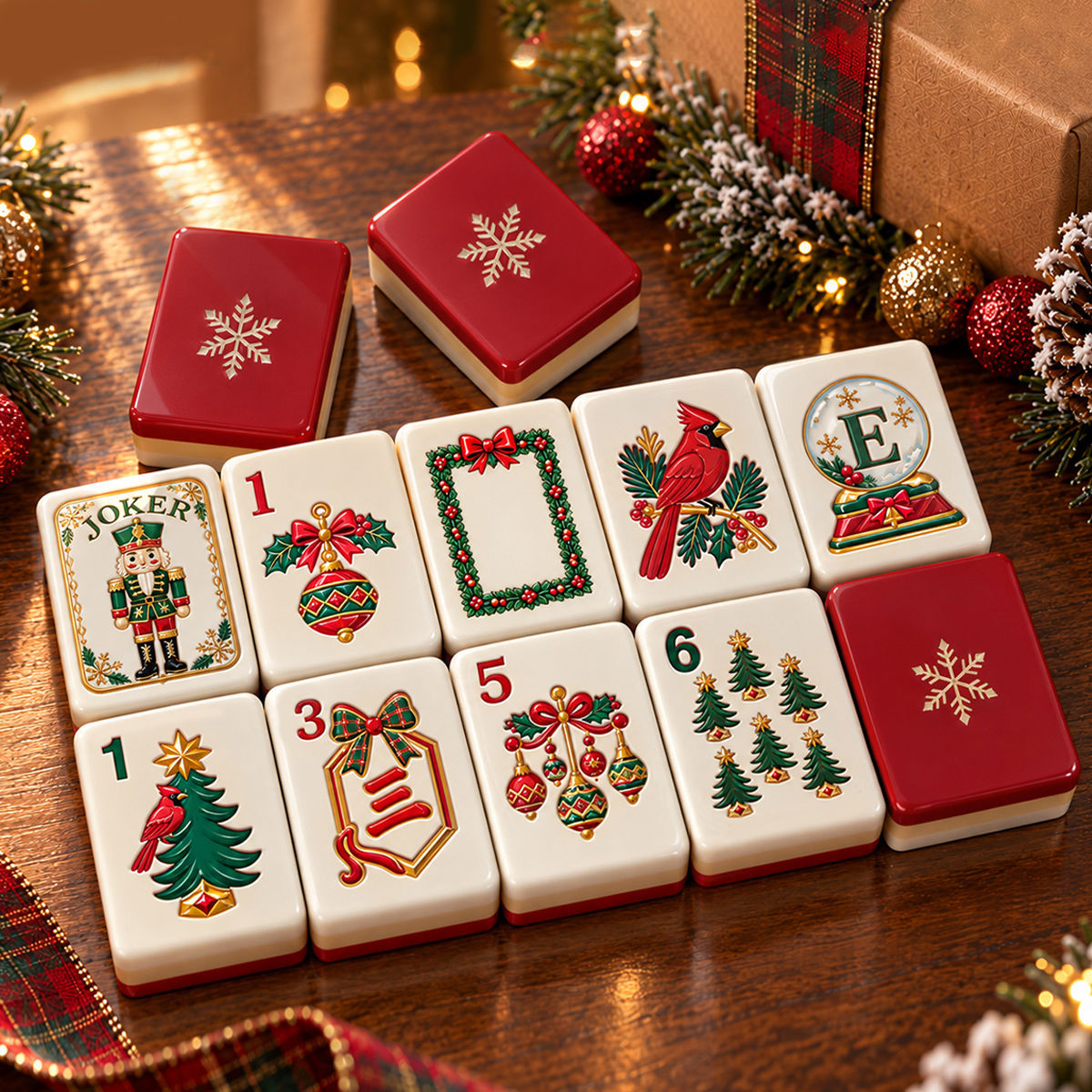
Bakelite and catalin are both durable plastics used in mahjong tiles, but they differ in feel, longevity, and cost. Bakelite—a phenol-formaldehyde resin—feels slightly textured and resists yellowing over decades, making it the standard for serious players. Catalin—a cast acrylic polymer—offers a smoother, glossier surface with vivid colors and jewel-like translucence, preferred by collectors and gift-givers. Bakelite tiles are heavier and thicker, creating louder clicks when played; catalin is lighter and quieter. Catalin may show minor surface marks over years of play, while bakelite develops a distinguished patina. Bakelite costs more at purchase; catalin offers better value for casual players. Both come as 160-tile sets from Mahstead with free US shipping. Neither is "better"—your choice depends on whether you prioritize heirloom durability and traditional weight or vibrant aesthetics and affordability.
Bakelite and catalin are the two most common tile materials for American mahjong sets, but they differ in feel, longevity, and cost. Bakelite—a phenol-formaldehyde resin—feels slightly textured and resists yellowing over decades, making it the standard for serious players. Catalin—a cast acrylic polymer—offers a smoother, glossier surface with vivid colors and jewel-like translucence, preferred by collectors and gift-givers. Bakelite tiles are heavier and thicker, creating louder clicks when played; catalin is lighter and quieter. Catalin may show minor surface marks over years of play, while bakelite develops a distinguished patina. Bakelite costs more at purchase; catalin offers better value for casual players. Both come as 160-tile sets from Mahstead with free US shipping. Neither is "better"—your choice depends on whether you prioritize heirloom durability and traditional weight or vibrant aesthetics and affordability.
What's the real difference in how bakelite and catalin feel?
Bakelite has a warm, slightly matte surface with gentle texture—tiles feel substantial in your hand, almost heavier than their size suggests. When you draw or play a tile, it lands on the mat with a satisfying click, audible across the room. Catalin feels smoother and glossier, almost like polished stone or glass. It's lighter, so the tap is quieter. Some players say bakelite feels "serious" or "vintage"; catalin feels "modern" or "luminous." During play, bakelite tiles stack and slide predictably; catalin requires slightly gentler handling because the smoother surface means less friction. If you've played with vintage bakelite sets, you know the sound and heft become part of the ritual. Catalin tildes lack that traditional resistance, which appeals to newer players or those who prefer a quieter table.

How do bakelite and catalin weather over time?
Bakelite is notoriously durable—sets from the 1950s and 1960s still play like new if stored indoors, away from direct sunlight. Over decades, bakelite may darken slightly or develop a subtle amber tone, which collectors appreciate as patina. It resists scratching better than softer plastics and rarely cracks unless dropped hard. Catalin is also long-lasting but responds differently to age and use. Glossy surfaces accumulate fine scratches and micromarks from shuffling, especially if played weekly. These marks are cosmetic and don't affect play, but they're visible under light. Catalin can yellow if exposed to UV sunlight or stored near heat, though indoor home sets rarely see this. Both materials are immune to moisture, so spilled drinks or a humid climate won't harm them. If you plan to pass the set to grandchildren or play 200+ times, bakelite's patina is a feature. If you play casually and replace sets every decade or so, catalin's short-term glossy appeal wins.
Which material is heavier and why does that matter?
Bakelite tiles weigh more per tile—about 30–40% more than catalin—because the material is denser and the tiles are typically thicker. A full bakelite set feels noticeably heftier when you lift the rack or carry a bag. Heavy tiles are preferred by players who value traditional play feel and those with arthritis or dexterity issues, because weight provides stability when drawing or playing. Lighter catalin tiles suit players who prefer minimal hand strain or who travel frequently with their set. Weight also affects the sound: heavier bakelite tiles make a louder, deeper click; lighter catalin produces a higher, softer tap. Table etiquette varies—some clubs value the audible click as part of the game's rhythm; others prefer quiet play. Neither weight is "correct," but if you've played bakelite for years, switching to catalin can feel odd. A weighted rack or mat can help stabilize lighter tiles if you're new to catalin. Check the best-selling mahjong sets to compare tile photos and feel descriptions.
🀄 Shop best-selling mahjong sets →

How should I decide based on budget and use?
Material | Best For | Cost Profile | Play Frequency | Cosmetic Aging |
Bakelite | Serious players, inheritance | Higher initial | 2–4× weekly+ | Distinguished patina over decades |
Catalin | Casual players, gifts, travel | Lower initial | 1× weekly or less | Fine scratches visible after 5+ years |
If you host weekly games and plan to play for 10+ years, bakelite's durability and traditional feel justify the higher initial cost. The set becomes an heirloom. If you play once or twice a month, or you're testing whether mahjong is "your game," catalin offers excellent value—the money saved can go toward a mahjong mat or racks with pushers that enhance play more than tile material. Travelers prefer catalin because lighter sets pack easier. New players often choose catalin to avoid over-committing. Collectors and tournament players, or those in multi-generational families, favor bakelite. Budget constraints? Catalin is forgiving—you won't regret buying it if circumstances change. Bakelite is an investment, but only if you're committed to long-term play.
What should I check before ordering bakelite or catalin?
Before you buy, confirm three things: tile material (bakelite or catalin is listed in the product description or materials section), color scheme (some catalin sets use bright jewel tones; bakelite typically comes in classic cream, green, or bone), and tile thickness (affects durability and hand feel—thicker is generally more durable). Ask the seller whether tiles are hand-painted or screen-printed; hand-painted bakelite is rarer and more expensive but offers unique character. Check whether the set includes a mahjong mat or case—a mat is essential for play and protects the table. If you're ordering from Mahstead's collection, all sets ship with free US shipping and come as complete 160-tile sets ready to play. Ask about spare tiles (jokers and blanks): both bakelite and catalin sets may include extras in case of breakage, but confirm the count. If you're sensitive to noise during play, request a quieter material (catalin) or plan to add a sound-dampening mat underneath. Finally, verify the set uses the current year's hand patterns—mahjong sets must match the 2026 National Mah Jongg League card for legal play.
🎁 See our most-loved mahjong sets & accessories →
What do experienced players recommend?
Hosts who run weekly home games often own both: catalin for casual evenings or introducing new players, and bakelite for competitive play or when regulars request it. Tournament players swear by bakelite for its consistency and sound—the tile click is audible feedback that a play was registered. Gift-givers almost always choose catalin because the vibrant colors and jewel-like translucence are stunning on first sight; the lighter weight means recipients won't feel burdened carrying the set home. Collectors who've played for 20+ years say bakelite is "worth it" because it becomes part of a player's identity—your personal set has a story and a sound. Younger players or those in urban apartments favor catalin for its quiet, modern aesthetic. One practical tip we see in our weekly games: if you mix bakelite and catalin tiles during shuffling (not recommended, but it happens), the weight difference becomes immediately obvious—stick to one material per game for consistency.
✨ Find your Mahstead set — free US shipping →

FAQ
Can I mix bakelite and catalin tiles in the same game?
No—weight, thickness, and texture differences create inconsistent play and make shuffling harder. Use one material per game. If you own both sets, designate one for each group or occasion.
Which material is better for beginners?
Catalin. It's lighter, quieter, more affordable, and less intimidating if you're learning rules or building confidence. Mahjong for beginners guides pair well with catalin sets.
Do bakelite tiles really last 50+ years?
Yes, if stored indoors and away from direct sunlight. Vintage bakelite sets from the 1950s–1970s still play and look excellent. Catalin lasts 15–20 years of weekly play before cosmetic wear is noticeable.
Is bakelite toxic or hazardous?
Bakelite is inert and safe during normal play. It was used in kitchenware, jewelry, and vintage appliances for decades. No special handling is required beyond basic care.
What's the actual price difference between bakelite and catalin?
See current prices on the mahjong tiles collection page. Generally, bakelite carries a higher cost, but pricing varies by design and availability.
Does humidity or temperature damage one material more than the other?
Both are resistant to humidity and climate shifts. Avoid extreme heat (above 140°F) or direct UV sunlight, which can cause discoloration or warping—rare for indoor home sets but important for storage.


View More
View More
View More
