
Birthday Mahjong Party Ideas: Games, Gifts & Setup
Last updated: Nov 23, 2026
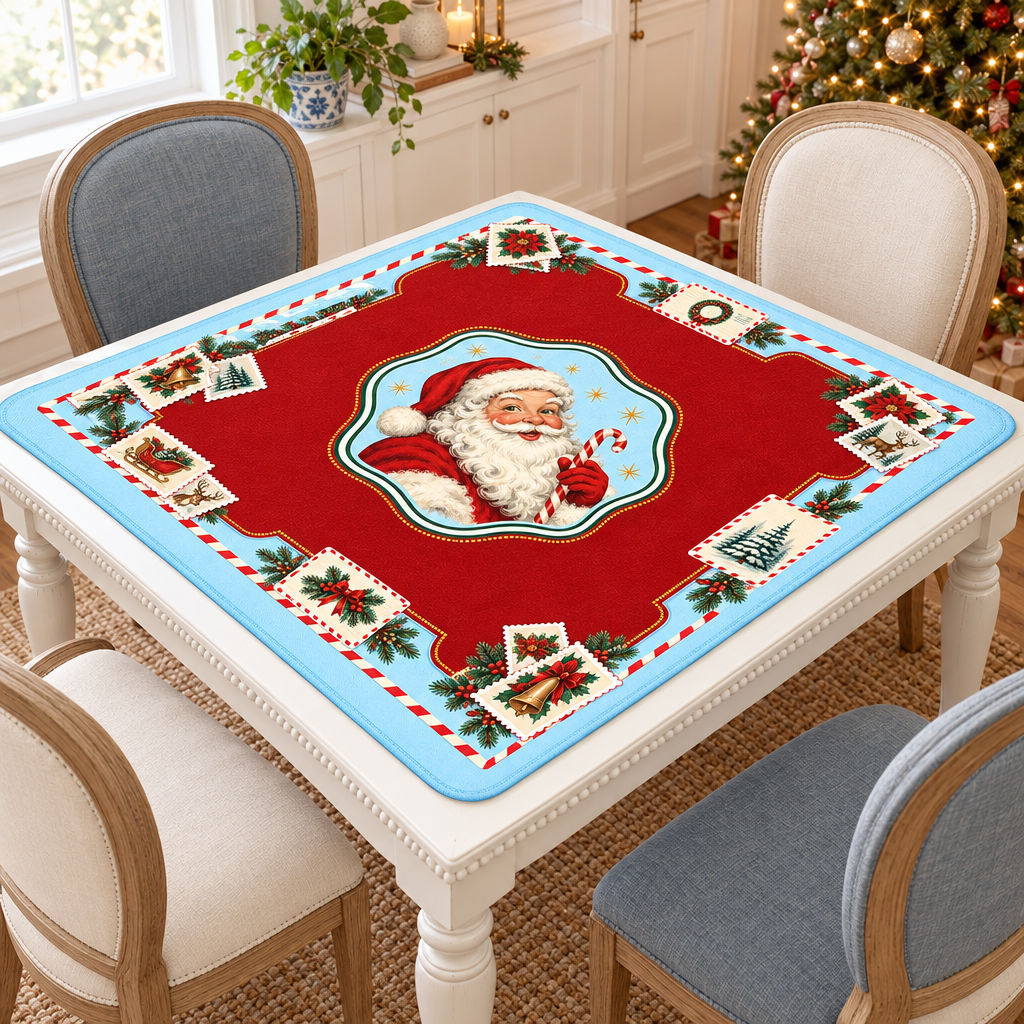
A mahjong birthday party works best with 4 players, a quality set (160 tiles with jokers), a mat to protect the table, and snacks within arm's reach. Plan 2–3 hours for casual play or an afternoon tournament. If guests are beginners, teach the basics 30 minutes before game time, or stick to simplified hands from the current year's National Mah Jongg League card. Beginners often rush the Charleston (the tile-passing ritual before each hand) or miscount jokers—set a timer and call it out. If the birthday person plays, let them choose the wind (seating) to begin; if not, they can score or host. A set from our best-selling collection makes a practical gift, or personalize one with engravings for her or his name, the year, or a joke about being a "tile shark"—these arrive ready to play.
A mahjong birthday party combines tile games with celebration—whether it's teaching beginners, running tournaments, or giving personalized gifts. Here's how to pull it off.
A mahjong birthday party works best with 4 players, a quality set (160 tiles with jokers), a mat to protect the table, and snacks within arm's reach. Plan 2–3 hours for casual play or an afternoon tournament. If guests are beginners, teach the basics 30 minutes before game time, or stick to simplified hands from the current year's National Mah Jongg League card. Beginners often rush the Charleston (the tile-passing ritual before each hand) or miscount jokers—set a timer and call it out. If the birthday person plays, let them choose the wind (seating) to begin; if not, they can score or host. A set from our best-selling collection makes a practical gift, or personalize one with engravings for her or his name, the year, or a joke about being a "tile shark"—these arrive ready to play.
How many players do you really need?
American mahjong is designed for exactly 4 players. If you have 5 or 6, run a rotating tournament with 2-player or 3-player rule variants: one pair rests while the other three or four play. Smaller groups (2–3) use adapted rules that shorten hands but keep the same tiles and scoring. For a birthday mixer, a "king of the hill" format works—winners stay, losers rotate in.
What's the easiest setup for mixed skill levels?
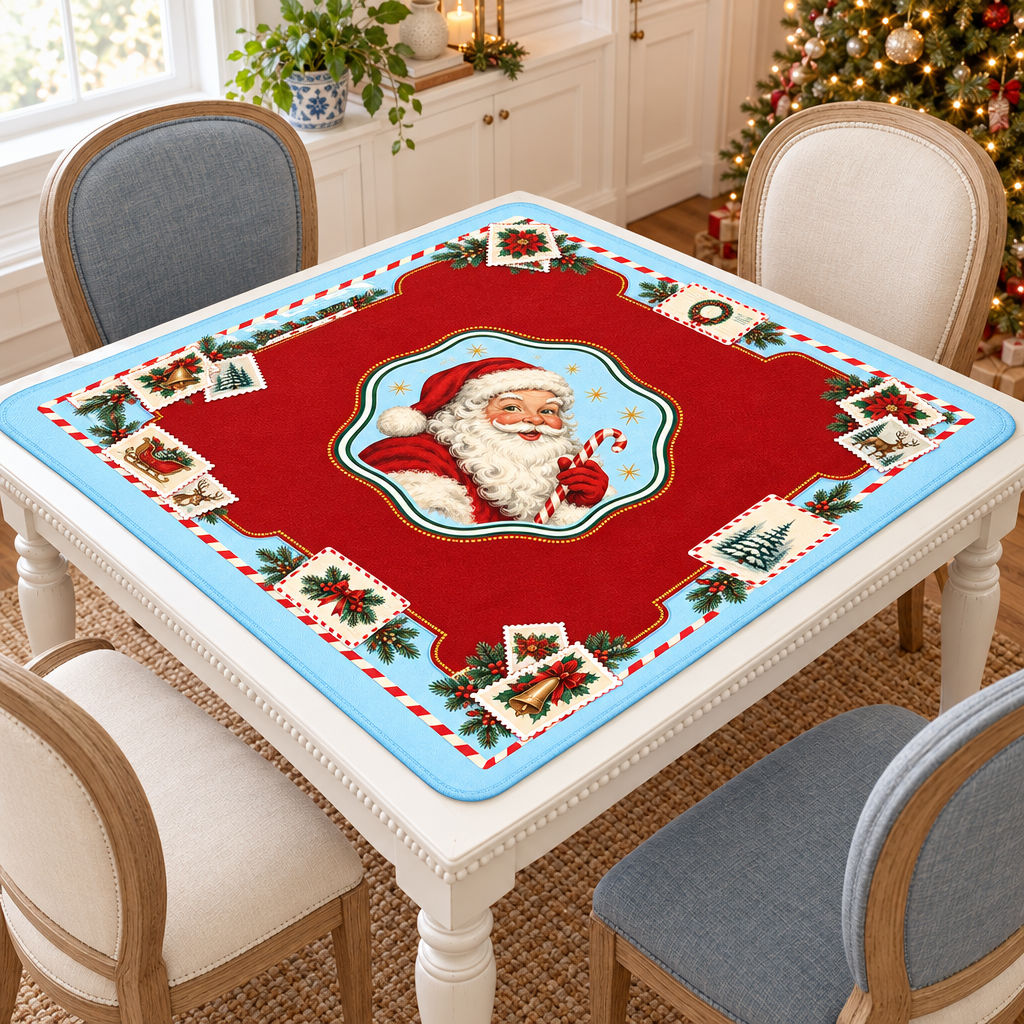
Print the current year's National Mah Jongg League card (available free online) and mark 3–5 beginner-friendly hands in different colors. Beginners play only marked hands for the first hour; everyone else plays standard. Assign one experienced player as scorekeeper. Set up the mat in the middle of the table so all four players can see the tiles and discard pile clearly. Provide a small timer (3–5 minutes per turn for new players) so everyone stays engaged. Place the scorecard, card reader, and dice on a side table, not in the play area, to avoid tile pile confusion.
Should you use racks and pushers for a birthday game?
Racks with pushers prevent tiles from sliding during play and speed up hand organization—a real help when guests are new to the game. They also look intentional and keep the table tidy for photos. If your birthday group hasn't used racks before, demonstrate how to push tiles forward as you meld (expose pungs, kongs, quints, sextets) so everyone stays coordinated. Racks aren't required, but they make casual play feel more organized and reduce misdeals.
What are the best gift options for a mahjong birthday?
Gift | Who it's for | Why it works |
The serious player | Keepsake; one-of-a-kind; shows you care | |
A new or casual player | Reliable, affordable, ready to play; ships free | |
A host or game night leader | Completes the setup; protects furniture | |
The competitive player | Quality-of-life upgrade; speeds play | |
A traveling player | Protects the set; easy transport to club or friends' homes |
For a co-gift with friends, combine a standard set with a mat or racks. If the birthday person doesn't play, a decorative engraved set doubles as table decor.
How do you run a birthday tournament without chaos?
Divide your guests into two 2-player tables or two 4-player tables for the first round (20–30 minutes each). Track wins on a poster board. Winners from Table 1 play winners from Table 2 in Round 2; losers play losers. Keep a "most tiles melded," "fastest hand," or "best bluff" prize for fun. Set clear rules before you start: each hand is ~15 minutes; late calls are binding; the scorekeeper's tally is final. If someone is frustrated, pause and review the hand with the card; mistakes happen and it's not personal. End the tournament 30 minutes before cake so you have time to celebrate and reset if anyone wants another round.
What mistakes ruin a beginner's birthday game?
Mistake: Rushing through the Charleston. Beginners pass tiles haphazardly, miss counting jokers, or repeat passes. Fix: Call out loud: "Pass right, pass center, pass left. Now flip for East Wind." Use a timer.
Mistake: Mixing multiple hands per round without printing the card. Fix: Pick 2–3 hands everyone plays in each round; keep it consistent.
Mistake: Leaving jokers and blanks unsorted before play starts. Fix: Before the first game, spread all tiles face-up on the mat. Count 8 jokers and set aside spares. Confirm you're starting with exactly 152 playing tiles and 8 jokers.
Mistake: Playing with a damaged or incomplete set. Fix: Test your set the day before. Look for cracked or faded tiles; you need four identical copies of each tile to play fairly.
How long should a birthday party game last?
A single hand takes 15–25 minutes, depending on player speed and experience. A full session (3 hands) runs 60–90 minutes. A casual birthday party with snacks and chat fits 2–3 hands comfortably into a 3-hour event. If you want a tournament, budget 2 hours for 2–3 rounds plus 30 minutes for scoring and socializing. Set expectations upfront: "We'll play from 3 to 5 p.m., break for cake at 4, then play one more round."
🀄 Shop best-selling mahjong sets →
What to check before you buy a party set
Tile count & condition: Confirm the set includes exactly 160 tiles (152 playing tiles plus spares). Inspect for cracks, discoloration, or missing copies of any number. All four copies of each tile must look identical.
Joker and wind count: Count 8 jokers and 16 winds (4 N, 4 E, 4 W, 4 S). A complete set is not negotiable—shorts slow down the game.
Engraving lead time: If you're ordering a personalized set for an upcoming birthday, confirm delivery timing. Allow 2–3 weeks for custom engraving.
Mat & bag pairing: If you're new to hosting, pair the set with a mat to protect the table and a bag for storage or transport. The mat keeps the tiles visible and tidy; the bag prevents tiles from scattering.
Backup jokers & spares: A 160-tile set includes spare tiles for replacement if something cracks mid-game. Check that spares are included in your order.
🎁 See our most-loved mahjong sets & accessories →
How to teach the game in 30 minutes
Start with the tile basics: three suits (Bams, Craks, Dots—numbers 1–9), four winds (N, E, W, S), three dragons (Red, Green, White), and flowers. Show a pung (three identical tiles), a kong (four), and how jokers can replace any tile in a meld—except a single tile or a pair. Walk through the Charleston (right, center, left passes). Explain the goal: make a hand from the current year's card in 14 or 18 tiles by drawing, discarding, and calling melds. Play one demo hand, calling out loud: "I'm melding a pung of 3 Dots." Answer questions, then start Round 1. For a deeper primer, share our how to play guide the day before if guests want to prep.
✨ Find your Mahstead set — free US shipping →

FAQ
Can you play mahjong with 3 people at a birthday party?
Yes, using adapted rules. One seat stays vacant, and the winds rotate differently. 3-player mahjong rules shorten hand-building time and assign separate scoring. This works well for a small birthday group.
How do you score a mahjong birthday tournament?
Award points for wins, melds, and speed. Simplest method: 1 point per hand won. Add bonus points for first to meld or most tiles exposed. Total at the end and announce a winner. For details, consult our American mahjong scoring guide.
What if a guest has never played mahjong before?
Pair them with an experienced player for the first hand. Run a "rules free" round where everyone shows their hand and you walk through what they built. No judgment, just learning. Use simplified beginner hands from the card so they're not overwhelmed.
Is an engraved set worth it for a gift?
Yes, if the birthday person plays regularly or is sentimental. Engravings (names, years, jokes) make a set unique and memorable. If they're a casual player, a standard set from the best-selling collection is more practical and equally valued.
How do you prevent tiles from getting lost during a birthday party?
Use a mat to contain the play area and a bag to store the set between rounds. Do a tile count before and after each game. If playing with racks, tiles are less likely to slide off the table. After the party, spread all tiles to confirm none are missing before storing.
What's the difference between American mahjong and other variants for a birthday game?
American mahjong is tile-only (no dice games), uses the National Mah Jongg League card, requires exactly 4 players, and allows only specific melds—no sequences or chows. It's beginner-friendly because the card does the rule work. Other variants (Chinese, Hong Kong, Riichi) are more complex; stick with American for a mixed-skill birthday group.


View More
View More
View More
