
How Long Do Wooden Mahjong Tiles Last?
Last updated: Nov 23, 2026
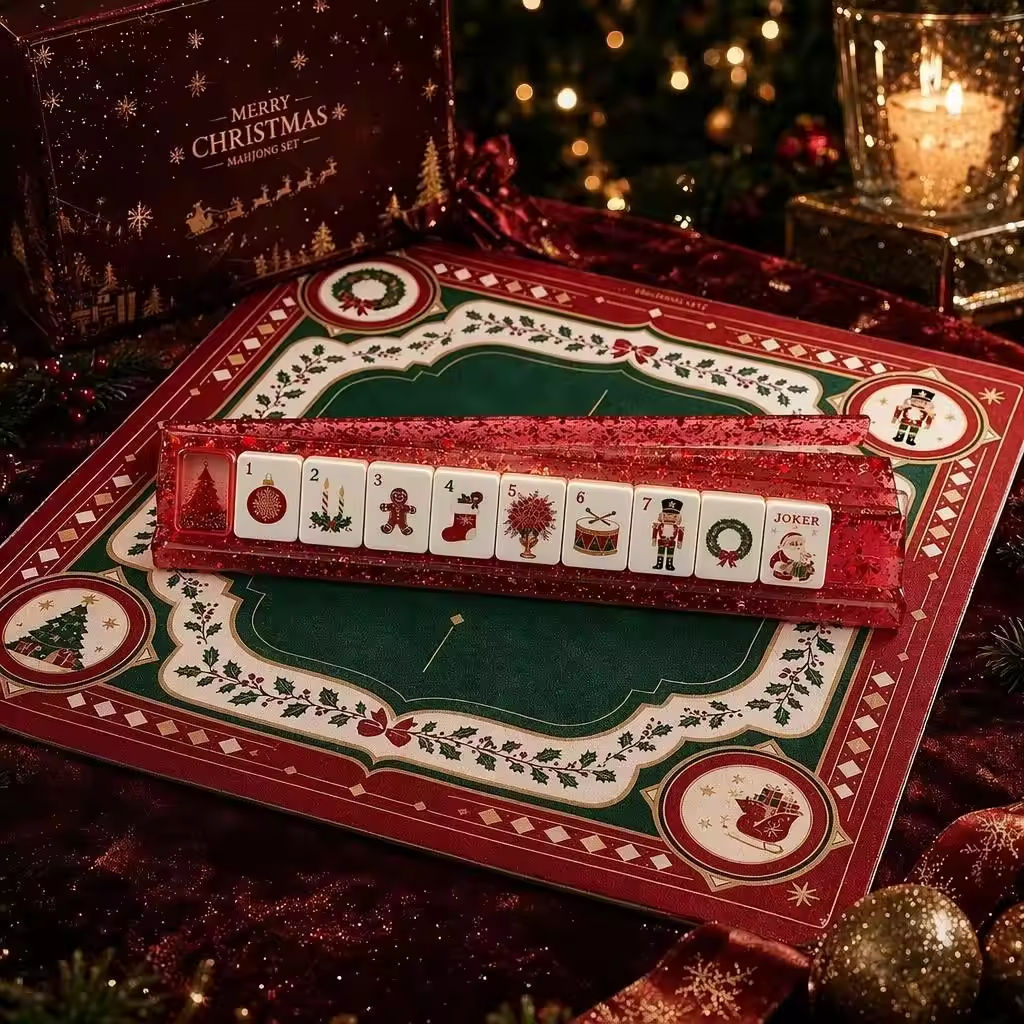
Wooden mahjong tiles typically last 20–40 years or longer if stored in stable humidity, handled gently, and kept dry—many sets from the 1970s and 1980s still play smoothly. Acrylic tiles, including our engraved American mahjong sets, endure 10–15 years of weekly games without degradation. Longevity depends far more on environment (humidity swings crack wood, dampness warps bamboo stems) and handling (dropped tiles chip or split) than on the tile's age. A well-maintained wooden set may actually improve with age—wood hardens and patinas—while neglected sets develop mold, loose inlays, or warped faces within years. Most players replace sets not because they fail, but because stems break, jokers go missing, or cosmetic wear becomes intolerable. Mahstead acrylic sets are engineered for consistent play and resist moisture, fading, and mechanical wear that wood cannot match over decades.
Wooden mahjong tiles can last 20–40 years or longer if stored in stable humidity, handled gently, and kept dry—many sets from the 1970s and 1980s still play smoothly. Acrylic tiles, including our engraved American mahjong sets, endure 10–15 years of weekly games without degradation. Longevity depends far more on environment (humidity swings crack wood, dampness warps bamboo stems) and handling (dropped tiles chip or split) than on the tile's age. A well-maintained wooden set may actually improve with age—wood hardens and patinas—while neglected sets develop mold, loose inlays, or warped faces within years. Most players replace sets not because they fail, but because stems break, jokers go missing, or cosmetic wear becomes intolerable.
🀄 Shop best-selling mahjong sets →
What makes wood fail faster than you'd expect?
Wood absorbs and releases moisture with humidity swings; this cycling causes seasonal shrinkage and expansion that eventually cracks tile faces or splits bamboo stems. Bathrooms, basements, and cars during rainy months are worst. Sunlight fades inlaid paint and weakens adhesives holding stems. Direct heat—radiators, sunlit windowsills—accelerates warping. A wooden set left unsealed in a basement over one winter can develop enough mold or bloom that tiles stick together; those near heating vents may warp within months.

How does acrylic compare to bone, bamboo, and reclaimed wood?
Bone tiles (vintage, prized) last as long as wood but are brittle and chip easily if dropped. Bamboo stems remain strong but absorb water quickly, causing separation from tile faces. Reclaimed or antique wood can be beautiful but lacks documentation of prior storage and may harbor hidden cracks or fungal damage. Acrylic is non-porous—it never absorbs moisture—and resists fading, chipping, and mold indefinitely; the tradeoff is a slightly lighter feel and different tactile feedback that some players prefer and others don't.
When should you actually replace a set?
Replace tiles when stems crack, jokers or blanks go missing, faces crack cleanly across the inlay (unplayable), or enough tiles warp that they no longer stack level. If one or two tiles fail, many players buy loose replacement tiles rather than a new set. If the set is 30+ years old and shows cracks, loose inlays, or mold, it's time to retire it; you're more likely to lose play to missing pieces or disputes over uneven stacking than to get many more usable years. Cosmetic damage (faded paint, small dents, loose bamboo) does not end a set's life—only functionality does.
How to store wooden tiles so they actually survive decades?
Keep wooden sets in climate-controlled rooms (ideally 40–50% humidity year-round). Store in sealed wooden boxes or plastic cases with silica packets if you're in a humid area; replace packets yearly. Never leave sets in cars, attics, basements, or near windows. Stack tiles horizontally in the box, not vertically, to avoid crushing bamboo stems under weight. Keep sets away from radiators, AC vents, and direct sun. Check twice yearly for mold spots or warping. This discipline extends a set's life by 10–20 years compared to casual storage.

What's the hidden cost of frequent replacement?
A new wooden set costs significantly more than acrylic, and you'll spend time hunting for sets that match the aesthetic or weight you love. Our best-selling mahjong sets include acrylic options that will outlast your playing career with zero maintenance beyond basic cleaning. If you play weekly, a wooden set replaced every 15–20 years means four or five sets over a lifetime; acrylic buys you 30+ years on one investment. The real hidden cost is downtime—breaking mid-season, waiting for repairs or replacements, and the grief of losing a sentimental vintage set to moisture you didn't know was there.
Decision table: material vs. lifetime vs. care burden
Material | Play years (weekly) | Humidity risk | Maintenance | Best for |
Bamboo-stem wood | 20–40 | High | Sealing, climate control | Collectors, players willing to invest in storage |
Bone (vintage) | 20–35 | Medium | Gentle handling, dust cover | Display, light-use sentimental sets |
Acrylic | 10–15+ | None | Wipe with damp cloth only | Weekly players, humid climates, travel |
Reclaimed wood | 15–25 | Unknown | Inspect yearly, test fit | Risk-tolerant players, aesthetic priority |
🎁 See our most-loved mahjong sets & accessories →
What to check before you buy a "vintage" or used set
Inspect all 152 tiles—count them. Look for warping by stacking a pile flat on a table; uneven tiles indicate moisture damage. Check bamboo stems for separation or soft spots. Open the wooden box; smell for mold or musty odors. Ask the seller how it was stored and for how long. If you're buying online without inspection, ask for detailed photos of tile stacks, stems, and the box interior. A beautiful set that smells of basement is a liability, not a bargain.
Why Mahstead acrylic won't age like wood
Our engraved American mahjong sets use injection-molded acrylic that resists moisture, fading, and mechanical wear. Engravings and colors are cast into the material, not painted or inlaid, so they never separate or fade. Jokers and blanks are molded as complete tiles, not glued bamboo stems. You clean them with a damp cloth and return them to their travel bag. After 15 years of weekly play, your set will look identical to year one; after 30 years, it will outlast you.
✨ Find your Mahstead set — free US shipping →
What to check before you buy
Storage climate: Are you in a humid region, basement, or climate-controlled home? Wooden sets require stable conditions; acrylic does not.
Play frequency: Weekly players on a budget should choose acrylic; seasonal or display-only sets justify wooden care.
Travel plans: If you take your set to tournaments or friends' houses, acrylic's chip-resistance and lighter weight matter; wooden sets in a sturdy travel bag are playable but fragile.
Sentimental value: Vintage or heirloom wood can justify the maintenance cost; brand-new decorative wood may not.
One missing piece plan: Can you source replacement tiles easily? Vintage sets are harder to match; modern acrylic replacements are easier to find.

FAQ
Can you restore a wooden set that got wet?
If the tiles are still flat and separations are minor, dry them slowly in a warm room (not a radiator or sun) over weeks, keep them in a box with uncooked rice or silica gel, and monitor for mold. Deep water damage or mold that smells is unrestorable—discard to avoid contaminating your next set.
How often should I play with wooden tiles to keep the finish from cracking?
Regular play (1–2 times per week) actually helps by keeping the wood slightly flexible; complete neglect in dry storage for years can embrittle wood and cause sudden cracks. Moderate play is safer than dust-covered storage.
Are antique mahjong tiles worth the durability risk?
If you love them and can store them in a climate-controlled room with annual checks, yes—many 50-year-old sets play flawlessly. If you play weekly or live in a humid area, acrylic is a safer and more forgiving choice.
Do plastic jokers fail as fast as wooden tiles?
Plastic jokers (usually cellulose or early acrylic) can become brittle, discolor, or warp faster than tile faces if the set is very old (1980s–1990s). Modern acrylic jokers are as durable as the tiles themselves.
What's the best way to transport a wooden set to a mahjong club?
Use a padded travel bag with reinforced sides and carry it as hand luggage if flying. Avoid trunks or cargo holds where temperature and humidity swing dramatically. Acrylic sets are lighter and withstand bumps better.
Can I refinish or re-stain a wooden set to make it last longer?
Refinishing can restore appearance but does not extend the lifespan of cracked or warped tiles. If the structure is sound, refinishing is cosmetic only. Paint-over inlays with lacquer if you wish, but this adds weight and can affect play feel.


View More
View More
View More
