
Best Mahjong Tiles: What to Choose for American Play
Last updated: Nov 23, 2026
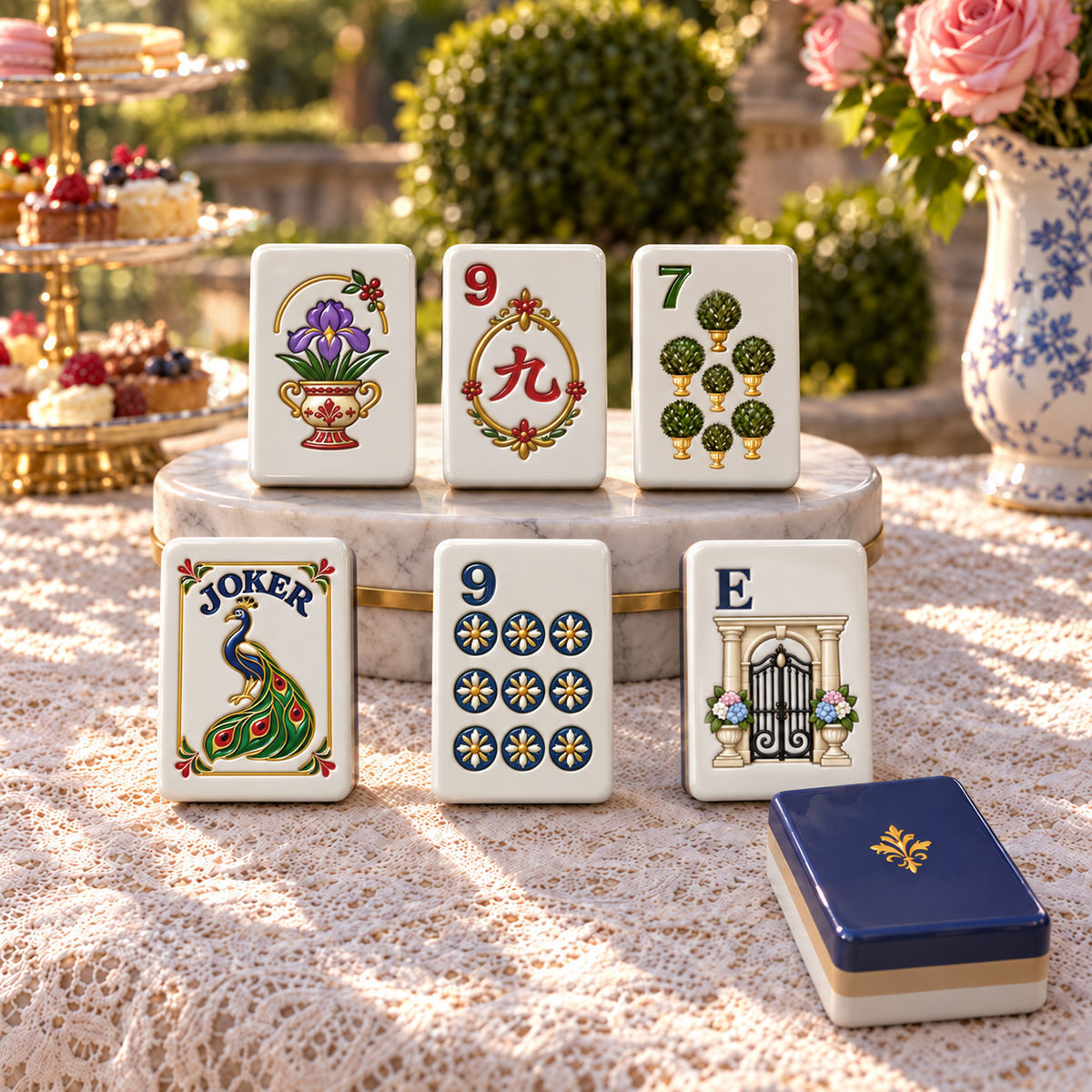
The best mahjong tiles for American play are acrylic, durable, and clearly marked so every player reads them instantly across the table. Standard American sets contain 152 playing tiles (three suits of 1–9 with four copies each, plus winds, dragons, flowers, and jokers) plus 8 jokers in play and spare tiles for replacements. Acrylic tiles hold engravings crisp through hundreds of games, stay flat on mats, and won't chip like bone or bamboo in regular home use. Quality matters: smooth surfaces, consistent weight, clear suit symbols (Bams, Craks, Dots), and readable numerals prevent misreads and slow play. Mahstead offers engraved American mahjong sets in several design styles—some with personalization—and all ship free across the US. Before ordering, verify tile size fits your hands and racks, check engraving clarity in product photos, and confirm the set includes jokers and spares so you're ready to play straight out of the box. 🀄 Shop best-selling mahjong sets →
What do experienced players prioritize in tiles?
Veterans prioritize durability, legibility, and consistency over aesthetics alone. After 50+ games a year, a set must handle shuffling, stacking, and years of table play without fading engravings or chipping edges. Acrylic wins here because it resists wear better than wood or printed cardboard. Players also want tiles that match the National Mah Jongg League standard size so they fit commercially available racks and mats—no surprises mid-game. Most crucially, the suit symbols and numerals must be readable from across a large table in variable lighting. Engravings outlast printed or painted marks; flat, matte finishes reduce glare. Jokers matter too—every set must include exactly 8 jokers in play, no shortcuts, so hands are never incomplete.

How do acrylic tiles differ from bamboo or bone?
Acrylic tiles are lighter, more uniform, and suited to frequent casual play; bamboo and bone are heavier, traditional, and preferred by purists who play infrequently or competitively. Acrylic won't swell in humidity or crack from temperature shifts the way bone can. Bamboo feels luxurious and sounds elegant when shuffled, but scratches more easily and requires careful storage. Bone develops character over decades but is fragile if dropped. For home games 1–4 times per week, acrylic is the practical choice: it lasts 10+ years, resists staining, and costs less to replace if tiles are lost. Bamboo suits collectors or tournament players who treat their sets as heirlooms. Bone is rare and expensive—most U.S. home players never own it.
🎁 See our most-loved mahjong sets & accessories →
What size tiles work best for your hands and table?
Standard American tiles measure roughly 1 inch wide, fitting hands comfortably and stacking 2–3 high on a mat without wobbling. Jumbo tiles (common in Chinese play) can be 1.25 inches or larger—easier to read from far away but harder to stack and shuffle if you have smaller hands. Verify your chosen set's exact dimensions before ordering; product pages show measurements. If you use racks with pushers, check that tile height (usually 0.75 inches) slides smoothly into rack grooves—a tile slightly thicker than spec can jam. Test fit one tile against your hand size: your fingers should grip it confidently without pinching. For a standard four-player table, standard-size tiles are ideal; they stack predictably and fit most mats.
Do you need matching sets or can tiles mix?
In casual home play, mixing tiles from two sets is fine if they're the same size and style—players won't mind. In league or tournament play, mixing is forbidden: all 152 tiles plus jokers must come from one set issued for that season. Even for casual games, matching sets are worth it: they feel cohesive, stack evenly, and signal to your group that you're serious about the game. A mismatched set—say, half acrylic, half bamboo—creates visual confusion and uneven shuffling. If you're hosting weekly games, buy one complete set from our collection rather than assembling tiles piecemeal. It's simpler, looks professional, and saves the frustration of discovering mid-game that a tile is missing or doesn't fit your racks.

What's the difference between standard and personalized engravings?
Standard engravings display traditional suit symbols and numerals in a consistent font and layout, making them instantly recognizable to any American mahjong player. Personalized engravings add names, dates, logos, or custom designs to the tile faces or backs. Personalization doesn't change gameplay—it's purely aesthetic—but transforms a set into a keepsake or group gift. Engraved tiles cost more than printed tiles because engraving is permanent and requires custom setup. Choose personalized tiles if you want to commemorate a group, celebrate an anniversary, or give a memorable gift; choose standard tiles if you prioritize durability and clarity for competitive or frequent casual play. Both hold engravings indefinitely; neither fades with proper storage.
Comparison Table: Choosing Your Tile Type
Tile Type | Best For | Durability | Cost Basis | Drawback |
Acrylic standard engrave | Weekly home games | 10+ years | Mid-range | Less heirloom feel |
Acrylic personalized engrave | Gifts, group keepsakes | 10+ years | Higher | Custom order lead time |
Bamboo traditional | Purist players, collectors | 20+ years if careful | Higher | Fragile, needs storage |
Bone vintage | Tournament/heirloom | 50+ years | Expensive | Rare, slow sourcing |
How to verify tile quality before committing
Before ordering, use this checklist:
Photo clarity: Can you read all numerals and suit symbols in the product images? Zoom in on close-ups.
Completeness: Does the listing explicitly state "152 playing tiles + 8 jokers + spare tiles"? Never assume.
Tile size: Are exact measurements in millimeters or inches listed? Standard is ~25mm (1 inch) wide.
Engraving depth: Is engaving visible in photos from multiple angles? Shallow marks fade.
Rack fit: If you own racks, check that tile height (usually 0.75 inches) is stated. Contact the maker if unsure.
Material: Confirm it's acrylic (solid color or translucent), not painted wood or resin that chips.
Returns: What's the policy if tiles arrive damaged or don't fit your equipment?
Shipping timeline: Mahstead ships free across the US; confirm arrival window for your game schedule.
✨ Find your Mahstead set — free US shipping →
Setting up your first game with new tiles
Once your tiles arrive, spend 10 minutes prepping:
Inspect all 152 tiles: Lay them out by suit and count. Verify 8 jokers are present. Check for cracks, loose engravings, or dust.
Shuffle slowly: Mix tiles gently in the center of your mat to ensure they slide smoothly—no sticking or catching.
Stack on your mat: Practice building the wall with your group so everyone sees how tiles sit and are drawn.
Load racks (if used): Slide tiles into your pushers and confirm they move freely without jamming.
Read the current National Mah Jongg League card: Tiles are useless without knowing which hand patterns are valid this season.
New tiles may feel slightly sticky or rough until the surface oils from shuffling settle in; this is normal and goes away after 5–10 games.
Real-world tips from weekly players
After hosting hundreds of games, we've learned:
Store in a cool, dry place: Acrylic expands and contracts slightly with temperature. Avoid car trunks or unheated garages.
Use a mahjong mat: Tiles slide best on a felt or rubber-backed mat, not bare wood or glass. Protects tiles and table.
Keep a spare joker: One joker will eventually go missing—have a backup to keep play flowing.
Number your set: A permanent marker dot on the back of every tile (4 sets = 4 colors of dots) prevents mixing if you own multiple sets.
Play weekly if possible: Tiles that sit for months feel different when shuffled again. Regular play keeps the surface conditioned and the feel consistent.
What you'll need:
For a complete game setup beyond tiles alone, consider mahjong mats for shuffling and wall-building, racks with pushers so players can manage their hands comfortably, and a bag or case if you transport your set between homes. Mahstead offers all three, designed to work seamlessly with acrylic tiles.

FAQ
Can I buy replacement tiles if I lose one?
Most sets are sold as complete units; individual tile replacement is rarely available. Buy a set with spare tiles included, or keep two sets so you can borrow from one if the other loses a tile. Always count your 152 before first play.
Do engraved tiles slow down shuffling?
No. Engravings sit flush on the tile surface and don't catch or snag. Acrylic tiles engraved by Mahstead shuffle as smoothly as standard tiles after one or two games when the surface settles.
What if my tiles don't fit my racks?
Check exact tile height (listed in product specs) against your rack's groove depth before ordering. Most racks accept standard 0.75-inch-tall tiles. Contact Mahstead before purchasing if your racks are vintage or non-standard.
Are acrylic tiles legal in American mahjong tournaments?
Yes, as long as they're 152 tiles matching the current National Mah Jongg League card and meet size/clarity standards. Tournament rules vary by venue; confirm with your league before competing.
How often should I replace my tiles?
With weekly play and proper storage, acrylic tiles last 10+ years. Replace only if engravings fade significantly, tiles crack, or jokers are lost and not replaced. A well-made set outlasts most players' interest in the game.


View More
View More
View More
