
Cute Mahjong Scoring Sticks: Choose Your Style & Host Like a Pro
Last updated: Nov 23, 2026
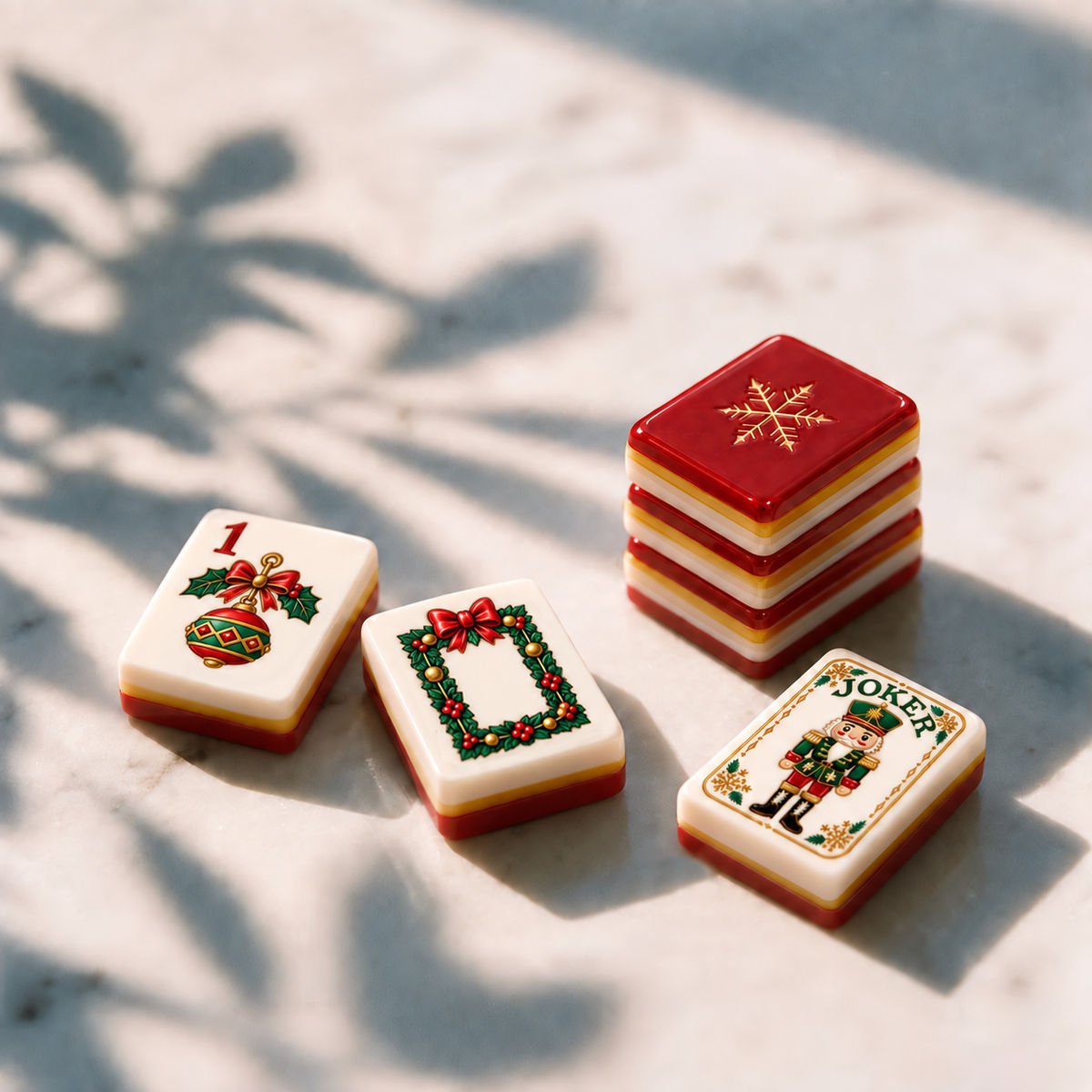
Cute mahjong scoring sticks are decorative racks that hold point markers during play—a fun upgrade from plain bamboo that adds personality to your table. American mahjong requires keeping track of scores for all four players across multiple hands, and cute sticks make that job faster and less error-prone. You'll find designs ranging from hand-painted ceramic to acrylic with laser-engraved patterns, often themed to match popular best-selling mahjong sets. A typical set holds five bamboo or wooden pegs per player (one 10,000-point marker and four 1,000-point markers), though some cute versions use colorful acrylic pegs instead. Prices vary by material and artistry; the key is choosing sticks that suit both your storage space and your table's aesthetic. Avoid flimsy pegs that jam or stick designs that don't fit standard-width racks—measure your current holder or stack before ordering new ones.
When you finish a hand of American mahjong, someone has to pay someone. That's where scoring sticks matter: they're not just pretty tokens, they're a system that keeps everyone honest and speeds up settlement.
We host weekly games, and our scoring-stick collection has taught us a lot about what separates "cute" from "actually useful." Here's what we've learned.
What makes scoring sticks "cute" in the first place?
Cute scoring sticks break from the standard plain bamboo or lacquered wood by adding personality—hand-painted designs, engraved text, bright acrylic colors, or themed artwork that matches your mahjong tiles or table. Some feature witty sayings ("Read the card!" or "Dealer rules"), animal motifs (cranes, dragons), or coordinated patterns that echo your tile set's aesthetic. The cuteness factor doesn't affect function, but it does transform your table from purely functional to Instagram-worthy, and it gives players a reason to smile when passing pegs back and forth. Cute sticks work best when the design doesn't interfere with grip—thin, sharp engravings or glossy acrylic pegs that slip out of fingers are frustrating mid-game. The sweetspot is decorative detail that stays on the stick or holder, not something that catches on clothing or a table edge. Many players find that coordinating cute sticks with an engraved American mahjong set or themed accessories creates a unified, memorable game experience.
🀄 Shop best-selling mahjong sets →

How do you pick cute sticks that actually fit your setup?
Before buying, you need three measurements: peg diameter, rack width, and number of pegs per player. Standard American mahjong uses five pegs per player (one oversized "10,000" marker and four smaller "1,000" markers). Most cute peg sets respect this standard, but some artisan designs use custom counts or nonstandard sizing. Measure the width of your existing rack or holder—if you're buying new sticks and don't yet have a holder, allow about 2–3 inches of horizontal space per player. Peg thickness matters: bamboo pegs are typically 5–6 mm in diameter, while acrylic versions range wider. If you already own racks or holders, verify they'll accept the new peg size before purchasing. Many cute stick sets come as solo pegs without a holder, so confirm whether you need to buy a holder separately. Check the product description for material (bamboo, wood, ceramic, acrylic) and whether sticks come in matched pairs or mixed colors—some players prefer uniform, others love a rainbow effect. Test a sample or buy from a seller with a clear return policy, because once you sit down with ill-fitting sticks, you can't unsit.
Cute vs. functional: what's worth the upgrade cost?
Here's an honest comparison of your main options:
Style | Material | Who it's for | Durability | Cleaning |
Plain bamboo | Bamboo | Purists, frequent travelers | 5+ years; dents easily | Wipe; prone to stains |
Hand-painted ceramic | Ceramic | Gift-givers, display-focused players | 10+ years; chips if dropped | Gentle wash; dries fast |
Engraved wood | Hardwood | Players who value durability + beauty | 7+ years; holds up to wear | Damp cloth; ages gracefully |
Colored acrylic | Acrylic | Players who prioritize fun + easy cleanup | 3–5 years; scratches show | Dishwasher-safe; stays bright |
Mixed set (ceramic + wood) | Blended | Collectors, rotating hosts | Depends on storage | Variable |
The upgrade cost between plain bamboo and cute alternatives ranges, depending on material and artistry. Ceramic and hand-painted designs cost more upfront but age beautifully and become conversation starters. Acrylic is affordable, cheery, and low-maintenance but may show wear faster in heavy rotation. Wood with engraving strikes a middle ground: it's durable, elegant, and works equally well at a casual Friday game or a formal tournament. Buy cute sticks if you host regularly (monthly or weekly) and want your table to feel special; if you play once or twice a year at a friend's house, plain bamboo is perfectly fine and easier to travel with.
🎁 See our most-loved mahjong sets & accessories →

How do cute sticks pair with your mahjong set and mat?
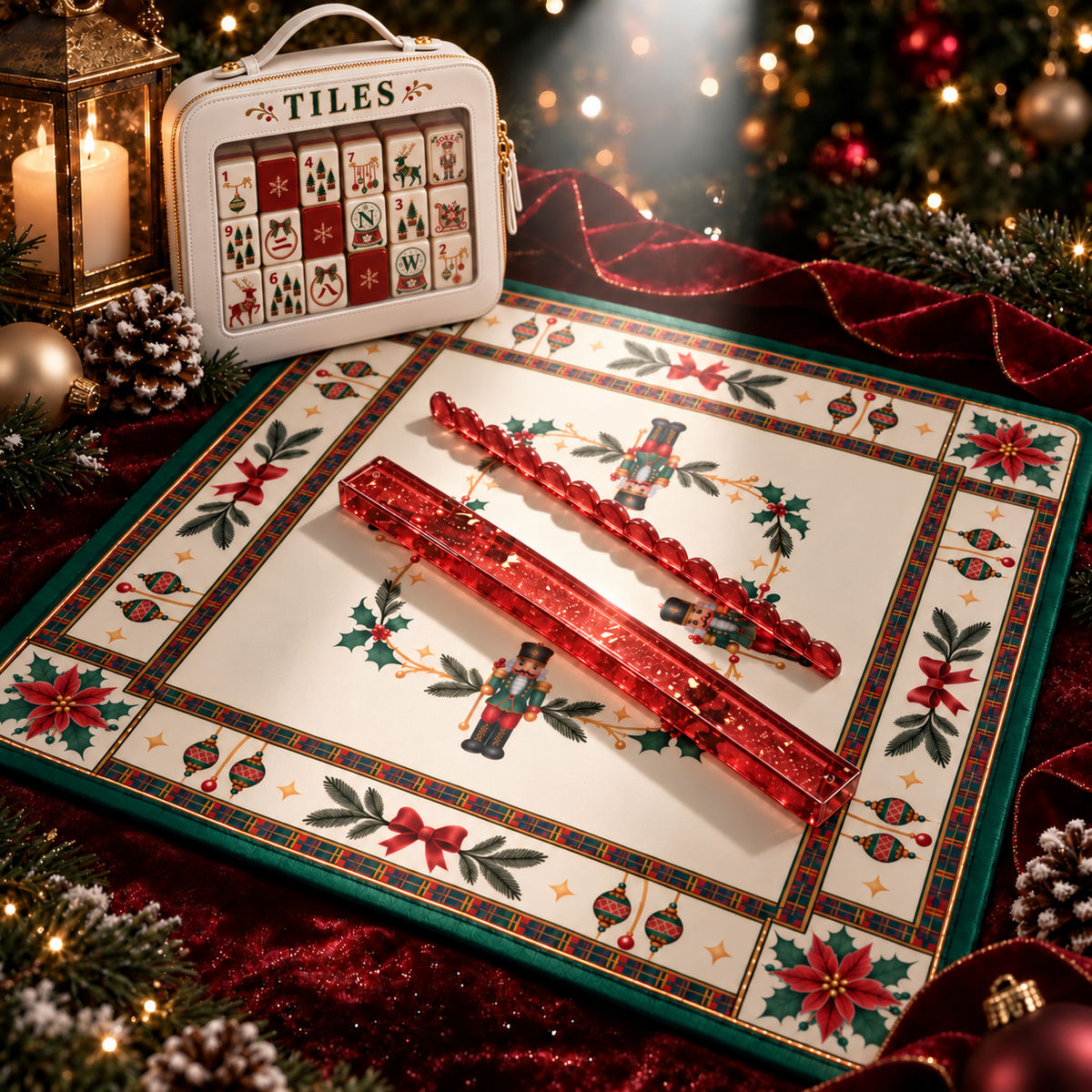
The magic happens when your scoring sticks, tiles, and mat speak the same design language. If your mahjong set features engraved bamboo or mother-of-pearl inlay, cute wooden or ceramic sticks echo that craftsmanship. If your tiles are bold acrylic with bright engravings, rainbow acrylic sticks create visual harmony. Your mahjong mat acts as the stage: a neutral felt mat pairs well with any stick style, while a patterned or themed mat guides your accessory choices toward complementary designs. Hosting a seasonal or holiday game? Holiday-themed sticks or a Christmas mahjong set with matching sticks elevates the whole evening. The key is intentionality: you don't need every piece to match, but accessories should speak to each other, not fight. Players notice these details more than you'd think—when racks, tiles, mat, and sticks are cohesive, the game feels premium and well-loved, not thrown together.
What should you check before ordering cute mahjong sticks?
Before you click "buy":
Verify peg size. Measure your existing holder or rack width. If you don't have one yet, note that standard racks are about 2–3 inches wide.
Confirm peg count. American mahjong uses five pegs per player (one 10,000-point, four 1,000-point). Confirm the set includes five distinct sizes or colors.
Check the holder. Some cute stick sets are pegs only and require you to source or already own a holder. Others bundle holder + pegs. Read the description carefully.
Material durability. If you play weekly, ceramic or wood outlasts acrylic. If you travel monthly, lightweight bamboo or acrylic beats heavy ceramic.
Inspect the finish. Glossy acrylic pegs may slip out of fingers mid-hand. Matte or textured finishes grip better. Test if possible.
Read the return policy. Cute doesn't equal perfect fit. Buy from vendors who allow returns or exchanges if sticks don't fit your setup.
Pair thoughtfully. Does the cute stick design echo your tile set, mat, or overall table aesthetic? Intentional coordination makes your setup feel complete.
✨ Find your Mahstead set — free US shipping →
When you're ready to host your next game, cute scoring sticks aren't a luxury—they're a signal that you've thought about every detail and your players matter enough to deserve a beautiful table. The right sticks make scoring faster, less fraught, and genuinely fun to look at during those long hands when someone's juggling five winning combinations.
Where do you actually buy cute mahjong scoring sticks?
Cute scoring sticks appear in specialty mahjong retailers, artisan handmade marketplaces, and online mahjong set vendors. Look for sellers who bundle sticks with complete sets, offer matching accessories, and provide clear images showing the stick design, holder fit, and peg detail. Many players find that buying sticks from the same vendor as their tiles ensures compatibility: the vendor knows their holder dimensions and can recommend sticks that fit. Check whether shipping includes free delivery and how fast items arrive if you're hosting soon. Some vendors offer bulk discounts if you're buying for a club or multiple games. Avoid sellers who don't list peg size, material, or holder compatibility—those ambiguities cause headaches when sticks arrive. At Mahstead, we design best-selling mahjong sets with hosting in mind; our team can advise which cute sticks pair with your tiles and whether you need a separate holder or mat to complete your setup. We ship free across the US, so you can order with confidence and have everything arrive ready to play.
FAQ
Can I use any cute sticks with my existing mahjong set and holder?
Not always. Peg diameter and holder width must align. Measure your current holder opening before buying; most accept 5–6 mm bamboo pegs, but some artisan sticks use thicker acrylic. Check the product description or contact the seller to confirm fit.
Do cute scoring sticks ever get in the way during play?
Only if they're bulky, slippery, or don't stack neatly in front of you. Well-designed cute sticks (wood with light engraving, matte acrylic, or ceramic) sit and pass as smoothly as plain ones. Glossy or oddly shaped pegs can jam in holders or slip from hand to hand—read reviews and test if you can.
How many sticks does a complete American mahjong scoring set include?
Five pegs per player, times four players, equals 20 pegs total—or 25 if you count a spare set. One peg is oversized (the 10,000-point marker) and four are standard (each 1,000 points). Buy a set that explicitly lists five distinct pieces or colors per player.
Are hand-painted ceramic sticks worth the extra cost?
Yes, if you host regularly or display your mahjong setup year-round. Ceramic lasts 10+ years and ages beautifully, plus it makes a premium impression on guests. For casual, occasional play or travel, bamboo or acrylic is more practical and affordable.
Can I buy cute sticks separately if I already own a mahjong set?
Absolutely. Many players upgrade their scoring sticks years after buying their tile set. Just measure your holder and verify peg size, then shop solo pegs or peg-and-holder bundles. Some vendors offer matching stick designs even if you bought tiles elsewhere.
Do cute sticks work with two- or three-player mahjong?
Yes. Two- and three-player games use the same peg system and holders; you just assign fewer scoring-stick sets to the table. The peg count and size remain identical to four-player rules.


View More
View More
View More
