
Best Mahjong Set for Kids: Safe, Fun, Age-Right Choices
Last updated: Nov 23, 2026
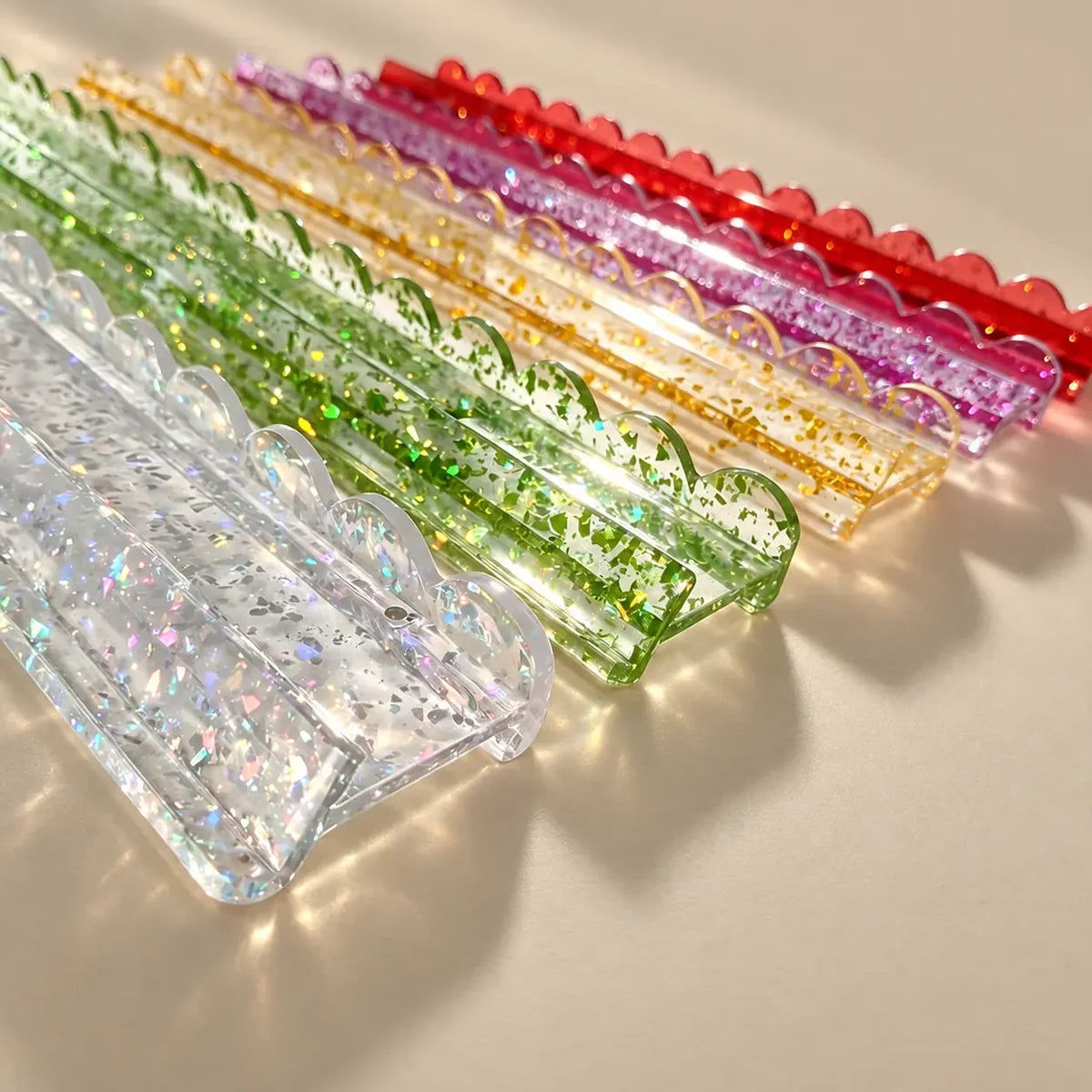
Kids can start mahjong around age 7–8 with the right equipment. Look for sets with large, clearly marked tiles (at least 3/4 inch wide), bright high-contrast designs, lightweight materials like acrylic or plastic that won't break if dropped, and fewer decorative distractions on the tile face. American mahjong sets for kids should include a beginner-friendly rack with gentle slope and no sharp edges. Avoid traditional bone-and-bamboo sets—they're fragile, heavy, and often have tiny characters hard for young eyes to read. A sturdy acrylic set with clear numerals and suit symbols in child-safe colors costs less than vintage sets and lasts through years of family play.
What tile size actually matters for young hands?
Kids aged 7–11 struggle with tiles smaller than 3/4 inch (19 mm)—they drop them, fumble during tile draws, and lose focus. Our engraved American mahjong sets come in standard American dimensions (3/4 × 1 1/2 inches), sized for small but coordinated fingers. By age 12+, standard tiles feel natural. The key: if your child can't hold three tiles comfortably in one hand or read the markings without squinting from arm's length, the set is too small.

Which material is safest: acrylic, plastic, or bone-bamboo?
Acrylic and quality plastic sets are non-toxic, don't splinter, and survive floor drops without cracking. Bone-and-bamboo sets are beautiful but chip easily and can have rough edges that catch young skin. They're also heavy—a full set weighs 3–4 pounds and exhausts small arms during a long hand. Acrylic sets weigh half that and come with racks designed for lighter loads. For kids learning the game, acrylic is the honest choice: it's durable enough for real play yet forgiving enough for the mistakes that come with learning.
How do tile markings affect learning speed?
Confusion kills a kid's willingness to play. If tiles use tiny characters, obscure color coding, or lack contrast between the suit symbol and background, children spend game time squinting instead of thinking strategy. Our best-selling sets feature bold, high-contrast suit symbols (Bams, Craks, Dots), clear Arabic numerals, and distinct colors that don't blend. Younger players also benefit from sets with minimal decorative artwork on the tile face—every extra detail is a distraction.
Should you teach kids American or a simpler variant first?
American mahjong uses the official National Mah Jongg League card (updated yearly) and has strict rules: no chows (sequences), only exposed pungs (3 identical tiles), kongs (4 identical), and the Charleston (tile-passing ritual). This is harder than casual play but teaches discipline. Simplified house rules (no card, looser winning hands) let kids grasp tile combinations and turn-taking first. Most families we host games with start kids on simplified play around age 7–8, introduce the card and American rules by age 10–11, and they're ready for league-style play by their teens. The gear doesn't change—just the hand requirements.

What complete setup costs the least and works best for a family?
Setup | Who It's For | What You Get | Why It Works |
Basic acrylic set + mats | Ages 7–11, casual home play | Set, 2 mats, no rack | Simple, durable, easy storage. Tiles rest on mat surface—no fancy equipment. |
Set + racks + bag | Ages 10+, weekly games | Set, 2 racks, travel bag | Racks teach proper tile management. Bag protects during transport. Ready for league-style play. |
Engraved set + mat + case | Family keepsake, special gift | Personalized tiles, mat, protective case | Lasts decades. Personalization makes kids feel "adult" and invested in learning. |
For most families, a best-selling acrylic set with a mat is the entry point—no extra cost, all the learning value. Add racks with pushers once your child is ready for real games (around age 11). If this is a gift for a child who'll keep it into adulthood, our engraved collections let you add their name or a joke—it transforms a learning tool into a heirloom.
🀄 Shop best-selling mahjong sets →
What to check before you buy
Tile dimensions: Measure or compare photos side-by-side. Hold a quarter (0.955 inches) next to the listing image—tiles should be similar width or slightly wider.
Suit markings: Can you read "Bam," "Crak," "Dot" and the numerals from 2 feet away? If not, skip it.
Weight and feel: Ask the retailer if they ship sample tiles or accept returns if the set feels awkward in small hands. Don't buy unseen if it's a gift and the child is under 10.
Racks included?: Kids aged 7–9 can play without racks (tiles rest on a mat). By age 10+, they should learn proper hand management with a rack. Check if your set includes them; if not, budget for adding a pair later.
Bag or case?: If the set will move between homes (grandparent's house, a friend's place, tournaments), a travel bag or case prevents tile loss and damage. Loose tiles in a shoebox invite spills.
Material durability: Acrylic won't yellow or cloud over years of play. Plastic can fade. Bone-bamboo requires careful handling your child won't have yet. Choose acrylic for worry-free play.
🎁 See our most-loved mahjong sets & accessories →
Common mistakes parents make when buying for kids
Buying vintage or antique sets thinking "real" gear improves learning. Old bone-bamboo sets are beautiful but intimidate young players and break if mishandled. They also carry lead paint risk (pre-1970s especially). New acrylic sets feel "real" to kids and are actually safer.
Choosing sets with too many decorative designs. A tile with a painted landscape or ornate border looks impressive in a store photo but confuses kids who are still learning which tile is which. Clarity beats art at this stage.
Underestimating the mat. Kids need a soft, stable surface to draw and manage tiles. A bare table or carpet causes fumbles. A simple mat costs little and cuts frustration in half.
Skipping the National Mah Jongg League card. If you're teaching American mahjong (not casual play), buy the current year's card. Hands on the card are the only legal hands; without it, kids can't move to real games with peers or leagues.
✨ Find your Mahstead set — free US shipping →

FAQ
What's the minimum age to teach American mahjong?
Most kids grasp tile recognition and turn-taking by age 7–8. The National Mah Jongg League card (required for official play) requires reading numerals and pattern-matching, best suited to ages 9+. Start younger kids with simplified house rules, upgrade to official rules once they read fluently.
Do kids need jokers if we're playing casually?
Casual play can skip jokers entirely. Official American mahjong uses 8 jokers (part of a 160-tile set). Jokers substitute for any tile you need to complete a hand. If you're teaching league rules, they're essential; for learning, tiles alone work fine first.
Can a kid use the same set as adults in our weekly game?
Yes, if the set has standard American tile size (3/4 × 1 1/2 inches). The child just needs a smaller or adjustable rack. Racks with pushers come in fixed height; some kids aged 8–10 find standard racks awkward initially, but by 11+ they adapt. Test the fit before committing to a big set.
How long does an acrylic set last with heavy kid play?
Acrylic tiles rarely chip or crack under normal use (drops, shuffling, storage). We've seen sets survive 5+ years of weekly family games. Jokers wear faster (they're handled more), but the tile deck itself lasts decades if not dropped repeatedly from height or stepped on.
Should I buy a personalized/engraved set for a child?
Only if the child is at least 11 and has shown sustained interest in mahjong. Younger kids sometimes lose interest; an engraved set they've outgrown becomes sentimental clutter. For ages 7–10, a standard set is safer financially. If it's a 13+ teen, engraving is a meaningful keepsake and motivates serious play.
What if my kid finds the tiles too heavy or the rack too tall?
Standard American tiles are designed for adult hands; lightweight acrylic sets are the lightest option. Racks are fixed height (roughly 2 inches). Kids under age 10 may tire faster—shorten play sessions to 20–30 minutes, or let them rest tiles on a mat instead of a rack until they're older. This is normal and passes.


View More
View More
View More
