
Best Mahjong Set for Homeschoolers: Compare, Choose, Play
Last updated: Nov 23, 2026
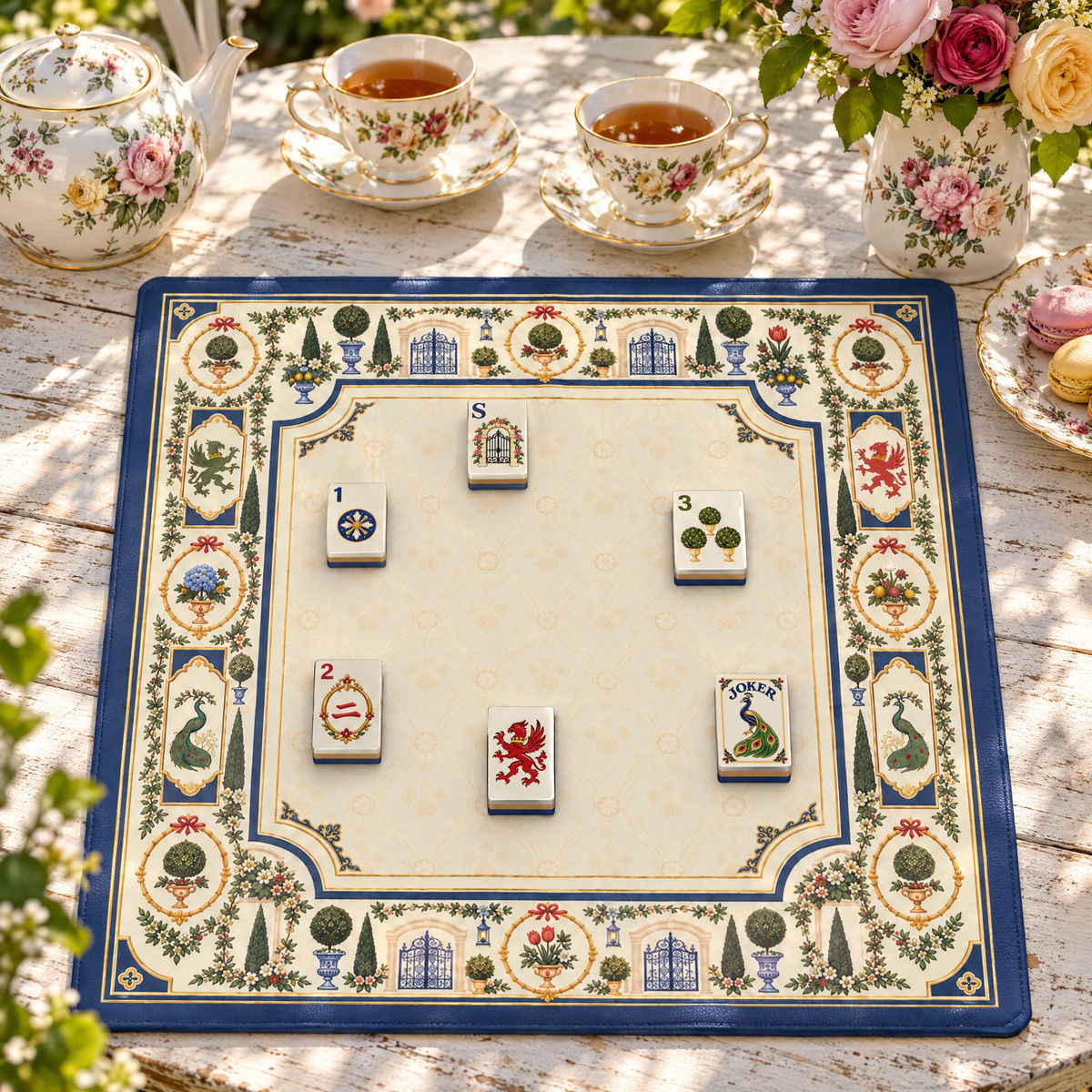
A homeschool mahjong set needs durability, clear tile markings, and teaching-friendly accessories—typically an acrylic set with a mat, racks, and a current-year National Mah Jongg League card. Most homeschool families start with a quality set from our best-selling collection, which pairs 160 tiles (152 playing plus spares) with engraved or printed designs that survive years of weekly games. Acrylic tiles last longer than bamboo under heavy use; a mat protects both tiles and table. Budget for the set, mat, racks with pushers, and the annual card; total investment is modest but matters for learning retention and family participation. Avoid cheap plastic sets with worn designs—tile clarity matters for beginners reading suits and numbers under game pressure. Mahstead sets ship ready to teach: no assembly, no guessing which tiles you're holding.
A homeschool mahjong program teaches pattern recognition, probability, teamwork, and cultural history in one game. The right set makes or breaks the experience.
Why acrylic beats other materials for homeschool play?
Acrylic tiles endure 52 weeks of weekly games, shuffling, and young hands grabbing tiles fast. Bamboo cracks when dropped on hardwood; plastic warps under sunlight. Acrylic stays legible—engraved designs don't fade or rub off after two seasons. The weight feels substantial enough that tiles stack cleanly on racks, so beginners don't fumble mid-game. Since homeschools often teach 4–12 players in rotation (some games, some as scorekeepers), durability compounds; one broken tile means you can't play until you replace it. Acrylic also cleans easily—a quick wipe removes dust and keeps the design sharp through March tournaments or end-of-year game days. For families hosting weekly games, acrylic is a one-time investment that pays for itself.
What's the difference between engraved and printed tiles?
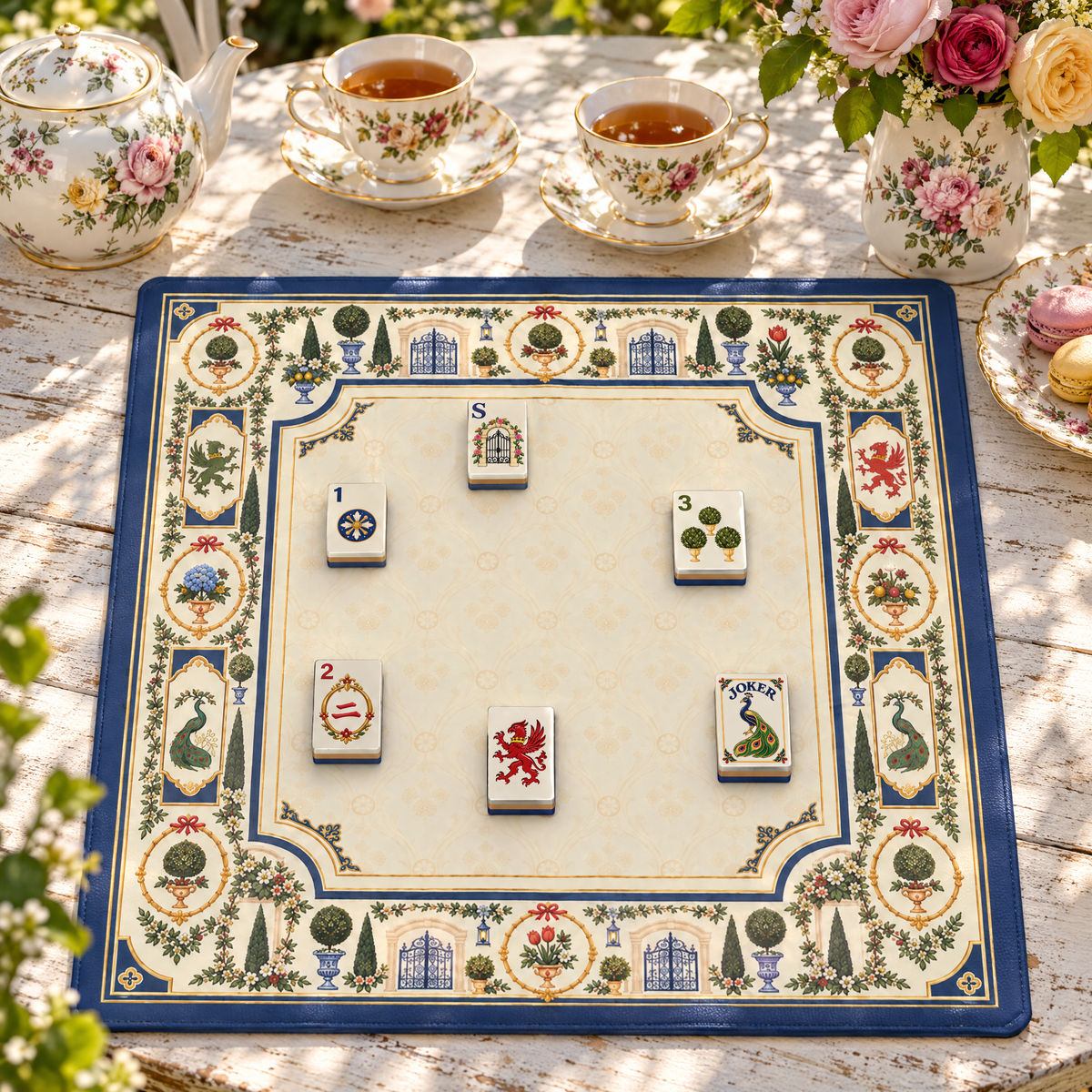
Engraved designs are routed into each acrylic tile, so the pattern sits below the surface and never wears away. Printed designs sit on top and can fade after 100+ shuffles. For homeschoolers, engraving matters because students pick up tiles dozens of times per game and the art stays crisp year after year. Engraved sets cost slightly more upfront but outlast printed ones in a teaching context. If you're rotating four games a week with three tables, you'll feel the difference by autumn. Our engraved American mahjong sets include options for custom school names, family mottos, or just clean classic designs—the engraving doesn't change gameplay but makes the set a keepsake. Printed sets work for casual once-a-month play, but homeschools run hotter than that.
🀄 Shop best-selling mahjong sets →
Should you buy a mat, or use what's at home?
A dedicated mat keeps tiles from sliding, muffles shuffle noise, and marks each player's zone so tiles don't get tangled mid-game. Homeschool tables are often shared—lunch tables, folding desks, kitchen counters—so a mat creates a stable, consistent play surface regardless of table quality. Without a mat, tiles shift during the Charleston (the tile-passing ritual), slowing down beginners who already move slow. A mat also protects your table from scratches and teaches spatial discipline; students learn to respect the game's space. For a homeschool setting with multiple games running, one mat per table is essential. How to choose a mahjong mat gives specifics, but for homeschools: pick a mat large enough for 144 tile displays (roughly 35–40 inches square) and durable enough to roll and unroll without tearing. Most homeschools keep a mat rolled in a closet or cabinet, so weight matters—lighter is easier for students to deploy.
What about racks with pushers—necessary or luxury?
Racks are not luxury for homeschoolers; they're essential. Without racks, beginners can't conceal their hand from other players, and the game becomes useless as a learning tool. Racks also solve the "my tiles keep falling" problem that derails young players' focus. A pusher (the small stick) lets students tidy their hand without picking tiles up—keeping hands hidden while organized. For a homeschool with rotating students of different ages (say, 8–16), racks let younger players compete fairly because they can't accidentally show their hand. Most mahjong racks with pushers fit four players; buy one set if you're teaching four at a time, or two sets if you want to run two tables in parallel. Racks are inexpensive compared to the set and mat, so include them in your budget from the start.

How to pick a set for mixed ages and skill levels?
Homeschool students span years and attention spans, so your set must accommodate both fast players and careful beginners. Here's what matters:
Tile size & weight: Larger tiles (roughly 1 inch square) suit younger hands; they're easier to grab and less likely to slip. Smaller tiles suit advanced teens who play fast. Acrylic tiles weigh enough to feel real but not so heavy that 8-year-olds tire holding 14.
Clarity of design: Print every number AND suit symbol clearly. Beginners read "5 Bam" slowly; if the design is tiny or faded, they'll hesitate and frustrate. Engraved tiles ensure legibility survives the season.
Joker count: The standard American set contains 152 playing tiles plus 8 jokers. Your set should include 160 tiles total, so you have spares if one joker gets lost or damaged mid-year. (Learn more about how jokers work in American mahjong if this is new.)
Card clarity: The annual National Mah Jongg League card is your homeschool's textbook. Print it in color and laminate it so students mark hands without fear of wear. How to read the mahjong card explains the layout.
Set Type | Best For | Why It Works | Durability |
Acrylic engraved | Homeschools, weekly games | Designs last years; tiles feel premium | 3+ seasons |
Acrylic printed | Casual families, light use | Lower cost, still playable | 1–2 seasons |
Bamboo/bone | Collectors, display | Beautiful but fragile | Poor under heavy use |
Plastic | Budget beginners | Cheap, breaks quickly | < 1 season |
What to check before you buy
Count: Is it 160 tiles (152 playing + 8 spares)? Never buy a set smaller than 152 or you can't play a full game.
Engraving vs. print: If you'll play weekly, engraved holds up. Printed works for monthly games.
Tile size & feel: Order a trial set from our best-selling collection or ask the seller for dimensions. Smaller tiles suit older kids; larger suit younger ones.
Included accessories: Does it come with a mat, racks, and pushers? If not, budget separately for those; a mat alone prevents 90% of beginner frustrations.
Storage: Does it come with a bag or case? Homeschools need transport; tiles loose in a box get lost. Our mahjong bags and cases guide explains what fits.
Color & design: Avoid sets with tiny tile designs or low-contrast colors. Pick one that looks crisp on a photo; if it looks dull on screen, it'll look worse in person.
🎁 See our most-loved mahjong sets & accessories →
Real homeschool setup: a worked example
You're teaching five homeschool students (ages 10–14) for a semester. Here's what you need:
One acrylic 160-tile set from our best-selling collection. Acrylic withstands the shuffle-and-play cycle twice weekly for 16 weeks.
One mat (35–40 inches square). All five students share one table; one mat anchors the game.
One rack set with pushers (four racks, four pushers). Keeps hands secret and tiles tidy.
One laminated current-year National Mah Jongg League card (printed from the League's website). Students learn hands by number and pattern, not memorization.
One small bag or case to transport tiles and mat to the co-op or classroom.
Cost per student is low; the set is the largest expense. By week four, students move from "what's a pung?" to calling wins confidently. By week twelve, they're teaching younger siblings. By semester end, they understand probability and strategy deeply—all because the set was clear and durable enough to survive repeated play.
✨ Find your Mahstead set — free US shipping →

FAQ
Can we use a 144-tile set for homeschool, or do we need 152?
You need 152 playing tiles minimum. American mahjong requires exactly 152 tiles to play a legal game (108 suited tiles, 16 winds, 12 dragons, 8 flowers, 8 jokers). A 144-tile set is missing tiles and won't work. Buy 160-tile sets only; the extra 8 are spares.
How often do we need to replace tiles or the whole set?
Acrylic sets last 3+ seasons under weekly play if tiles are clean and stored properly. Individual tiles rarely break; if one joker is lost, a spare replaces it. A homeschool shouldn't need a new set mid-year if it buys quality upfront. Replace the annual National Mah Jongg League card each spring when the new one releases.
Can younger kids (age 8–9) learn on the same set as teenagers?
Yes, if the set has large, clear tiles. Racks and pushers level the playing field—younger kids can't see older kids' hands, so skill difference is only strategy, not advantage. Start younger players with simpler hand patterns from the card and rotate who goes first each round to keep morale even.
Do we need separate sets for each table if we're teaching multiple groups?
No, if you teach one group at a time. If you run two tables in parallel, buy two sets so both games flow. One mat and one rack set per table; the sets themselves are the expensive item, so plan accordingly.
Should we buy Christmas or holiday-themed sets, or stick with classic designs?
Either works. Classic designs are more durable long-term and feel "official." Holiday themes are fun for spring tournaments or end-of-year celebrations. If you're choosing one set for a full year of teaching, pick a design you and your students will enjoy seeing 50+ times. Check our Christmas mahjong sets for seasonal options, or stick with classic.
What's the best way to teach beginners using the set before we play?
Start with mahjong for beginners to learn rules. Then shuffle tiles facedown (no game) and have students pick random tiles, name the suit (Bam, Crak, Dot, wind, dragon, flower), and say the number. Spend 10 minutes on this; it trains tile literacy fast. Next, play a practice round where everyone's hand is visible so they see patterns. By round two or three, they're ready to play blind.


View More
View More
View More
