
Best Mahjong Set for Absolute Beginners: How to Choose
Last updated: Nov 23, 2026
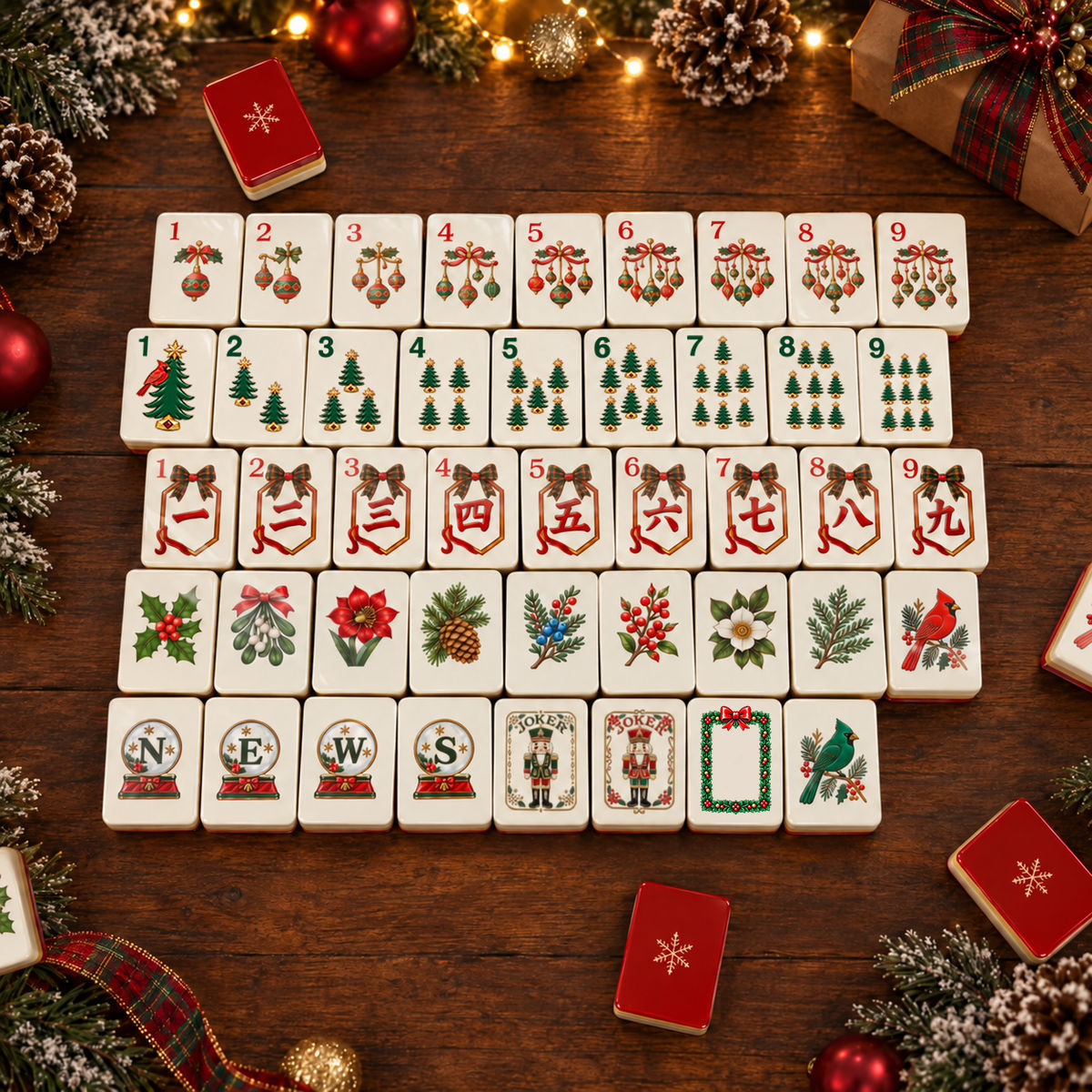
A beginner mahjong set must have clear, readable tiles; sturdy racks that don't tip; and durable jokers. American mahjong uses exactly 152 tiles (36 per suit, 16 winds, 12 dragons, 8 flowers) plus 8 jokers—all enclosed in one organized set. Most beginners should buy a 160-tile acrylic set with engraved or bright-colored suits to spot Bams, Craks, and Dots instantly. Avoid paper or bone tiles: they're fragile, tiles slip from racks, and you'll resent replacing broken ones after two games. Check the product page for photos of the tile surface, racks, and storage bag; if tiles look tiny or matte in images, they're hard to read at a real table. Mahstead's best-selling acrylic sets include clear engravings, rack sets with pushers, and bags—everything you need without hunting multiple brands.
Why acrylic beats bone and paper for new players?
Acrylic tiles don't crack when stacked, racks grip them without scratches, and jokers stay readable after hundreds of shuffles. Bone tiles look traditional but chip easily; paper wears and fades within a season. We've watched new players abandon the game after a tile breaks mid-game on a cheap bone set—the frustration isn't worth it. Start with acrylic, play for a year, then consider vintage bone if you fall in love with the ritual. Acrylic is the safe, reliable choice for your learning phase.
🀄 Shop best-selling mahjong sets →

What tile size and weight should you pick?
Mahjong tiles range from small (¾ inch) to large (1 inch). Small tiles suit travel; large tiles suit aging eyes and game nights at a dining table. Weight matters: light tiles slide too easily during shuffling; heavy ones (acrylic or clay-filled) stay put when you push them into your rack. For a beginner hosting weekly games at home, choose medium-to-large acrylic tiles (typically around 0.9–1 inch per tile side) with racks included. A full set weighs 2–3 pounds when packed—easy to transport, heavy enough to feel solid in play. If you play at someone else's home every week, prioritize a set with a storage bag so transport is seamless; if the set lives on your table, weight is less critical.
Does the tile design really matter for learning?
Yes—if you can't instantly distinguish the three suits while calling hands, you'll slow down the table and miss learning moments. What's in an American mahjong set explains the full breakdown, but for beginners: Bams show bamboo stalks, Craks show coins, Dots show circles. Choose a set where those symbols are crisp and high-contrast (dark engraving on light tile, or bright color on white). Avoid sets where the engravings are faint or crowded. Colored-tile sets (e.g., red dragons, green dragons, white dragons in distinctly different hues) help you move faster—one less step between reading the tile and placing it in your hand. Examine product photos closely: if you squint, so will you at the table.
🎁 See our most-loved mahjong sets & accessories →
What else must come in the box?
The core checklist:
Tiles: 160 total (152 play + spares), counted and organized by suit.
Racks: Four racks with pushers so you can manage your 13 tiles without dropping them. Pushers prevent tiles from sliding during play.
Dice: Three dice to determine seating and who draws first.
Jokers: Eight jokers, clearly marked, included in the 160-tile count.
Storage bag or case: Protects tiles from dust and breakage in transit.
Reference card or quick guide (optional but helpful): reminds you of Charleston sequences and basic rules during your first month.
Many beginner sets skip the pushers—don't accept that. Pushers prevent accidental tile exposure and reduce anxiety for new players. A mat is optional at first but becomes essential once you host regular games; how to choose a mahjong mat walks you through that decision later.

Beginner set comparison: What goes where?
Feature | Acrylic Engraved | Acrylic Colored | Bamboo/Bone (not recommended) |
Durability | Excellent, lasts 5+ years | Excellent, lasts 5+ years | Chips after 1–2 years |
Readability | High (engraved symbols clear) | Very high (color + symbol) | Moderate (small, traditional) |
Beginner-friendly | Yes | Yes | No (fragile, intimidating) |
Rack grip | Secure, tiles stay put | Secure, tiles stay put | Slippery, tiles pop out |
Storage bag included | Usually yes | Usually yes | Varies—often sold separately |
Racks + pushers | Usually included | Usually included | Often sold separately |
Cost basis | Standard entry | Premium entry | High, but not recommended |
Best for | Budget-conscious learners | Enthusiastic learners | Collectors only |
The takeaway: start with acrylic engraved or colored, skip bone until you've played 50+ games.
What to check before you order
Tile photos: Open the product page and zoom in. Can you read the Bam, Crak, and Dot symbols clearly? If the photo is low-res or tiles look flat, ask the seller for a close-up or pass.
Rack visibility: Do the four racks appear sturdy and have visible pushers? Thin plastic racks bend after two months.
Bag durability: Is it a padded bag, soft case, or hard case? Beginners benefit from at least a thick-walled soft case to survive car travel.
Complete count: Does the product description state "160 tiles" or "152 playing tiles + spares"? Anything less is incomplete for American mahjong.
Dice and joker markers: Confirm three dice and eight jokers are listed. Don't assume.
Return or exchange policy: Buy from a seller that lets you exchange tiles or racks if something arrives broken. Shipping damage happens; the seller's willingness to help matters more than the initial price.
✨ Find your Mahstead set — free US shipping →
A framework for your first purchase
Ask yourself:
Do I play weekly at home? → Pick a set with a mat-ready size (standard acrylic) and a padded bag.
Do I play at other homes? → Prioritize a portable storage case and light-to-medium weight.
Am I colorblind or have vision challenges? → Choose a colored-tile set (not engraved-only) and ensure tiles are large.
Do I want a gift-worthy appearance? → Look at engraved American mahjong sets with custom names or designs; they impress on a shelf and at the table.
Do I have a tight budget? → Buy the plainest acrylic set with all core components; you can upgrade later.
Most beginners thrive with a best-selling acrylic set, racks with pushers, and a basic bag. That combo costs less than a dinner out, ships free across the US, and will carry you through your first year. Upgrade to a premium mat, a second set for color variety, or racks with pushers in a different style once you're hosting monthly games.
FAQ
Can I learn American mahjong with a cheap set?
Not comfortably. Flimsy tiles, missing pushers, and faint engravings frustrate new players and slow learning. Invest $50–$80 in a proper set; the difference in experience is night-and-day.
Is a 144-tile set okay for beginners?
No. American mahjong requires exactly 152 tiles in play. A 144-tile set is a different variant and won't match the National Mah Jongg League card you use to call hands. Always buy 152 tiles (or a 160-tile set with spares).
Do I need a mat right away?
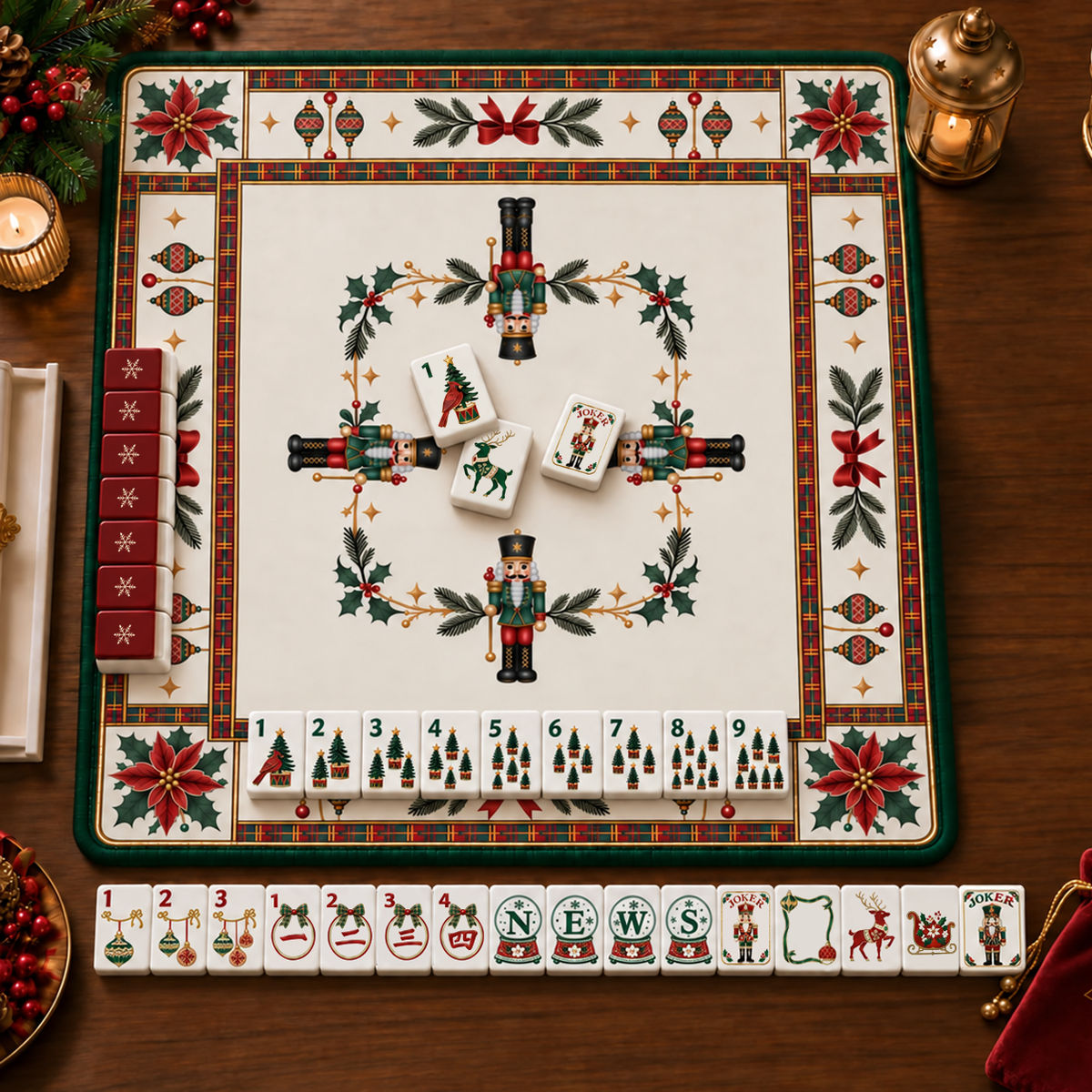
Not required to start, but highly recommended after your first month. A mat protects your table, makes the game feel official, and helps tiles sit securely. See our mahjong mats collection once you're ready.
What's the difference between pushers and racks?
Racks hold your 13 tiles; pushers are small sticks that attach to racks to keep tiles from sliding. Together, they prevent accidental exposure and hand fatigue. Any beginner set worth buying includes both.
Should I buy extra jokers?
American mahjong comes with eight jokers as standard. You don't need extras until you've played for years and want a backup set. Start with one complete set.
How do I know if a set includes "free shipping"?
Check the product page—the seller will note shipping terms. Mahstead includes free shipping across the US on all sets.
Can I upgrade individual tiles later?
Most acrylic sets are modular: you can order extra Bams, Craks, or Dragons if a tile breaks years later. Ask the seller about spare-tile availability before buying, especially if durability concerns you.
What if tiles arrive broken?
Contact the seller immediately with photos. Reputable sellers replace broken tiles or accept returns within 30 days. Always buy from a seller with a clear return or replacement policy.


View More
View More
View More
