
Best Mahjong Scoring Sticks: Compare Types and Pick Yours
Last updated: Nov 23, 2026
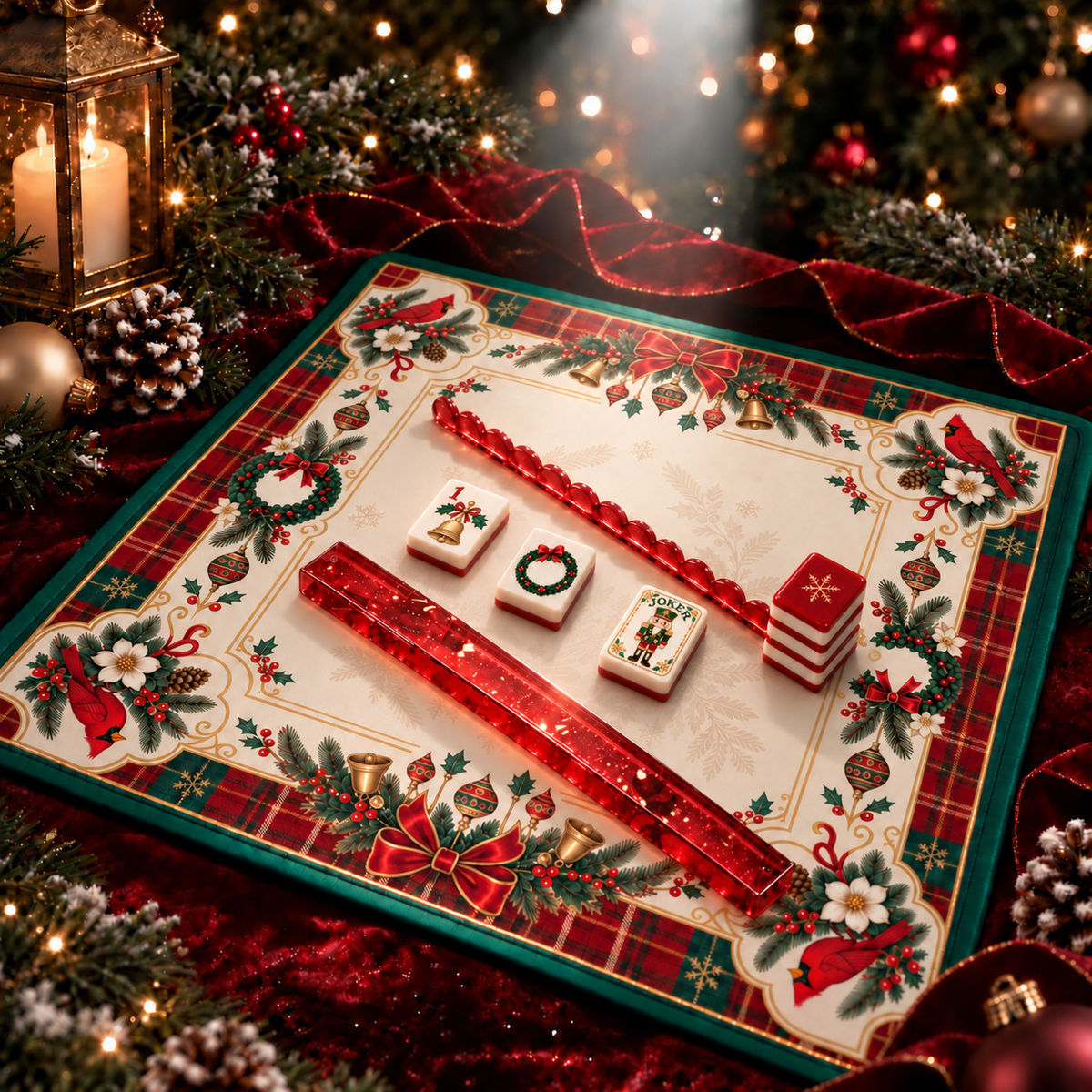
Scoring sticks are plastic or bamboo rods used in American mahjong to track and display each player's points during and after the hand. A standard set includes four colors (one per player direction: North, East, South, West), with denominations stamped or carved to represent point values—typically 5-stick, 10-stick, 20-stick, and 100-stick increments. A complete setup costs varies depending on material and design; we stock options from our best-selling mahjong sets collection that pair sticks with tiles and mats. Most games use sticks throughout the entire session, so durability and readability matter. Avoid flimsy plastic that cracks under pressure or sticks so small they're hard to handle; test visibility and weight before ordering if scoring speed matters to your group.
Scoring sticks are the unsung heroes of every American mahjong table. You grab them, stack them, trade them—and they quietly keep your game honest. After hundreds of hands across Dallas living rooms and tournament halls, we've learned what makes a scoring stick setup last through seasons of play and which ones vanish into junk drawers after two games.
The key is matching your sticks to how you actually play: casual weekly games demand something durable but forgiving; tournament or league play needs speed and clarity; and gifting to a new player requires both appeal and teachability. Here's how we pick—and how you should too.
What sizes and denominations do scoring sticks come in?
American mahjong scoring sticks come in two main formats: standard 40-stick sets (10 sticks per player in four denominations) and compact 32-stick sets (8 per player). The denominations are always 5, 10, 20, and 100 (sometimes called 1-unit, 2-unit, 4-unit, and 20-unit). Standard sticks measure roughly 3–3.5 inches long; compact versions run 2.5–3 inches. Longer sticks are easier to grab and stack; shorter ones fit travel bags and small tables. Most home players prefer standard length for comfort and visibility during active trading.
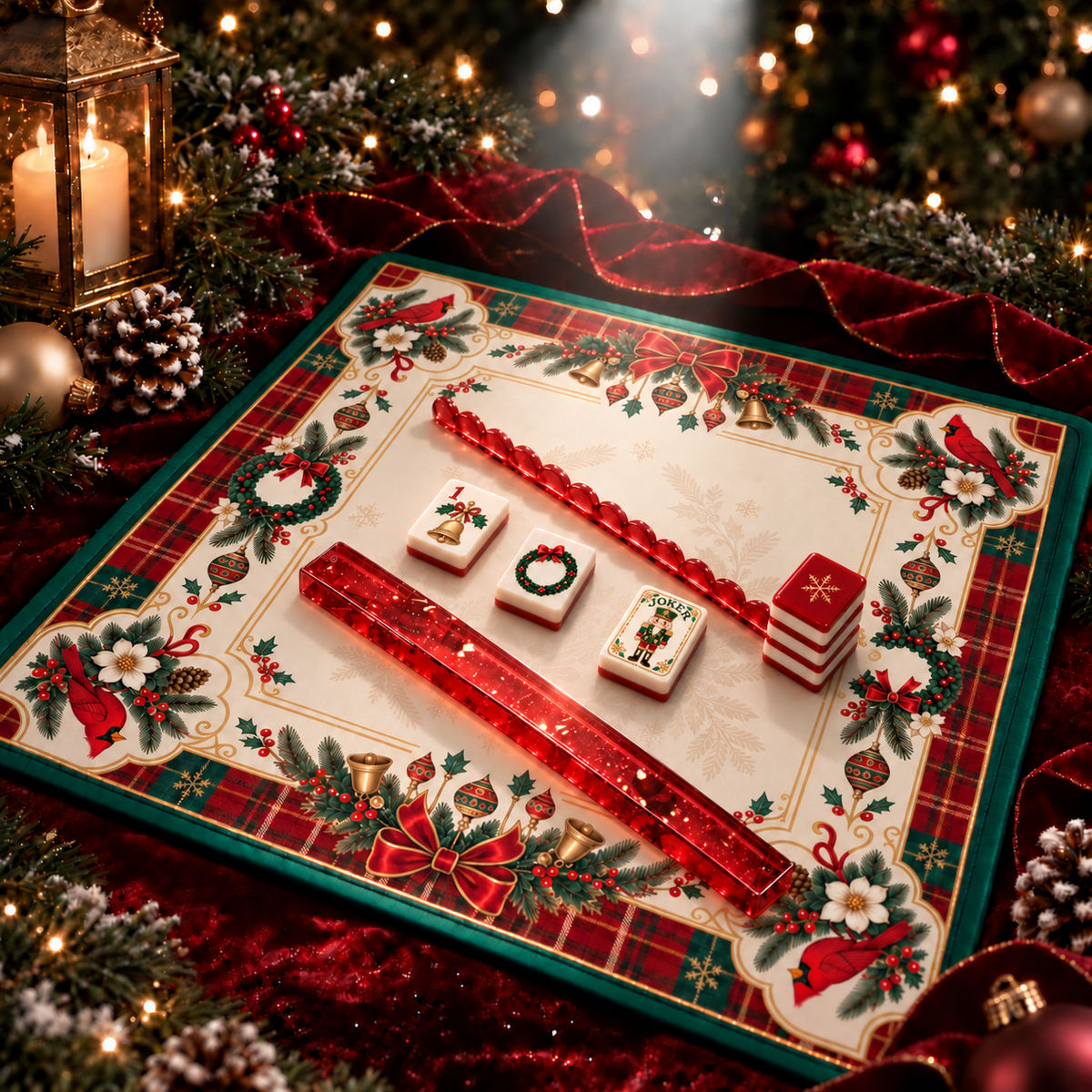
Plastic vs. bamboo: which material wins?
Plastic sticks (acrylic or molded resin) are lightweight, colorfast, and nearly indestructible. They don't absorb moisture, stack consistently, and cost less to manufacture. Readability depends on engraving depth and contrast—cheap plastic with shallow stamps fades after a few dozen games.
Bamboo sticks are traditional, warm to the touch, and prized by serious players for their authenticity. They age beautifully but can warp in humid rooms, splinter if dropped hard, and require occasional light sealing to stay legible. Bamboo sticks also cost more upfront.
Our pick: For weekly home games and beginners, plastic wins. For collectors, gifts to experienced players, or humid climates, bamboo justifies the investment.
🀄 Shop best-selling mahjong sets →
How do color coding and engraving affect usability?
Each player needs to recognize their own sticks instantly—especially during rapid scoring rounds where seconds count. The four colors (typically red/green/blue/white, or sometimes yellow/black/red/white) must be visually distinct under table lighting. Engraving style matters equally: raised numerals catch light and stay readable longer than inked or shallow-cut marks.
Sticks with both color and large, high-contrast numerals reduce scoring errors. We've seen games stall for 30 seconds while players squint at worn labels—a small detail that compounds over a season. Matte finishes reduce glare; glossy finishes reflect ceiling lights, which can hinder readability during afternoon games.
Red flag: Sticks sold in sets where one color is nearly identical to another (e.g., two shades of blue) cause mix-ups during high-speed play.
Scoring stick costs: what determines price?
Stick Type | Material | Best For | Key Trade-Off |
Budget plastic set | Molded resin, standard size | Beginners, casual groups | Engraving fades; colors may be close |
Mid-range plastic | Acrylic, clear colors, deep engrave | Weekly players, most homes | Higher initial cost offset by longevity |
Premium bamboo | Hand-sorted, sealed, precise numerals | Experienced players, collectors | Humidity sensitivity; higher price |
Compact travel set | Plastic or bamboo, 2.5–3 inches | Small tables, bags, on-the-go | Harder to handle for players with arthritis |
Price driver: Durability of engraving and material quality matter far more than brand name. A mid-range acrylic set outlasts a cheap bamboo set by years in a home environment.

Should you buy sticks separately or as part of a set?
Standalone scoring sticks are rare; most players acquire them bundled with a mahjong set. Buying separately makes sense only if you already own tiles and need a replacement set—perhaps because colors faded or one stick cracked. Bundled sets ensure color coordination and save money; you'll also get a mat and rack designed to complement the sticks' aesthetic.
For gifts or starting a new game group from scratch, engraved American mahjong sets with scoring sticks included create a cohesive first impression and eliminate guesswork. A player who receives a mismatched or poorly engraved stick set may struggle to stay engaged.
🎁 See our most-loved mahjong sets & accessories →
What to check before you buy
Before ordering scoring sticks—whether as part of a set or standalone—verify these four details:
Engraving depth and contrast: Request photos or sample images. Shallow engravings wear flat within one season; deep cuts stay legible for years. Light-colored numerals on dark sticks (or vice versa) prevent squinting.
Color distinctness under your table lighting: If you play under warm (amber) bulbs, cool fluorescent, or natural daylight, test how well the four colors separate. Reds and oranges blend under some lights; online photos may not reflect your actual room.
Stick length and hand comfort: If your group includes players with arthritis or smaller hands, compact sticks may be gentler. Standard sticks suit most home games; handle a sample if possible before committing to a set.
Material durability in your climate: Plastic withstands humidity, dust, and temperature swings. Bamboo requires a stable, moderate-humidity environment (roughly 40–60% RH) to prevent warping. If you play year-round in a humid basement or garage, plastic is safer.
Spares included: Check whether the set includes extra sticks as backups. A single lost or cracked stick can derail a game if you can't replace it quickly.
Common mistakes we've seen (and how to avoid them)
Mistake 1: Buying sticks in colors you can't distinguish. We once had a player show up with red and orange sticks meant for a different game—15 minutes of the game was spent arguing whose sticks were whose. Fix: Confirm four clearly distinct colors before checkout.
Mistake 2: Ordering without measuring your storage space. Sticks come in boxes; if your mahjong bag is already full with tiles, mat, and rack, a bulky stick set won't fit. Fix: Check the bag and case dimensions against the product specs; consider travel bag options if you need compact storage.
Mistake 3: Choosing sticks based on style alone, ignoring engraving legibility. A beautifully carved bamboo stick set is worthless if numerals fade after five games. Fix: Prioritize durability and readability; aesthetics come second.
Mistake 4: Mixing sticks from different sets. Engraving depths, colors, and sizes vary between manufacturers. Fix: Keep each set intact; buy replacements from the same source if one stick breaks.
Mistake 5: Storing sticks in humid or temperature-volatile spaces. Plastic expands and contracts; bamboo warps. We've seen sticks split after a winter in an unheated garage. Fix: Store in a climate-controlled closet or drawer, ideally inside a bag or case.
✨ Find your Mahstead set — free US shipping →
The scoring stick that fits your group
If you host weekly games with steady players who value consistency and speed, a mid-range acrylic set with large, high-contrast numerals is your best bet. They're indestructible, affordable, and require zero maintenance.
If you're gifting to a new or experienced player, opt for a complete engraved American mahjong set that includes coordinated sticks, tiles, and a mat—it signals "I take your game seriously" and removes the burden of buying components separately.
If portability is priority, look for compact stick sets paired with a travel bag designed to hold tiles, sticks, and a small mat without bulge.
The best scoring stick is the one you'll actually use without fussing. Match the material and size to your play environment, verify the engraving is deep and readable, and test the colors under your table lights before you finalize your order. That five-minute check prevents months of frustration and keeps your game flowing smoothly.

FAQ
Can I use jokers or blank tiles as scoring sticks?
No. Jokers and blanks are game tiles, never scoring tools. They must stay in the tile set for play. Scoring sticks are separate, dedicated trackers and should never be repurposed.
How many sticks do I need per player?
A standard set includes 10 sticks per player (40 total): two 100-sticks, two 20-sticks, three 10-sticks, and three 5-sticks, divided into four colors. This covers point totals and exchanges across most American mahjong hands.
What happens if one stick breaks or gets lost?
A missing stick halts accurate scoring. Keep the set together and store it carefully; if loss occurs, order a replacement set or contact the maker for spare stick availability. It's cheaper to prevent breakage than replace sticks mid-season.
Do engraved (custom) scoring sticks cost more than plain ones?
Yes, engraving adds labor and setup time. However, custom designs (names, dates, logos, themed art) make sticks memorable for gifts and club sets. Plain sticks are faster to produce and less expensive; see current prices on the product page to compare both.
Can I mix bamboo and plastic sticks in the same game?
Technically yes, but avoid it. Different materials feel different in hand, stack unevenly, and can confuse rapid scoring. Keep one set per game table to maintain consistency and speed.


View More
View More
View More
