
Best Mahjong Chips and Coins: What to Buy and Why
Last updated: Nov 23, 2026
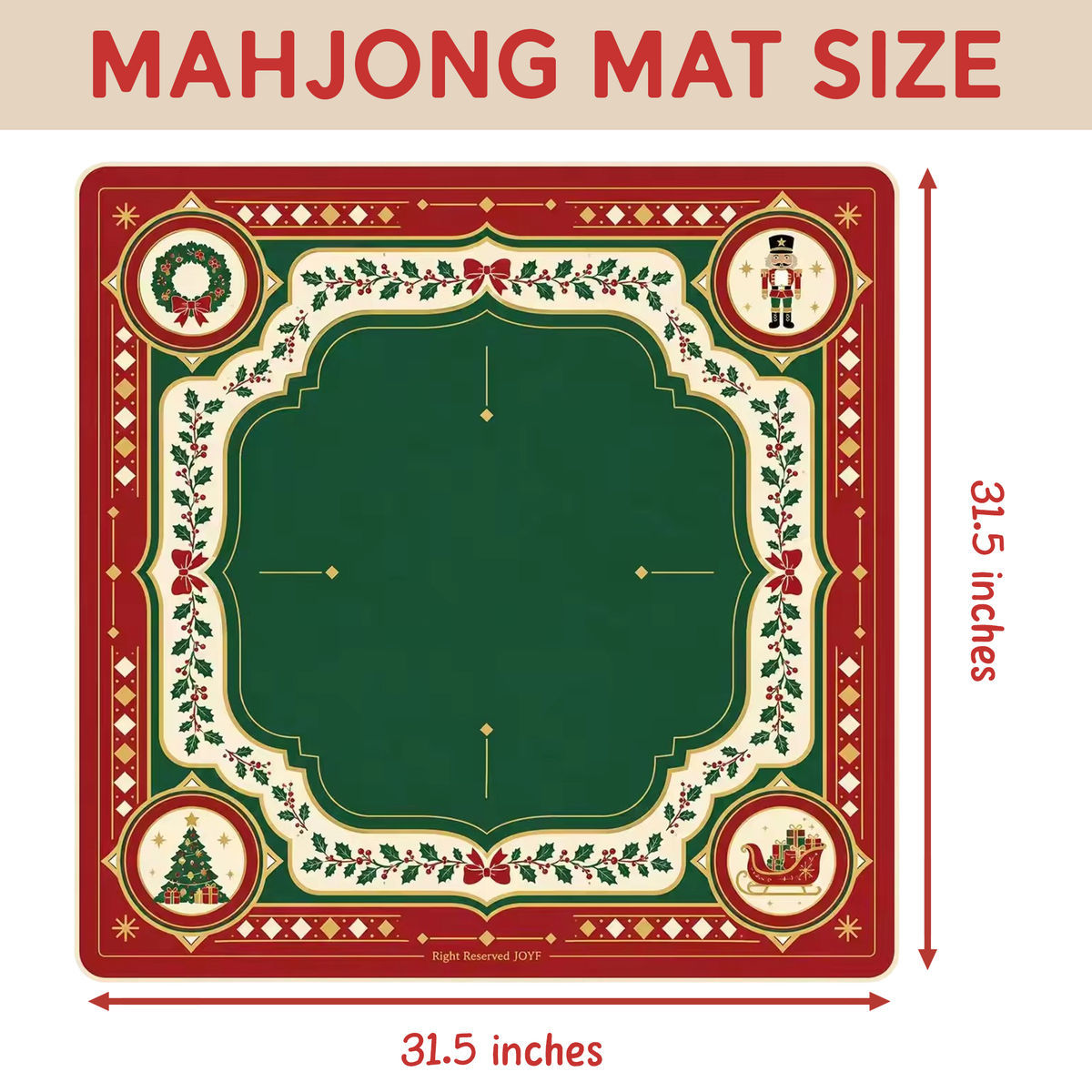
Mahjong chips are the scoring tokens players exchange during the hand to track points owed and paid. In American mahjong, most players use acrylic coins (translucent or opaque discs, typically 1–1.5 inches wide) in standard denominations: 1-point, 5-point, 10-point, and 25-point. A few groups prefer wooden or clay chips, but acrylic reigns because it's durable, colorfast, and won't absorb spills. When buying from our best-selling collection, many sets include chips; if you need replacements or upgrades, buy them separately by denomination and color. Check your mat or set documentation for exact chip weights and colors your group expects—mixing standards mid-game kills momentum. Avoid cheap transparent chips that yellow or crack; verify the seller packs them in a dedicated pouch so they don't scratch your tiles.
Are acrylic chips really better than clay or ceramic?
Acrylic chips dominate American mahjong because they're lightweight, stack neatly, never stain, and survive decade-long games. Clay and ceramic chips look nicer in museum lighting but absorb humidity, crack under pressure, and cost three times as much. Acrylic also won't scratch your expensive tile surface the way metal slugs do. Unless your group has an ironclad rule ("we only use clay"), stick with acrylic.
🀄 Shop best-selling mahjong sets →
What denominations and colors should you actually use?
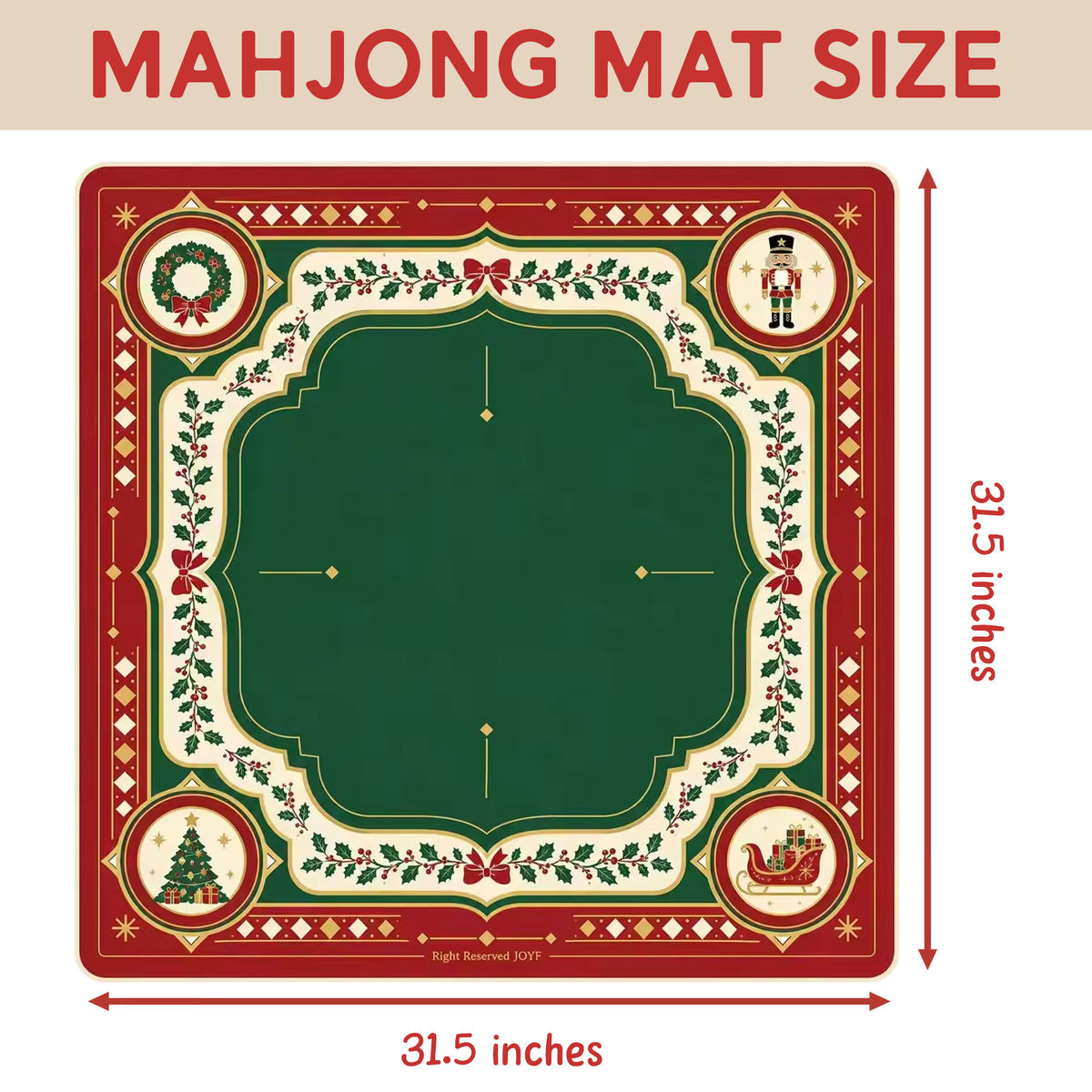
Standard American mahjong chips come in four denominations—1, 5, 10, and 25-point—usually in distinct colors: white (1), red (5), green (10), and black (25). Before ordering, check your group's house rules. Some tables use different color schemes; a few regional games add a 50-point chip. The National Mah Jongg League does not mandate chip colors, so consensus at your table is law. Many engraved sets include a starter supply, so verify what you already own before duplicating.
How many chips do you need per player?
Each of the four players needs roughly 8–10 chips per denomination to avoid running short mid-game. That's 32–40 chips total per player, or 128–160 across the table. If your table plays fast or stakes are high, add 20 percent more. A typical chip set includes 160 tokens (40 per denomination), which covers most standard play. If you're hosting a tournament or teaching beginners, buy two sets so you can swap in fresh ones mid-session without pausing for a recount.
What's the difference between loose chips and chip sets with racks?
Loose chips go into a shared cup or bowl in the center of the table; players draw what they owe and pay opponents. This is the classic, flexible method—you control exactly what denominations you buy. Chips sold with racks and pushers lock into a personal scoring tray (one per player), so each player manages their own score visibly. Racks speed up settlement because no one fumbles for change mid-hand. Racks also teach beginners faster because the physical tally is unmissable. Choose loose chips if your group prefers speed and flexibility; choose racks if you value clarity and beginner-friendly scoring.
Quick Comparison: Chips, Racks, and Scoring Methods
Method | Who It's For | Setup Time | Scoring Speed | Beginner-Friendly |
Loose chips (cup) | Casual, traveling groups | <1 min | Medium | Moderate |
Racks with pushers | Home tables, regulars | 2–3 min | Fast | High |
Mixed (loose + racks) | Hybrid games | 2–3 min | Fast | High |
Pen and paper (no chips) | Temporary sessions, very casual | <1 min | Slow | Low |

Should you buy chip sets together with tile sets?
Many complete mahjong sets from our collection bundle 160 acrylic tiles, a mat, pushers, and a chip set. This is the best value if you're starting from zero because you know all pieces match the brand's color palette and durability standard. If you already own tiles and just need chips, buy them separately to avoid waste. Verify the chip colors match your existing mat or table decor—some players care deeply about this, others don't. If you're gifting a set, the all-in-one bundle removes guesswork and usually saves money compared to buying components piecemeal.
🎁 See our most-loved mahjong sets & accessories →
How do you store chips so they don't get lost or damaged?
Chips live in a dedicated pouch, compartmented tray, or the original container they came in. Loose chips in a ball jar or ziplock bag work, but you'll lose a few every season. Better: use a small fabric or acrylic box with dividers so each denomination stays together. Label the compartments 1/5/10/25 with a marker or sticker. Keep chips in the same bag or case as your tiles if you travel; they're lightweight and take zero extra space. Check the chip pouch for dust or debris before each game—even tiny sand scratches tiles over years.
What to Check Before You Buy Chips
Verify the denominations your group actually uses (not all tables play standard 1-5-10-25).
Confirm the colors match your mat and tile set, or at least don't clash (white and red are near-universal).
Count how many per denomination your table needs—don't assume the seller includes what you think.
Check for bulk discounts if you're buying for a club or teaching group (order form can sometimes negotiate on larger quantities).
Test one chip's weight and feel before committing to 200+ if you can—does it stack? Do the colors feel durable?
Ask whether shipping is tracked—chips are small and sometimes get lost in standard mail.
Look for a returns or exchange policy in case colors don't match your tiles when they arrive.
✨ Find your Mahstead set — free US shipping →
Do you need fancy or engraved chips for casual play?
Standard acrylic chips work fine for casual games. Engraved tiles are a nice touch, but engraved chips rarely ship with standard sets and cost more—worth it only if you're personalizing a high-end gift or your club has a 20+ year tradition. For league play, tournament games, or teaching, standard chips are faster to reorder and less fussy if one cracks. Save engraving for the tiles themselves, where it shows and lasts.

FAQ
Can you play mahjong without chips?
Yes—use pen and paper to track scores, or play "cash game" with real money. But chips are faster, less error-prone, and safer for social games. They also help beginners visualize debt and payment instantly.
What's the cheapest way to buy replacement chips?
Buy loose chips by denomination instead of a full set if you only need one color. Check whether your set's original seller offers individual refills—most do, usually at a lower per-unit cost than a new complete set.
Do chip colors matter if everyone agrees?
No. As long as all four players agree on the denomination each color represents before the hand starts, any colors work. Writing the legend on the mat helps beginners remember quickly.
How long do acrylic chips last?
Quality acrylic chips last 10+ years of weekly play if stored dry and away from direct sunlight. Cheap acrylic yellows and cracks faster; avoid discounts that seem too good to be true.
Should racks come with chips, or buy separately?
Most racks with pushers are sold without chips so you can choose your preferred denominations and colors. Some bundles include them; verify before ordering to avoid duplicates.
Can you use poker chips or casino chips instead?
Yes, if your group agrees—they're heavier and look fancier. But they're bulkier to carry, often cost more, and their standard denominations ($1, $5, $25) don't always map cleanly to mahjong scoring. Stick with purpose-built mahjong chips unless you love the look enough to recount every payout.


View More
View More
View More
