
Mahjong Racks: Choose the Right Tile Holder for Your Game
Last updated: Nov 23, 2026

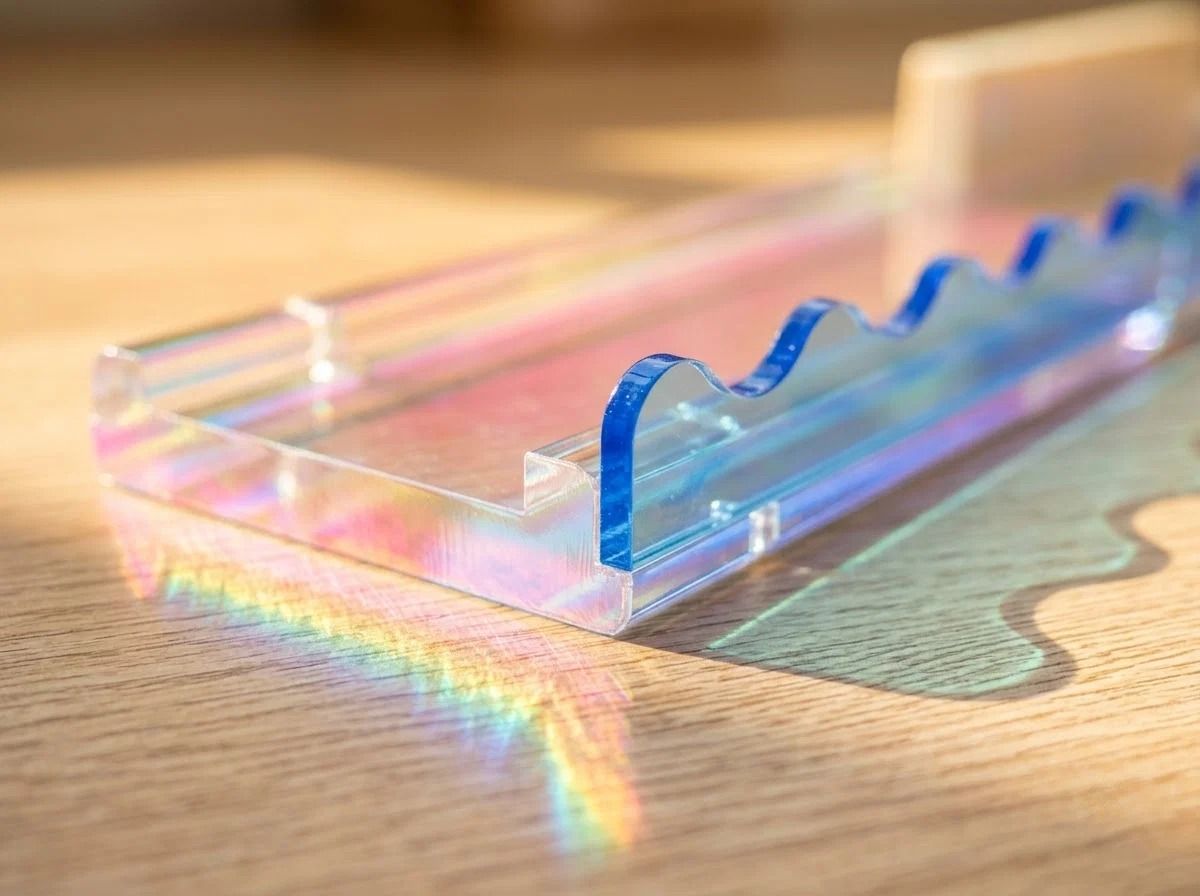
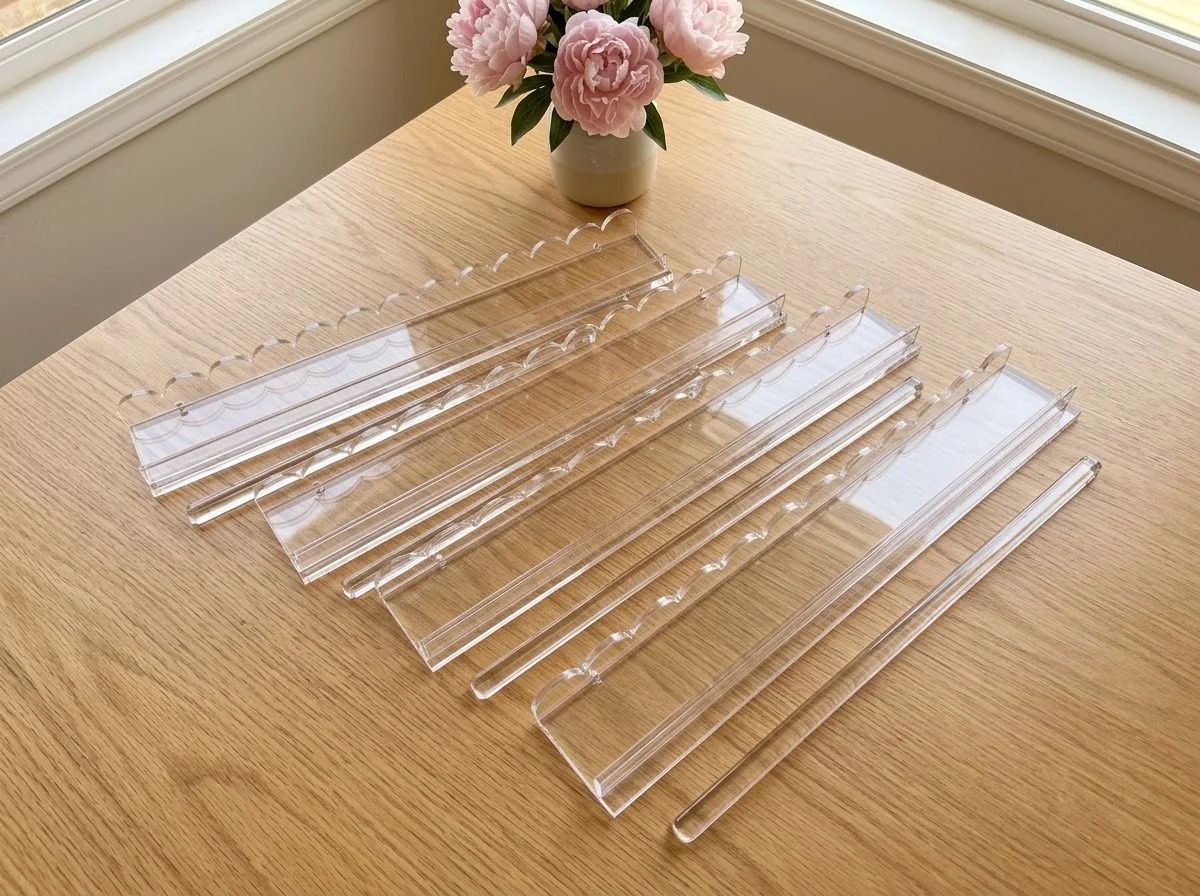
Mahjong racks are wooden or bamboo holders that display your hand of 13–14 tiles vertically, keeping them hidden from other players while letting you see which tiles you hold. Most racks include pushers—small tools that slide tiles into place. They come in standard sizes (typically 11–16 inches long) to fit 13–14 tiles for four-player American mahjong, and some designs expand for longer games or accommodate specialty tiles like engraved sets. Racks range in design from simple natural wood to ornate carved pieces or those with novelty engravings. Quality matters: poorly fitting racks make tiles fall, and cheap pushers bend or split. At Mahstead, we stock mahjong racks with pushers in styles suited to casual home games and weekly tournaments, designed to last through hundreds of games and ship ready to use. 🀄 Shop best-selling mahjong sets →
What's the difference between a rack and a tile storage bag?
A rack is a playing tool—it sits on the table in front of you during the game. A bag stores tiles between games. You need both: racks keep tiles visible and organized during play; travel bags and cases protect your entire set and carry it safely. Many players keep a rack at the table and pack the set in a case for transport. They serve completely different purposes, and skipping the rack makes reading your hand harder and slows the game.
What size rack do I need for my game?
Standard American mahjong racks hold 13–14 tiles across roughly 11–16 inches. If you play four-player American mahjong regularly, a 14-inch standard rack works for almost everyone. Compact racks (under 11 inches) suit tight spaces or travel. Longer racks (16+ inches) give extra breathing room and work well for players with vision or dexterity concerns. Check your tile count before ordering: American sets use 152 playing tiles, so you'll never need a rack longer than one designed for a full hand of 14. Measure your table space and test your hand size at a friend's game before committing to oversized options.
How do pushers work, and why do I need them?
A pusher is a thin wooden or plastic tool that slides between tiles in your rack, nudging them into neat rows. You use it to move tiles left or right as you draw and discard, so your hand stays organized without your fingers fumbling through the rack itself. Good pushers are smooth, don't scratch tile surfaces, and stay with the rack. Poor pushers warp, bend, or split under light pressure. When comparing racks with pushers, feel the pusher's thickness and test its movement against sample tiles if possible—a pusher that sticks or catches will frustrate you every game.
Which materials hold up best through weekly play?
We compare three main materials:
Material | Durability | Wear | Best For | Notes |
Natural wood (pine, poplar) | Good, 2+ years weekly | Minor surface scratches | Budget-conscious players, casual home games | Affordable, warps slightly in humidity |
Bamboo | Excellent, 3+ years weekly | Minimal scratching | Serious weekly groups | Denser, resists warping, premium feel |
Carved/ornate wood | Good to excellent, 3+ years | Dust settles in carvings | Players who value aesthetics | Harder to clean, more decorative than functional |
Bamboo racks outlast cheaper wood by handling temperature and humidity shifts better. If you play weekly indoors with variable air conditioning, bamboo prevents the warping and tile-sliding issues that plague cheaper racks by year two. Natural wood suits casual monthly games where durability matters less than cost.
Can I use an engraved rack with a standard mahjong set?
Yes. Engraved racks (with custom names, initials, or artwork) work with any 152-tile American mahjong set—the tile dimensions are the same. An engraved rack pairs well with engraved American mahjong sets if you want a cohesive gift or personal set. However, engraving is purely decorative and doesn't affect function. If someone gives you an engraved rack before you own a set, it will work fine with any set you buy later. Buy engraved options for their visual appeal and lasting sentimental value—not for better gameplay.
🎁 See our most-loved mahjong sets & accessories →
How do I compare novelty vs. traditional racks?
Novelty racks come engraved with jokes, player names, holidays, or themes—perfect for gift-giving and memorable games. Traditional racks are plain wood or bamboo, emphasizing function and durability over aesthetics. A novelty rack is a conversation starter at game night; a traditional rack disappears into routine play. If you host weekly games and want your setup to feel special, a novelty or custom-engraved rack signals that you care about the experience. If you rotate among players' homes and value portability, a lightweight traditional rack is easier to pack and less conspicuous. Both categories perform equally well functionally—choose novelty for identity, traditional for everyday reliability.
What should I check before ordering a rack?
Use this checklist before clicking buy:
Tile dimensions: Measure one tile's width. Racks designed for standard American tiles (roughly ½ inch thick) won't fit Asian tiles or oversized variants.
Hand size: Count how many tiles fit comfortably in your current rack, or ask a regular game friend. Order a rack that holds at least that number without tiles crowding or tilting.
Pusher quality: Confirm the pusher comes included. Run your finger along its edge—it should be smooth, not rough or splintered.
Finish and cracks: For natural wood, inspect photos for surface finish (gloss, matte, stained) and look for any visible cracks or gaps that might expand.
Ventilation slot: Some racks have a small slot or indent at the base to reduce suction between the rack and table—less friction makes tiles slide more smoothly.
Shipping padding: Check the product description or ask: does it arrive in protective wrapping? A rack in transit can crack if poorly packed.
At Mahstead, racks arrive wrapped and ready to use—no assembly needed. Test yours immediately upon arrival to spot shipping damage while you can request a replacement.
How do racks fit into a complete set-up?
A full mahjong hosting setup includes a set, a mat, racks, and a carrying case. Your mat defines the playing area and protects your furniture; your mahjong racks organize player hands; a mahjong mat prevents tile scratching; and a case transports everything safely. If you host at home, invest in a quality mat and racks first—they're in use every single game. A travel-grade case matters if you move the set between homes or transport to tournaments. Most weekly players own one mat and four racks permanently, then rotate hosting. Buying racks from the same maker as your mat and set ensures aesthetics coordinate and sizing is proven compatible.
✨ Find your Mahstead set — free US shipping →
What happens if a tile doesn't fit or the rack breaks?
If tiles don't fit, the rack was designed for a different tile size (likely Asian variants). Return it before game day. If a pusher breaks under normal play, the material was too thin or the wood was compromised. A quality bamboo or thick hardwood pusher lasts years. At Mahstead, we build racks for American mahjong tiles and use materials rated for hundreds of games. We pack them carefully so they arrive undamaged. If a rack arrives broken, contact us immediately—damage in shipment is our responsibility to fix. If a rack breaks during play within the first year, the material or construction was faulty, not your misuse.
What to check before you buy
Confirm your tile size: Measure or compare your tiles to the rack's specifications. American standard = roughly ½ inch thick. Asian tiles are often thicker; racks won't fit.
Count your regular hand: If you always play 13–14 tiles, order a rack rated for at least 14. Don't guess.
Feel the pusher: A good pusher is smooth, straight, and glides between tiles without catching. Test one at a friend's game if possible.
Choose material for your climate: Bamboo in humid areas, natural wood if air-conditioned indoors, carved wood if aesthetics matter more than durability.
Budget for a mat too: A rack alone won't protect tiles. Pair it with a quality mat so tiles live longer.
Quick comparison: Who each rack type is for
Rack Type | Who It's For | Play Frequency | Space | Budget | Why Pick It |
Standard natural wood, 14-inch | Casual home players | Monthly | Standard table | Moderate | Affordable, works immediately |
Bamboo, 14-inch | Weekly league players | Weekly or more | Standard table | Higher | Durability, resists warping |
Compact, 11-inch | Travel/tight spaces | Any | Small table, portable | Moderate | Fits small hands, packs easily |
Engraved novelty | Hosts, gift-givers | Weekly (social) | Standard table | Higher | Memorable, conversation piece |
Carved ornate | Collectors, aesthetes | Casual | Display-worthy | Highest | Visual appeal, sentimental |
FAQ
Can I use one rack for four players, or does each person need their own?
Each of the four players needs their own rack during play. One player would never hold all four hands at once. You'll need four racks minimum for a standard four-player game. Buy a matching set of four, or mix and match styles if you like variety at your table.
Do racks work with both American and Chinese mahjong?
American racks work with American tiles (standard size). Chinese and Asian racks are often taller and narrower for different tile dimensions. If you play both variants, confirm the rack's tile-size specs before ordering. Most racks sold in the US are American-sized and won't fit Asian tiles well.
Why do tiles sometimes fall out of the rack during play?
Usually the rack is too loose for your tile size, the tiles are warped, or you're sliding tiles too fast. Place tiles firmly into the rack's grooves, use the pusher gently, and make sure the rack sits flat on the table—no tilt. If tiles still slide, the rack may be worn or damaged.
Is a pusher really necessary, or can I just use my fingers?
A pusher keeps your hand organized and prevents you from accidentally revealing tiles to opponents. Using your fingers works in casual games but slows play and creates confusion. Every serious game uses pushers. They're inexpensive and included with most racks from Mahstead.
What's the best way to store or clean a wooden rack?
Keep racks in a dry place away from direct sunlight to prevent warping. Wipe with a soft, dry cloth monthly. Avoid water, solvents, or oils—they stain or warp wood. If a rack gets sticky (from spills), use a barely damp cloth and dry immediately. Store tiles out of the racks between games so the wood doesn't get compressed permanently.
Can I order a custom rack with my name or group's name engraved?
Yes. Mahstead offers engraved racks with initials, names, or custom designs. Lead time varies; check the product page for delivery estimates. Engraved racks are perfect for gifts or marking your personal set in a group that shares equipment. ---


View More
View More
View More
