
Beach Mahjong Outfit Ideas: Tiles, Dress & Game Setup
Last updated: Nov 23, 2026
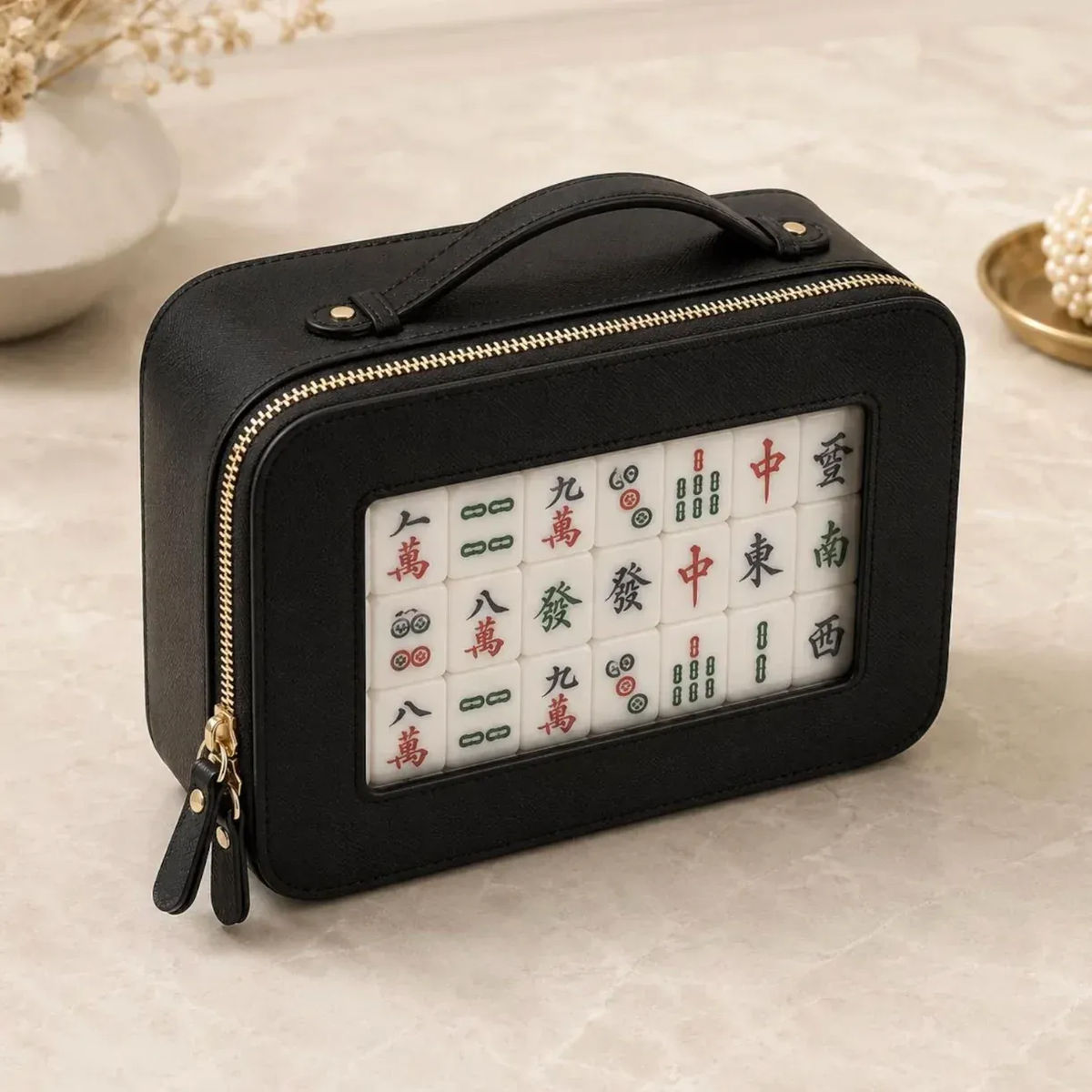
Beach mahjong combines sun safety, practical clothing, and portable equipment. Wear lightweight, breathable layers (a cover-up over a swimsuit works), UV-protective sunglasses, a wide-brimmed hat, and water shoes or sandals you can slip off at your playing surface. Bring a compact best-selling mahjong set—160-tile acrylic sets resist moisture and sand better than bamboo or bone. Use a dedicated mat and a mesh or canvas bag to rinse sand away after play. Apply waterproof sunscreen 15+ SPF every 90 minutes; reapply after water contact. Set up in shade (umbrella or beach tent), keep a cooler nearby for hydration, and wipe tiles between rounds. Most beach players use travel-size racks to organize tiles; avoid open play on the sand floor. Keep spare tiles dry in a sealed pouch. Plan for 2–3 hours maximum in peak sun to reduce fatigue and heat stress.
What Clothing Protects You Without Overheating?
Beach UV rays reflect off water and sand, doubling exposure. Choose a lightweight, moisture-wicking cover-up (linen, cotton-blend, or UPF-rated fabric), UV-blocking sunglasses with polarized lenses, and a hat with a 3-inch+ brim. Leave flip-flops nearby but sit barefoot or in water shoes on your mat to avoid tracking sand into tiles. A thin long-sleeve rash guard under your swimsuit offers extra protection without bulk. Swap heavy jewelry for lightweight pieces; sweat + salt corrodes metal.
Which Mahjong Set Survives Sand and Salt Spray?
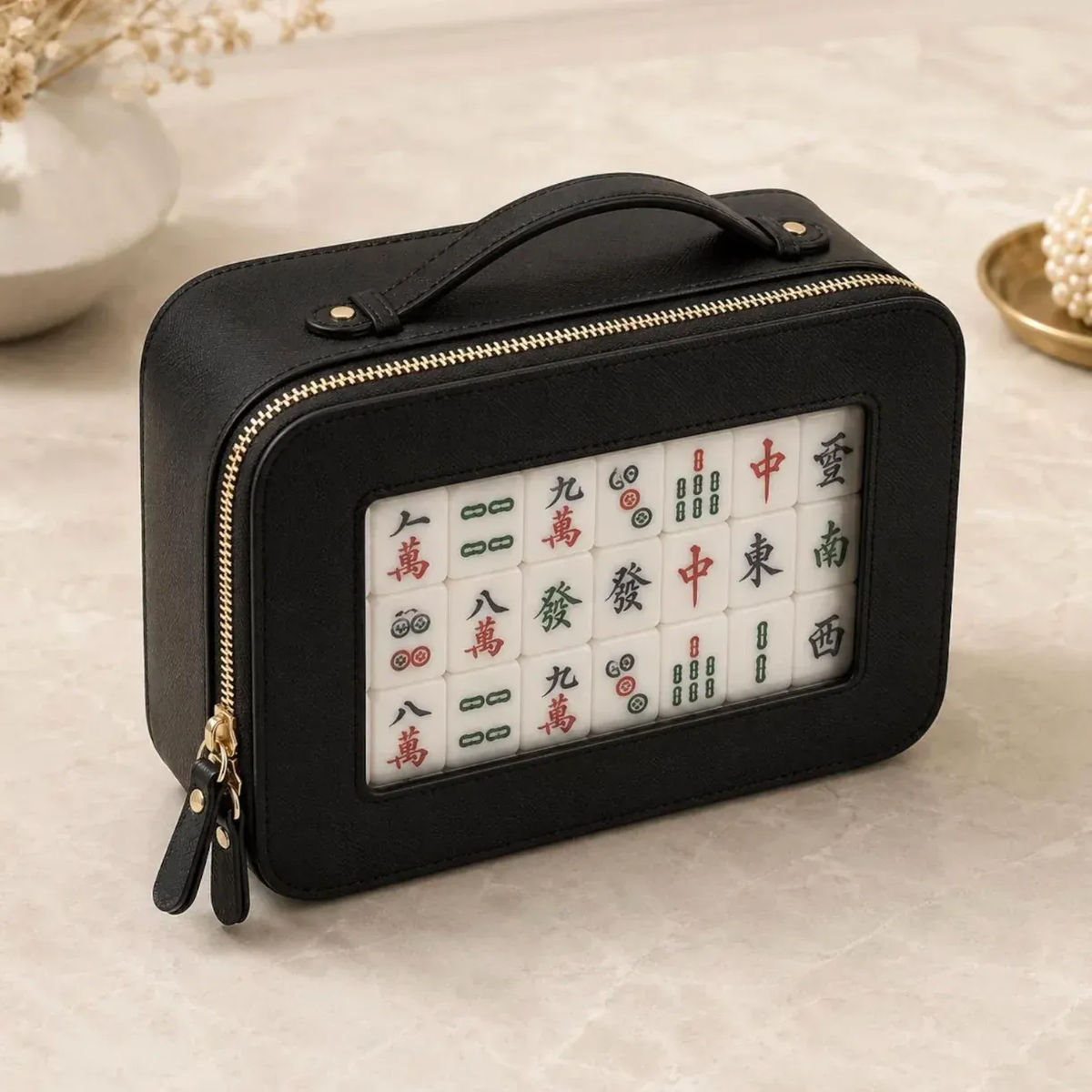
Acrylic tiles are your best bet: they rinse clean, don't absorb moisture, and don't warp in humidity. A best-selling set packed in a sturdy case keeps tiles separated from sand. Bamboo and bone sets require sealed storage and careful drying, making them risky for a beach day. After play, rinse tiles in fresh water (bring a collapsible bucket), pat dry with a lint-free towel, and store them indoors immediately. Check case seals before you go; a cracked hinge lets sand in. Avoid leaving tiles in direct sun for hours; heat can warp even acrylic slightly.
How Do You Set Up a Stable Playing Surface in Sand?
Sand shifts, so anchor your mat to prevent tile piles from sliding. Use a low beach tent or umbrella weighted with sandbags or beach chairs at its corners. Lay your mahjong mat directly on the sand (not on a towel, which moves). Position the mat in shade; sun-heated tile backs become uncomfortable and can damage engraving over hours. Set a small cooler beside the mat, not on it. Keep water bottles upright in cup holders or sand holes to avoid spilling on tiles. Use racks to organize each player's tiles vertically, reducing contact with sand and making draws cleaner. Wipe the mat's edges every 15 minutes to prevent sand creep onto the playing surface.
What's the Right Packing Strategy for Tile Transport?
A dedicated mahjong bag or case with water-resistant lining is non-negotiable. Pack your set last, after sunscreen and a change of clothes, so it sits on top and never touches wet swimsuits. Bring a mesh drawstring pouch for tiles that need rinsing mid-game. Include a microfiber cloth, a ziplock bag for damp items, and a small container of uncooked rice if humidity becomes an issue (it absorbs moisture overnight). Use a wheeled cooler with a hard plastic bin inside; tiles stay upright and separate. Before leaving home, wipe your mat rolled in a vinyl tube—not loose in a beach bag. Ship or drive your set the day before if traveling over 4 hours, so tiles acclimate to coastal humidity gradually.
Outfit Element | Why It Matters | Beach-Specific Tip |
Wide-brimmed hat | Blocks direct sun on face & neck | Tie it down; wind + sand dislodge loose hats. |
UPF cover-up | Protects shoulders & arms without restriction | Choose quick-dry fabric; you'll play for hours. |
Polarized sunglasses | Reduces glare off water & sand | Bring a backup pair; sand scratches easily. |
Water shoes or sandals | Keeps feet clean; easy removal for mat | Slip-on style avoids buckles that catch tiles. |
Lightweight, breathable layers | Prevents heat exhaustion in sun exposure | Reapply sunscreen if you swim between games. |

When Should You Pack It In for the Day?
Stop playing when the outdoor temperature reaches 90°F or when any player shows signs of heat stress: dizziness, nausea, uneven play, or difficulty concentrating. Tiles in direct sun heat to 120°F+; engraved acrylic expands and contracts with temperature swings, so prolonged exposure can crack delicate details. Limit play to 2–3 hours in peak sun (10 a.m.–3 p.m.) or switch to early morning (6–9 a.m.) or late afternoon (4–7 p.m.) sessions. Evening games are slower-paced and more social, and you'll have better light if you bring a portable solar-charged lantern. Always bring more fresh water than you think you'll need; coastal humidity and UV exertion increase dehydration risk. Rinse your entire set in the cooler with fresh water from a jug before packing, and let the bag air-dry indoors overnight.
🀄 Shop best-selling mahjong sets →
Original Thought: The "Sand-Safe Ritual" Checklist
Most beach mahjong mishaps happen during setup or cleanup, not during play. Use this five-step pre-game ritual:
Inspect your mat for tears; a small hole lets sand under tiles within 20 minutes.
Weigh your umbrella or tent; a gust flattens your game.
Test your bag's seals; lock zippers; close all pockets.
Pre-rinse tiles once at home the night before to check for trapped sand from previous games.
Set a timer for sunscreen reapplication; write it on a beach tag and stick it in your cooler.
Players who skip step 5 end up with piecemeal reapplication and uneven sun exposure by hour three. Those who rinse only after the beach day discover sand in tile grooves that week, causing shuffling friction.
🎁 See our most-loved mahjong sets & accessories →
What to Check Before You Buy
Mat material: Rubber-backed cotton resists sand creep better than suede or felt. Look for a mat with rolled edges so sand can't slide underneath.
Case water-resistance: Inspect zippers, hinges, and corner seals on your bag before purchase. A case with a removable inner pouch lets you dry the outer shell separately.
Tile finish: Glossy acrylic tiles show fingerprints but rinse faster; matte finishes hide sand better but require gentler wiping. Ask for samples if available.
Rack stability: Lightweight racks tip in ocean breezes; request racks with weighted feet or sandbag-compatible base holes.
Sun exposure history: If your set lives at a beach house year-round, UV-protective display cases or indoor storage boxes prevent fading and cracking.
✨ Find your Mahstead set — free US shipping →

FAQ
Can I use my regular acrylic mahjong set at the beach, or do I need a special set?
Regular acrylic sets work fine; what matters is the case and mat. Acrylic is already sand- and salt-resistant. Invest in a water-resistant bag and a high-quality mat, and rinse tiles in fresh water after each session.
How often do I need to reapply sunscreen while playing mahjong?
Every 90 minutes, or immediately after swimming. Your hands are in constant motion and exposed; sunburn hands are painful and affect tile handling the next day. Waterproof formula rated SPF 30+ reduces reapplication frequency.
What's the best time of day for a beach mahjong game?
Early morning (6–9 a.m.) or late afternoon (4–7 p.m.) minimize heat stress and UV intensity. Midday games (10 a.m.–3 p.m.) are playable but require strict shade, extra water, and frequent breaks.
Will sand ruin my engraved tiles or mat?
Sand won't ruin acrylic tiles, but it scratches engraving polish over time if mixed into tile shuffling. Rinse your set in fresh water immediately after play and store it indoors. A mat with a sealed backing prevents sand from working through the felt and lodging under tiles.
Should I bring racks to the beach, and do they stay in the sand?
Yes, bring racks with pushers. Position them on your mat, not in the sand. Racks keep tiles upright and organized, reduce hand contact (fewer germs from sand), and prevent tiles from being accidentally knocked into sand piles.
What do I wear if I'm playing mahjong between swimming sessions?
Wear a lightweight moisture-wicking cover-up over your swimsuit, reapply sunscreen after each swim, and change into dry clothes immediately after play. Wet fabric cools quickly in shade but increases chilling risk; bring a beach dress or shirt to change into between swims and games.


View More
View More
View More
