
Bakelite vs Plastic Mahjong Tiles: Which Should You Buy?
Last updated: Nov 23, 2026
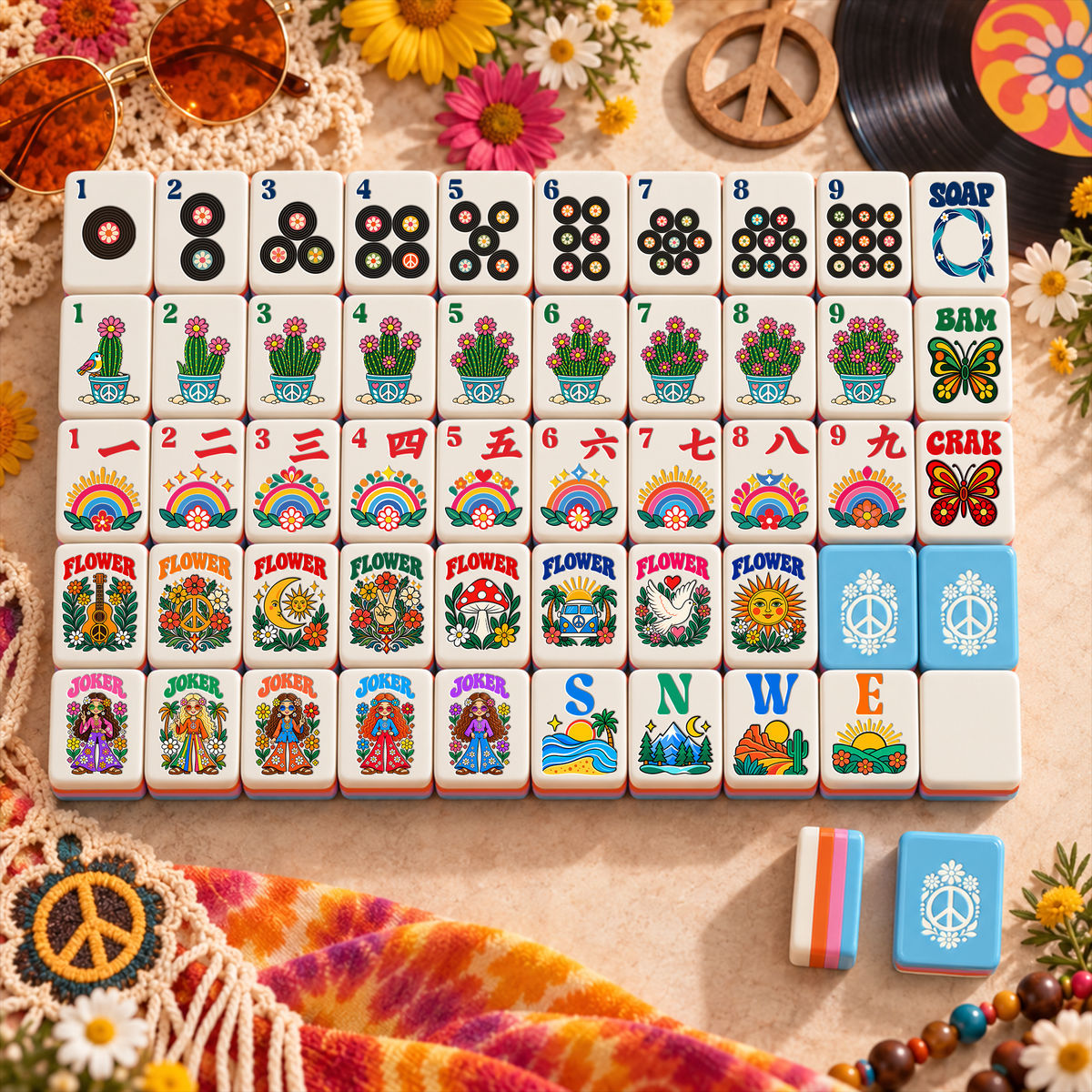
Bakelite tiles are heavier, denser, and click louder than acrylic or resin plastic tiles—they feel more like traditional ivory or bone. Bakelite withstands shuffle and stack wear better over years of weekly play; plastic tiles show signs of stress sooner. American mahjong sets use 152 playing tiles plus spares in either material; bakelite sets weigh significantly more, which some players prefer for control and others find tiring. Bakelite typically costs more upfront because the manufacturing process is more labor-intensive and the material itself is pricier. Plastic tiles (acrylic resin or similar compounds) are lighter, louder in a higher pitch, and appeal to players who want durability without weight or budget constraints. Both materials are fully functional for the game; the choice depends on feel preference, table space, and how often you play. Mahstead offers engraved American sets in durable acrylic with a 160-tile count, designed for weekly players who value customization and shipping convenience. 🀄 Shop best-selling mahjong sets →
What does bakelite feel and sound like?
Bakelite is a hard, phenolic resin developed over a century ago. Tiles made from it feel dense and substantial in your hand—roughly the weight and heft of vintage Catalin sets. When tiles contact the table or each other, bakelite produces a deeper, wooden clack; players describe the sound as crisp and satisfying. The surface is slightly warm to the touch and polishes to a modest sheen. Bakelite does not feel slick, so it grips your rack or player's hand with less sliding friction than some plastics. This tactile quality is why longtime players often gravitate toward bakelite; the game feels deliberate. Bakelite also resists surface crazing (tiny stress cracks) that can cloud acrylic tiles after a few years of heavy shuffling.

How does acrylic or resin plastic compare in daily play?
Acrylic and resin plastic tiles (the materials used in most modern mass-produced sets) are lighter and produce a higher-pitched, sharper clink when tiles contact each other or the table. They feel smooth and sometimes slightly slippery—useful for players with weak grip or arthritis, because tiles slide more easily into racks. Plastic tiles are easier to see through backlighting or under table lamps; some players appreciate the transparency for reading engraved characters quickly. The main plastic advantage is cost—production is faster and material cheaper than bakelite. Plastic tiles do not require polishing and resist staining better than unfinished bakelite. However, repeated shuffling and stacking can cause plastic to show micro-scratches or, in cheaper compounds, a slight dulling over 3–5 years of weekly play. Plastic tiles are fully compliant with American mahjong rules and are the material of choice for most best-selling modern sets.
🎁 See our most-loved mahjong sets & accessories →
What is the real durability difference?
Both bakelite and plastic tiles last many years if shuffled and stored correctly. Bakelite is harder and does not develop micro-scratches as easily under repeated shuffling; tiles maintain a consistent appearance for 10+ years of weekly play. Plastic tiles remain functional but may show surface wear—fine scratching, slight haziness, or edge stress marks—after 3–5 years of intensive weekly use. Neither material is fragile; dropping a tile on a hard floor will not break it. Bakelite is denser and thus less prone to edge chipping, while plastic is more flexible and absorbs impact better without cracking. The main durability trade-off: bakelite looks nearly new for decades; plastic looks well-loved faster but plays exactly the same. If you host a weekly game and keep your set in heavy rotation, bakelite edges out plastic on aesthetics over time. If you play casually or store the set indoors in a protective bag or case, both materials perform identically for gameplay. Weight matters here too—heavier bakelite tiles resist movement during shuffling, while lighter plastic requires slightly more attention to keep tiles from shifting. Over a decade, bakelite players report fewer tiles with loose or rattling internal components.
Who should buy bakelite, and who should buy plastic?
Player Profile | Best Choice | Why | Weight Factor |
Plays weekly, wants 10+ year aesthetics | Bakelite | Resists scratching; maintains finish | Heavier; tiring for some |
Budget-conscious, plays 2–4× yearly | Plastic | Lower cost; zero maintenance | Lighter; easier to handle |
Prefers traditional feel and click | Bakelite | Matches bone/ivory precedent | Substantial grip |
Wants brightest engraving visibility | Plastic | Transparency aids quick reading | Slight glare under lamps |
Travels often or lacks storage space | Plastic | Lighter to pack; fits more bags | Essential for portability |
Serious weekday + weekend player | Bakelite | Durability justifies cost; no regrets | Trade-off: slightly tiring hands |
New to mahjong, testing commitment | Plastic | Spend less; upgrade later if hooked | No weight learning curve |
Mixed household skill levels | Plastic | Forgiving if dropped; safe for kids | Safer all around |
Bakelite is for dedicated weekly players who want a set that looks and plays like an heirloom in 10 years. Plastic is for everyone else—casual players, budget shoppers, travelers, and anyone who values lower cost and lighter weight over aesthetics. Many households own both; bakelite for tournaments or company, plastic for travel or casual afternoons.

What should you check before ordering?
Before committing to bakelite or plastic, verify these details:
Tile count. American mahjong uses exactly 152 playing tiles plus 8 jokers. Verify your set ships with this count; any fewer and you cannot play a legal hand.
Engraving quality. Bakelite accepts deep engraving; plastic may show engraving that fades faster under heavy shuffling. Ask the seller for sample photos or a guarantee.
Weight tolerance. If you have wrist or shoulder issues, handle bakelite in person or watch a video of play before ordering. Plastic is the safer choice for joint comfort.
Surface finish. Bakelite should have a polished or semi-glossy finish (not matte or rough). Plastic should be smooth, not grainy.
Storage and shipping. Bakelite is denser and thus heavier to ship. Check shipping costs; plastic sets often qualify for free US shipping. Mahstead includes free shipping across the US on all acrylic sets.
Joker and blank tile count. A 160-tile set includes spare tiles beyond the 152 needed for play. Confirm this; do not assume a 152-count set has extras.
Finish longevity. Ask if bakelite sets are sealed or require occasional waxing. Unsealed bakelite can yellow slightly over years; plastic does not yellow.
Return or exchange policy. If you order bakelite and dislike the weight or click, can you swap it for plastic? Confirm before purchase.
✨ Find your Mahstead set — free US shipping →
How does price factor into the bakelite vs. plastic choice?
Bakelite sets cost more upfront because material sourcing, manufacturing, and quality control are more labor-intensive. Plastic sets are mass-producible and thus carry a lower entry price. For a player who shuffles one or two games per month, plastic's lower cost makes financial sense. For a player in a weekly league or hosting regular tournaments, bakelite's cost-per-year amortizes over a decade—the price per year of use actually favors bakelite. Budget also depends on customization. Engraved plastic sets from Mahstead's collection allow you to personalize your set with names, jokes, or club logos at no surcharge beyond the base price; engraved bakelite often carries a premium for custom work. If you want a custom set for a gift or club event, plastic engraving is faster and cheaper. If you want an heirloom-quality set you'll use for decades, bakelite's upfront cost is an investment. Many players solve this by buying a plastic set to learn on, then upgrading to bakelite once they are sure weekly play is a long-term commitment. There is no wrong choice—only the choice that matches your game frequency, budget, and hand comfort.
What to check before you buy
Do you play weekly? If yes, bakelite; if fewer than 8 times per year, plastic is fine.
Is weight a factor? Wrist, shoulder, or hand pain? Plastic is lighter.
Do you want the set to look pristine in 5 years? Bakelite maintains appearance better.
Is shipping cost a concern? Plastic sets typically cost less to ship.
Will you customize the tiles? Plastic accepts engraving just as well and costs less per set.
Do you value traditional feel? Bakelite matches vintage and bone-tile precedent.

FAQ
Can I play American mahjong with plastic tiles if I already have bakelite?
Yes. Both materials are fully compliant with all American mahjong rules. You may mix bakelite and plastic in a single game—the only rule is that you use exactly 152 playing tiles and 8 jokers. Many players rotate between sets depending on venue or guest preference.
Do bakelite tiles become discolored or yellow over time?
Bakelite can yellow slightly after 10+ years of sunlight exposure or if stored in warm, humid environments. Plastic does not yellow. You can slow bakelite yellowing by storing your set indoors in a protective bag or case away from direct sunlight.
Is bakelite more expensive to maintain than plastic?
Bakelite may benefit from occasional hand-waxing (once yearly) to maintain shine and protect the finish. Plastic requires no maintenance beyond wiping with a soft cloth. This maintenance cost is minimal and optional; bakelite plays perfectly well without waxing.
Which material is better for a beginner?
Plastic is the practical choice for a beginner. It costs less, so you can invest in learning without financial pressure. Once you commit to weekly play, you can upgrade to bakelite. Many experienced players own both.
Does the material affect how fast I can shuffle or play?
Slightly. Bakelite is heavier and slides less easily, so shuffling takes 5–10% longer and requires more hand strength. Plastic tiles are lighter and more slippery, making rapid shuffles easier. Neither material prevents you from playing at tournament speed.
Can I tell if a set is truly bakelite or just plastic painted to look like bakelite?
Yes. Bakelite feels noticeably heavier than acrylic or resin plastic. A 152-tile bakelite set weighs roughly 30–40% more than the same count in plastic. Bakelite also produces a distinctly lower-pitched clack when tiles contact each other. Request a weight specification or video demonstration before ordering.
Which material is safer for young children in a household?
Plastic. It is lighter, less likely to cause wrist fatigue if a child plays, and more forgiving if dropped on a foot. Bakelite is heavier and can hurt if it lands on a small child's hand or foot. Both materials are non-toxic, but plastic is the practical safety choice in mixed-age households.
If I buy an engraved set, will the engraving wear away faster on plastic?
Engraving lasts equally well on both materials if done correctly. Plastic engraving is often slightly shallower, so very heavy shuffling over 10+ years may fade the appearance slightly. Bakelite accepts deeper engraving and shows wear less. For casual to moderate play, engraving stays crisp on either material for many years.


View More
View More
View More
